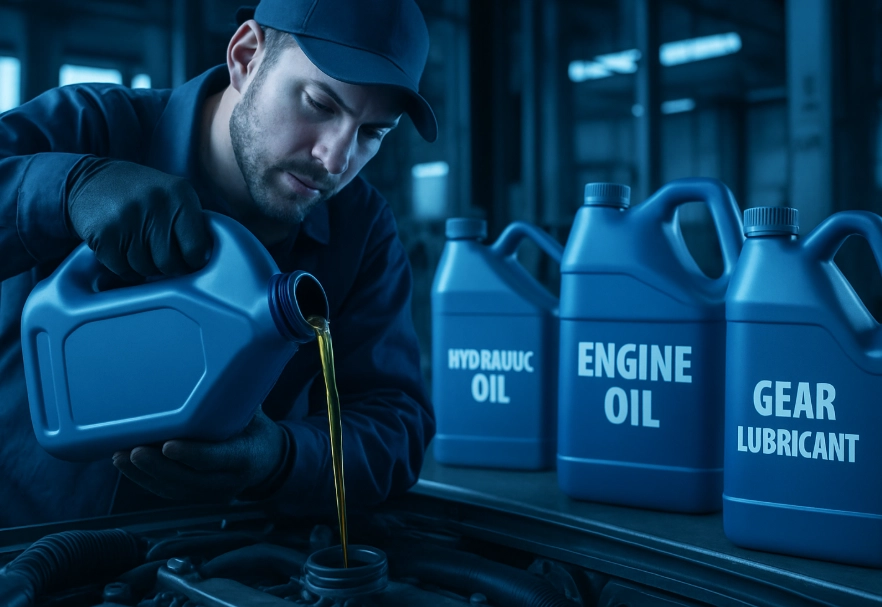
You probably know engine oil is important. It's the lifeblood of your car. But if you think its only job is to make parts slide past each other more smoothly, you're missing the bigger picture. That's like saying a smartphone is only for making calls.
I've seen too many engines fail prematurely because owners underestimated what their oil was doing. Let's cut through the basics and look at what engine oil actually does inside your engine every single second it's running.
What You'll Learn Inside
The 5 Critical Jobs of Engine Oil
Lubrication is the headliner, but it's got a full supporting cast of essential functions. Miss one, and your engine starts a slow march toward the scrapyard.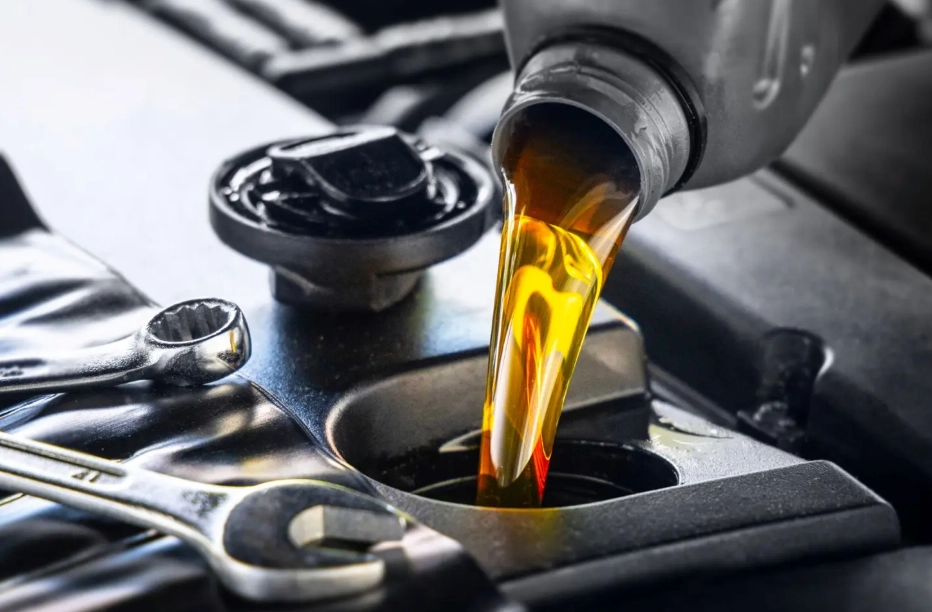
1. Lubrication (The Obvious One)
Metal on metal contact at thousands of revolutions per minute equals disaster. Oil creates a protective film between moving parts like pistons, rings, and cylinder walls. Without it, you get extreme friction, heat, and rapid wear. Think of it less like oiling a hinge and more like creating a microscopic cushion that parts float on.
2. Cooling (The Unsung Hero)
This one surprises people. Your coolant system handles the block, but what about the inside of the engine? Pistons can reach over 400°F. The oil splashing on the underside of the piston absorbs that intense heat and carries it away to the oil pan, where it dissipates. In some high-performance engines, oil coolers are essential because the oil does so much heavy lifting on the thermal front.
3. Cleaning (The Janitor)
Combustion isn't perfect. It creates soot, acids, and other nasty byproducts. Modern engine oils contain detergents and dispersants that act like tiny sponges. They suspend these contaminants, preventing them from clumping together into sludge or varnish that can clog oil passages. When you drain the oil, you're literally flushing the engine's dirt out.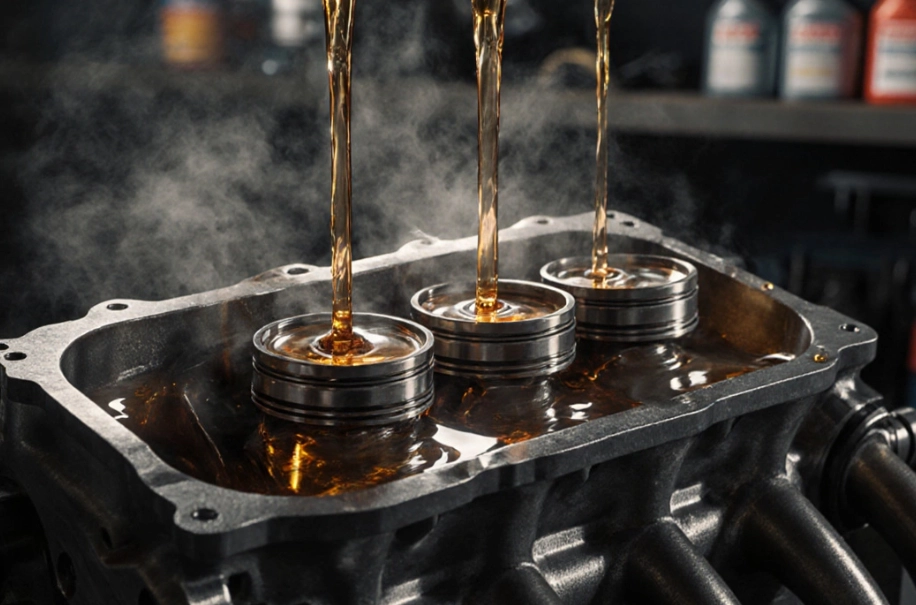
4. Sealing (The Gasket Helper)
Oil helps form a seal between the piston rings and cylinder walls. This seal is crucial for maintaining compression—the force that makes your engine run. Worn-out or thin oil can't maintain this seal effectively, leading to compression loss, reduced power, and increased oil consumption (burning oil).
5. Corrosion Protection (The Bodyguard)
Moisture and acidic combustion byproducts can corrode internal metal surfaces. Oil additives form a protective layer on these surfaces, shielding them from chemical attack. This is especially important for cars that are driven infrequently or take lots of short trips where the engine doesn't fully heat up to evaporate condensation.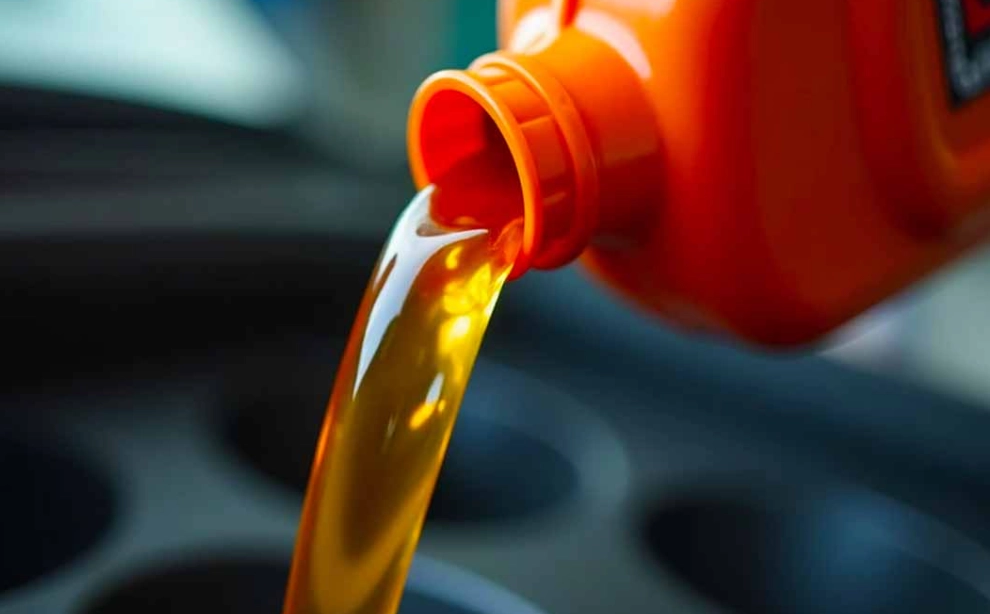
How Engine Oil Works: A Closer Look
It's not just a dumb fluid sloshing around. Modern oil is a highly engineered liquid with two main components: the base oil and the additive package.
The base oil (about 80-90% of the volume) provides the fundamental lubricating properties. It comes in different grades:
- Mineral/Conventional: Refined from crude oil. The baseline.
- Synthetic: Chemically engineered for more uniform molecules, better performance in extreme temps, and longer life.
- Synthetic Blend: A mix of the two, offering a middle-ground.
The additive package is the secret sauce. This is where oil companies earn their money. It includes:
- Detergents & Dispersants: For cleaning, as mentioned.
- Anti-wear Agents: Like zinc dialkyldithiophosphate (ZDDP), which sacrificially coats metal surfaces under extreme pressure.
- Viscosity Index Improvers: Polymers that help the oil maintain its thickness across a wide temperature range.
- Anti-foam Agents: Prevent oil from frothing, which would ruin its lubricating ability.
- Friction Modifiers: Help improve fuel economy.
Over time, these additives get used up. The base oil also shears down and gets contaminated. That's why oil has a finite life, regardless of mileage.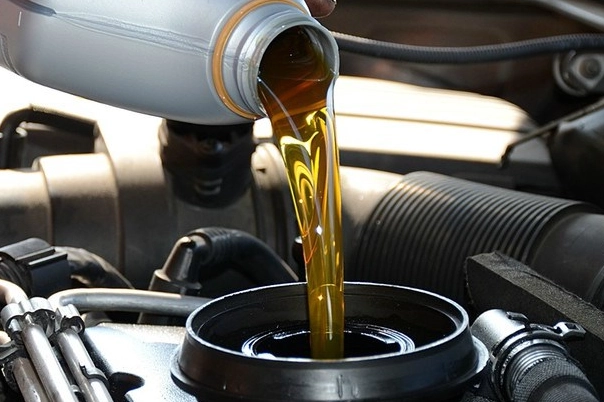
Choosing the Right Engine Oil: A Practical Guide
Don't just grab any bottle off the shelf. Using the wrong oil is almost as bad as using no oil. Here’s a breakdown to cut through the marketing.
| Oil Type | What It Is | Best For... | Typical Price Point |
|---|---|---|---|
| Conventional | Refined crude oil. The traditional choice. | Older cars with simple engine designs, very low-mileage drivers, or when budget is the absolute primary concern. | $ |
| Synthetic Blend | A mix of conventional and synthetic base oils. | Drivers who want a step up from conventional for moderate climates and typical driving (commuting, errands). Offers better protection than conventional at a moderate price. | $$ |
| Full Synthetic | Chemically engineered molecules for maximum performance and protection. | Modern turbocharged/GDI engines, extreme climates (very hot or very cold), high-performance driving, towing, and anyone wanting the best protection and longest potential drain intervals. | $$$ |
The Golden Rule: Your car's owner's manual is the final authority. It specifies the required viscosity (like 5W-30) and performance standard (like API SP, ILSAC GF-6). Meeting that specification is non-negotiable.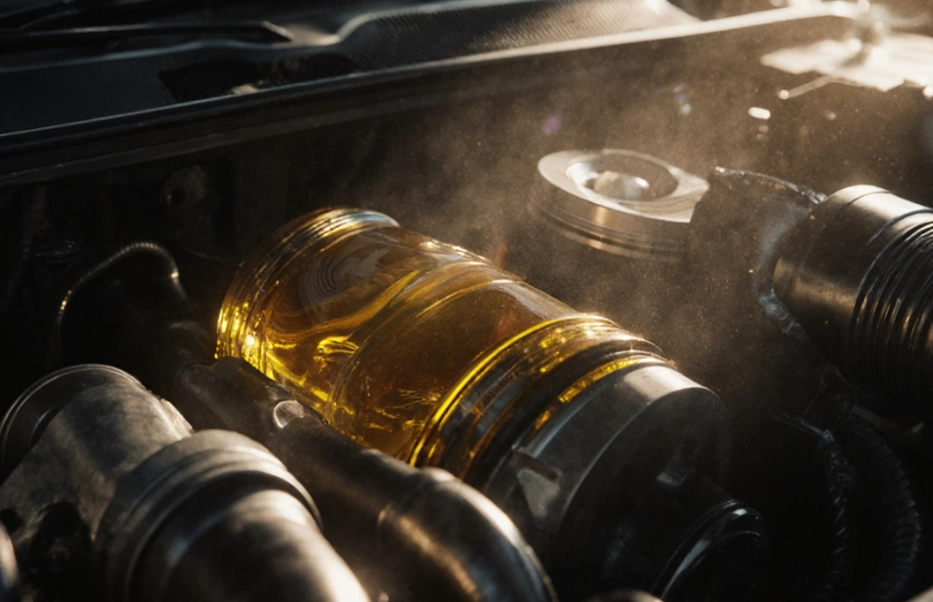
My personal take? Unless you're driving a classic from the 70s, full synthetic is almost always worth the extra $20-$30 per change. The improved protection, especially at startup (when most engine wear occurs), and the potential for longer intervals often make it cheaper in the long run. I made the switch over a decade ago and have never looked back.
Understanding Viscosity: The "W" Isn't for "Weight"
That 5W-30 label isn't random. The number before the "W" (Winter) indicates the oil's flow at cold temperatures (0°F). Lower number = thinner when cold = easier starts. The number after the "W" indicates the oil's thickness at engine operating temperature (212°F). Using a thicker oil than recommended can reduce fuel economy and strain the oil pump. Using a thinner oil might not protect under load.
How Often Should You Really Change Your Oil?
The old "3,000 miles or 3 months" rule is largely dead for modern cars and oils. Blindly following it wastes money and resources.
Follow your manufacturer's recommended interval. For many newer cars, that's 7,500, 10,000, or even 15,000 miles. These intervals are set for the specific oil and engine. However, these are for "normal" driving conditions.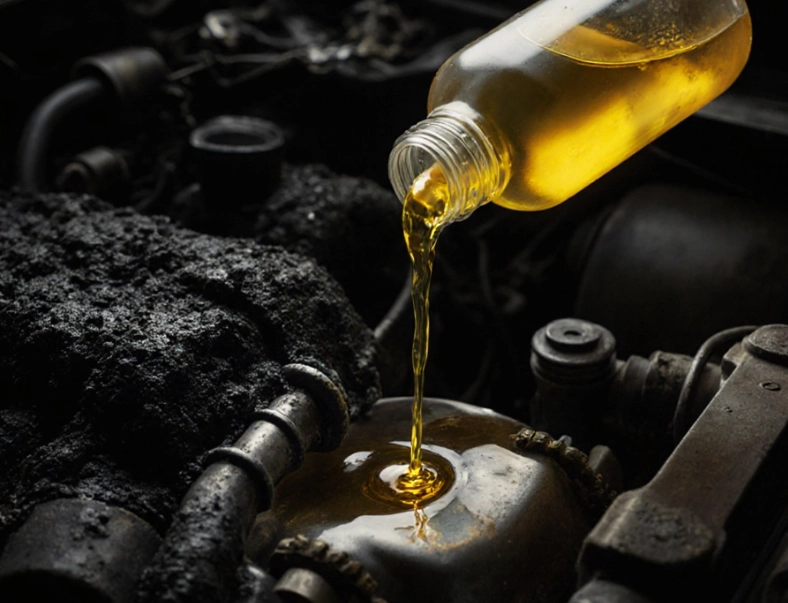
Your driving is probably "severe service." Most people's is. According to the API, severe service includes:
- Frequent short trips (under 5-10 miles, especially in cold weather)
- Stop-and-go city driving
- Driving in extreme heat or dusty conditions
- Towing or carrying heavy loads
If your driving fits any of these, consider changing your oil at the shorter of two intervals: the manufacturer's "severe service" schedule (if listed) or at 50-70% of the "normal" interval. For a 10,000-mile "normal" interval, that's 5,000-7,000 miles.
Don't just go by mileage. Time matters too. Oil degrades. Even if you only drive 2,000 miles a year, change it at least once a year. Condensation and acids don't care about your odometer.