We obsess over oil changes and tire pressure, but there's a cheap, simple part most drivers completely forget about until something goes wrong. I'm talking about your car's air filter. It's a piece of folded paper or fabric sitting in a plastic box, and it's quietly responsible for protecting your engine's heart and the air you breathe inside the cabin. Neglect it, and you're throwing away fuel, power, and potentially big repair money. Get it right, and your car runs smoother, lasts longer, and you breathe cleaner air. It's that simple.
I've seen it all in the garage – engines gasping for air because of a filter clogged with leaves and bugs, cabin fans blowing musty smells because the filter hadn't been touched in five years. The crazy part? Fixing it is often a 10-minute job you can do yourself. This guide cuts through the noise. We'll look at what air filters actually do, when to swap them, how to pick a good one, and the step-by-step to change it yourself. No fluff, just what you need to know.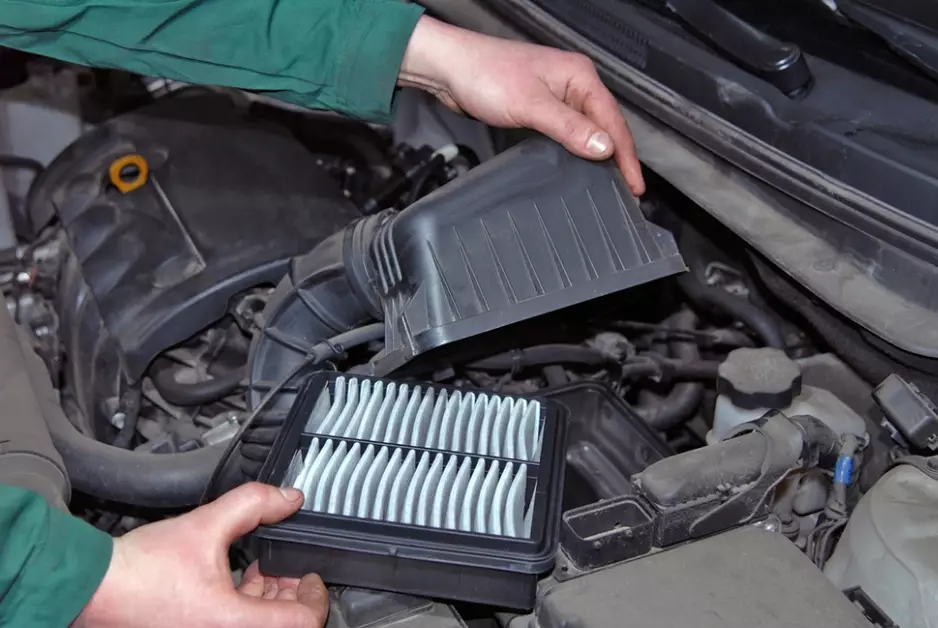
What’s Inside This Guide
- What Does a Car Air Filter Actually Do? (Two Types)
- When Should You Replace Your Car Air Filter?
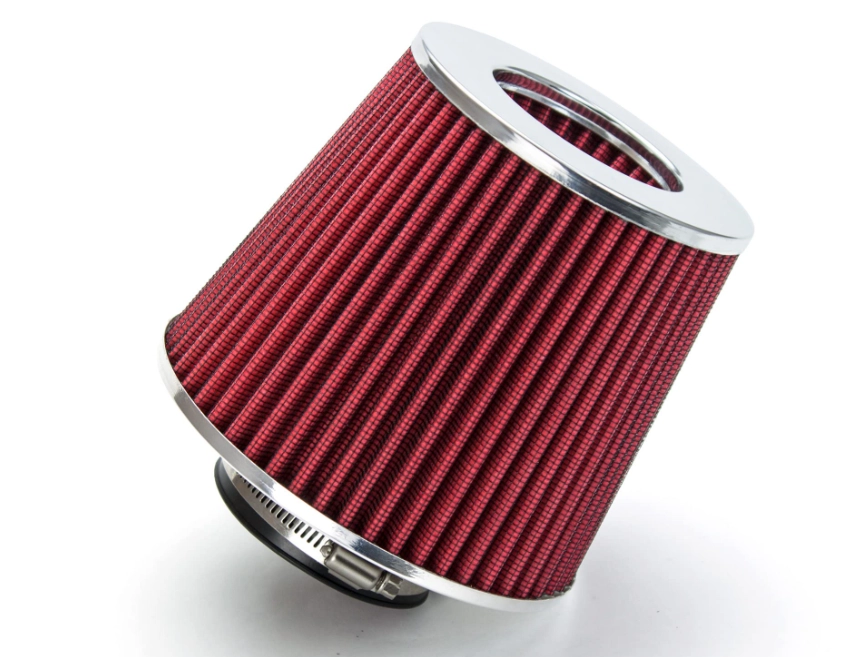
- How to Choose the Right Air Filter: Material & Brand Breakdown
- How to Change Your Car Air Filter: A Step-by-Step Guide
- Common Mistakes & Pro Tips You Won't Find in the Manual
- Your Air Filter Questions, Answered
What Does a Car Air Filter Actually Do? (Two Types)
Your car uses two main air filters, and confusing them is a common first mistake. They have completely different jobs.
1. The Engine Air Filter
Think of your engine as a giant air pump. For every gallon of fuel burned, it needs about 10,000 gallons of air. The engine air filter's job is to make sure that air is clean before it gets sucked into the combustion chambers. It traps dust, pollen, sand, and debris. A clean filter lets air flow freely. A dirty one? It's like trying to breathe through a wet towel. The engine has to work harder, which wastes fuel and robs power. Over time, fine grit that gets past a worn filter acts like sandpaper on cylinder walls and valves. The U.S. Environmental Protection Agency notes that a clogged air filter can reduce acceleration by 6-11%.
2. The Cabin Air Filter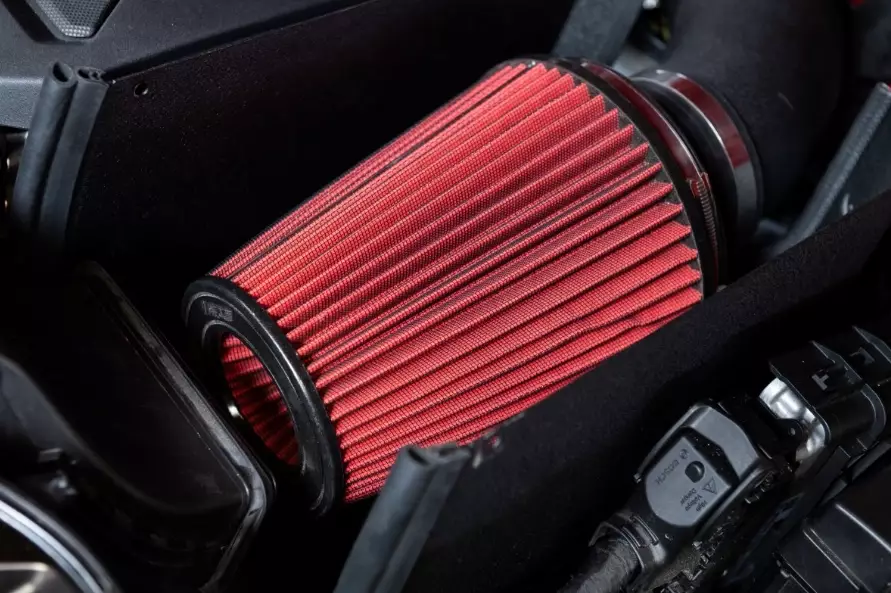
This one is for you, not the engine. It's usually located behind the glove box or under the dashboard. Every time you turn on your fan or AC, outside air passes through this filter before entering the cabin. A good cabin air filter catches pollen, dust, smog, and even some bacteria and mold spores. A bad or missing one means you're breathing whatever is on the road directly. If you start sneezing in the car or notice a musty smell when the AC kicks on, this filter is culprit number one.
When Should You Replace Your Car Air Filter?
Forget the old "every 12,000 miles" rule. It's useless. Your replacement schedule depends entirely on where you drive.
Pulling a filter out and holding it up to a light is the only real way to know. Can you see light through it? If not, it's time. Here’s a more practical guide based on environment:
| Your Driving Environment | Engine Air Filter Check | Cabin Air Filter Check |
|---|---|---|
| City / Suburban (Paved roads, moderate traffic) | Every 15,000 - 30,000 miles or 2 years. | Every 15,000 miles or once a year before pollen season. |
| Dusty / Rural (Dirt roads, construction sites, farmland) | Every 10,000 - 15,000 miles. Check every oil change. | Every 10,000 - 12,000 miles. Dust clogs these fast. |
| Stop-and-Go Traffic (Heavy congestion, lots of idling) | Closer to 15,000 miles. The engine is constantly pulling in exhaust particulates from other cars. | Every 12 months. You're surrounded by other vehicles' emissions. |
Symptoms of a Dirty Filter:
- Engine: Reduced gas mileage, sluggish acceleration, rough idle, a black sooty exhaust, or even an illuminated check engine light (code P0171 for system too lean is common).
- Cabin: Weak airflow from the vents, persistent musty or dusty odors, increased window fogging, or more allergy symptoms while driving.
I had a customer complaining of a 3 MPG drop in his pickup. We checked everything – plugs, sensors, tire pressure. The issue? A filter so packed with cottonwood seeds it looked like a pillow. A $20 fix restored his fuel economy.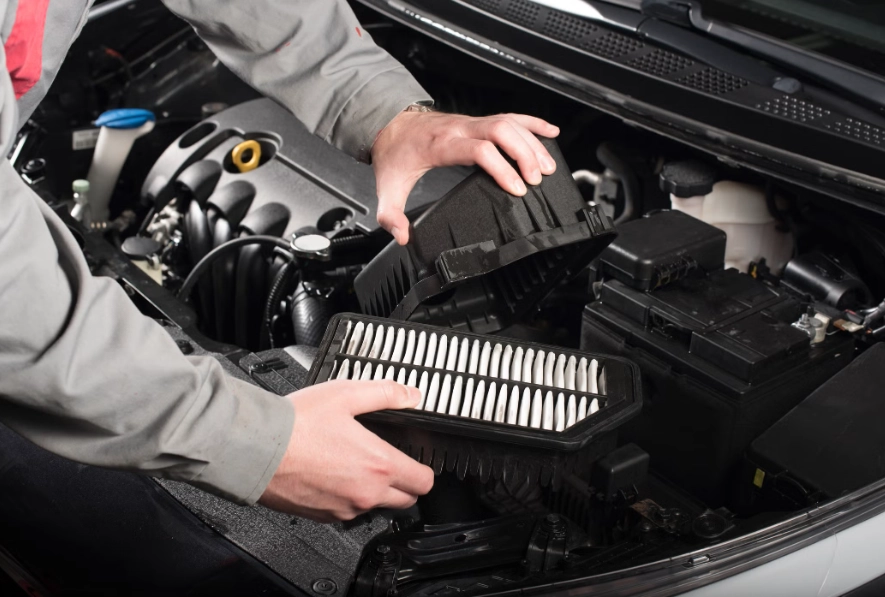
How to Choose the Right Air Filter: Material & Brand Breakdown
Walk into an auto parts store and you'll see a wall of choices. Don't just grab the cheapest one. The material matters.
Filter Media Face-Off
| Material | Best For | Pros | Cons / Watch Outs |
|---|---|---|---|
| Standard Paper (Cellulose) | Most drivers. OEM standard. | Excellent filtration, affordable, disposable. | Can collapse if soaked (e.g., driving through deep puddles). Less durable in extreme conditions. |
| Oiled Cotton Gauze (e.g., K&N style) | Enthusiasts, some performance applications. | Reusable, can allow slightly higher airflow when clean. | Requires periodic cleaning & re-oiling. Over-oiling is a huge problem and can ruin your MAF sensor. Filtration for fine dust can be worse than paper. |
| Synthetic (Blended) | Drivers in very dusty or wet conditions. | More durable than paper, better water resistance, often lasts longer. | More expensive than basic paper filters. |
| Activated Carbon Cabin Filter | Anyone concerned with odors and gases. | Traps smells, exhaust fumes (NOx, SOx), and VOCs in addition to particles. | Costs more than a basic particulate cabin filter. |
My take? For the engine, a high-quality paper or synthetic filter from a major brand (like Wix, Bosch, or Mann) is the sweet spot for reliability and protection. For the cabin, spend the extra $5-$10 on an activated carbon filter. The difference in air quality, especially in traffic or near industrial areas, is noticeable.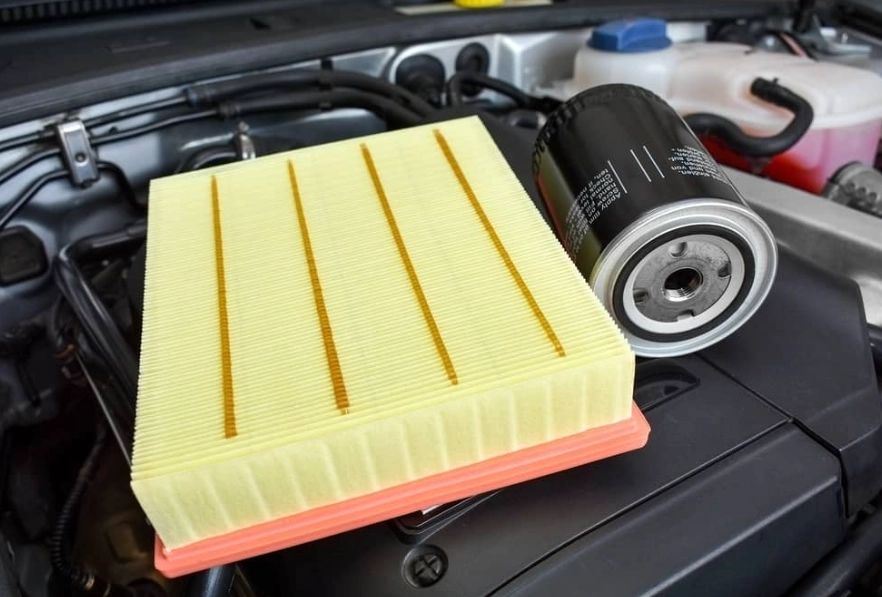
How to Change Your Car Air Filter: A Step-by-Step Guide
This is a DIY dream job. You usually need zero tools, just your hands.
Tools You Might Need: A screwdriver (usually Phillips head) or a socket set (less common). A vacuum cleaner or rag is helpful for cleaning the air filter housing.
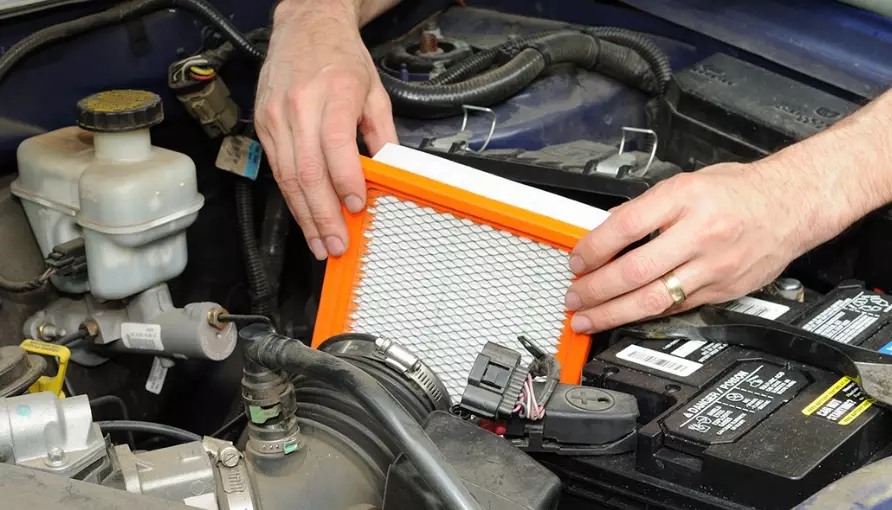
Step 1: Locate the Air Filter Box. Open your hood. The engine air filter lives in a large black plastic box near the front, usually with a big hose coming out of it. The cabin filter is typically behind the glove box. Consult your owner's manual for the exact location – it takes 30 seconds to look it up.
Step 2: Open the Housing. For the engine filter, the box lid is held by metal clips, screws, or wing nuts. Unclip or unscrew them. For the cabin filter, you often need to empty the glove box, squeeze the sides to let it drop down, and then you'll see a small access panel.
Step 3: Remove the Old Filter. Take it out. Note its orientation! Which way does the rubber sealing edge face? Take a photo with your phone. This is the step most people mess up.
Step 4: Clean the Housing. Use a vacuum hose or a damp rag to wipe out any leaves, dirt, or debris from inside the empty air box. Do not let anything fall into the intake tube.
Step 5: Install the New Filter. Place the new filter in exactly the same orientation as the old one. Make sure the rubber seal is seated evenly all the way around. A filter installed crooked won't seal, letting dirty air bypass it completely.
Step 6: Close Up. Reattach the lid, secure all clips or screws. For the cabin filter, replace the access panel and snap the glove box back into place.
That's it. You're done. The whole process takes less time than waiting in line at a quick-lube place.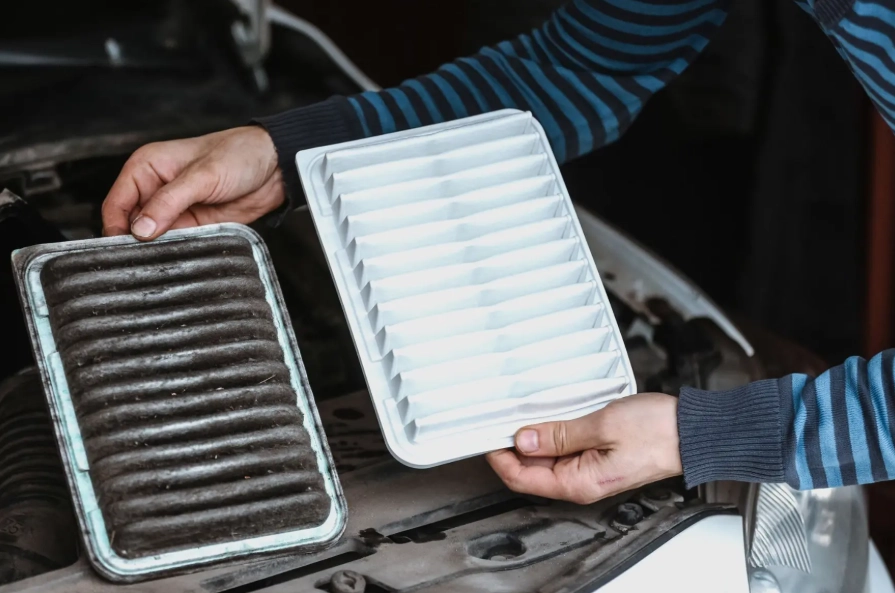
Common Mistakes & Pro Tips You Won't Find in the Manual
Here’s where that "10-year experience" perspective comes in. Everyone knows to change the filter, but few know these subtleties.
Mistake 1: Ignoring the Seal. It's not just the filter media. The rubber or foam gasket around the edge must make a perfect seal with the housing. If the housing is warped, the clip is broken, or the gasket is damaged, unfiltered air gets in. After you install it, run your finger around the edge. It should feel uniformly snug.
Mistake 2: The "Tap It Clean" Fallacy. Tapping a dirty engine filter on the ground to dislodge dust? You're knocking off the big chunks but embedding the finer, more abrasive particles deeper into the paper fibers. This actually increases restriction. For paper filters, replacement is the only proper service.
Mistake 3: Not Checking the Cabin Filter After Smells. If you've had a musty smell, changing the filter is only half the battle. Mold can grow on the evaporator coil (the AC part that gets cold). After changing the filter, run the fan on high with the AC off for 10 minutes with the windows down to help dry the system out.
Pro Tip: Buy Two. When you find the right filter, buy an extra one. Stick it on a shelf in the garage. Next time you need it, you've already done the research and you won't be tempted by a low-quality substitute because the store is out of stock.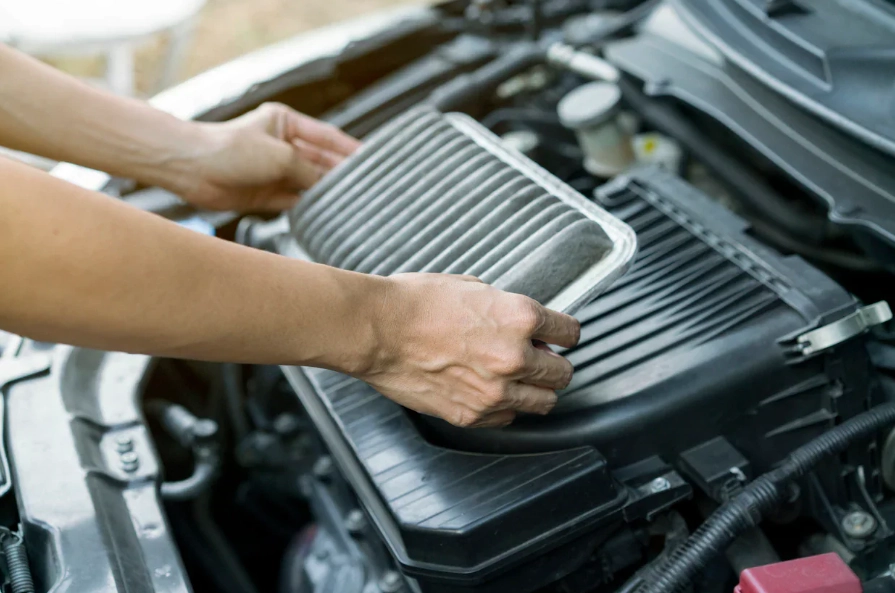
Your Air Filter Questions, Answered
 My cabin air filter looks clean, but my car still smells musty. Why?
 Let's be honest. Your car's air filters aren't glamorous. But paying a little attention to them pays off in tangible ways: a few extra miles per gallon, a bit more pep when you hit the gas, and cleaner air for you and your passengers. It's one of the easiest, most cost-effective forms of preventive maintenance you can do. Grab a flashlight, pop the hood, and take a look. Your engine (and your lungs) will thank you.