You clean the shelves, wipe down the doors, and maybe even vacuum the coils if you're feeling ambitious. But there's one tiny, hidden part of your fridge that gets ignored until things start to smell a little off—the air filter. Replacing your refrigerator's air filter isn't just a suggestion buried in the manual; it's a core maintenance task that directly impacts your food's flavor, your appliance's efficiency, and honestly, your peace of mind. I've been fixing and maintaining appliances for over a decade, and the number of people who think that filter is just for show is staggering. Let's fix that.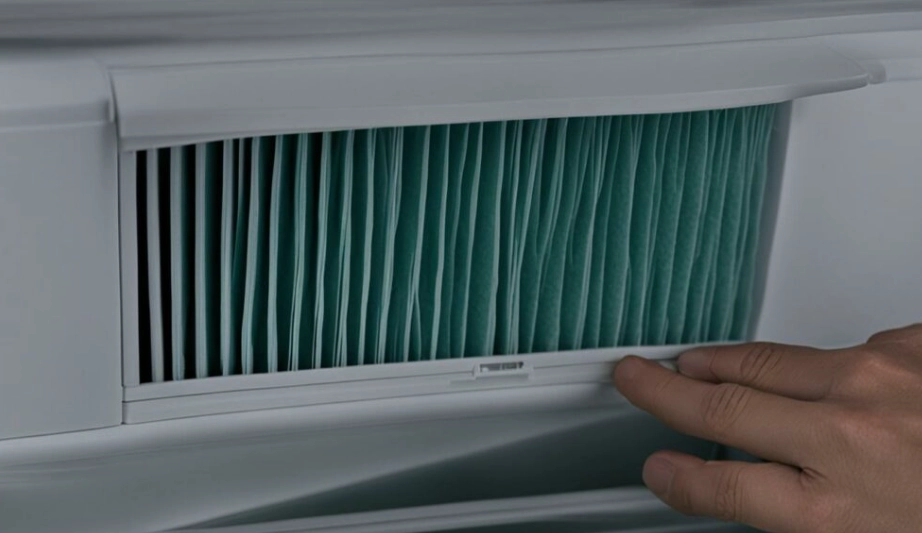
What You'll Learn in This Guide
What a Refrigerator Air Filter Actually Does (It's More Than a Deodorizer)
Most people think it's just a charcoal puck that traps onion smells. That's part of it, but the function is more nuanced. Modern refrigerators, especially French door and side-by-side models, have a closed air circulation system. The air inside gets pulled through this filter to remove:
- Odors: From strong cheeses to last week's leftovers.
- Ethylene Gas: This is a big one. Fruits like apples and bananas release this gas, which speeds up the ripening (and rotting) of other produce nearby. A good filter slows this down.
- Airborne Bacteria and Spores: While not a medical-grade HEPA filter, it helps reduce mold spores and some bacteria circulating in the moist fridge environment.
The goal isn't just a neutral-smelling fridge. It's to create a better-preserving atmosphere for your food. When the filter is clogged and spent, the air just recirculates all those contaminants. Your fridge has to work harder to maintain temperature, and your strawberries go mushy in two days.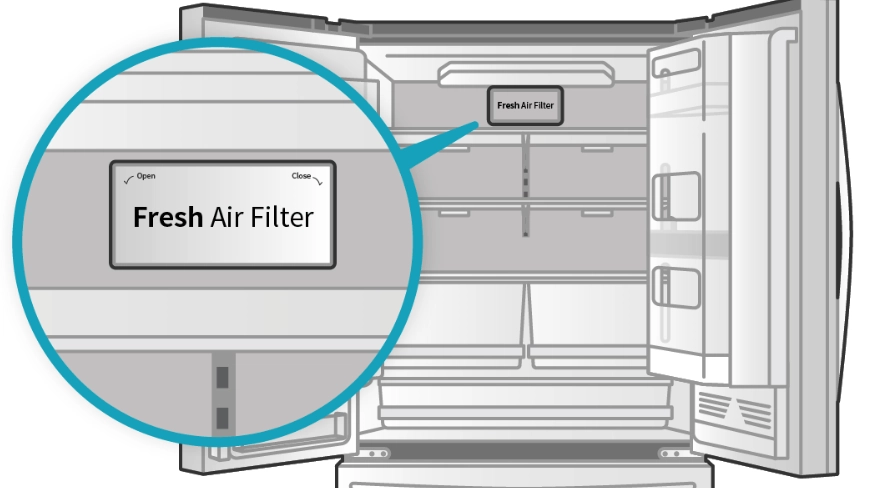
Pro Insight: That "filter reset" button or indicator light on your fridge's display isn't just a timer. It's estimating filter saturation based on runtime. Ignoring it means you're running your fridge's fan against increased resistance, which is a subtle but real drain on efficiency. The ENERGY STAR program notes that a well-maintained appliance simply runs better.
When to Change Your Refrigerator Air Filter: The 3 Signs Everyone Misses
The manual says every 6 months. That's a decent average, but it's a rule of thumb, not a law. Your actual mileage may vary wildly based on what you store. Here’s how to know it's really time.
1. The Indicator Light is On (Or You Can't Remember)
This is the obvious one. But here's the catch many miss: On some Samsung or LG models, the light comes on at 6 months regardless of use. On others, it's smarter. If your light is on, change it. If you've never seen a light and have owned the fridge for years, you likely have a filter hiding in the grille that's way past due.
2. The "Blended Smell" Test
Open your fridge. Does it have one distinct smell, or a vague, blended aroma of everything inside? A working filter should keep odors isolated. If you smell a generic "fridge smell," that's the filter failing. A more advanced test: put a box of baking soda inside. If the overall smell improves dramatically, your filter is done.
3. Your Produce is Giving Up Faster
If your lettuce is wilting and your herbs are turning slimy noticeably faster than they used to, ethylene gas might be the culprit. A fresh filter is your first line of defense.
I tell my clients: if you're questioning whether it's time, it's almost certainly time. These filters are cheap insurance.
How to Replace Your Refrigerator Air Filter: A Step-by-Step Visual Guide
This is where people get hesitant, but I promise it's easier than assembling IKEA furniture. No tools needed 99% of the time. Here’s the universal process, adapted for common locations.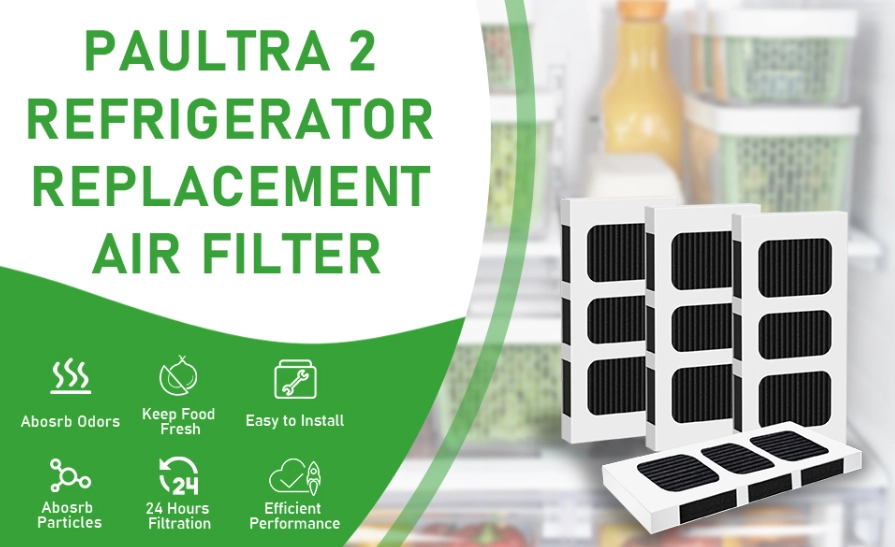
Step 1: Find the Darn Thing
Location is everything. Check your manual first, but here are the usual suspects:
- Top Interior Grille: Look at the ceiling of the fridge compartment, near the back. You'll see a small panel or grille. Push a tab or give it a gentle tug.
- Base Grille: For many bottom-freezer models (like certain GE or Whirlpool), the filter is behind the kickplate at the bottom front of the fridge. You just snap it off.
- Back Interior Wall: Less common now, but some older models have a cylindrical filter mounted on the back wall.
Step 2: Remove the Old Filter
Once you've accessed the housing, you'll usually turn the filter counter-clockwise about a quarter turn. It will unlock and you can pull it straight out. Some just pull straight out. Don't force it. If it's stuck, you're probably turning it the wrong way. Note the direction of any arrows on the old filter.
Step 3: Install the New One
Remove the new filter from its packaging. There's often a protective cover or seal over the vents—peel this off. Align it exactly as the old one came out, usually with arrows pointing in the direction of airflow (into the fridge). Push in and turn clockwise until it clicks or locks. The fit should be snug but not forced.
Step 4: The Crucial Reset
This is the step 50% of people skip, then call me confused when the "change filter" light is still on. You must reset the indicator. Methods vary:
- Hold Button: On many fridges, find the "Filter Reset" or "Reset" button (sometimes behind the control panel) and hold for 3-5 seconds until the light turns off or beeps.
- Settings Menu: On touchscreen models (common in Samsung/LG), navigate to Settings > Filter Reset.
- No Button? Some basic models automatically reset when you install a new filter with an RFID chip. If yours doesn't have a reset, just note the date on the filter itself.
Choosing the Right Filter: Navigating Compatibility, Price, and Marketing Hype
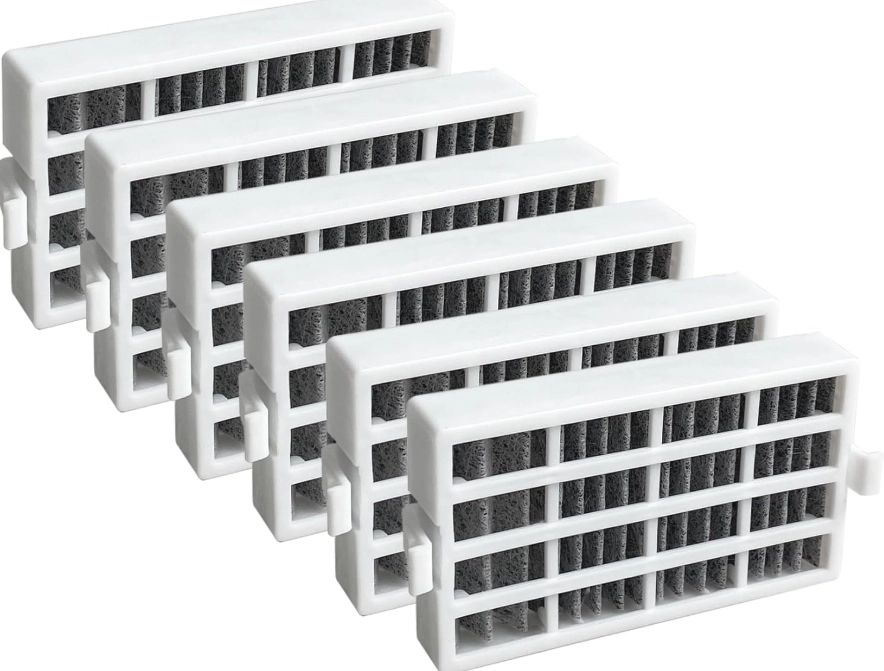
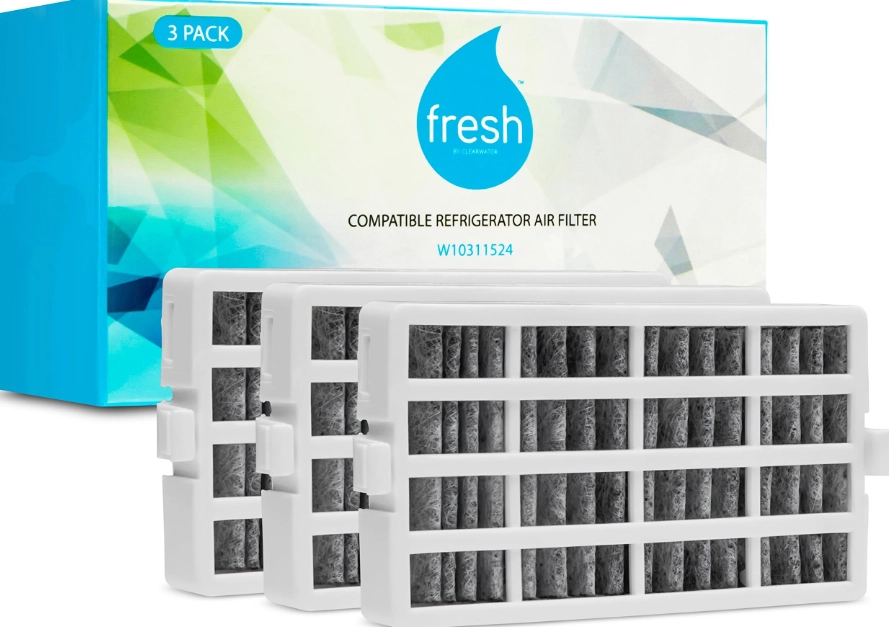
Walk into any hardware store or search online, and you're bombarded with options. OEM (Original Equipment Manufacturer) from Whirlpool, Frigidaire, etc., versus generic "compatible with" brands. Here’s my breakdown from years of seeing what works and what fails prematurely.
| Filter Type | Pros | Cons | Best For |
|---|---|---|---|
| OEM (e.g., Samsung DA97-00001A) | Guaranteed fit and performance. Often has the correct RFID chip to auto-reset indicator lights. | Most expensive. Can be 2-3x the price of generics. | Newer models with smart indicators, or if you want zero compatibility guesswork. |
| Premium Generic (e.g., EveryDrop by Whirlpool, Frigidaire PureSource) | Often made to the same specs as OEM, sometimes with added features. Good balance of price and trust. | Slightly less brand assurance than true OEM. | Most users. Offers reliability without the top-tier price. |
| Value Generic / Multi-Packs | Very low cost per filter. Great for budgets. | Quality can be inconsistent. May not last the full 6 months. Might lack RFID for auto-reset. | Older fridges without smart indicators, or if you're willing to change more frequently. |
The #1 Mistake I See: People buy a filter based on price alone, get one that's "almost" the right model, and then force it into the housing. This can break the housing latch, which is a $150+ repair. Always, always double-check your refrigerator's exact model number (on a sticker inside the fridge) and match it to the filter's compatibility list.
Look for certifications like NSF/ANSI 42, which means it's independently tested for material safety and chlorine reduction. It's a good sign of quality.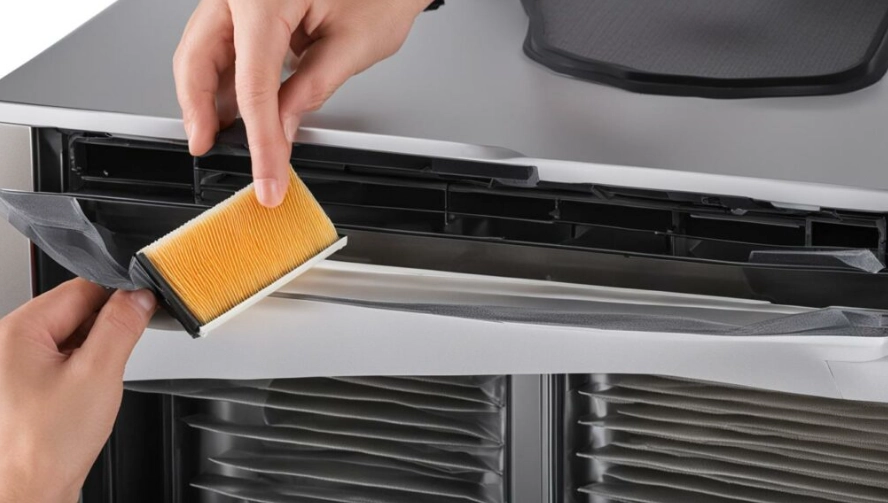
Your Refrigerator Air Filter Questions, Answered
 My fridge doesn't seem to have any air filter at all. Is that possible?
Look, at the end of the day, swapping this little filter is a five-minute, sub-$50 task that has an outsized impact. It keeps your food tasting like it should, helps your appliance run smoothly, and just makes opening the fridge a more pleasant experience. Don't overthink it. Find your model number, order a filter, and get it done this weekend. Your future self (and your groceries) will thank you.