What You'll Learn in This Guide
Let's cut to the chase: car tuning isn't just for race tracks or show-offs. It's about making your daily driver more responsive, efficient, and fun. But dive in blindly, and you'll waste money or worse, damage your engine. I've been tuning cars for over a decade, from beat-up Hondas to modern turbos, and I've seen the good, the bad, and the ugly. This guide will walk you through the essentials, focusing on practical steps and pitfalls most blogs gloss over.
What Car Tuning Really Means Today
Forget the Fast and Furious stereotypes. Modern tuning is a blend of software tweaks and hardware upgrades aimed at optimizing performance, fuel economy, or both. It's not about slapping on a giant spoiler; it's about fine-tuning your car's brain (the ECU) and its components to work better together. The goal? Get more out of what you already own. Think of it like upgrading your smartphone's OS—same hardware, smarter software.
Why bother? A well-tuned car can shave seconds off your commute with sharper acceleration, save you money at the pump, and even extend engine life if done right. But here's the kicker: most factory settings are conservative to meet emissions and reliability standards across all climates. Tuning unleashes that hidden potential.
The Four Pillars of Effective Tuning
Focus on these areas, and you'll see real results. Skip one, and your tuning efforts might fall flat.
ECU Remapping: The Digital Brain Surgery
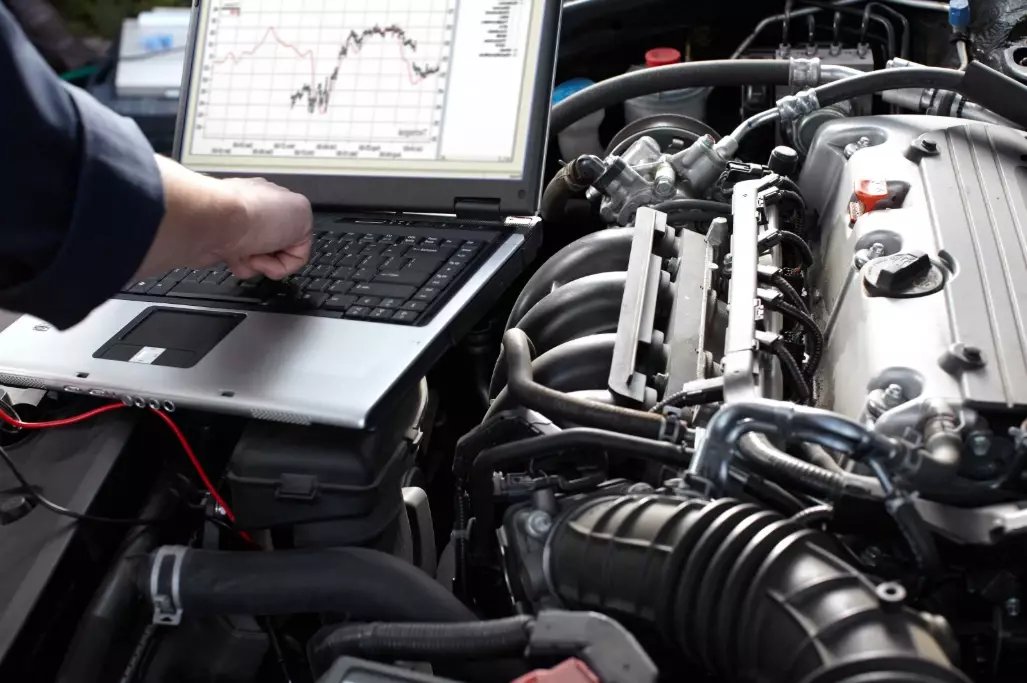
This is the heart of modern tuning. Your car's Engine Control Unit (ECU) manages fuel injection, ignition timing, and boost pressure. Remapping tweaks these parameters for more power or efficiency. There are two main types: off-the-shelf maps (cheaper, generic) and custom dyno tunes (costlier, tailored to your car). A custom tune on a turbocharged car like a Volkswagen GTI can yield 30+ horsepower gains, but on a naturally aspirated engine, expect 10-15%. The trick? Don't just chase peak power; ask for a smooth power band that feels usable in daily driving.
Intake and Exhaust Systems: Let It Breathe
Your engine needs air in and out efficiently. Upgrading the intake (like a cold air intake) can reduce restriction, while a freer-flowing exhaust lowers backpressure. But here's a nuance everyone misses: pairing these with an ECU tune is crucial. I've seen guys install a loud exhaust without a tune and gain maybe 5 horsepower—hardly worth the noise. Start with a quality intake (brands like K&N or AEM offer solid options around $300), then consider exhaust if you're chasing bigger numbers.
Suspension and Handling: Stick to the Road
More power means nothing if you can't control it. Suspension tuning—coilovers, sway bars, alignment adjustments—transforms handling. For street use, avoid ultra-stiff racing setups; they'll rattle your teeth out. A moderate lowering spring kit (e.g., Eibach or H&R) paired with upgraded shocks can improve cornering without sacrificing comfort. Cost? Around $1,000-$2,000 installed. It's an investment, but it makes driving more engaging.
Cooling and Reliability: The Unsung Hero
This is where many tuners fail. Extra power generates more heat. If your cooling system can't cope, you risk overheating and engine damage. Upgrade your radiator or add an oil cooler for sustained performance. On my turbocharged project, I skipped this initially and ended up with coolant temps soaring on hot days—a $500 radiator fix saved a potential $3,000 engine rebuild.
How to Start Tuning: A Real-World Plan
Let's say you drive a common tuner car like a 2015 Ford Focus ST. Here's a practical, budget-friendly approach.
First, set a goal. Want better fuel economy? Focus on ECU tuning and intake. Craving more power? Prioritize ECU remap and exhaust. Budget around $2,000 for noticeable gains.
Step 1: Diagnostics and baseline. Use an OBD2 scanner (like a BlueDriver, about $100) to check for existing issues. No point tuning a sick engine.
Step 2: Software first. Get a mild ECU remap from a reputable tuner (e.g., Cobb or local specialist). Expect to pay $600-$900. This alone can boost horsepower by 20% and improve throttle response dramatically.
Step 3: Hardware support. After the tune, add a cold air intake ($250-$400) and maybe a high-flow downpipe ($500-$800) if emissions laws allow. These complement the software changes.
Step 4: Suspension tweaks. Once power is sorted, upgrade to lowering springs and performance tires. This ensures you can handle the extra oomph.
Step 5: Cooling check. Monitor temperatures after mods. If you see spikes, consider a radiator upgrade.
I followed this on a friend's Focus ST, and the car felt transformed—faster, more responsive, and still reliable after 30,000 miles. Total cost: about $2,500. Cheaper than trading in for a faster car.
Pro Tip: Always tune with quality fuel. If your map is optimized for 93 octane, using 87 will cause knocking and power loss. It's a simple thing that many overlook.
Tuning Mistakes That Can Ruin Your Car
I've made some of these myself, so learn from my errors.
Mistake 1: Chasing peak numbers on a dyno. Dyno sheets look impressive, but real-world driving needs a broad torque curve. A tune that delivers power early in the RPM range feels faster day-to-day than one with a high peak horsepower that only kicks in at redline.
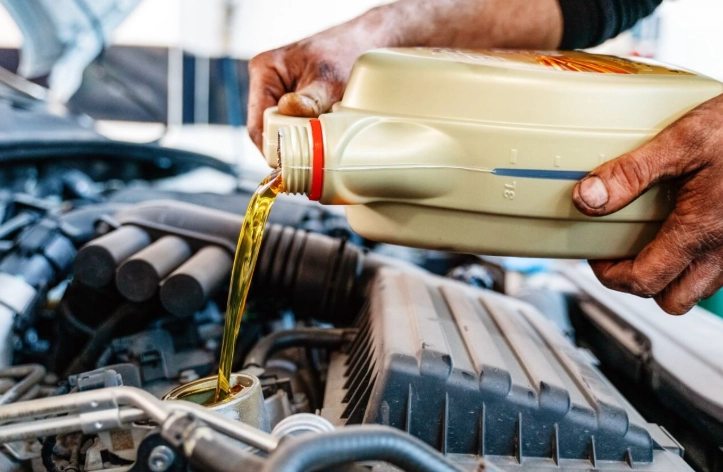
Mistake 2: Neglecting maintenance. Tuning stresses components. If you skip oil changes or ignore worn spark plugs, you're asking for trouble. Upgrade to higher-quality fluids and plugs after tuning.
Mistake 3: Going too cheap on parts. That $50 eBay intake might not filter properly, letting dirt into your engine. Stick to known brands with good reviews. I once tried a no-name exhaust that cracked within a year—false economy.
Mistake 4: Ignoring drivability. Some aggressive tunes cause rough idling or poor cold starts. A good tuner will refine the map for smooth operation. Test drive before finalizing.
Mistake 5: Forgetting about legality. Emissions laws vary. In places like California, modifying emissions-related parts (like catalytic converters) can lead to fines. Check local regulations. A tuner familiar with your region can suggest compliant mods.
Here's a quick table summarizing costs and benefits for common mods, based on a typical four-cylinder turbo car:
| Modification | Estimated Cost | Performance Gain | Best For |
|---|---|---|---|
| ECU Remap | $500 - $1,500 | 10-30% HP, better throttle | Overall improvement |
| Cold Air Intake | $200 - $500 | 5-10 HP, sound enhancement | Throttle response |
| Cat-Back Exhaust | $800 - $2,000 | 5-15 HP, weight reduction | Sound and minor power |
| Coilover Suspension | $1,000 - $3,000 | Improved handling | Cornering and stance |
| Intercooler Upgrade | $400 - $1,200 | Consistent power in heat | Reliability in hot climates |
Answers to Your Burning Questions
Tuning isn't a magic bullet, but with a thoughtful approach, it can breathe new life into your car. Start small, prioritize software, and always consider reliability. Whether you're after a few extra miles per gallon or a track-ready beast, the key is balance. Now go out there and make your drive better—safely and smartly.