You turn the key. The dashboard lights up like a Christmas tree. The radio works. But when you go to start the engine… nothing. Just a click, a groan, or worse, complete silence. It's one of the most frustrating and common car problems: having electrical power but the car refusing to start.
I've been a mechanic for over a decade, and I see this multiple times a week. The good news is, this symptom narrows things down considerably. You've got power from the battery, so we can rule out a completely dead battery right away. The problem lies somewhere between that key turn and the engine firing. Let's walk through exactly what's happening and how to find the culprit.
What's Inside This Guide?
Why Won't My Car Start? The Core Problem Explained
Think of starting your car as a chain of events. Power from the battery must flow through several critical checkpoints to command the starter motor to spin, which then turns the engine over. Simultaneously, the engine needs fuel and a spark to actually run. A break in either chain causes a no-start.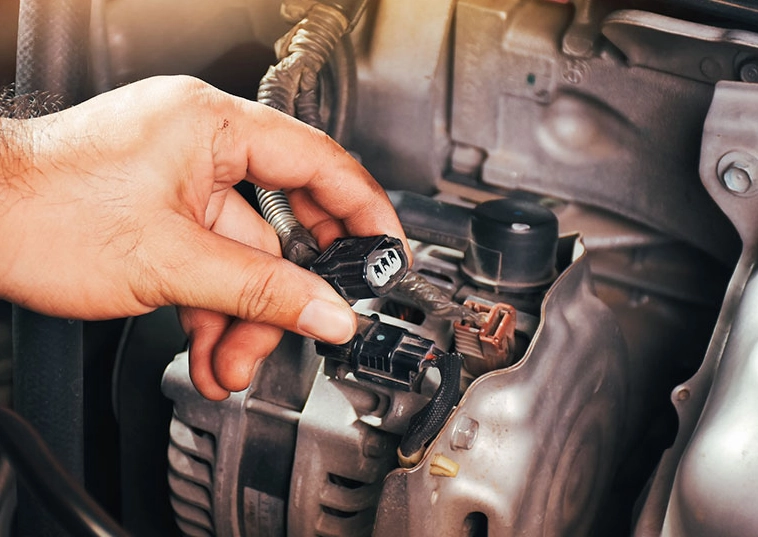
When you have dash lights but no start, we're usually looking at a break in the starting circuit. This includes the ignition switch, starter solenoid, starter motor itself, and all the wiring and fuses in between. Less commonly, the engine cranks (turns over) but won't fire—that points to the fuel or ignition systems.
Listen closely to what it does (or doesn't do) when you turn the key. That sound is your first major clue.
| What You Hear (or See) | Most Likely Culprit | Quick Check |
|---|---|---|
| Single loud click, then nothing. | Starter motor/solenoid is stuck or has internal fault. Battery may be weak. | Try tapping the starter lightly with a hammer while someone turns the key. |
| Rapid clicking sound, dash lights dim. | Weak battery or poor battery connections. Not enough power to engage starter. | Clean battery terminals. Try jump-starting. |
| Silence. No click, no crank. Dash lights stay bright. | Ignition switch, neutral safety switch, starter relay, or anti-theft system. | Check if security light is flashing. Try starting in Neutral. |
| Engine cranks slowly but won't catch. | Weak battery, poor ground connection, or mechanical engine issue. | Jump-start. If it starts, battery or alternator is the issue. |
| Engine cranks normally but won't start. | Fuel system (pump, filter), ignition system (spark), or major sensor failure. | Listen for fuel pump hum at key-on. Check for spark. |
The 8 Most Common Culprits (Ranked by Likelihood)
Based on my shop's repair logs, here are the top reasons for a no-crank, have-power situation, starting with the most frequent.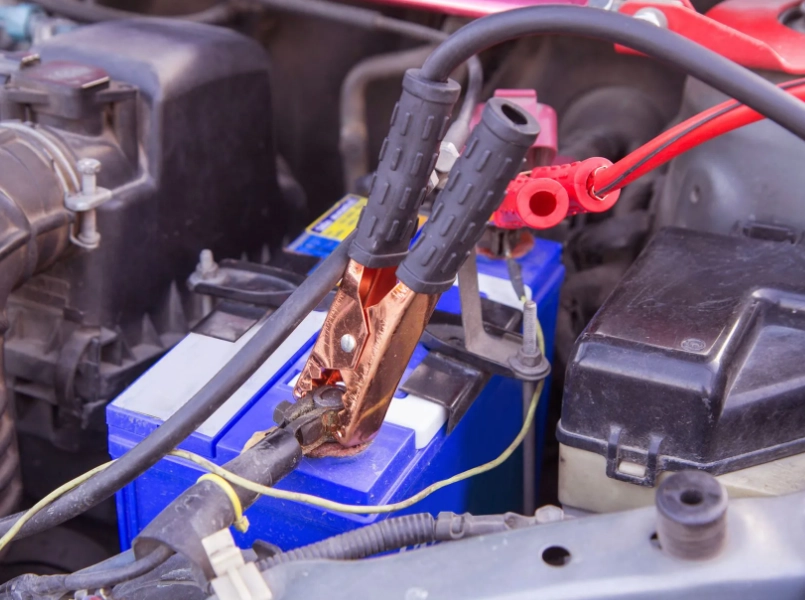
1. Faulty Ignition Switch
This is the electrical gatekeeper that sends power to the starter circuit when you turn the key. The internal contacts wear out over thousands of cycles. You might notice other weirdness—accessories that don't work in the "run" position, or the car dying while driving. Jiggling the key sometimes works temporarily. It's a common failure point that often gets misdiagnosed as a starter. The National Highway Traffic Safety Administration (NHTSA) has issued recalls for faulty ignition switches in several major brands.
2. Bad Starter Motor or Solenoid
The starter is a high-torque electric motor that physically turns the engine. The solenoid is the heavy-duty switch on top of it. When they fail, you typically get that single, solid CLICK> with no movement. A classic trick is to give the starter body a few firm taps with a hammer or wrench. This can jostle a stuck brush or armature free just enough to get one more start out of it—enough to drive to the shop.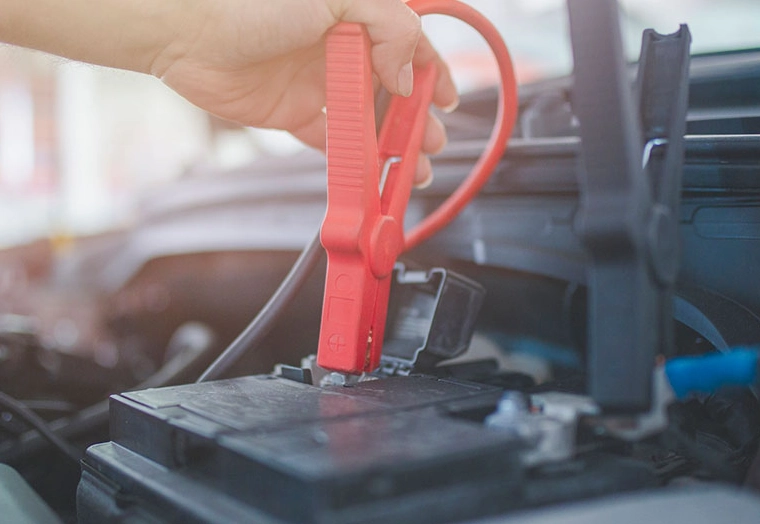
3. Anti-Theft System (Immobilizer) Glitch
Modern cars have a chip in the key that communicates with the car's computer. If it doesn't see the right code, it disables the fuel pump and/or starter. A weak key fob battery, damaged key, or faulty antenna ring around the ignition barrel can cause this. Look for a flashing security or key-shaped light on the dash when you try to start. Try your spare key. Sometimes, locking and unlocking the car with the fob can reset the system.
4. Blown Starter Fuse or Relay
It sounds too simple, but it happens. The starter circuit is protected by a fuse, and powered through a relay (a remote-controlled switch). These are cheap and easy to check. Your owner's manual will have the fuse box diagram. Swap the starter relay with an identical one from another circuit (like the horn or A/C relay) and see if the car starts.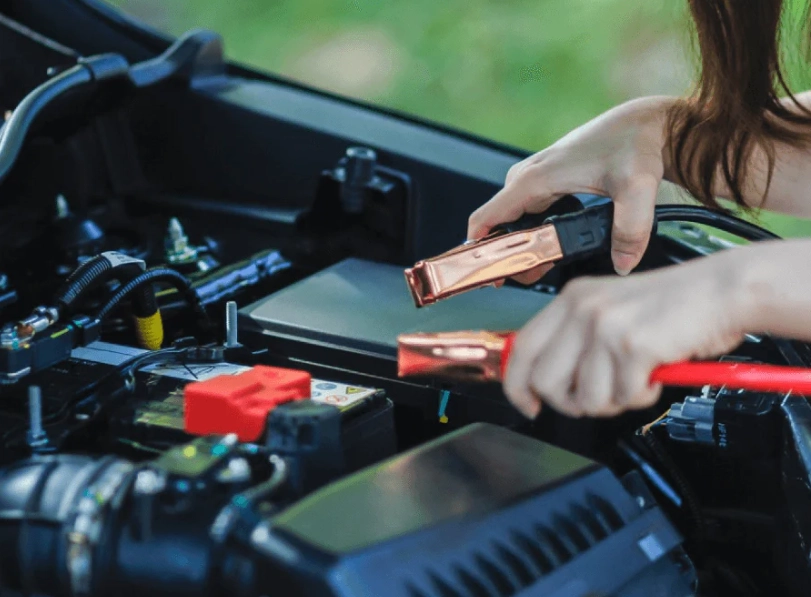
5. Faulty Neutral Safety Switch or Clutch Switch
This switch prevents the car from starting unless it's in Park or Neutral (automatic) or the clutch is depressed (manual). If it malfunctions, the car thinks it's in gear and won't engage the starter. Try starting in Neutral. For manuals, check the switch at the top of the clutch pedal; it can get out of adjustment.
6. Weak Battery or Corroded Terminals
Yes, your lights can work on a weak battery. But the starter needs ten times more power. Even slightly corroded terminals create massive resistance. The lights, needing only 10 amps, still work. The starter, needing 200 amps, gets nothing. Clean those terminals until they shine. A battery can show 12 volts but collapse under load; this requires a load test, which most auto parts stores do for free.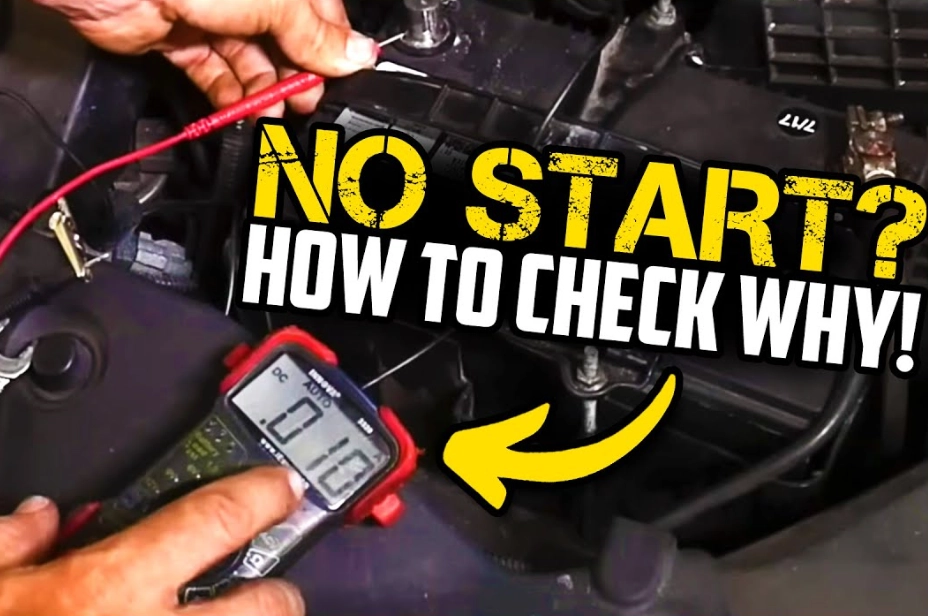
7. Bad Engine Ground Connection
Electricity needs a complete path back to the battery. The engine is grounded to the chassis by a thick braided cable. If this cable is broken or corroded, the starter can't complete its circuit. Check where the ground strap connects to the engine block and the car's frame.
8. Faulty Wiring or Connectors
Wires fray, connectors get brittle, and rodents love to chew on automotive wiring harnesses. A broken wire in the control circuit for the starter solenoid will cause a silent no-crank. This requires systematic testing with a multimeter or test light to trace the power from the ignition switch to the starter.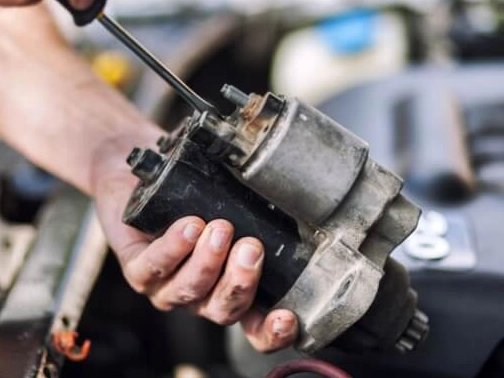
How to Diagnose a Bad Starter Motor?
Let's get hands-on. If you suspect the starter, here's a basic safe test you can do with a helper.
First, locate the starter. It's usually on the lower side of the engine, where it meets the transmission bell housing.
Find the small wire (the "S" or "start" terminal) on the starter solenoid. Have your helper try to start the car. While they do, use a multimeter set to DC volts, or a test light, to check for power at this small wire when the key is turned to "start." You should see battery voltage (12V+).
If you HAVE power at the small wire: The starter is receiving the "start" command. If it doesn't react, the starter or solenoid is almost certainly bad. The thick cable from the battery provides the muscle; the small wire provides the signal.
If you DO NOT HAVE power at the small wire: The problem is upstream. The command isn't getting through. You need to work backwards—check the relay, the ignition switch, the safety switches.
This simple test instantly tells you whether to focus on the starter itself or the car's wiring.
When the Engine Cranks But Won't Fire: Fuel & Ignition
If your engine cranks over at normal speed but just won't start running, the starter circuit is fine. Now we're in a different world of problems. The two essentials are spark and fuel.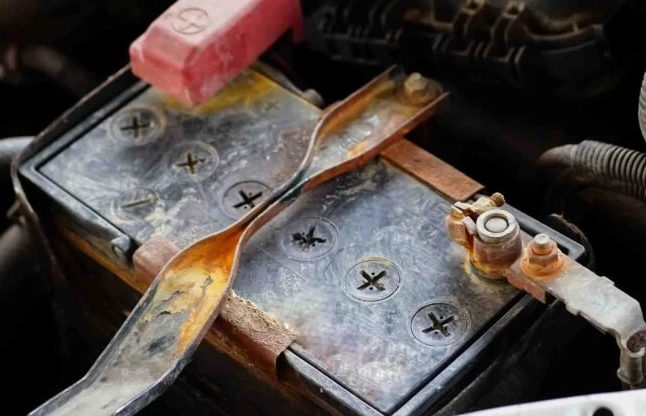
Fuel System Check: When you first turn the key to "ON" (not start), listen for a faint humming or whirring sound from the rear of the car for about 2 seconds. That's the fuel pump priming the system. No sound? Could be a dead fuel pump, a blown fuel pump fuse, or a bad fuel pump relay. The relay is a common, cheap failure point.
Ignition System Check: This is trickier without tools. A very old-school method (be careful) is to pull a spark plug wire, insert an old plug, rest it on a metal engine part, and have someone crank the engine. You should see a strong blue spark. No spark? Could be a failed crankshaft position sensor (the computer won't know when to fire the spark), a bad ignition coil, or a failed ignition control module.
Modern engines are so dependent on sensors that a failure in the camshaft or crankshaft position sensor can cause a no-spark, no-fuel situation, resulting in a crank/no-start. These often don't trigger a check engine light until after multiple start attempts.