You’ve got the new filter in hand, the old one is out, and now you’re staring into the slot wondering, "Which way does this thing go in?" Get it wrong, and you’re not just wasting money—you’re forcing your HVAC system or car engine to work harder, reducing air quality, and potentially causing damage. The correct answer is almost always simple: the arrow on the filter frame must point in the direction of the airflow. But in the real world, with cramped spaces, faded printing, and confusing cabinet designs, it’s not always that straightforward. I’ve been a home maintenance specialist for over a decade, and I’ve seen this simple step trip up more DIYers than almost any other. Let’s fix that for good.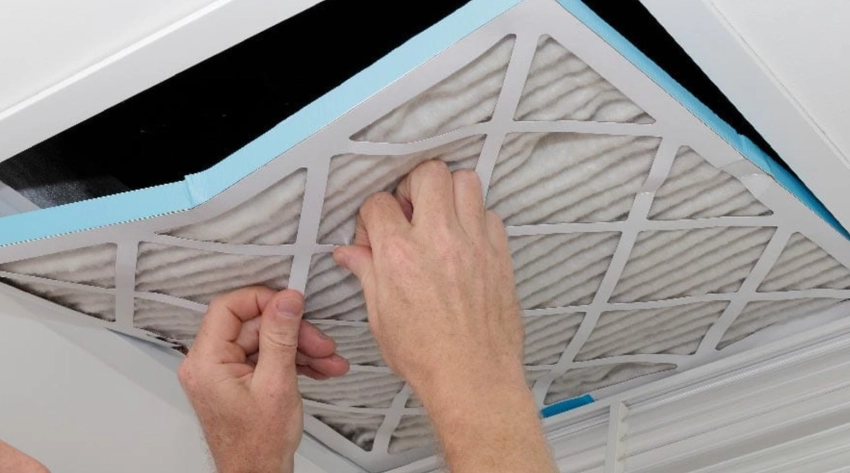
What You’ll Learn in This Guide
Why Getting the Air Filter Direction Right is Crucial
Think of a pleated air filter like a mini accordion. The filter media is designed with a specific structure. One side has a stiffer, supportive mesh or scrim (usually the downstream side), and the pleats are engineered to maximize surface area while maintaining integrity as air pushes through them in the intended direction.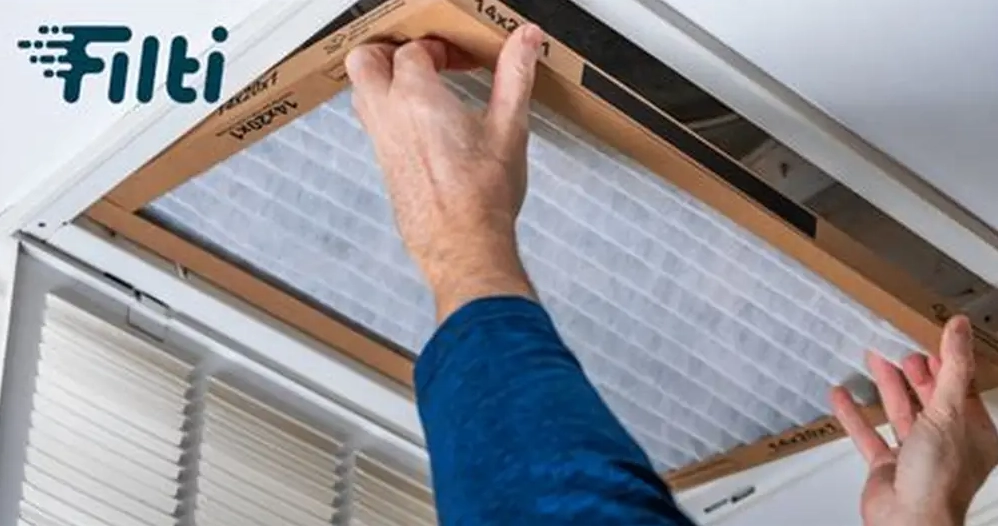
Installing it backwards flips this engineering on its head.
Airflow resistance increases. The filter isn’t as effective at catching particles, and the pleats can even partially collapse or close up. Your fan motor now has to pull air through a more restrictive barrier.
Filtration efficiency plummets. Dust, pollen, and pet dander get a free pass. A study by the Environmental Protection Agency (EPA) emphasizes that proper installation and maintenance of filters is key to improving indoor air quality. A backwards filter fails at its primary job.
System strain and cost rise. That extra strain on the blower motor or engine air intake system leads to higher energy bills and can shorten the lifespan of expensive components. It’s a slow, silent killer for your equipment.
How to Determine Air Filter Direction in 3 Simple Steps
Follow this sequence every time. It works for 99% of residential and automotive systems.
Step 1: Locate and Understand the Arrow
Find the arrow printed on the cardboard frame of the new filter. It might say "AIR FLOW" or just be an arrow. This arrow points in the direction the air should be moving THROUGH the filter. It does not point to where the air comes from. This is the most common mental hiccup. The arrow shows the journey the air takes.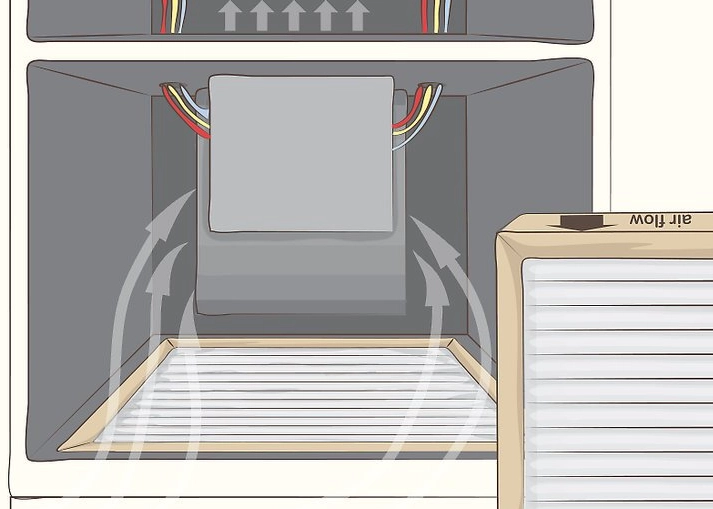
Step 2: Identify the Airflow Direction in Your System
Before you removed the old filter, you should have noted which way it was facing. If you didn’t, don’t panic. Turn the system fan on briefly (just for 10 seconds). Hold a thin piece of tissue paper or a puff of baby powder near the filter slot. Which way does it get sucked? That’s your airflow direction. In a home HVAC return vent, air is pulled into the ductwork. In your car’s engine airbox, air is pulled into the engine.
Step 3: Align and Insert
Point the arrow on the new filter in the same direction as the airflow you just identified. Slide it in smoothly. If it doesn’t fit easily, don’t force it—you might have the wrong size or be trying to put a 1-inch filter in a 4-inch slot.
System-Specific Installation Guides
The "arrow = airflow" rule is universal, but the application changes based on where the filter lives.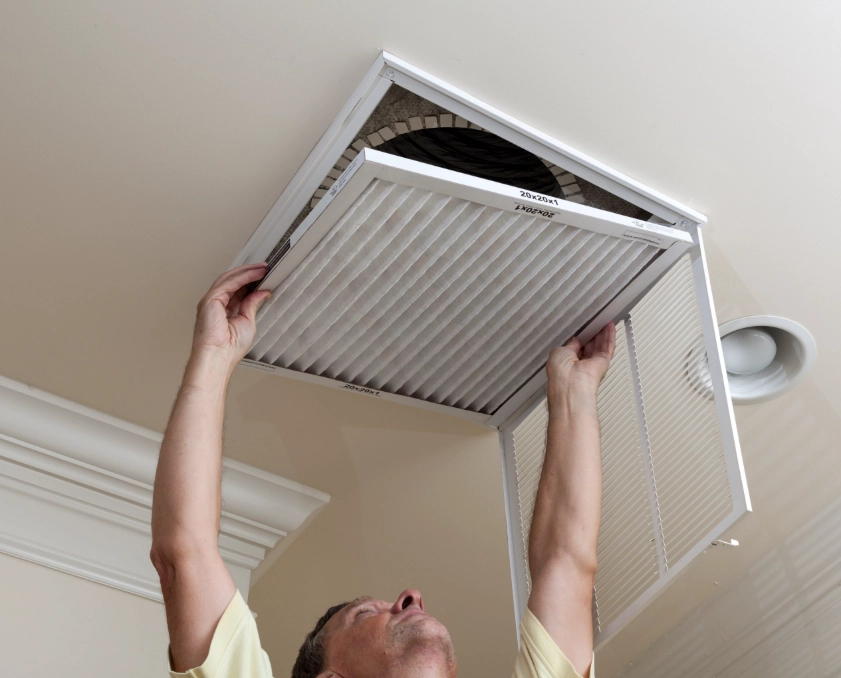
For Home Central HVAC Systems
This is where most confusion happens because filters can be in multiple locations.
In the Return Air Grille (on the wall/ceiling): Air is being pulled into the grille, toward the blower. Therefore, the arrow on the filter should point into the wall or ceiling, away from you as you stand in the room.
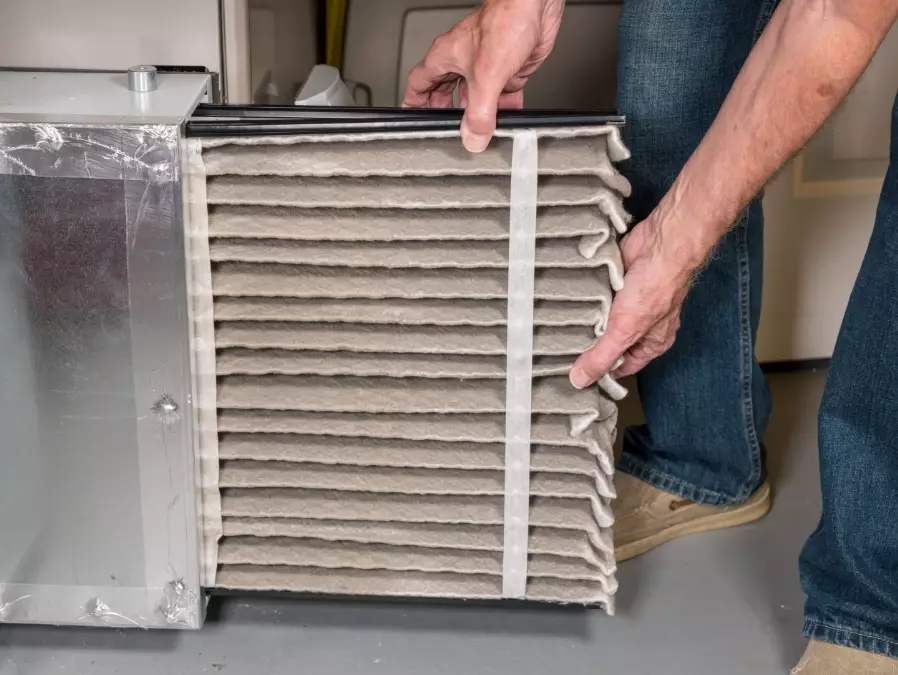
In the Air Handler or Furnace (slid into a slot): You need to know if the slot is on the return or supply side. Most commonly, it’s on the return side, right before the blower fan. The air flows from the return duct, through the filter, and into the fan. So the arrow should point toward the fan/blower. If you can see the fan, point the arrow at it.
| Filter Location | Airflow Direction | Arrow Points |
|---|---|---|
| Wall/Ceiling Return Grille | From room into duct | INTO the wall/ceiling |
| Furnace Slot (Return Side) | From return duct into blower | TOWARD the blower motor |
| In-Duct Filter Rack | Follow the duct toward air handler | TOWARD the furnace/air handler |
For Car Engine Air Filters
Easier than the house. Open the airbox (usually a plastic box near the engine). Remove the old filter. The airflow is from the outside, through the filter, and into the engine's intake manifold. The arrow on the filter frame should point downstream, toward the engine. It often points directly at the engine or follows the shape of the airbox. If there’s no arrow, look for a rubber sealing edge—it usually goes toward the back of the engine bay.
For Portable Air Purifiers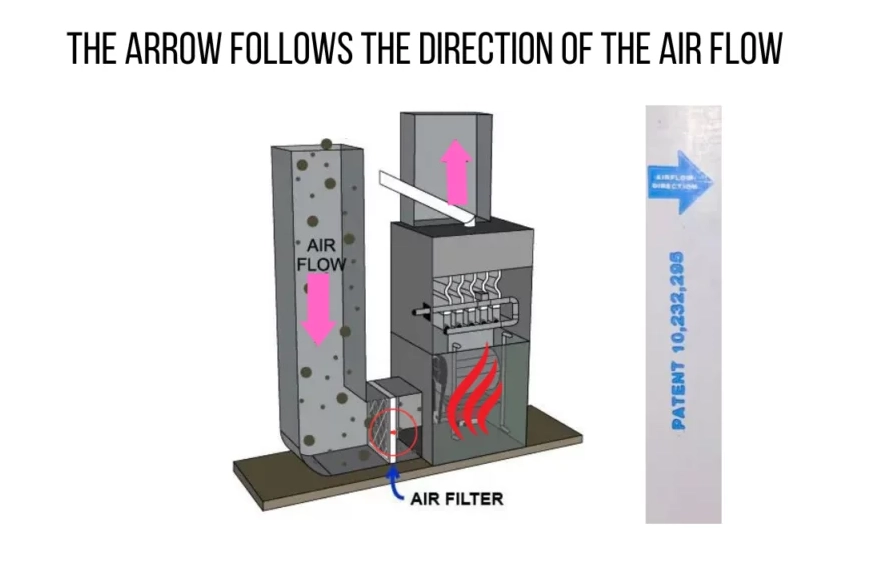
These are the simplest. Almost always, air is pulled in through the back or sides, passes through the filter(s), and is pushed out the front/top as clean air. The arrow points from the intake toward the inside of the machine. Just match the arrow direction to the diagrams in your manual.
Common Mistakes and What Happens If You Install Backwards
Let’s talk about what actually goes wrong. It’s not always immediate catastrophe, which is why the mistake persists.
The "It Fits Either Way" Trap. The filter slot is often a perfect rectangle. The filter is a perfect rectangle. It will physically fit in both orientations. This is a design flaw, in my opinion, that manufacturers should address with clearer labeling or keyed frames. Don’t let the easy fit fool you.
The "Dirty Side" Logic Error. Some people think the arrow should point to the dirty side. This is backwards thinking. The arrow points in the direction of travel. The "dirty side" is the upstream side, where the air enters the filter. The arrow points away from the dirty side, through the filter media.
Consequences of a Backwards Filter:
- Reduced Airflow: Your system struggles. You might notice weaker vents in your house or a slight loss of engine power.
- Dust Bypass: Dust cakes on the "clean" side of the filter and then gets blown into your ducts or engine because the media isn't trapping it effectively.
- Premature Failure: The filter material can deform. I’ve seen pleats get sucked into the blower fan when installed backwards in a powerful system, causing a horrible noise and immediate shutdown.
- No Obvious Sign: This is the sneaky part. Your system might run for months with a backwards filter with no dramatic failure, just slowly accumulating inefficiency and dirt where you don’t want it.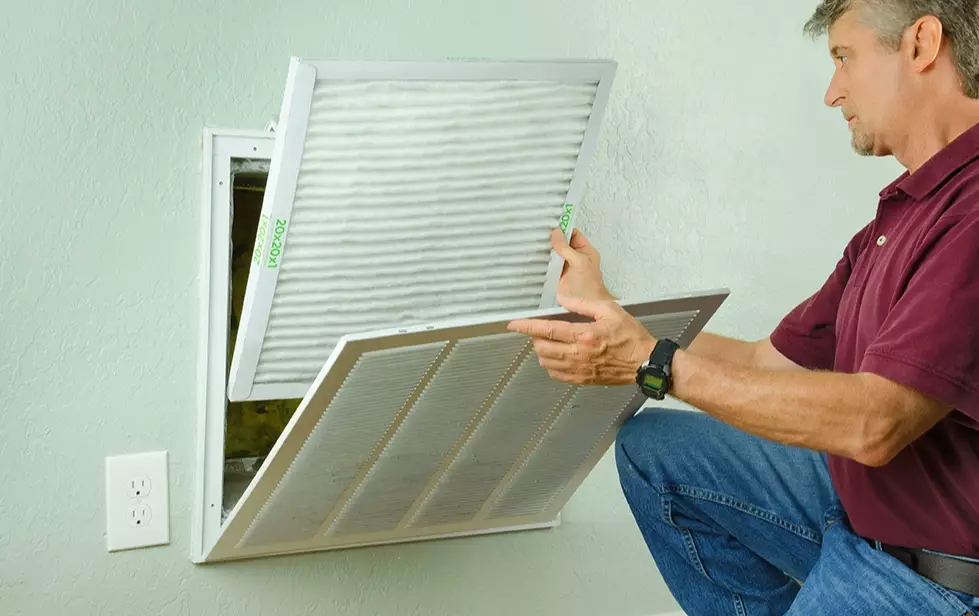
Expert Tips and Non-Obvious Pitfalls
Here’s the stuff you won’t find in the basic manuals—the lessons from a decade of field calls.
The "Arrow vs. Pattern" Check. On some cheaper filters, the printing is terrible. If the arrow is faint, look at the filter media itself. The pleated side meant to catch debris often has a slightly rougher or more textured appearance. The downstream side (where the arrow points) is frequently smoother, with a reinforcing grid. Let the filter’s physical design confirm the arrow’s direction.
Dealing with No Arrow. It happens, especially with generic brands. First, check all four sides. If truly absent, look for manufacturing clues. One side of the cardboard frame might be slightly thicker or have a different texture for sealing. The wire mesh or stiffening grid, if present, is almost always on the downstream (arrow) side. When in doubt, call the manufacturer. Guessing is a last resort.
The Double-Slot Furnace Mystery. Some older furnaces have two filter slots side-by-side. They are almost always for two identical filters that together service a large return duct. The airflow direction is the same for both—toward the blower. Install both with arrows pointing inward, at the blower.
My Personal Pet Peeve: Filter manufacturers who print "This Side Out" on furnace filters. Out of what? The room? The furnace? It’s ambiguous and causes more confusion than it solves. Always trust the arrow over any other text.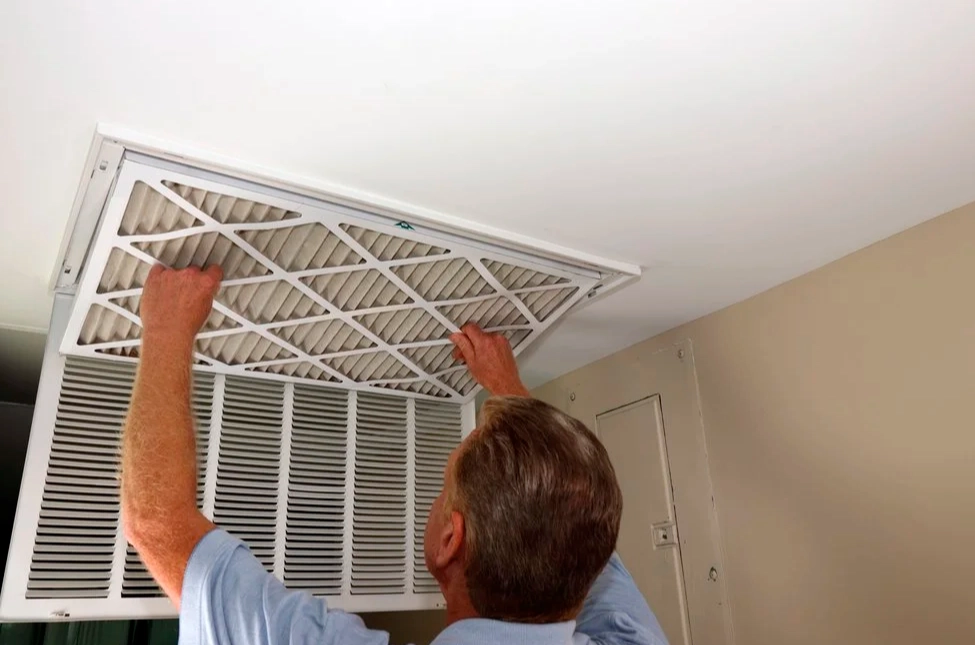
Your Air Filter Direction Questions, Answered
 How can I be 100% sure of the airflow direction if my system is off and I don't want to turn it on without a filter?