You flip the switch, hear the fan whir to life, but instead of a refreshing blast of cool air, you get... nothing. Or worse, a lukewarm breeze that does nothing against the summer heat. A non-cooling air conditioner is more than an inconvenience; it's a fast track to discomfort and soaring energy bills. Before you panic and dial the first HVAC technician you find (and their potentially hefty service call fee), know this: many of the reasons your AC isn't producing cold air are surprisingly simple to diagnose and sometimes even fix yourself.
I've been in the home comfort space for over a decade, and I can't tell you how many service calls could have been avoided with a bit of basic knowledge. The most common culprit isn't a dead compressor or a massive refrigerant leak—it's often something you can check in under five minutes. Let's walk through the logical, step-by-step process I use to pinpoint the problem, starting with the easiest and cheapest fixes.
What’s Inside: Your Quick Troubleshooting Map
The 10 Most Likely Culprits: From Simple to Serious
Think of this as a checklist. Start at the top and work your way down. You might solve your problem before you even get halfway.
1. Thermostat Tantrums
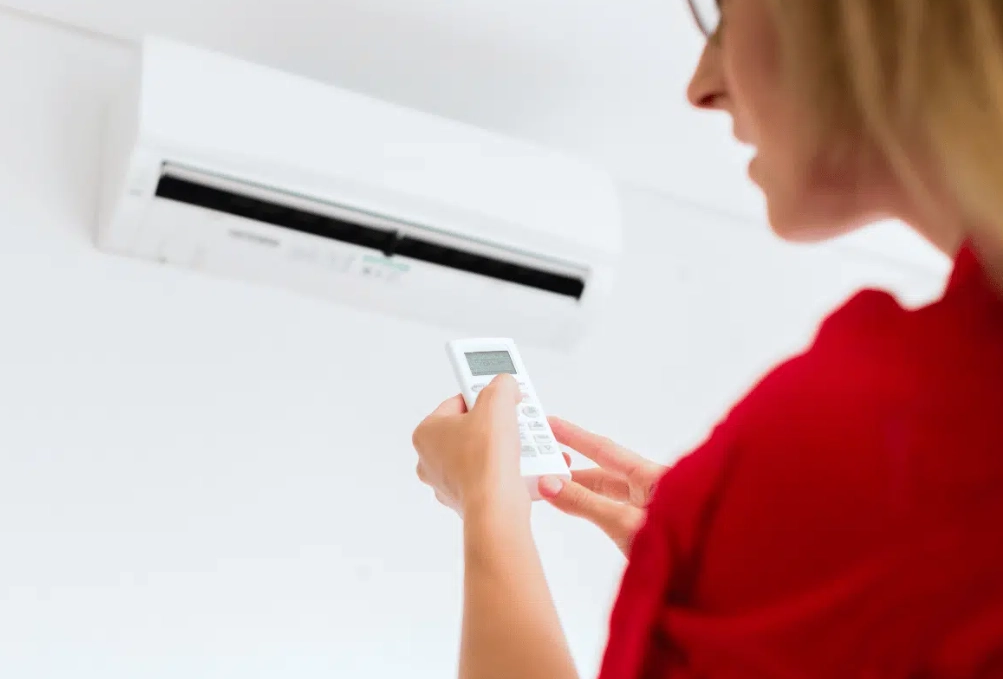
This is the classic "is it plugged in?" moment for ACs. Go to your thermostat. Is it set to "COOL" and not "HEAT" or "FAN"? Is the temperature set below the current room temperature? It sounds obvious, but with smart thermostats and family members fiddling, it happens all the time. Next, check the batteries if it's a wireless model. A low battery can cause erratic behavior, including failure to signal the AC to turn on.
2. Dirty Air Filters: The Silent Airflow Killer
This is, hands down, the number one cause of reduced cooling performance and frozen coils. A clogged filter restricts airflow over the evaporator coil inside your home. When air can't flow, the coil gets too cold, frosts over, and eventually turns into a block of ice. That ice insulates the coil, and suddenly, no cool air comes out.
My rule of thumb: Check your filter every month during peak cooling season. If it's gray and you can't see light through it, change it. For standard 1-inch filters, change every 1-3 months. For thicker pleated filters, every 3-6 months. This single habit can prevent a huge percentage of AC issues.
3. Tripped Circuit Breaker or Blown Fuse
Your air conditioner has two main power draws: the indoor fan/air handler and the outdoor condenser unit. A power surge or overload can trip the breaker for either one. If the outdoor unit's breaker is off, the indoor fan might still run, blowing warm air. If the indoor unit's breaker is off, you might get nothing at all. Head to your electrical panel and look for breakers labeled "AC," "HVAC," or "Condenser" that are in the middle or "OFF" position. Flip them fully off, then back on.
4. Dirty or Blocked Outdoor Condenser Unit
That big metal box outside needs to breathe. If it's surrounded by overgrown shrubs, piled with leaves, or caked in a thick layer of dirt and grass clippings, it can't reject heat properly. The system pressure will skyrocket, and it may shut down on a safety switch or simply fail to cool. Ensure there's at least 2 feet of clear space on all sides. Gently hose down the coil fins to clean them (with the power OFF at the breaker).
5. Closed or Blocked Vents
Walking around your house, make sure all supply vents are open and unobstructed by furniture, rugs, or curtains. Similarly, ensure return air vents (the larger ones that suck air back in) aren't blocked. The system needs balanced airflow. Closing too many vents to "direct air elsewhere" can actually raise pressure in the ducts and reduce overall system efficiency.
6. Low Refrigerant (Freon) Charge
Refrigerant is the lifeblood of your AC; it's what actually absorbs heat from your home. The system is sealed and should never lose refrigerant. If it's low, there's a leak. Symptoms include warm air from vents, ice on the copper lines or evaporator coil (often at the indoor unit), and a hissing or bubbling noise. This is not a DIY fix. Handling refrigerant requires EPA certification and specialized tools. You need a pro.
7. Frozen Evaporator Coil
As mentioned, this is often a symptom of other problems—dirty filter, low refrigerant, or low airflow. If you suspect a frozen coil (you might see ice on the copper lines entering your indoor furnace/air handler), turn the AC off at the thermostat and switch the fan to "ON." This will help melt the ice. Address the root cause (like changing the filter) before turning cooling back on.
8. Faulty Condenser Fan Motor
The fan on top of the outdoor unit blows air through the condenser coil to cool the refrigerant. If that fan isn't spinning, the unit overheats and shuts off. Go outside while the AC should be running. Is the fan spinning? If not, the motor may be seized, the capacitor (a component that gives the motor a starting jolt) may be bad, or there's an electrical issue.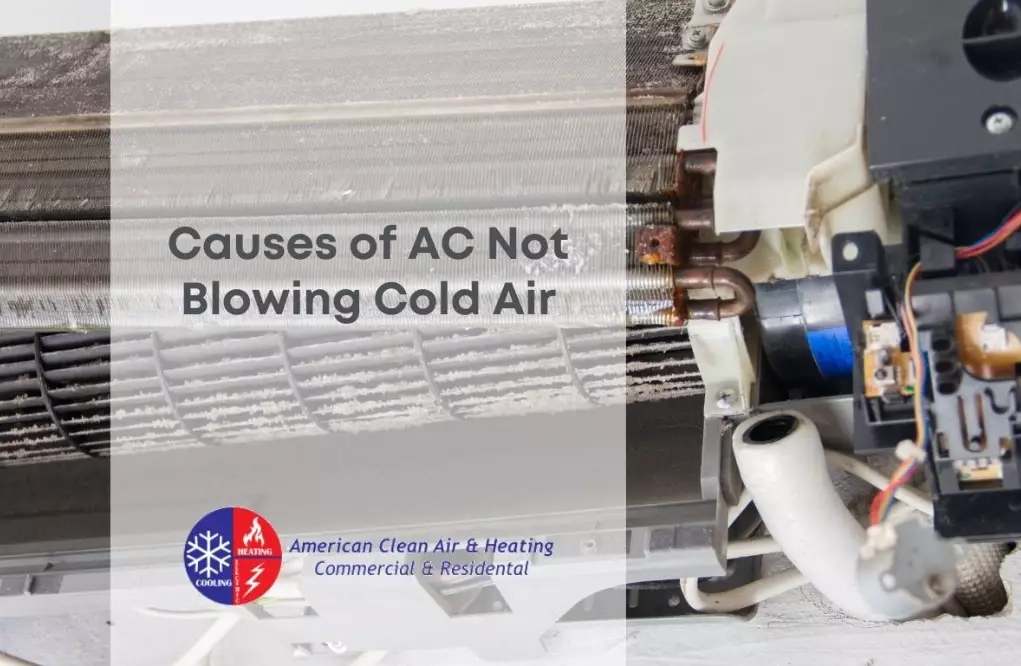
9. A Failed Capacitor
This is the most common component failure I see in older units. Capacitors help start the compressor and fan motors. When they weaken or fail, you might hear a humming sound from the outdoor unit but the fan or compressor won't start, or it may try to start and then trip the breaker. Replacing a capacitor is a relatively quick job for a technician, but it involves high-voltage electricity—not a safe DIY task.
10. Compressor Failure
The compressor is the heart of the system, pumping refrigerant. If it fails, you'll likely get little to no cooling. This is the most serious and expensive repair on this list, often leading homeowners to consider full system replacement if the unit is older. Signs include the outdoor unit humming or clicking but not starting, or tripping the breaker immediately.
How to Diagnose Your AC Problem: A Step-by-Step Walkthrough
Let's put it all together. Here’s how I’d approach it if I were standing in your shoes right now.
Step 1: The Thermostat & Power Check. Verify the settings. Flip the thermostat from OFF to COOL, set the temp 5 degrees below room temp. Listen. Do you hear the indoor fan start? If not, check the breaker panel.
Step 2: The Indoor Inspection. Find your air filter. Pull it out. Is it dirty? Replace it with a new one of the exact same size. While you're at the indoor unit (usually a furnace), listen for unusual noises. Do you hear the fan running? Can you feel any air coming from the vents, even if it's warm?
Step 3: The Outdoor Unit Investigation. Go outside to the condenser. Is it running? You should hear the fan and see it spinning. If it's silent, the power may be off or a component has failed. If it's running but sounds strained, or if the coil is visibly dirty, that's your clue. Touch the larger of the two copper pipes (the suction line) leading into the house. After 5-10 minutes of runtime, it should feel very cold and be sweating with condensation. If it's barely cool or warm, you have a refrigeration cycle problem.
| Symptom | Likely Cause | DIY Friendly? |
|---|---|---|
| No air blowing from vents | Tripped breaker, faulty indoor fan motor, thermostat issue | Maybe (check breaker/thermostat) |
| Air is blowing, but it's warm | Dirty filter/coil, low refrigerant, outdoor fan not working, capacitor | Maybe (clean filter/outdoor unit) |
| Unit is short cycling (turning on/off frequently) | Dirty filter, blocked condenser, high pressure, sensor issue | Maybe (clean components) |
| Ice on indoor copper pipes or unit | Dirty filter, low airflow, low refrigerant | Yes (thaw & replace filter) |
| Loud grinding or squealing noise | Failing fan or blower motor bearings | No |
Red Flags: When It's Time to Call a Professional
Know your limits. Electricity and refrigerant are dangerous. Call a licensed HVAC technician if:
- You suspect a refrigerant leak (hissing, ice on suction line, poor cooling).
- The circuit breaker trips repeatedly after you reset it.
- You hear loud banging, grinding, or screeching from either unit.
- You see burn marks, melted wires, or smell burning from the electrical components.
- The outdoor unit's compressor is humming but not starting.
- You've done the basic checks (thermostat, filter, breakers, outdoor clearance) and the problem persists.
A word on cost: Be wary of the technician who immediately quotes a huge repair like a new compressor without thorough testing. A reputable pro will perform diagnostics (checking pressures, electrical components, airflow) to confirm the root cause. Get a second opinion for major repairs.
Keeping It Cool: Prevention Tips to Avoid Future Headaches
The best repair is the one you never need. A little maintenance goes a long way.
Schedule an Annual Tune-up. Have a pro service your AC every spring. They'll clean the coils, check refrigerant levels, inspect electrical connections, and ensure everything is running efficiently. This can catch small problems before they become big, expensive ones.
Be a Filter Fanatic. I’ll say it again. Change. Your. Filter. Regularly.
Keep the Area Clear. Maintain that 2-foot clearance around the outdoor unit year-round. Trim back plants in the fall.
Invest in a Smart Thermostat. Beyond scheduling, many can alert you to unusual runtime patterns that indicate a problem, like running constantly without satisfying the temperature setting.
Your Burning AC Questions, Answered
 Can I just add refrigerant (Freon) myself from a kit at the store?