That temperature gauge needle creeping into the red, a plume of steam from under the hood – few driving moments spike adrenaline like an overheating engine. It’s not just an inconvenience; it’s a race against time to prevent a multi-thousand dollar repair bill for a warped cylinder head or a blown head gasket. I’ve been a mechanic for over a decade, and the single biggest mistake I see drivers make isn't technical – it's panic. This guide isn't just a list of steps. It's the calm, experienced voice telling you exactly what to do, what not to do, and why, so you can get your car cooled down and to safety without making the problem worse.
Quick Navigation: Your Roadside Guide
How to Know Your Car is Actually Overheating
Don't wait for steam. Your car gives you several warnings, and understanding them buys you precious minutes.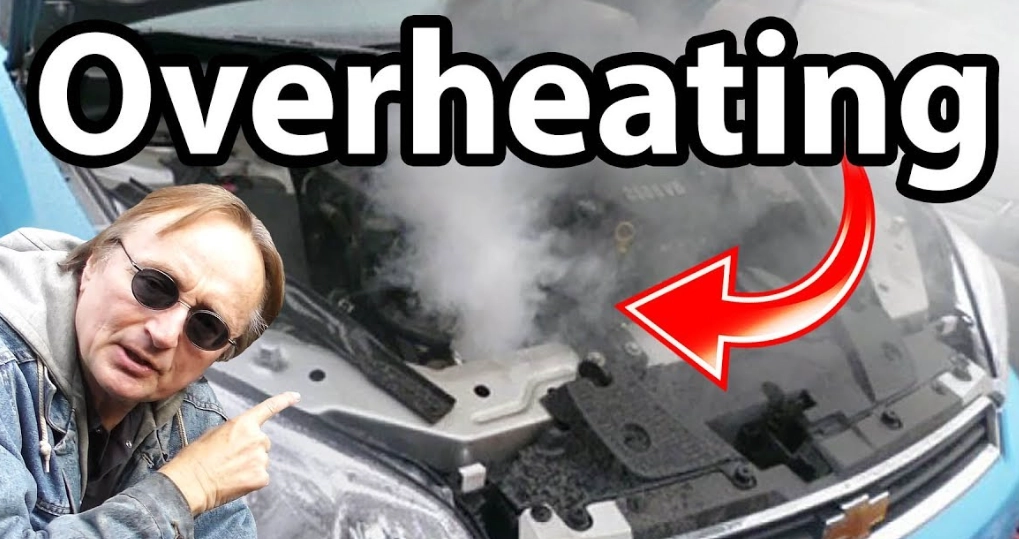
The dashboard temperature gauge is your primary guide. Normal is usually dead center. If it climbs past the 3/4 mark, you're in the warning zone. The red zone means stop now. Some newer cars replace the gauge with a blue (cold) and red (hot) light. The red light is your equivalent of the red zone.
But gauges can fail. Secondary signs are crucial:
A strange, sweet smell from the vents. That's likely coolant (antifreeze) leaking and hitting hot engine parts. It's a major red flag.
Loss of power or a sputtering engine. Extreme heat causes pre-ignition (knocking), making the engine run terribly. You might also hear pinging or knocking sounds.
Finally, the obvious one: steam or smoke from the hood. This is a late-stage symptom. By this point, coolant is boiling over and you have very little time.
The Critical First 60 Seconds: Pull Over Safely
Your instinct might be to rush to a gas station or exit. Fight it. Driving an overheating engine, even for half a mile, is the #1 cause of catastrophic damage.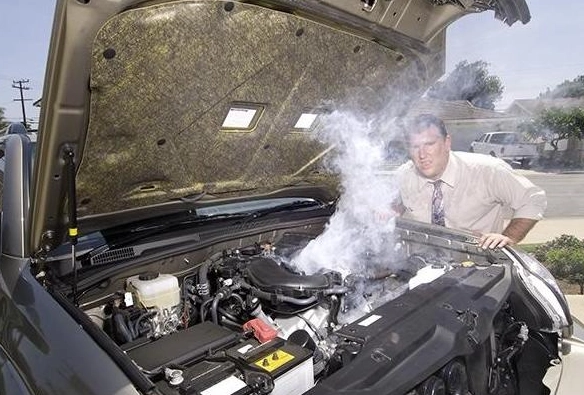
1. Turn off the air conditioning immediately. The AC condenser puts extra load on the engine and its cooling system. Switching it off reduces heat generation. 2. Turn the heater to full blast and open the windows. This sounds counterintuitive, but it's a genuine temporary fix. The heater core is a small radiator inside your dashboard. Blasting hot air pulls heat away from the engine coolant and dumps it into the cabin. It's uncomfortable but can buy you a few minutes to find a safer stopping spot. 3. Signal and pull over as soon as it's safely possible. Look for a wide shoulder, parking lot, or side street. Avoid stopping on a blind curve or a narrow bridge. 4. Put the car in park (or neutral with the parking brake on for a manual) and shut off the engine. This stops the source of the heat – combustion.
The Safe Temporary Cool-Down Procedure
Now you're safely stopped. This is where most DIY guides get it wrong, and where you can seriously hurt yourself. The goal is to cool the pressurized, boiling-hot cooling system gradually and safely.
Step 1: The Mandatory Wait (This is Non-Negotiable)
Do not, under any circumstances, immediately open the hood and try to touch the radiator cap. The system is under extreme pressure. Opening it will cause scalding hot coolant and steam to erupt violently. The American Automobile Association (AAA) emphasizes this as a primary safety hazard.
Sit for at least 30-45 minutes. Let the engine cool naturally. Turn on your hazard lights.
Step 2: The Safe Inspection
After waiting, carefully open the hood. Use a rag or your sleeve to gently lift the release latch, just in case. Look for obvious signs: puddles of coolant (green, orange, or pink fluid), a cracked or disconnected hose, a broken serpentine belt (the wide, ribbed belt at the front of the engine).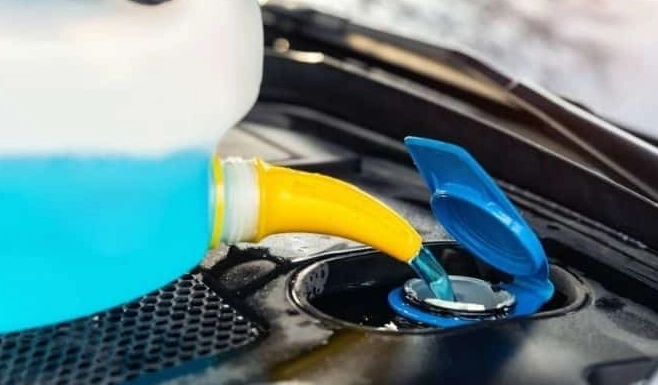
Step 3: The Temporary Coolant Refill (If You Have It)
If you see an empty or low coolant overflow tank (the plastic translucent tank, usually labeled), and you have coolant or even distilled water in your car, you can carefully add it only to the overflow tank, not the radiator.
This is a true temporary fix. It might be enough to get you to a repair shop a few miles away. Do not use plain tap water as a long-term solution, as minerals can corrode the system, but in a true emergency, it's better than nothing to manage heat.
Start the engine with the heater still on max. Monitor the temperature gauge like a hawk. If it starts climbing again immediately, shut it off – you have a more serious leak or blockage, and you need a tow truck.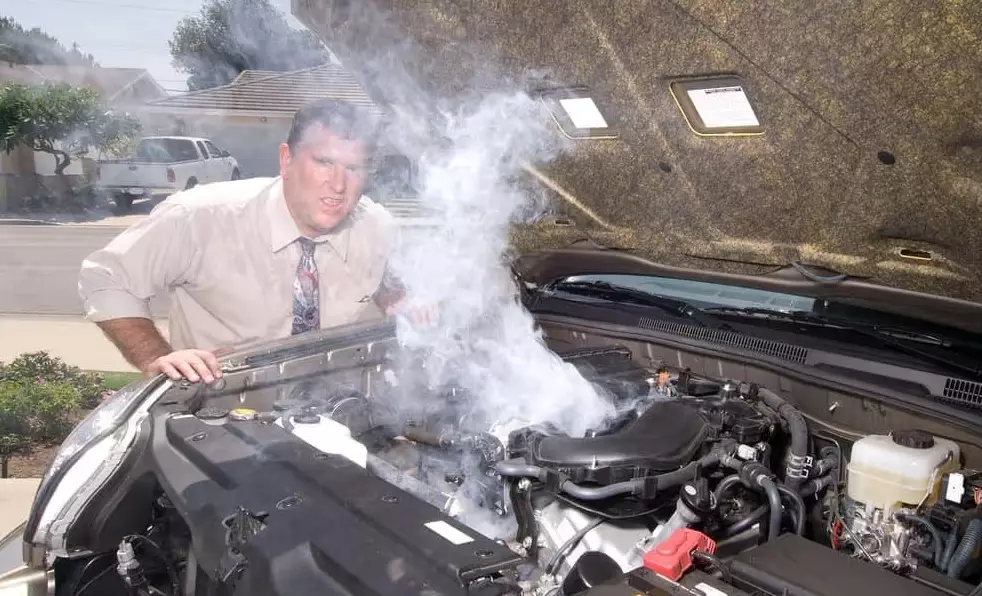
Why Did This Happen? Common Overheating Culprits
Knowing the likely cause helps you communicate with the tow truck driver or mechanic. Here’s a breakdown of the usual suspects.
| Culprit | Typical Symptoms & Scenario | Can a Temporary Fix Help? |
|---|---|---|
| Coolant Leak | Visible puddle (sweet smell), gradual temperature rise over days/weeks, frequent need to top off coolant. | Maybe. If the leak is small (like a loose hose clamp), topping off coolant might get you home. A large leak (burst hose) will require a tow. |
| Faulty Thermostat | Temperature gauge fluctuates wildly, heater blows cold intermittently, overheating in traffic but cools on the highway. | Often Yes. A stuck-closed thermostat is a common failure. After a cool-down, the engine might run okay until it heats up again. You can usually limp to a shop. |
| Broken Water Pump | Overheating accompanied by a whining or grinding noise from the front of the engine, coolant leak from the "weep hole." | Unlikely. The pump isn't circulating coolant. The engine will overheat quickly after restarting. This is a tow situation. |
| Radiator Fan Failure | Overheats only at low speeds or idle (in traffic, at a drive-thru), but temperature drops once moving. No fan noise when the AC is on. | Yes, with a strategy. You can temporarily avoid this by not idling. Keep the car moving with minimal stops to use airflow through the radiator. Get to a shop ASAP. |
| Clogged Radiator | Chronic, gradual overheating, especially under load (going uphill, towing). Coolant may look dirty or rusty. | Minimally. Cool-downs and top-offs are very temporary. The core cooling efficiency is gone. Requires professional cleaning or replacement. |
What to Do After the Engine Cools Down
You've added coolant (maybe), and the gauge is reading normal. Now what?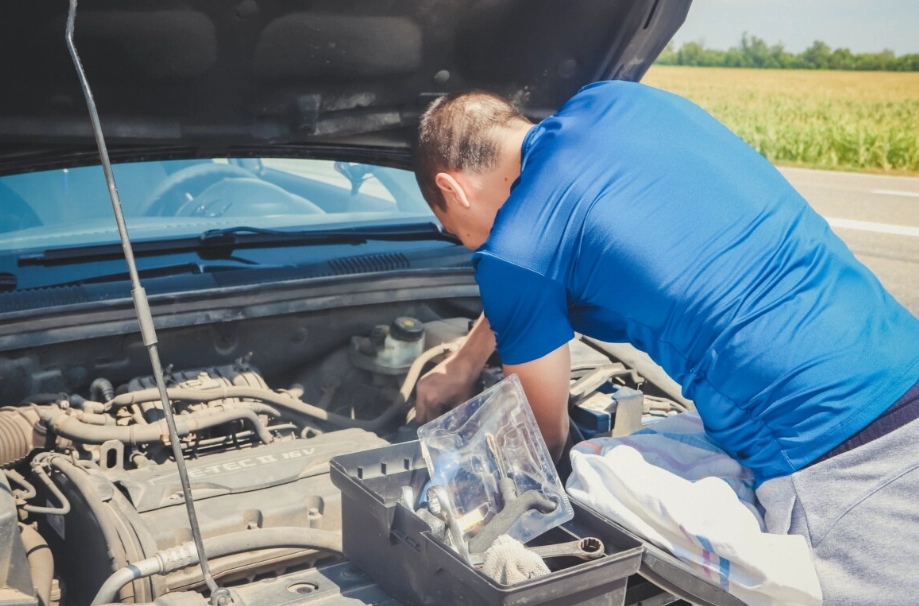
Decision Point: Drive or Tow? If the temperature stabilizes in the normal range after your temporary fix and stays there while idling for 5 minutes, you might attempt a very cautious drive to the nearest repair facility. Take back streets, avoid hills, keep the heater on, and be prepared to pull over again instantly. Have your phone ready to call for a tow.
If the temperature spikes again immediately, or if you see a major leak, hear bad noises, or just don't feel confident, call for a tow. It's cheaper than a new engine. When you call, tell them your car is overheating – some flatbed tow trucks are better for this to avoid further stress on the drivetrain.
Once at the shop, explain exactly what you did. "I pulled over immediately when the gauge hit red, waited 40 minutes, and added about a quart of coolant to the overflow tank. The heater was on full blast." This tells the mechanic you handled it correctly, and they can focus on diagnosing the root cause, not the damage caused by improper handling.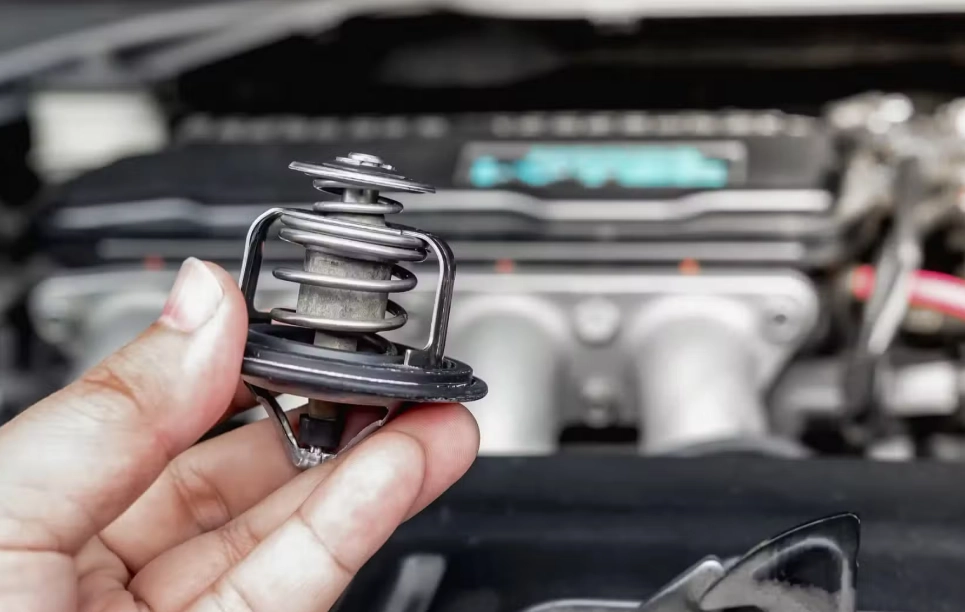
Overheating Fixes: Your Questions Answered
Can I just pour cold water on a hot engine to cool it down faster?
Absolutely not. This is a great way to crack your engine block or cylinder head. The rapid, extreme temperature change causes thermal shock. Metal expands when hot and contracts when cold. Pouring cold water creates severe stress points, leading to catastrophic cracks. Always allow for gradual, natural cooling.
My car overheated, but now it seems fine. Do I still need to get it checked?
Yes, 100%. Overheating is a symptom, not a one-time event. The underlying problem—a slow leak, a failing thermostat—is still there and will happen again, likely at a worse time. Ignoring it turns a $200 thermostat job into a $2,000 cylinder head repair after the next overhear.
Is it true that running the AC can cause overheating?
It can contribute, but it's rarely the sole cause. The AC system adds heat load to the radiator. If your cooling system is already marginal—due to old coolant, a slightly clogged radiator, or a weak fan—running the AC can push it over the edge. If your car consistently runs hotter with the AC on, that's a diagnostic clue that your cooling system needs attention, not that the AC is "broken."
I'm low on coolant but only have water. Is it okay to use?
For a temporary, emergency fix to get you to a mechanic, yes, distilled water is better than nothing. Tap water should be a last resort. Coolant (antifreeze) doesn't just lower the freezing point; it raises the boiling point and contains lubricants and corrosion inhibitors. Running on pure water for an extended period will lead to rust and scaling inside your engine. Plan to have the system properly drained, flushed, and refilled with the correct coolant mix after using water as a stopgap.
How can I prevent this from happening in the first place?
Make coolant checks part of your monthly routine, like checking tire pressure. Look at the overflow tank when the engine is cold; the level should be between the "MIN" and "MAX" marks. Have your cooling system flushed and refilled according to your manufacturer's schedule (usually every 5 years or 60,000 miles, but check your manual). Listen for unusual noises from the front of the engine, and pay attention to how your temperature gauge behaves. Preventive maintenance is infinitely cheaper than emergency repairs.