Let's cut to the chase. Transmission repair costs can swing from a manageable $1,500 to a heart-stopping $5,000 or more. I've seen folks get quotes that made them consider selling the car instead. But here's the thing—most of that variation comes from a few key factors you can actually control. After talking to mechanics and digging into repair orders, I'll show you what really drives the bill up and, more importantly, how to keep it down.
Skip to What Matters
What Transmission Repair Really Costs on Average
You search online and see numbers all over the place. That's because "transmission repair" is like saying "house repair"—it could be a leaky faucet or a collapsed roof. Based on data from sources like the National Institute for Automotive Service Excellence (ASE) and repair forums, here's a realistic range.
| Type of Repair | Average Cost Range | What's Usually Included |
|---|---|---|
| Minor Fix (e.g., solenoid replacement, fluid flush) | $500 - $1,200 | Parts, labor for accessible components, fluid change |
| Major Repair (e.g., clutch pack rebuild, valve body work) | $1,500 - $3,500 | Internal parts, extensive labor (6-10 hours), new fluid |
| Full Transmission Replacement (remanufactured unit) | $2,800 - $5,000+ | New/rebuilt transmission, labor (8-15 hours), fluids, warranty |
Notice how replacement isn't always the priciest option? A lot of shops push for it because it's faster for them, but a skilled mechanic might fix the core issue for half that. I learned this the hard way when my old Honda's transmission started slipping. The first quote was for a $3,800 replacement, but a second opinion found a worn seal that cost $900 to fix. The car ran fine for another three years.
Quick tip: Always get at least two estimates. The difference can be thousands, not just hundreds.
The 5 Big Things That Change Your Repair Bill
Why does your neighbor pay $2,000 while you're quoted $4,500? It's not random. These factors dominate the cost.
1. Your Car's Make and Model
Luxury or European cars (think BMW, Mercedes) often have transmissions that are harder to access or require specialized tools. A repair on a Ford Focus might cost $1,800, but the same job on an Audi could hit $3,500 because mechanics charge more for expertise and parts are pricier. Domestic brands like Chevrolet tend to be in the middle.
2. Automatic vs. Manual Transmission
Manual transmissions are generally simpler and cheaper to fix—think $1,000 to $2,500 for most repairs. Automatics are complex with more electronic components; a faulty torque converter or computer module can quickly add $1,000 to the bill. CVTs (continuously variable transmissions), common in newer cars, are a whole other beast; they often need full replacements costing $3,000+.
3. The Shop's Labor Rates
Dealerships charge $120 to $180 per hour. Independent shops might be $80 to $120. For a 10-hour job, that's a $400 to $600 difference right there. But don't just go for the cheapest rate—some independents have master techs who are faster and better. Ask about their experience with your specific transmission type.
4. Parts: New, Remanufactured, or Used
New parts from the dealer are expensive. Remanufactured parts (rebuilt to spec) can save 30-50% and often come with warranties. Used parts from junkyards are cheapest but risky—I'd avoid them for critical components unless you're desperate. For example, a remanufactured transmission for a Toyota Camry might cost $1,800 versus $2,500 for new.
5. Diagnostic Fees and Hidden Charges
Many shops charge $100 to $200 just to diagnose the problem. If you proceed with the repair, they often waive it. But watch out for "shop supplies" fees or extra charges for fluid disposal. Always ask for an itemized estimate upfront.
One mechanic told me a story about a customer who was quoted $2,200 for a repair. After questioning, they found a $300 "environmental fee" that was just profit padding. Got it removed.
How to Save Money: A Step-by-Step Plan
You don't have to accept the first number. Follow this plan to keep costs under control.
Step 1: Verify the Problem
Transmission issues can mimic other problems. A slipping transmission might be low fluid or a bad sensor. Before any repair, ask the mechanic to show you the diagnostic codes (using a scan tool) and explain why it's definitely the transmission. If they can't, get a second opinion. I've seen people replace transmissions only to find the issue was a $200 speed sensor.
Step 2: Choose the Right Repair Strategy
Repair vs. replace? For cars under 100,000 miles, repair often makes sense. Over 150,000 miles, a replacement might be more reliable. But consider the car's value—if it's worth $5,000, spending $4,000 on a repair is questionable. Use online tools like Kelley Blue Book to check.
Step 3: Shop Around Smartly
Get quotes from three places: a dealership, a well-reviewed independent shop, and a transmission specialist. Don't just compare totals—ask for breakdowns of parts and labor hours. Specialists might charge more per hour but finish faster, saving you money.
Step 4: Negotiate and Ask About Alternatives
Mechanics expect haggling. If one shop uses remanufactured parts, ask another if they can match it. Mention competing quotes. Also, inquire about aftermarket parts versus OEM (original equipment manufacturer); aftermarket can be 20% cheaper and just as good for many components.
Step 5: Consider Preventative Maintenance for Next Time
Change your transmission fluid every 60,000 to 100,000 miles (check your manual). It costs $100 to $200 and can prevent $2,000 repairs. Most people ignore this until it's too late.
Personal note: I saved $1,200 on my truck's repair by sourcing a remanufactured part myself and paying a mechanic for labor only. Not all shops allow this, but it's worth asking.
A Real Story: My Friend's Transmission Nightmare
Let me tell you about Sarah. She drives a 2015 Hyundai Sonata. Last year, the transmission started jerking. The dealership said it needed a full replacement for $4,200. She panicked—that's more than the car's value. Instead of agreeing, she did three things.
First, she went to an independent transmission shop. They diagnosed a faulty valve body, not the whole transmission. Quote: $1,600. Second, she checked online forums and found a common issue with her model; some owners fixed it with a software update. Third, she called Hyundai corporate and complained, citing the forum reports. They offered a goodwill repair covering 50% of the cost.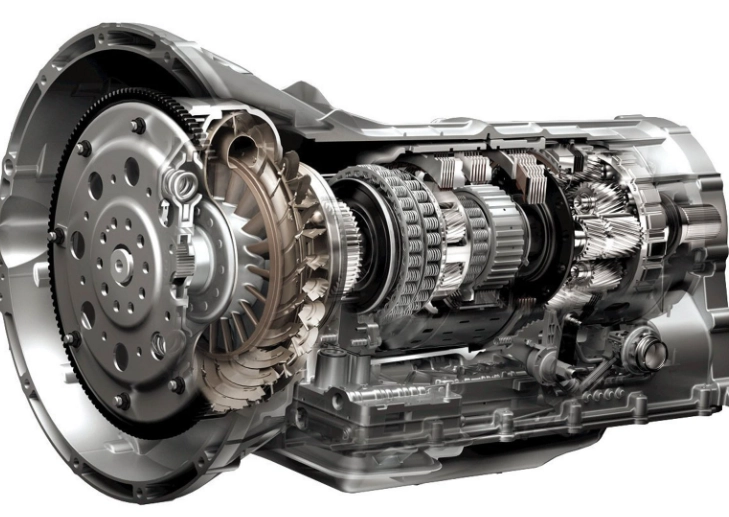
End result? She paid $800 out of pocket. The repair held up perfectly. The lesson? Do your homework and push back. Dealerships often default to worst-case scenarios.
Your Burning Questions Answered
Transmission repair costs don't have to be a mystery. By understanding the factors, shopping smart, and asking the right questions, you can navigate this stressful expense. Start with preventative maintenance, get multiple quotes, and don't be afraid to challenge recommendations. Your wallet will thank you.