That dreaded click when you turn the key. The dimming interior lights. A dead car battery has a way of ruining your day at the most inconvenient time. Knowing how to jump start a car is one of those essential driving skills, like changing a tire. But here's the thing – most guides get the subtle details wrong, and those details are what can save your car's expensive electronics. I've helped jump-start dozens of cars over the years, from old beaters to new SUVs packed with computers, and I've seen the common mistakes firsthand.
What You'll Learn in This Guide
Essential Tools and Safety Precautions (Don't Skip This)
You can't jump start a car with wishful thinking. You need a functioning vehicle with a good battery and a set of jumper cables. Not all cables are created equal.
Go for cables with at least 4-gauge thickness and 12-16 feet in length. Thin, cheap cables you find at a gas station often can't carry enough current, especially in cold weather, leaving you frustrated. The clamps should be sturdy and have strong teeth to bite into the terminal.
Non-Negotiable Safety Rules
Batteries produce hydrogen gas, which is explosive. No smoking, sparks, or open flames anywhere near either battery.
Inspect the dead battery. If you see cracks, leaks, or the casing is bulging, do not attempt a jump start. The battery is damaged and dangerous. Call for a tow or roadside assistance.
Ensure both vehicles are in Park (or Neutral for manual) with the ignition OFF and parking brakes engaged. Turn off all accessories: radio, lights, A/C.
Identify the terminals clearly. Positive (+) is usually red, marked with a "+" or a red cover. Negative (-) is usually black, marked with a "-" and is often connected to the car's chassis.
The Correct Jump Start Procedure: Step-by-Step
Imagine this: you're in a supermarket parking lot. Your car is dead. A kind stranger pulls up. Here's the exact sequence you both should follow. The order of connection and disconnection is critical to prevent voltage spikes.
1. Positioning and Preparation
Park the working car close enough for the cables to reach, but ensure the vehicles do not touch. Open both hoods and locate the batteries. Sometimes the battery is in the trunk or under a seat – check your owner's manual. Many modern cars have dedicated remote positive and negative jump-starting points under the hood because the actual battery is tucked away.
2. The Connection Order (Remember: Red to Dead First)
This is where most people get confused. Follow this mantra: Good to Dead, Red to Dead First.
Step A: Connect one RED clamp to the DEAD battery's POSITIVE (+) terminal. Wiggle it to ensure a solid metal-on-metal connection.
Step B: Connect the other RED clamp to the GOOD battery's POSITIVE (+) terminal.
Step C: Connect one BLACK clamp to the GOOD battery's NEGATIVE (-) terminal.
Step D: Connect the final BLACK clamp to an UNPAINTED METAL SURFACE on the dead car's engine block or chassis. A bolt, bracket, or the engine lifting hook is perfect. This is the ground connection and is safer than connecting directly to the dead battery's negative terminal, as it reduces the chance of sparking near battery gases.
Why ground to the chassis? That final connection often creates a small spark. By attaching it to the engine block, away from the battery, you keep that spark away from any potentially explosive hydrogen gas venting from the battery. It's a simple, often-ignored trick that adds a huge layer of safety.
3. Starting the Vehicles
Start the engine of the working car and let it run for 2-3 minutes. This allows its alternator to begin putting charge into the dead battery. Rev the engine slightly to around 1500-2000 RPM – this increases the alternator's output. Now, try to start the dead car. It might crank slowly at first. If it doesn't start within 5-7 seconds of cranking, stop. Wait another 2-3 minutes with the donor car running, then try again.
4. The Disconnection Order (Reverse of Connection)
Once the dead car is running smoothly, it's time to disconnect. Do this in the exact reverse order.
Step 1: Remove the BLACK clamp from the ground point on the car that was jumped.
Step 2: Remove the BLACK clamp from the GOOD battery's NEGATIVE terminal.
Step 3: Remove the RED clamp from the GOOD battery's POSITIVE terminal.
Step 4: Remove the RED clamp from the jumped car's POSITIVE terminal.
Keep the jumped car running. Do not turn it off.
What to Do If the Jump Start Doesn't Work
So you followed the steps and all you get is a click or a slow crank that goes nowhere. Don't panic. A jump start only fixes a dead battery. If the battery isn't the (only) problem, you need to diagnose further.
Check your connections again. Ninety percent of "failed" jump starts are due to poor connections. Are the clamps biting into clean metal, or are they just sitting on corrosion? Scrape the terminals if needed.
Listen carefully. A single loud click usually points to a starter motor issue. Rapid clicking is classic dead battery behavior – your cables might be too thin or the donor battery isn't strong enough.
Feel the cables. After a few minutes of the donor car running, are the jumper cables getting warm? If they're hot, they're too thin for the job and are resisting the current flow.
If everything seems correct and the car still won't start, the issue likely goes beyond the battery. It could be a bad starter, a failed alternator that killed the battery, or a severe electrical problem. At this point, calling for professional help is the best move.
Critical Steps to Take After a Successful Jump
You're running! The biggest mistake now is turning the car off too soon. That battery is barely charged. It's like giving a marathon runner a single sip of water.
You must drive the car, not just let it idle. Idling charges the battery very slowly. Get on a road where you can drive continuously for at least 45 minutes to an hour. Highway driving is ideal because the engine runs at higher RPMs, making the alternator work harder to recharge the battery.
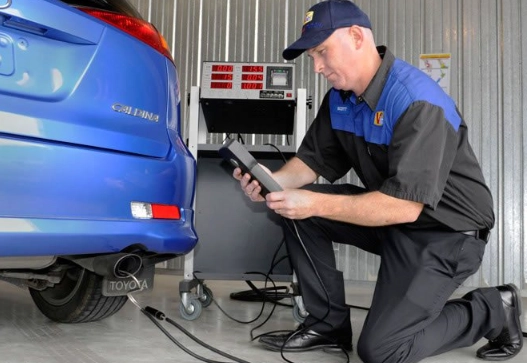
But here's the expert nuance: a jump start and a drive might only be a temporary fix for an old battery. The deep discharge can permanently reduce its capacity. The only way to know is to have the battery and charging system tested. Most auto parts stores like AutoZone or Advance Auto Parts offer this service for free. They can tell you if the battery can hold a charge or if your alternator is working properly.
Modern Alternatives to Jumper Cables
Jumper cables require a second vehicle. What if you're alone? This is where technology comes in. Portable jump starters – compact lithium-ion battery packs with built-in smart clamps – have changed the game.
| Feature | Traditional Jumper Cables | Portable Jump Starter |
|---|---|---|
| Requires Another Vehicle? | Yes | No |
| Ease of Use | Moderate (need to coordinate) | Very High (often just connect and press a button) |
| Safety | Risk of wrong connections | Safer; most have reverse polarity protection |
| Additional Functions | None | Often includes USB ports, flashlight, air compressor |
| Cost | $20-$50 | $60-$200+ |
| Best For | Budget-conscious, urban drivers | Travelers, those in remote areas, modern car owners |
I keep a portable jump starter in my trunk year-round. It's paid for itself twice over, not just for me, but for helping others in parking lots. For modern cars with sensitive electronics, the built-in safety features of a good jump starter (like NOCO or GOOLOO brands) offer extra peace of mind.
How to Jump Start a Car with a Portable Jump Starter?
The process is similar but simpler. Make sure the unit is charged. Connect its red clamp to your battery's positive, and its black clamp to a metal surface on the engine block or chassis. This is the same safety ground step. Then, turn on the jump starter (if needed), get in your car, and start it. Once it's running, disconnect the clamps in reverse order. Consult your specific unit's manual, but the principle remains: connect to power, connect to ground, start, disconnect.
Your Jump Start Questions Answered
Can jump starting a car damage the electronics or the other car?
Yes, it can if done incorrectly. The biggest risks come from reversing the cable connections (connecting positive to negative) or creating sparks near the battery, which can cause electrical shorts, fry sensitive electronics like the Engine Control Unit (ECU), or even cause the battery to explode. Modern cars with complex computer systems are particularly vulnerable. Following the correct order of connection and disconnection, and ensuring cables are securely attached to clean terminals, minimizes this risk dramatically.
Why won't my car start even after a successful jump start?
A jump start only addresses a depleted battery. If the car starts with the jump but dies immediately or won't start again on its own, the root cause is likely not the battery. The most common culprit is a failing alternator that's not recharging the battery while you drive. Other possibilities include severe corrosion on the battery terminals preventing a good charge, a parasitic drain (something left on that constantly draws power), or the battery itself being so old and sulfated that it can not hold a charge. In this case, the jump start is just a temporary fix; you need to diagnose the charging system.
How long should I drive after a jump start to recharge the battery?
This is a classic area where advice is often too simplistic. Don't just drive for 20-30 minutes and assume you're good. The key is highway driving, not city driving. Idling or stop-and-go traffic puts little load on the alternator and charges the battery very slowly. Aim for at least 45 minutes to an hour of continuous driving at highway speeds (above 50 mph). This allows the alternator to operate at its optimal output. Even then, if the battery was completely dead, it may not regain a full charge. The safest bet is to connect it to a proper battery charger overnight or have it tested at an auto parts store.