Let's be honest, most of us don't think about our wiper blades until it's too late. You're driving in a sudden downpour, and instead of a clear view, you're greeted by a messy, streaky, chattering mess that makes you squint and lean forward, trying to see through the chaos. It's not just annoying; it's downright dangerous. I've been there, white-knuckling the steering wheel because my old blades decided to give up during a summer storm. That experience is exactly why getting the right wiper blades for your car matters more than you might think.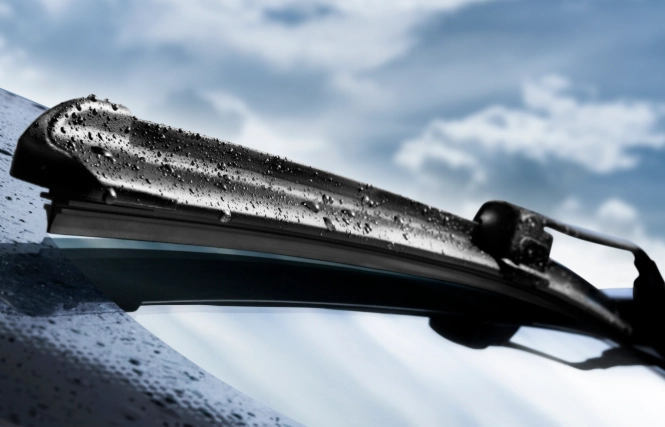
In This Guide
- Why Your Wiper Blades Matter More Than You Think
- Choosing the Right Wiper Blades for Your Car: A Buyer's Deep Dive
- How to Install New Wiper Blades on Your Car: A Foolproof Guide
- Maintenance and Troubleshooting: Making Your Blades Last
- Frequently Asked Questions About Wiper Blades for My Car
- Wrapping It Up: Clear Vision Ahead
It's not just about clearing rain. Think about morning dew, bug splatter in the summer, road spray in winter, and that fine layer of dust that seems to appear out of nowhere. Your wipers are your primary interface with the road ahead, and compromised visibility is a major safety hazard. The National Highway Traffic Safety Administration (NHTSA) consistently highlights poor visibility as a contributing factor in thousands of accidents annually. Good wiper blades are a cheap insurance policy.
But here's the rub: walking into an auto parts store or browsing online can be overwhelming. Conventional, beam, hybrid, 16-inch, 26-inch, rubber, silicone, aero-dynamic... what does it all mean? How do you know which one is the right wiper blade for your specific car? And once you have them, how do you put them on without breaking something or ending up with blades that slap against the windshield?
This guide is here to cut through the noise. We're going to walk through everything, from understanding why your current blades might be failing to picking the perfect new set and installing them like a pro. No fluff, just practical, usable information to get you a crystal-clear windshield.
Why Your Wiper Blades Matter More Than You Think
Most drivers replace their wiper blades for my car only when they become a glaring problem. That's a reactive approach. A proactive one is understanding their role and the signs of wear. It's not just a rubber strip. A modern wiper blade is a precision tool designed to maintain consistent pressure across the entire length of your curved windshield. When it's working right, you barely notice it. When it's wrong, you notice nothing else.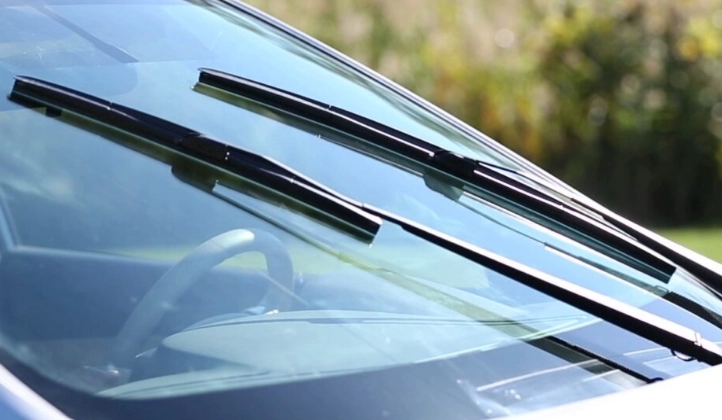
The primary job is, of course, to clear water. But it has to do so without leaving streaks, without chattering (that awful skipping/jumping sound), and without lifting off the glass at high speeds. The material must be flexible enough to conform to the windshield's curve but durable enough to resist cracking from UV rays, ozone, and temperature extremes. I made the mistake once of buying the absolute cheapest pair I could find. They lasted about six weeks before hardening and starting to screech like a banshee every time I used them. Lesson learned.
Visibility is safety. Organizations like the American Automobile Association (AAA) frequently publish maintenance guides that stress the importance of functional wiper blades as part of routine vehicle safety checks. It's a simple, inexpensive component with an outsized impact on your driving security.
Choosing the Right Wiper Blades for Your Car: A Buyer's Deep Dive
This is where people get stuck. Let's break down the three big decisions: size, type, and material.
Step 1: Finding the Correct Size
This is non-negotiable. Blades that are too long will hit the edges or the windshield trim. Blades that are too short will leave large areas uncovered. It's not one-size-fits-all.
- Check Your Owner's Manual: The most reliable source. It will list the exact measurements for both the driver and passenger side. Sometimes they are the same length, often they are different.
- Measure the Old Blades: If you're replacing existing blades, use a tape measure. Measure the metal frame (or the rubber edge) from one end to the other in inches. Round to the nearest whole inch (e.g., 21.5 inches is a 22-inch blade).
- Use an Online Fit Guide: Every major retailer (like Bosch, Rain-X, Michelin) has a vehicle-specific lookup tool on their website. You enter your car's year, make, and model, and it tells you the sizes and compatible products. This is incredibly handy and often the fastest method.
Step 2: Understanding Wiper Blade Types
This is the "conventional vs. beam vs. hybrid" conversation. Here’s a straightforward comparison to clear things up.
| Type | How It Looks & Works | Pros | Cons | Best For |
|---|---|---|---|---|
| Conventional/Traditional (Frame Blades) | The classic design with a metal frame and several pressure points. Looks like a skeleton. | - Usually the most affordable. - Widely available. - Simple design. |
- Can trap ice and snow in winter. - More parts can mean more noise and potential for uneven pressure. - Less aerodynamic, can lift at high speed. |
Older vehicle models, budget-conscious buyers, or areas with mild weather. |
| Beam/Flat Blades | Sleek, one-piece design without an external frame. The rubber is encased in a spring-steel "beam" that flexes. | - Excellent all-weather performance (sheds snow/ice easily). - More aerodynamic, quieter, less likely to lift. - Often provides more uniform pressure across the blade. |
- Typically more expensive. - May not fit all older car attachment types. |
Most modern cars, areas with harsh winters or varied weather, drivers wanting a clean look and premium performance. |
| Hybrid Blades | A mix of both worlds. They have a simplified, covered frame that gives the appearance and some benefits of a beam blade. | - Better aerodynamics than conventional blades. - Often more affordable than pure beam blades. - Good winter performance. |
- Can be bulkier than true beam blades. - Performance is mid-range. |
Drivers wanting an upgrade from conventional blades without the full cost of premium beam blades. |
My personal go-to for the last few years has been beam blades. I found the difference in winter performance alone to be worth the extra few dollars. The way they shed ice is just superior. But for my older truck, I still use a good quality conventional blade because it fits the character (and the budget) of that vehicle.
Step 3: Rubber vs. Silicone – The Material Science
This is a hotter debate among enthusiasts than you'd expect.
- Natural Rubber (The Standard): Used in probably 90% of blades. It's effective, provides a smooth wipe, and is cost-effective. The downside? It degrades relatively quickly from UV exposure, ozone, and heat. That's why most rubber blades have a lifespan of 6-12 months.
- Synthetic Rubber Blends: Most "premium" rubber blades use advanced synthetic compounds designed to resist cracking and hardening for longer. They often perform very well.
- Silicone: This is the high-end contender. Silicone wiper blades are much more resistant to UV damage and extreme temperatures. They can last two to three times longer than rubber. Some even have a property where they leave a microscopic layer of silicone oil on the glass, causing water to bead up dramatically (a "quasi-rain-repellent" effect). The trade-offs? They are usually the most expensive option, and some drivers find them slightly noisier or less smooth on a dry windshield.
Is silicone worth it? If you live in a very sunny, hot climate or just hate changing blades often, absolutely. For the average driver, a high-quality synthetic rubber blade from a reputable brand is a fantastic choice. Don't cheap out on the material—it's the part that actually touches your glass.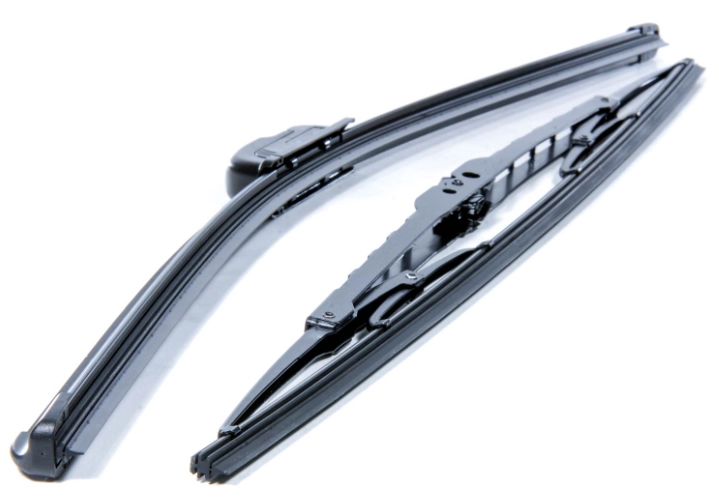
How to Install New Wiper Blades on Your Car: A Foolproof Guide
You've bought the perfect new wiper blades for your car. Now, let's get them on. This seems daunting but is almost always a 5-minute job. The key is understanding the attachment type before you start wrestling with it.
Most modern cars use a "J-hook" or "side lock" connector. It's a small hook at the end of the wiper arm. The process is generally:
- Lift the wiper arm away from the windshield until it locks in the service position.
- On the old blade, look for a small tab or button on the connector where it meets the arm. Press this tab.
- While holding the tab, slide the entire blade assembly down (toward the base of the windshield) to disengage it from the J-hook. It should come off with a firm pull.
- Take your new blade. Remove any protective cover from the rubber edge (important!).
- Align the new blade's connector with the J-hook on the wiper arm. You'll usually slide it upwards (away from the windshield) until you hear or feel a solid click.
- Gently tug on the blade to ensure it's secure.
- Lower the wiper arm slowly back onto the windshield.
Other common types include the "pin arm" (push a small pin to release) and the "bayonet" (push a lever). The principle is the same: find the release mechanism, detach the old, click on the new. The packaging of your new blades will almost always have diagrams for the top 4-5 attachment styles.
Maintenance and Troubleshooting: Making Your Blades Last
Installing them is half the battle. Taking care of them extends their life and performance.
- Clean the Rubber Regularly: Every couple of weeks, wipe the rubber edge with a paper towel soaked in windshield washer fluid or isopropyl alcohol. This removes road film, grease, and dirt that cause streaking.
- Clean Your Windshield, Too: A dirty windshield will grind dirt into your new blades. Use a dedicated automotive glass cleaner, not household ammonia-based cleaners which can damage tint and rubber.
- Lift Blades in Winter: Before a snow or ice storm, lift the wiper arms away from the glass. This prevents the blades from freezing to the windshield, which can tear the rubber when you try to use them. WINTER TIP
- Don't Use as an Ice Scraper: Never try to clear ice or heavy snow with your wipers. You'll burn out the motor or shred the blades. Clear the windshield manually first.
Diagnosing Common Problems
Even with good blades, issues can pop up. Here's a quick fix-it list.
Problem: Streaking or Smearing
Likely Cause: Dirty windshield, contaminated rubber edge, or worn-out rubber.
Fix: Clean the glass and the blade rubber thoroughly. If it persists, the rubber is likely hardened and needs replacement.
Problem: Chattering or Skipping
Likely Cause: This is often a windshield issue, not a blade issue. Buildup of wax, road tar, or tree sap creates a sticky surface the blade can't glide over smoothly. It can also be caused by a twisted wiper arm.
Fix: Give your windshield a deep clean with a clay bar designed for automotive glass (yes, really). It's miraculous for removing embedded contaminants. Also, check that the wiper arm isn't bent.
Problem: Squeaking Noise
Likely Cause: Dry rubber on dry glass, or the blade is at the wrong angle (less common).
Fix: Always use washer fluid when activating dry wipers. Clean the rubber. If it only happens on one direction of the wipe, the wiper arm tension might be off, requiring a mechanic's adjustment.
Remember, blades are a wear item. Even the best ones won't last forever. A good rule of thumb is to inspect them every six months and plan to replace them at least once a year.
Frequently Asked Questions About Wiper Blades for My Car
Wrapping It Up: Clear Vision Ahead
Choosing and maintaining the right wiper blades for your car is one of the simplest, most effective things you can do for your safety and driving comfort. It doesn't require expert mechanic skills or a huge budget. It requires a little knowledge—knowing how to find the right size, understanding the basic types, and committing to a tiny bit of routine maintenance.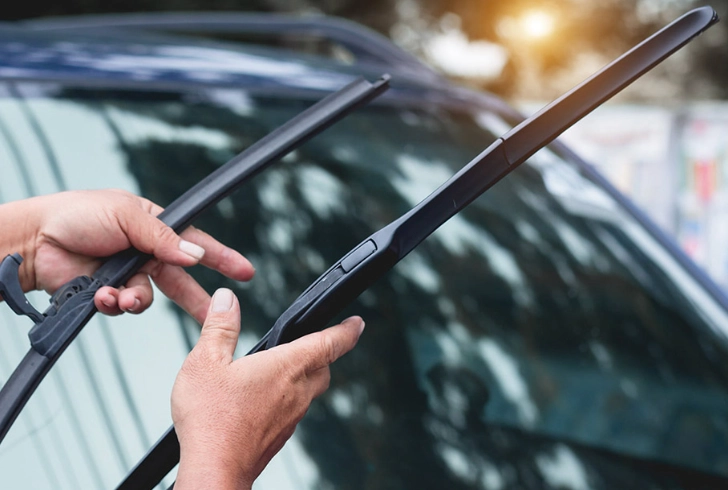
Stop putting it off. The next time you're driving in a light rain and your wipers start leaving hazy streaks, remember that it's a fixable problem. Get the right blades, install them correctly (protect that windshield!), and keep them clean. Your future self, driving confidently through a storm with a perfectly clear view, will thank you.
It’s a small part with a big job. Give it the attention it deserves.