Let's cut to the chase. Yes, AutoZone offers free diagnostic testing. But that simple "yes" is where most online articles stop, and that's exactly where they fail you. The real question isn't whether it's free—it's what that "free diagnostic" actually means for your car and your wallet. Having spent years turning wrenches and watching well-meaning DIYers walk into parts stores with hope and walk out with the wrong $300 part, I'm here to give you the full picture. AutoZone's service is a powerful tool, but misunderstanding its scope is the single biggest mistake you can make.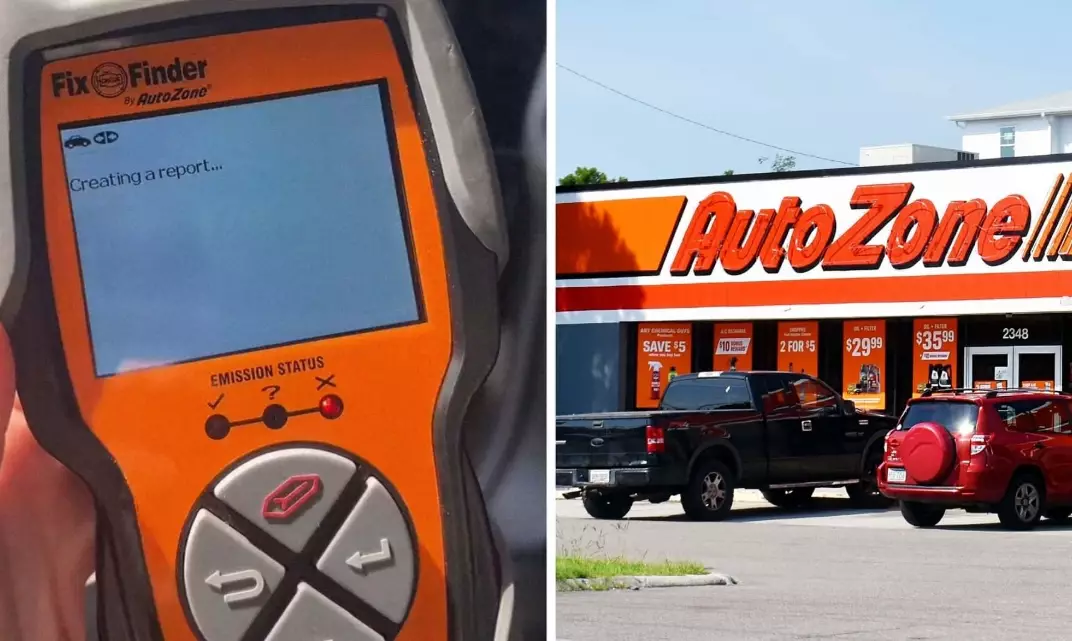
What's Inside This Guide?
What Exactly Does AutoZone's Free Diagnostic Service Include?
AutoZone's free service primarily focuses on two things: reading OBD2 trouble codes and testing your battery/charging system. They're not hooking up a $10,000 professional scan tool and giving you a full health report. Think of it as a symptom checker, not a doctor's diagnosis.
The OBD2 Code Reading
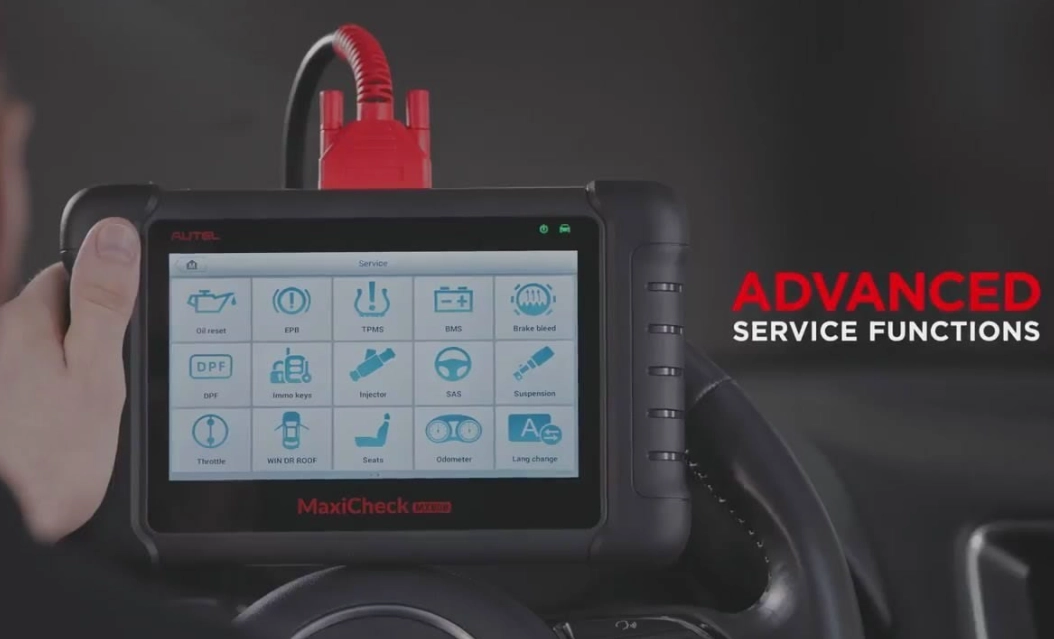
This is the big one. If your Check Engine Light is on, they'll plug a handheld scanner into your car's OBD2 port (usually under the dash near the driver's knees). The scanner communicates with your car's computer and retrieves Diagnostic Trouble Codes (DTCs). These are alphanumeric codes like P0420 or P0301. The tool will give a generic definition, such as "Catalyst System Efficiency Below Threshold" for P0420. The employee will print out the codes and definitions for you. That's it. They've told you what the computer sees is wrong, but rarely why.
Battery and Charging System Test
If your car won't start, or you suspect battery issues, they'll perform this test. They use a handheld unit that connects to your battery terminals. It checks:
- Battery voltage (Is it charged?)
- Cold Cranking Amps (CCA) (Can it deliver enough power to start the engine?)
- Alternator output (Is the charging system working while the engine runs?)
- Starter draw (Is the starter motor functioning correctly?)
This test is generally reliable for identifying a clearly bad battery or a dead alternator.
The Critical Limitations: What AutoZone's Free Diagnostics Won't Tell You
This is the section that saves you money. The free scan is a starting point, not a finish line.
It doesn't diagnose the root cause. A code P0171 (System Too Lean) means the engine computer sees too much air in the fuel mixture. That could be a vacuum leak, a bad oxygen sensor, a dirty mass airflow sensor, a weak fuel pump, or a leaking fuel injector. The code reader just says "lean condition." The store employee might suggest replacing an O2 sensor because it's a common part they sell. But if the real issue is a $5 vacuum hose, you've just wasted $150+.
It often misses manufacturer-specific codes. Basic OBD2 readers, including most store models, pull generic "P0" codes. Carmakers also use proprietary "P1" codes that contain more detailed information. You need a more advanced scanner to see those.
No live data or active tests. A professional mechanic doesn't just read codes. They use a scanner to view live data—real-time readings from all the sensors while the engine runs. They can also command components to activate (like turning a fuel pump on/off) to test them. AutoZone's free service does none of this. You can't see if an oxygen sensor is lazy or if a fuel trim value is fluctuating wildly.
It ignores everything without a computer. Got a clunking noise from the front end? A vibrating brake pedal? A leaking shock absorber? These are mechanical issues. The OBD2 system knows nothing about them. The free diagnostic is useless here.
How to Get the Most Out of AutoZone's Free Diagnostics
Used correctly, this free service is gold. Used naively, it's a shortcut to an expensive misadventure. Here’s the pro approach.
- Go Prepared. Write down any symptoms: "Rough idle when cold," "Hesitation during acceleration," "Smell of rotten eggs." This context is everything.
- Get the Codes and Definitions. Take the printout. Don't just listen to the verbal summary.
- Do Your Own Research. This is the most important step. Take those codes and your symptoms to reputable online forums (like those on AutoZone's own repair guides section or manufacturer-specific forums), or consult a trusted repair manual. See what the most common actual fixes are for that code on your specific make/model/year. The first suggested part isn't always the culprit.
- Consider a Second Opinion for Free. Some other chains like Advance Auto Parts and O'Reilly Auto Parts also offer free code reading. It doesn't hurt to verify.
- Know When to Stop. If the code points to a simple, low-risk fix like a loose gas cap (code P0455) or a straightforward sensor, you might be comfortable DIY-ing it. If it points to major systems (transmission, engine internal issues, complex electrical problems), the free diagnostic has done its job—it's alerted you to a problem. Now it's time for a professional assessment.
AutoZone vs. Professional Mechanic vs. Buying Your Own Scanner
Let's break down your options so you can decide where to spend your time and money.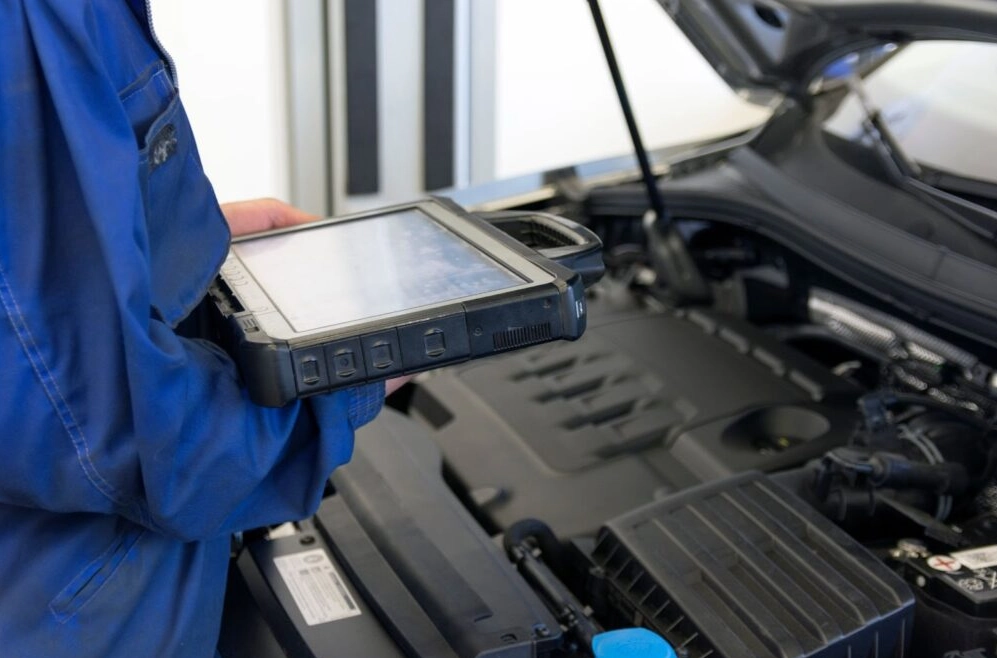
| Service | What You Get | Best For | Cost |
|---|---|---|---|
| AutoZone Free Diagnostic | Basic OBD2 code retrieval & definitions. Battery/charging system test. | Initial triage when the Check Engine Light comes on. Verifying a dead battery/alternator. | Free |
| Professional Mechanic Diagnosis | Advanced code reading, live data streaming, component actuation tests, physical inspection, road test, and expert interpretation. | Any complex issue, intermittent problems, or after a basic code points to an expensive component. | $100 - $200 (diagnostic fee, often waived if you do the repair with them) |
| Own Basic OBD2 Scanner | Convenience of reading/clearing codes at home anytime. Some show live data. | DIY enthusiasts who want to monitor car health, clear codes after a repair, or avoid a trip to the store. | $30 - $150 (one-time purchase) |
My personal rule? I use AutoZone for the initial code pull. If it's a simple, common code on my truck that I understand, I'll proceed. If it's anything vague or serious, I pay my trusted local mechanic his one-hour diagnostic fee. That $120 has saved me from buying multiple unnecessary parts more times than I can count. It's an investment, not an expense.
Frequently Asked Questions (The Stuff You Really Want to Know)
If AutoZone's free diagnostic shows a code for a bad oxygen sensor, should I just buy one and replace it?
Can AutoZone diagnose why my car is shaking or making a noise?
 Will AutoZone clear my check engine light for free?
Do I need an appointment for free diagnostics at AutoZone?
Is the free battery test accurate enough to trust?
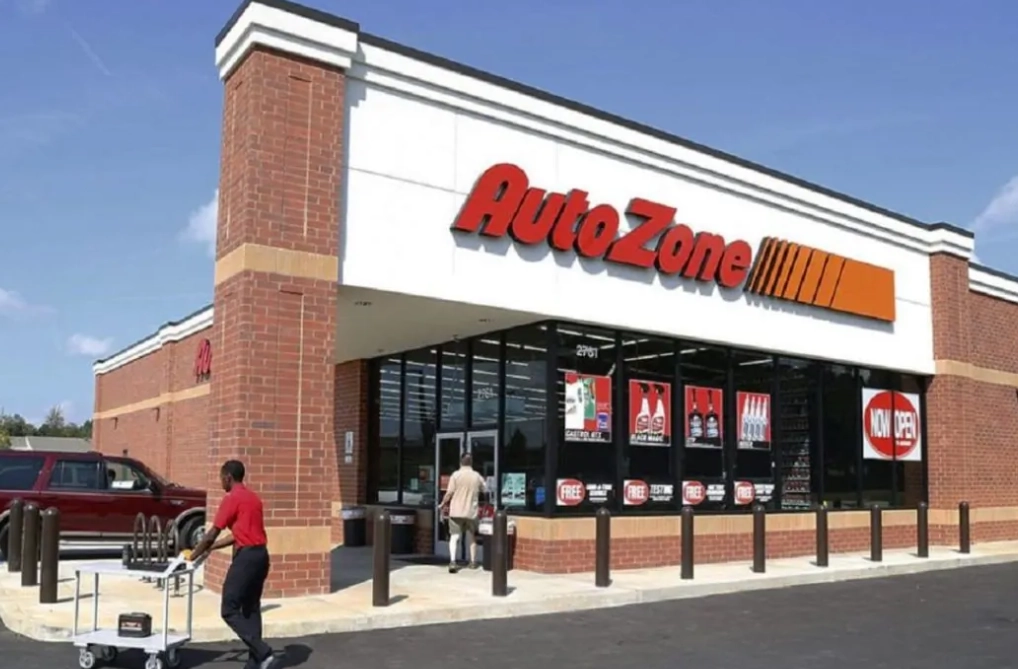 The bottom line is this: AutoZone's free diagnostic service is a fantastic resource for getting initial codes and battery checks. Treat it as the first step in a detective process, not the final verdict. It gives you data—codes and numbers. Your job, or your mechanic's job, is to turn that data into a wise repair decision. By understanding exactly what it can and cannot do, you empower yourself to save money and avoid the frustration of misdiagnosis. Next time that little orange light glows, you'll know exactly what that free service is really offering.