In This Guide
- What Do Shocks and Struts Actually Do? (It's Not What You Think)
- The 7 Unmistakable Signs It's Time for New Shocks or Struts
- So, What's the Magic Mileage Number? (Spoiler: It Depends)
- How to Actually Check Your Shocks: A Step-by-Step Visual & Physical Inspection
- What Happens If You Wait Too Long? The Domino Effect of Worn Shocks
- Shock & Strut Replacement: Cost, DIY, and What to Expect
- Your Burning Questions, Answered
- Putting It All Together: Your Decision Checklist
Let's be honest. Most of us don't think about our car's shocks or struts until something feels seriously off. That vague, slightly unsettling feeling that the ride isn't as smooth as it used to be creeps in slowly. You might dismiss it at first. Maybe the road got worse? Maybe you're just imagining things?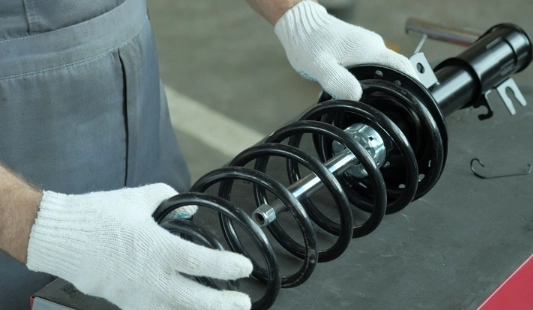
But then you hit a bump and the car bounces a few more times than it should. Or you take a corner and feel a bit more sway than you're comfortable with. That's when the question really hits you: when should you replace your shocks? Is it time, or can I squeeze another few thousand miles out of them?
I've been there. I once ignored the signs on an old truck of mine until the ride was so bouncy it felt like piloting a boat in a storm. Not fun, and definitely not safe. Replacing them transformed the vehicle completely. It felt tight and planted again. That experience taught me that knowing when to replace your shocks isn't just about comfort—it's a crucial part of safety and protecting the rest of your car.
This guide is the deep dive I wish I'd had back then. We're going to move beyond the basic "every 50,000 miles" advice you see everywhere (because that's often wrong) and get into the real signs, the real tests, and the factors that actually determine the answer.
What Do Shocks and Struts Actually Do? (It's Not What You Think)
Before we can answer "when should you replace your shocks?", we need to clear up a huge misconception. Most people think the spring (the big coil) supports the weight of the car. They're right. But they think the shock absorber's job is to make the ride soft. That's wrong.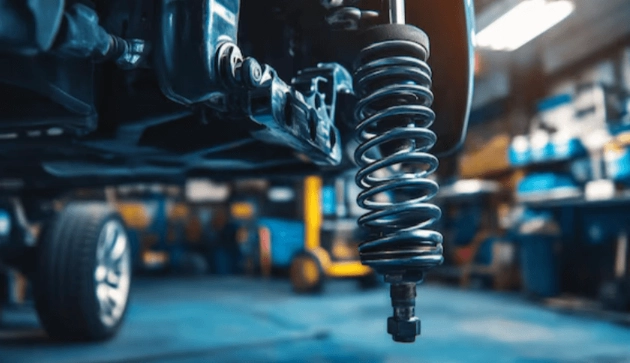
The shock's primary job is control. It's a damper. When your wheel hits a bump, the spring compresses and then wants to release all that energy, bouncing back violently. The shock absorber's job is to absorb that kinetic energy and convert it to a tiny bit of heat, controlling the spring's rebound and compression. Without a functioning shock, your tire would bounce off the road surface after every bump, losing contact and traction.
Struts are a different animal. They are a major structural part of the suspension. On many modern cars, the strut is the shock absorber built into a single unit with the spring and top mount. It often provides structural support for the vehicle. Replacing a strut is generally more complex and expensive than replacing a simple shock.
The 7 Unmistakable Signs It's Time for New Shocks or Struts
Mileage is a rough guide, but your car's behavior tells the true story. These are the symptoms you need to watch for. If you notice even two or three of these, it's time for a serious inspection.
1. The Bounce Test Fail
This is the classic DIY check. Park on level ground. Push down hard on the front corner of your hood (or the rear bumper) and release. The car should bounce up, settle back down, and stop. If it bounces more than one and a half times (up, down, up a little), the shock on that corner is likely worn. Do this for all four corners. It's not a perfect lab test, but it's a fantastic red flag indicator.
2. Nosediving When Braking
Do you feel the front of the car dip sharply forward when you brake moderately hard? Good shocks should keep the car's body level, allowing the braking force to be distributed evenly. Worn front shocks (or struts) can't control the weight transfer, causing a dive. This actually increases stopping distance because the rear tires lose some of their grip.
I noticed this on my wife's old sedan. The braking felt less confident, and you could see the hood point downward. New front struts made a night-and-day difference in braking stability.
3. Squatting During Acceleration
The opposite of nosediving. When you accelerate from a stop, does the rear of the car seem to squat down? This points to worn rear shocks. It's not just a weird feeling—it can affect traction off the line and make the car feel unstable under power.
4. Excessive Body Roll in Corners
Taking a highway ramp or a roundabout and feeling like you're leaning way over? That's body roll, and while some is normal, excessive leaning is a sign the shocks aren't controlling the suspension's movement. The car feels floaty and disconnected from the road, which is unsettling and reduces your ability to control the vehicle in an emergency maneuver.
5. Uneven or Strange Tire Wear
This is a big one that people miss. When shocks are bad, the tire can literally bounce on the road surface (called "tire hop"). This causes a distinctive wear pattern called "cupping" or "scalloping." Run your hand over the tread. If it feels like a washboard with high and low spots, instead of smooth, your shocks are probably shot. This wear happens because the tire isn't maintaining consistent contact with the pavement. It's a costly sign to ignore—you'll need new tires and new shocks.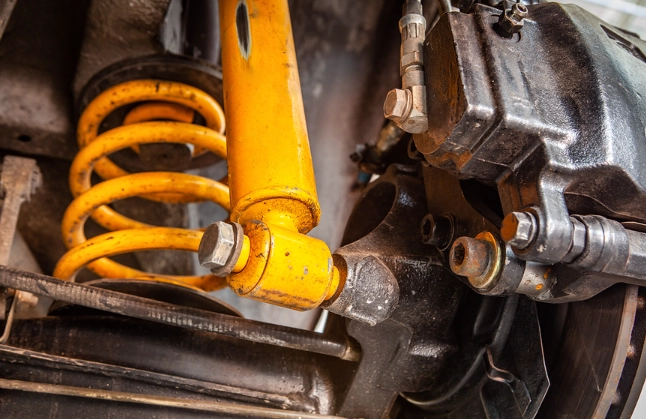
6. Leaking Fluid
Shock absorbers are hydraulic. They contain oil. A light film of dirt on the body is normal. But if you see wet, dripping oil running down the side of the shock body, the seal is broken. That shock is dead and needs replacement. It has lost its hydraulic fluid and therefore its ability to dampen.
7. A General Feeling of "Unsettledness"
This is subjective but real. The car just doesn't feel planted anymore. It shimmies over rough pavement, feels skittish in crosswinds, and requires more small steering corrections on the highway. You feel every crack in the road as a sharp jolt instead of a dull thump. The ride is harsh yet bouncy—a terrible combination. You find yourself driving slower because you don't trust the car. That's your gut telling you something is wrong. Listen to it.
So, What's the Magic Mileage Number? (Spoiler: It Depends)
You'll see 50,000 miles thrown around as a rule of thumb. I think that's overly simplistic and can be misleading. A shock absorber's lifespan is determined by how it's used, not just how long it's been used.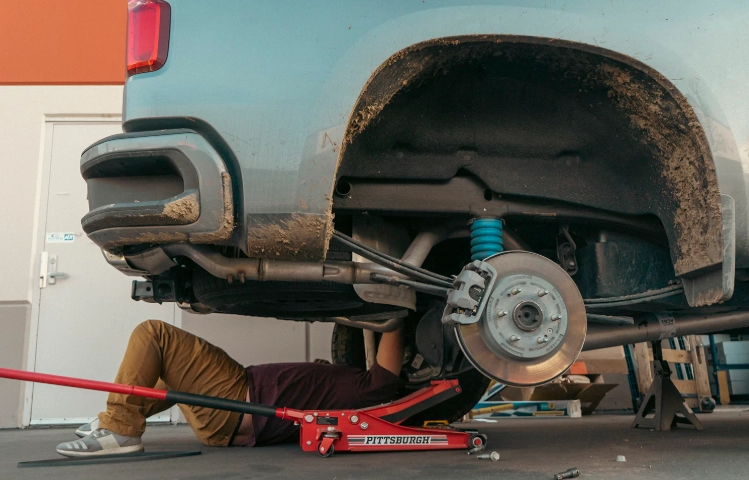
Think of them like brake pads. Driving all highway miles? They'll last much longer. Hauling heavy loads daily on pothole-ridden city streets? They'll wear out faster.
Here's a more realistic mileage framework based on driving conditions:
| Driving Condition & Vehicle Use | Estimated Replacement Interval | Why It's Different |
|---|---|---|
| Primarily Highway, Light Loads (The "Easy Life" Car) | 70,000 - 100,000+ miles | Minimal cycling of the shocks. They spend most of their time in a relaxed state on smooth roads. They can last a surprisingly long time. |
| Mixed City/Highway, Average Use (The Typical Commuter) | 50,000 - 75,000 miles | This is where the "50k" rule comes from. Regular stop-and-go, some bumps, occasional loads. A decent average. |
| Heavy City Driving, Poor Roads (Pothole Warrior) | 40,000 - 60,000 miles | Constant compression and rebound cycles. Every pothole, curb, and railroad crossing is a tiny hammer blow to the shocks' internals. |
| Towing, Hauling, or Off-Road Use (The Workhorse) | 30,000 - 50,000 miles | Consistently operating under higher loads and often more extreme suspension travel. Heat buildup and stress are significantly higher. |
| Performance Driving (Track Days, Aggressive Street) | As needed, often well under 30,000 miles | Extreme forces and heat. Performance shocks are built for this but are worked much harder. They are inspected frequently. |
See what I mean? Telling someone who tows a boat every weekend to wait until 50,000 miles is bad advice. Their shocks might be toast at 35,000.
The best approach? Start paying close attention to the signs listed above once you cross the 50,000-mile mark if you're an average driver. Don't just wait for a mileage counter. Use the symptoms as your guide. This is the core of answering when should you replace your shocks intelligently.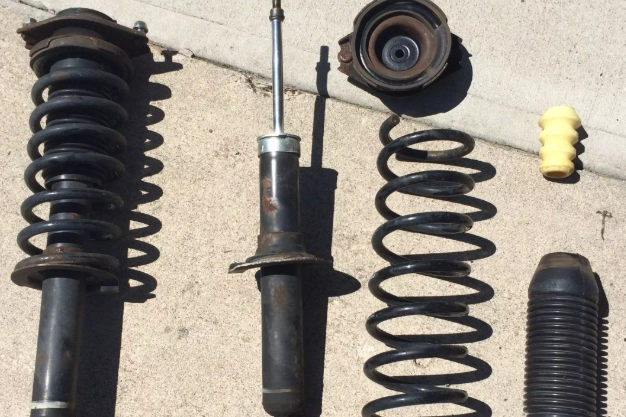
How to Actually Check Your Shocks: A Step-by-Step Visual & Physical Inspection
Okay, so you're suspicious. Let's get hands-on. You don't need to be a mechanic to do a basic inspection. Here's what to do.
- Park Safely: On level ground, in park/gear with the parking brake on. Chock a wheel if you're going under.
- The Eye Test: Look at each shock or strut. Is it leaking fluid? Is the body dented or damaged? Is the rubber mounting bushings at the top and bottom cracked, dry-rotted, or completely missing? Bushings are cheap but critical—if they're gone, the shock can clunk and won't work right even if the damper is good.
- The Bounce Test (Again): Do it at each corner. Be systematic. Front left, front right, rear left, rear right. Note any corner that feels mushy or keeps bouncing.
- The Tire Wear Check: Get down and look at your tires. Feel the tread for cupping. Is the wear even across the tread? Uneven wear can point to alignment issues too, but combined with other symptoms, it's a shock clue.
- Listen for Noises: Have a friend rock the car side-to-side and up-and-down while you listen near each wheel. Do you hear clunking or knocking? That could be a worn shock mount or a completely failed shock.
What Happens If You Wait Too Long? The Domino Effect of Worn Shocks
Putting off replacement isn't just about a bumpy ride. It starts a chain reaction of wear and tear on other, more expensive components. Think of it as false economy.
- Tires: Cupped tires wear out 2-3 times faster. A set of tires costs way more than a set of shocks.
- Springs: Constantly over-working without control can fatigue and sag the springs themselves.
- Suspension Bushings & Ball Joints: The uncontrolled, jarring movements put extra stress on every rubber bushing and joint in the suspension, causing them to wear out prematurely.
- Steering Components: That shimmy and vibration gets transmitted into the steering rack and tie rods.
- Brake System: As mentioned, longer stopping distances. You're also causing the anti-lock brake system (ABS) to work harder to maintain traction during hard stops on uneven surfaces.
- Driver Fatigue & Safety: Constantly correcting the steering and bracing yourself is tiring. In a sudden swerve, the car's response will be sloppy and unpredictable.
Honestly, after seeing the repair bill for a car that had its entire front end shaken apart by bad struts, the cost of timely shock replacement seems like a bargain.
Shock & Strut Replacement: Cost, DIY, and What to Expect
Let's talk money and logistics. This is where people get nervous.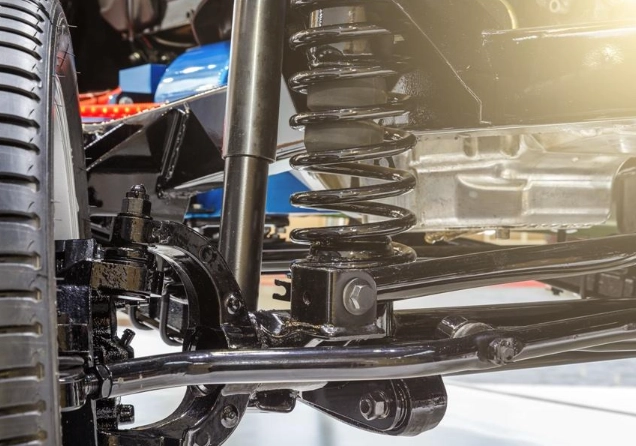
Cost Breakdown
Costs vary wildly by vehicle. A small sedan with simple rear shocks is cheap. A luxury SUV with electronic adaptive struts is... not.
- Parts Only (Shocks/Struts): $50 - $150 per corner for standard quality aftermarket parts. Performance or OEM parts can be $200+ each. Electronic/adaptive units can be $500+ each.
- Professional Labor: This is the big variable. Simple shock replacement: 1-2 hours of labor. Strut replacement, especially if it requires a spring compressor (which it usually does), can be 2-3 hours per corner. Many shops recommend an alignment afterward ($80-$120), which is highly advisable.
- Total Job (Typical Sedan/SUV): For a full set of four mid-range shocks/struts installed, you're often looking at a range of $800 to $1,800 parts and labor, before alignment. Getting quotes is essential.
Can You DIY?
It depends. Simple rear shock replacement on a truck or SUV with the spring separate? Often a very doable DIY job for someone with decent tools and mechanical confidence. You'll need jack stands, sockets, and penetrating oil.
Strut replacement? This is an intermediate to advanced job. The danger is the SPRING. A coil spring under compression has enough energy to kill you if released improperly. You need a proper spring compressor and must follow safety procedures to the letter. Many DIYers opt for "quick struts" or "loaded struts"—pre-assembled units with the spring, mount, and strut already together. These are more expensive parts-wise but eliminate the spring compression danger and are much faster to install. It's a trade-off I often recommend for DIY.
Your Burning Questions, Answered
I get a lot of specific questions about this topic. Here are the most common ones.
Can I replace just one shock or strut?
Technically, yes. Practically, it's a bad idea for handling and safety. As mentioned, always replace in pairs (both fronts or both rears). Having one new, tight shock and one old, worn shock on the same axle will make the car handle unevenly, especially under braking or cornering.
What's the difference between OEM and aftermarket shocks?
OEM (Original Equipment Manufacturer) are the exact same parts your car came with. Aftermarket parts range from cheap, low-quality copies to high-performance units that are better than OEM. For most people, a reputable mid-tier aftermarket brand (like KYB, Monroe, Bilstein) offers excellent value and performance. Avoid the absolute cheapest no-name brands—they often fail quickly.
My car has "electronic" or "adaptive" suspension. Is it different?
Yes. These systems use sensors and electronically controlled shocks to adjust firmness on the fly. They are much more expensive to replace and often require calibration with a dealer or special scan tool. The failure signs can also include dashboard warning lights related to the suspension system.
How long does the replacement job take?
For a professional shop, a full set of four shocks/struts typically takes 3-5 hours, plus alignment time. For a DIYer doing it for the first time with quick struts, plan a full weekend day to take your time and do it safely.
Will new shocks improve my ride quality if my springs are old?
Yes, dramatically, even with old springs. The shock does the damping work. However, if your springs are severely sagged (the car sits lower than it should), you might need both. New shocks won't fix a sagging ride height.
Putting It All Together: Your Decision Checklist
So, you're back to the original question: When should you replace your shocks? Let's make it simple. Run through this list.
- Is my mileage in a high-wear category (towing, bad roads, over 50k average miles)?
- Do I fail the bounce test at any corner?
- Do I notice nosediving, squatting, or excessive body roll?
- Are my tires showing unusual cupping wear?
- Do I see fluid leaking from any shock/strut body?
- Does the car just feel loose, shaky, and unsafe compared to how it used to?
If you answered "yes" to two or more of these, it's time.
Don't view it as an annoying expense. View it as an investment in safety, protecting your other expensive components (tires!), and restoring the confident, comfortable feel your car was designed to have. That feeling of a tight, planted car after replacing worn shocks is one of the most satisfying repairs you can make. You'll remember why you liked driving it in the first place.
Start with a good visual inspection. Maybe get a professional opinion from a trusted mechanic. Then make the call. Your car—and your peace of mind on the road—will thank you for it.