That little orange engine light pops on, and your stomach drops. The first thought is often, "How much is this going to cost?" Then you remember hearing about free auto diagnostics. Can you really get a professional-grade scan for free? The short answer is yes, but with some major asterisks. I've been fixing my own cars for over a decade, and I've seen the good, the bad, and the utterly misleading when it comes to free diagnostic tests. This guide will cut through the marketing fluff and show you exactly where to find truly free scans, what they can and can't tell you, and how to use free tools to become your car's first line of defense.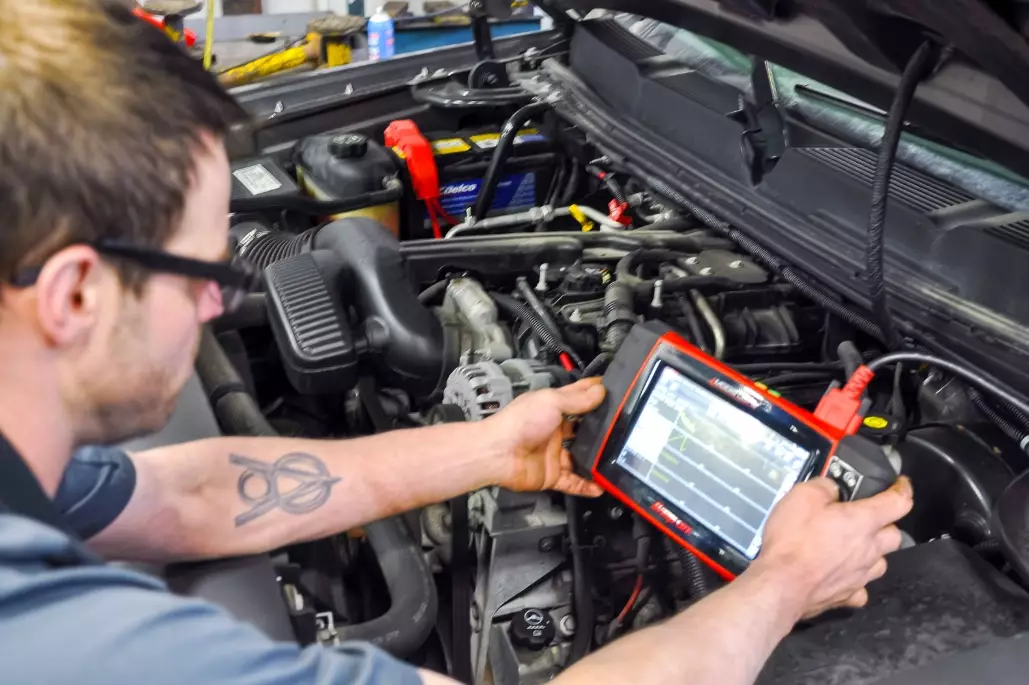
What You'll Learn in This Guide
Where to Find Truly Free Diagnostic Scans (No Strings Attached)
Forget the dealership for a free scan unless you're under warranty. The two main sources for no-cost code reading are national auto parts chains and some independent mechanics looking to build goodwill. It's not a full diagnosis, but it's a start.
The Auto Parts Store Lifeline
Stores like AutoZone, Advance Auto Parts, and O'Reilly Auto Parts offer this service. I walked into an AutoZone last month with a friend's car that had a flashing check engine light. The employee came out with a handheld scanner, plugged it in under the dash, and read the codes in two minutes. No appointment, no charge, no attempt to sell me parts in that moment. It's a fantastic resource.
But here's the subtle mistake everyone makes: they treat the code as a direct order. The scanner said "P0302 - Cylinder 2 Misfire." My friend immediately wanted to buy spark plugs. The code tells you the symptom, not the cause. A misfire could be a bad plug, a faulty coil, a clogged fuel injector, or even a vacuum leak. The free scan gives you a clue, not the answer.
Independent Shops and Promotions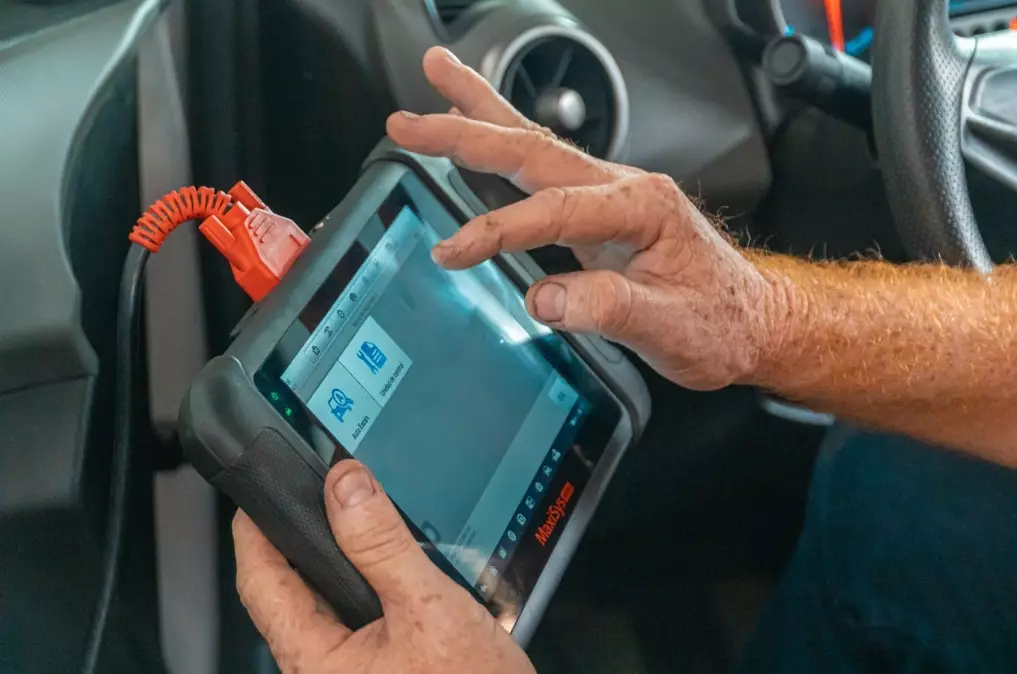
Some local repair shops offer free check engine light scans as a loss leader. They hope you'll choose them for the subsequent repair. There's nothing wrong with this, but go in with your eyes open. Get the code, thank them, and take the code information home to research before agreeing to any work. A reputable shop, like those often certified by the National Institute for Automotive Service Excellence (ASE), won't pressure you.
How to Get a Truly Free Diagnostic Test at an Auto Parts Store
It's simple, but doing it right saves time and confusion.
1. Don't call ahead. Seriously. The employee answering the phone might say they don't do it to avoid phone traffic. Just go in. Look for the service counter.
2. Be ready to point. Know where your car's OBD2 port is. It's almost always under the dashboard on the driver's side, near the steering column. If you can't find it, a quick search for "[Your Car Make Model Year] OBD2 port location" will show you.
3. Ask for the code AND the definition. Don't just accept a piece of paper with "P0420" on it. Ask them to tell you what it means in plain English (e.g., "Catalyst System Efficiency Below Threshold"). Most modern scanners display this.
4. Ask for a freeze frame. This is the pro tip most people miss. A freeze frame is a snapshot of your engine's data (speed, load, temperature) the moment the fault occurred. It's crucial for diagnosing intermittent issues. Say, "Can you print out or show me the freeze frame data for that code?" If they can, it's gold.
What Are the Limitations of Free Diagnostic Scans?
This is where the free lunch ends. Understanding these limits will keep you from wasting money on the wrong parts.
| Free Scan (Basic OBD2 Reader) | Professional Diagnostic (Shop Scanner) |
|---|---|
| Reads generic Powertrain (P) codes only. These are emissions-related issues (engine, transmission). | Reads ALL codes: Powertrain (P), Body (B), Chassis (C), and Network (U) codes. This covers airbags, ABS, climate control, etc. |
| Gives a generic code description. Example: "P0171 - System Too Lean (Bank 1)". | Accesses manufacturer-specific codes and detailed data. It can pinpoint which sensor is out of spec, not just that the mixture is lean. |
| Limited live data. You might see a few basic parameters like engine RPM and coolant temp. | Comprehensive live data streaming. A tech can watch the signal from every sensor in real-time while driving, identifying glitches a basic scanner would miss. |
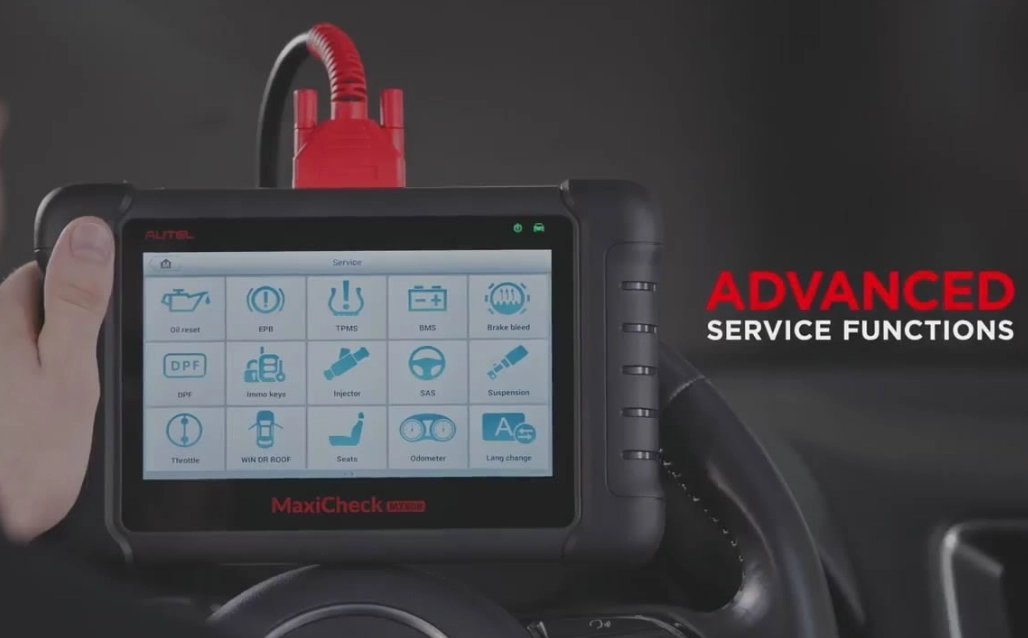
| No bi-directional controls. It can only read, not command components to test them. | Can activate components. A pro tool can command a fuel pump to run, a solenoid to click, or a window to go up, testing the circuit directly. |
I learned this the hard way with an old truck that had an intermittent rough idle. The free scanner showed no codes. A shop with a professional scanner, referencing technical service bulletins from the manufacturer, found a failing throttle position sensor that hadn't yet triggered a hard fault code. The free scan gave me false confidence.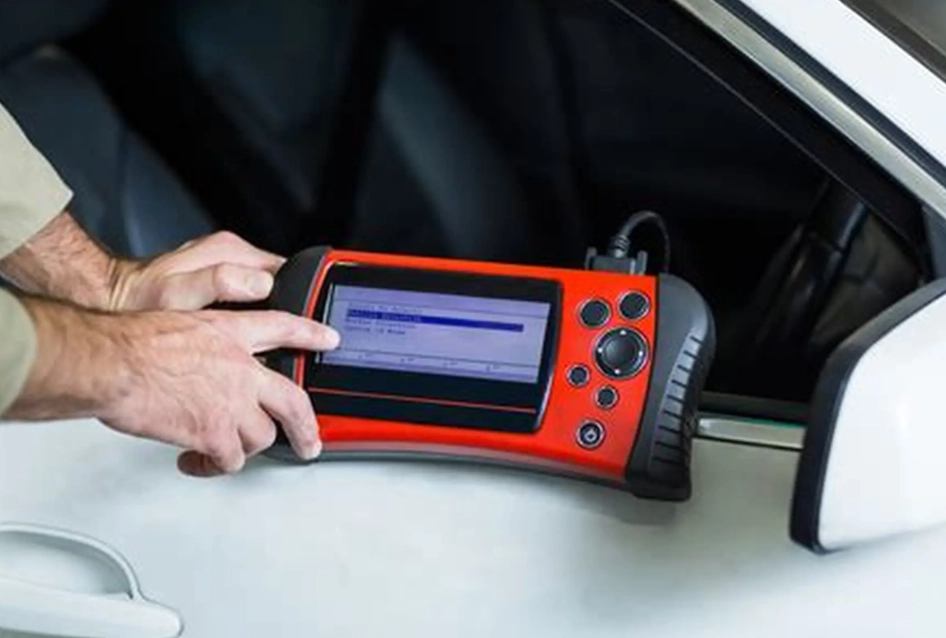
DIY Free Diagnostics: Using Your Smartphone as a Scanner
If you want true, ongoing free diagnostics, the most powerful tool is a cheap Bluetooth adapter and a free app. For under $30, you can own a basic scanner.
Step 1: Get an OBD2 Bluetooth Adapter. Search for "ELM327 OBD2 Bluetooth" on any online retailer. They're all basically the same cheap Chinese chip. I've had a $22 one for five years that still works.
Step 2: Download a Free App. For Android, Torque Lite is the classic. For iPhone, Car Scanner ELM OBD2 is a great free option. These are more powerful than the basic scanners at parts stores.
Step 3: Connect and Explore. Plug the adapter into your car's port (car in "on" position, engine off). Pair it with your phone's Bluetooth. Open the app. Suddenly, you have a dashboard of live data: fuel trim, oxygen sensor voltages, intake air temperature.
The Non-Obvious Use Case: The real power isn't just reading a check engine light. It's monitoring live data before a light comes on. If your gas mileage seems off, you can watch long-term fuel trim values. If they're consistently high (like +10% or more), you know there's a developing issue like a vacuum leak or dirty fuel injector, long before it gets bad enough to trigger a code.
What Can a Free App Really Do?
- Read and clear check engine light codes. The core function.
- Display real-time sensor data. You can see if your coolant thermostat is stuck open (engine runs too cool) or if an oxygen sensor is lazy.
- Log data. Record a drive and see if a problem correlates with a specific sensor reading.
- Perform basic tests. Some apps can test your EVAP system for small leaks—a common cause of check engine lights.
When to Skip the Free Scan and Go Straight to a Professional
Free diagnostics have their place, but they're not a cure-all. Here are the scenarios where heading directly to a trusted mechanic is the smarter, cheaper move in the long run.
1. Any issue beyond the check engine light. Is your ABS light on? Airbag light? Electronic stability control warning? These are not powertrain codes. A basic free scanner won't touch them. You need a pro tool.
2. The car is undriveable or unsafe. If it's overheating, making terrible noises, or won't start, a code reader is a secondary tool. The primary diagnosis requires physical inspection, mechanical knowledge, and specialized equipment like compression testers or cooling system pressure testers.
3. You've already replaced the "likely" part and the light came back. This is the classic "parts cannon" approach. You throw a $150 oxygen sensor at a P0420 code, but the real problem is a failing catalytic converter. You've now wasted $150. A professional mechanic, using live data and perhaps a tailpipe emissions analyzer, can confirm the cat's failure before any parts are ordered. Resources from the Environmental Protection Agency (EPA) on emissions systems can help you understand the complexity here.
4. For pre-purchase inspections. Never rely on a free scan when buying a used car. A seller can clear codes to hide problems. A professional inspection includes a scan but also looks for pending codes and monitors the readiness monitors to see if the car's computer has recently been reset.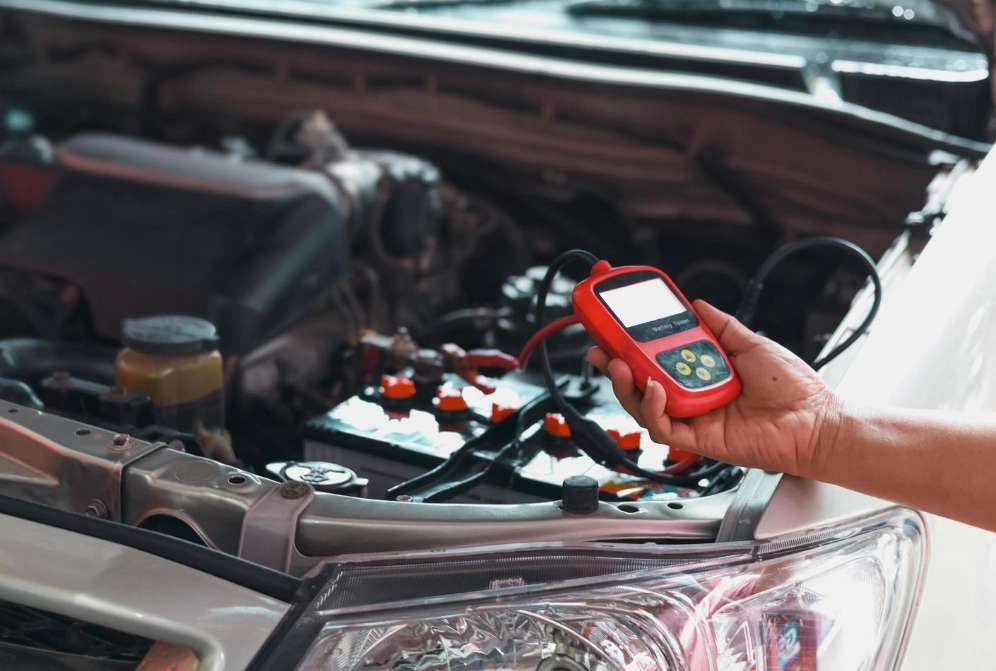
 Free auto diagnostics are a powerful tool for empowerment and savings, but they're just that—a tool. They give you information, not solutions. Use the free scans at parts stores to get the initial code, then use free apps and your own research to understand the context. Know when the problem is beyond the scope of a free readout. This approach turns you from a passive customer into an informed car owner, capable of having a meaningful conversation with a mechanic and avoiding unnecessary repairs. That's where the real value is.