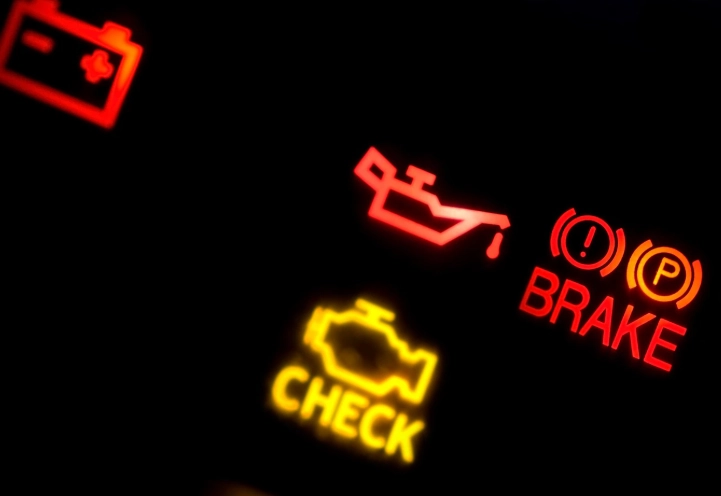
That sound wasn't there yesterday. The dashboard just lit up like a Christmas tree. Your car feels sluggish pulling out of the driveway. We've all been there. The immediate reaction is a mix of dread and a sinking feeling about the potential repair bill. But before you call the tow truck or resign yourself to a massive garage invoice, take a breath. Most car problems start small, and a systematic car troubleshooting checklist is your best defense against panic and overspending.
I've been fixing my own cars for over a decade, and the single biggest mistake I see newcomers make is jumping straight to the most complex diagnosis without ruling out the simple, free-to-check items first. They'll suspect a failing transmission when it's just low fluid, or blame the fuel pump when a dirty air filter is the real culprit. This checklist is designed to stop that. It's a logical, area-by-area process that turns you from a worried driver into a competent diagnostician.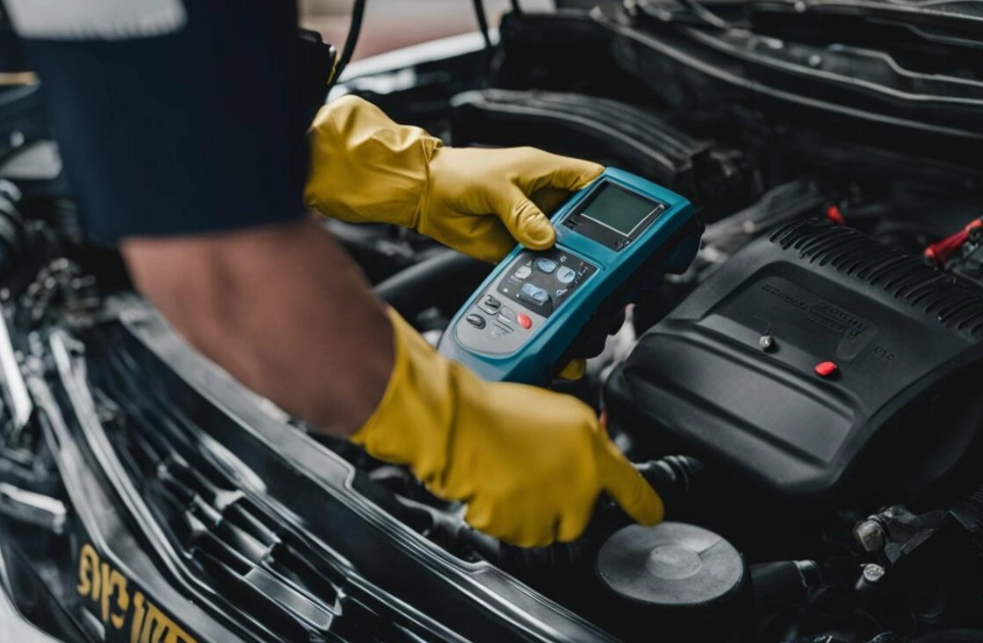
What’s Inside This Guide
Safety First: The Non-Negotiables
Let's get this out of the way. No checklist is useful if you get hurt. Always park on a level, solid surface. Engage the parking brake. If you're working under the hood, let the engine cool completely—a hot radiator can spray scalding coolant. Disconnect the negative battery terminal before touching any electrical components beyond checking fuses. Have a good flashlight and basic gloves. This isn't just boilerplate advice; I once watched a friend burn his hand on a manifold because he was in a hurry to check an oil leak. It cost him a week of pain and delayed the actual fix.
The Master Diagnostic Checklist: A Step-by-Step Walkthrough
Don't just randomly poke around. Follow this sequence. It's organized from the easiest/ most common fixes to the more involved checks.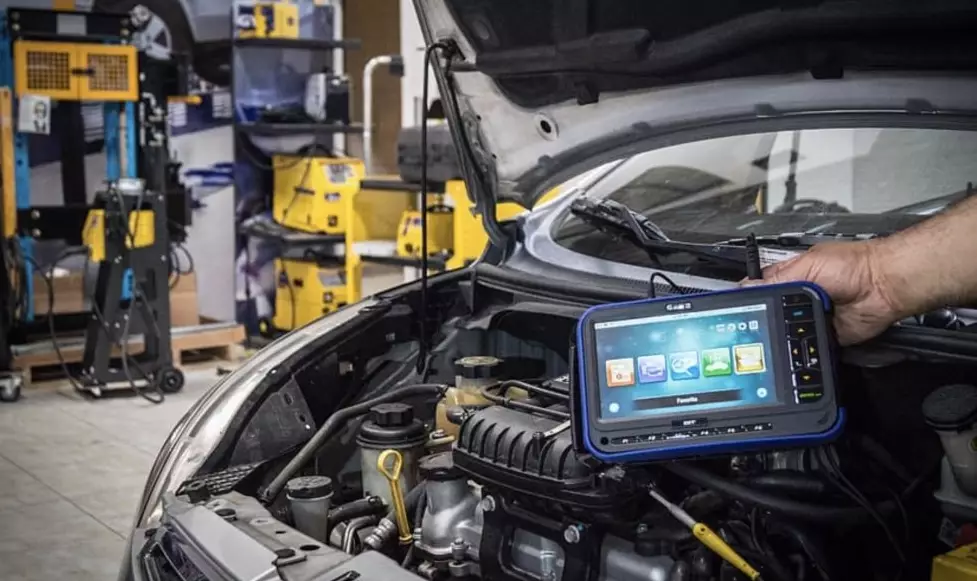
Phase 1: The Preliminary Sense Check
Before you even pop the hood, gather information. Be specific. "My car makes a noise" is useless. Is it a squeal, grind, knock, or hum? Does it happen at startup, during acceleration, or when turning? Note the exact conditions. This is your most valuable data. Grab your phone and record the sound if you can.
Phase 2: Under the Hood (Engine Bay)
- Oil: Pull the dipstick, wipe, reinsert, pull again. Level should be between marks. Oil should be amber to brown, not milky (indicates coolant leak) or black and gritty.
- Coolant: Check the translucent overflow tank. Level should be between "MIN" and "MAX." Never open the radiator cap on a hot engine.
- Brake Fluid: Reservoir level. If it's low, you might have worn brake pads or a leak—a serious safety issue.
- Power Steering Fluid: Often overlooked. Low fluid causes whining when turning the wheel.
- Battery: Check terminals for thick, white/green corrosion (clean with baking soda and water). Ensure connections are tight.
- Belts & Hoses: Look for cracks, fraying, or excessive glazing on serpentine belts. Squeeze hoses; they should be firm, not mushy or brittle.
- Air Filter: A clogged filter chokes the engine. It should be light in color, not caked with dirt.
Phase 3: Inside the Cabin & Dash
- Warning Lights: Don't just ignore the check engine light. While it needs a code scanner for specifics, other lights are clear: battery (charging issue), oil pressure (stop driving immediately), temperature (overheating).
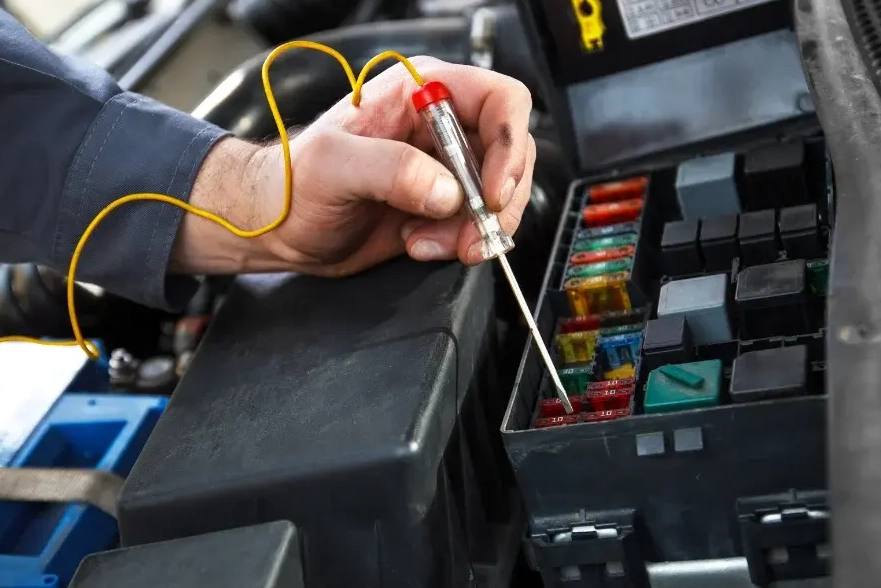
- Fuses: A blown fuse is a common cause for non-functioning electronics (radio, windows, dash lights). Your owner's manual has the fuse box map.
- Smells: Sweet smell = coolant leak. Burning oil smell = oil leak onto hot parts. Rotten eggs = catalytic converter issue. Musty smell = clogged A/C drain.
Phase 4: The Walk-Around & Underneath
Look for obvious physical damage. Check tire pressure and tread wear. Uneven wear suggests alignment issues. Listen for air leaks (hissing) around tires. Look under the car for fresh fluid puddles. Their color tells a story.
| Fluid Color | Likely Source | Urgency |
|---|---|---|
| Green, Orange, Pink | Coolant / Antifreeze | High - Risk of overheating |
| Brown/Black, Slippery | Engine Oil | Medium-High - Check level immediately |
| Red | Transmission or Power Steering Fluid | High - Affects drivability |
| Clear, Water-like | Condensation from A/C (normal in summer) | Low - Usually harmless |
| Yellowish, Slick | Brake Fluid | Very High - Critical safety issue |
Interpreting Your Findings: What It All Means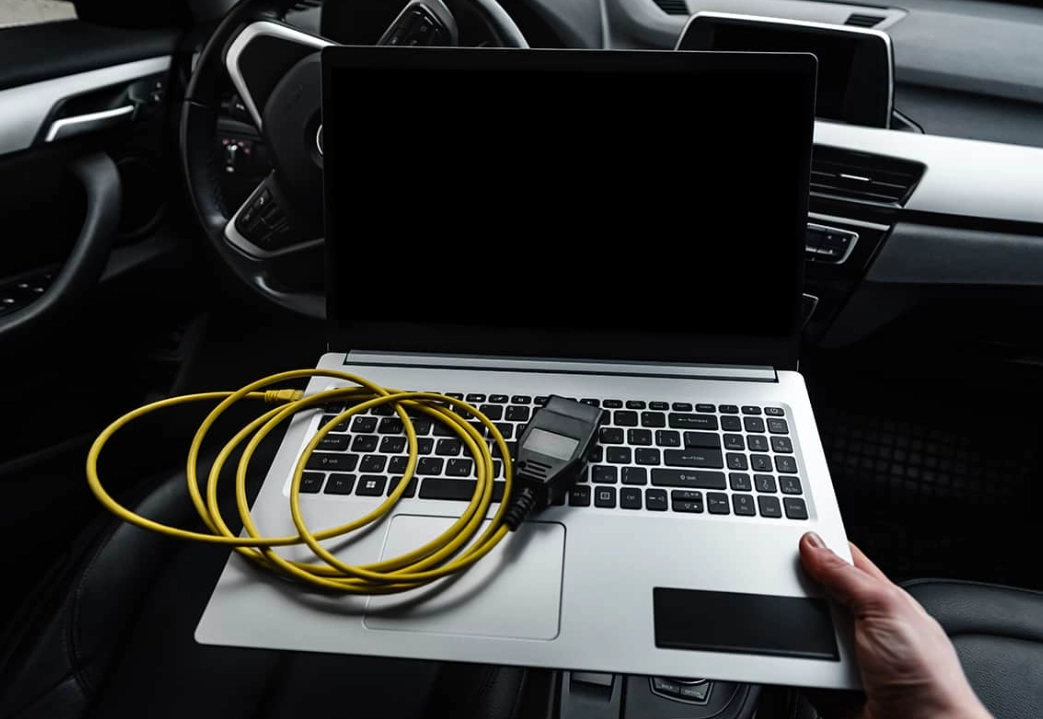
So you've found low coolant and a squealing noise on startup. Connect the dots. Low coolant could be a small leak. The squeal is likely a belt slipping—maybe a water pump pulley driven by that belt is leaking coolant onto it. See how one clue leads to another? You're not just checking boxes; you're building a case.
The most satisfying fixes are the simple ones you find here. That rough idle? A dirty air filter or a loose spark plug wire. The dimming headlights? Corroded battery terminals. Addressing these can save you a $150 diagnostic fee at the shop for them to tell you the same thing.
When to Stop and Call a Professional
This checklist empowers you, but it also shows you your limits. Here's when to hand it over:
- Anything involving internal engine noises: Persistent knocking or tapping from inside the engine block.
- Major fluid leaks you can't locate: Especially brake or power steering fluid.
- Electrical gremlins: Intermittent problems that come and go are notoriously hard to trace.
- Transmission issues: Slipping, harsh shifting, grinding. These systems are complex.
- If you simply don't have the tools, space, or confidence. There's no shame in this. A good mechanic is worth their weight in gold. Now, you can go to them with specific information, making their job easier and potentially cheaper for you.
Your Car Troubleshooting Questions, Answered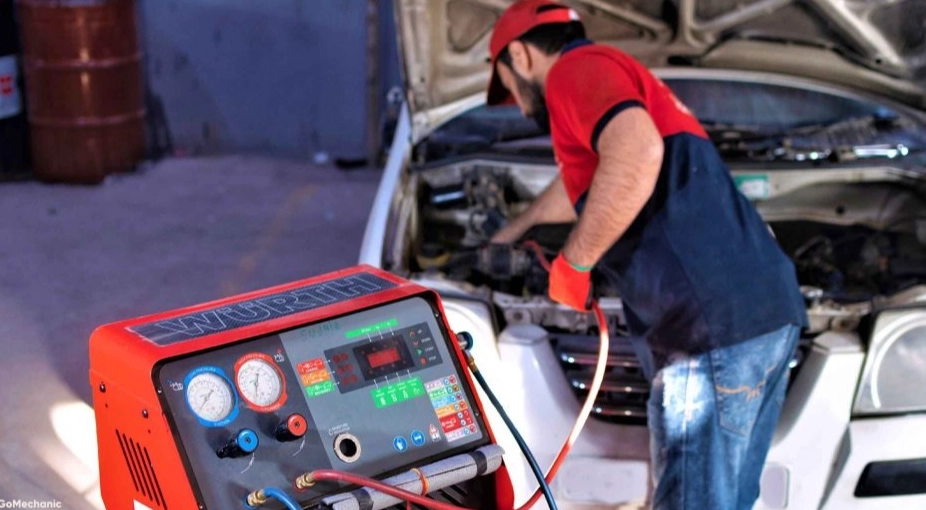
My car shakes violently when I brake at highway speeds. What should I check first on my troubleshooting list?
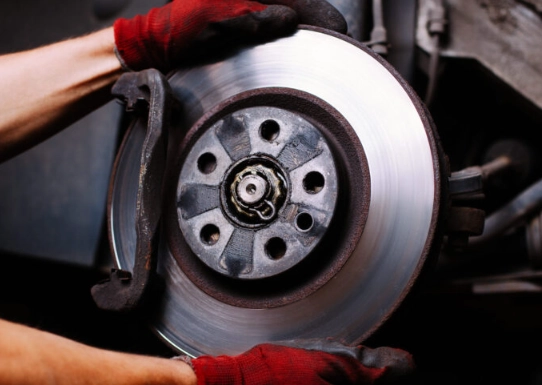
Skip the engine bay for this one. This is almost always a warped brake rotor or severely uneven brake pad deposits. The issue is in the wheel assemblies. You'll likely need a professional to measure rotor thickness and runout, as it requires removing the wheel and caliper. It's a safety-critical repair.
I hear a clicking sound that gets faster with wheel speed, but it stops when I turn. What's the likely culprit?
This is a classic sign of a failing CV (Constant Velocity) joint on the front axle, usually on the outer joint. The sound stops when turning because the joint's internal wear pattern changes under load. Check the rubber CV boot around the joint for tears or grease slung around the inside of the wheel. A torn boot lets grit in, destroying the joint.
My car's A/C blows cold only sometimes, usually on the highway. Is this something I can diagnose?
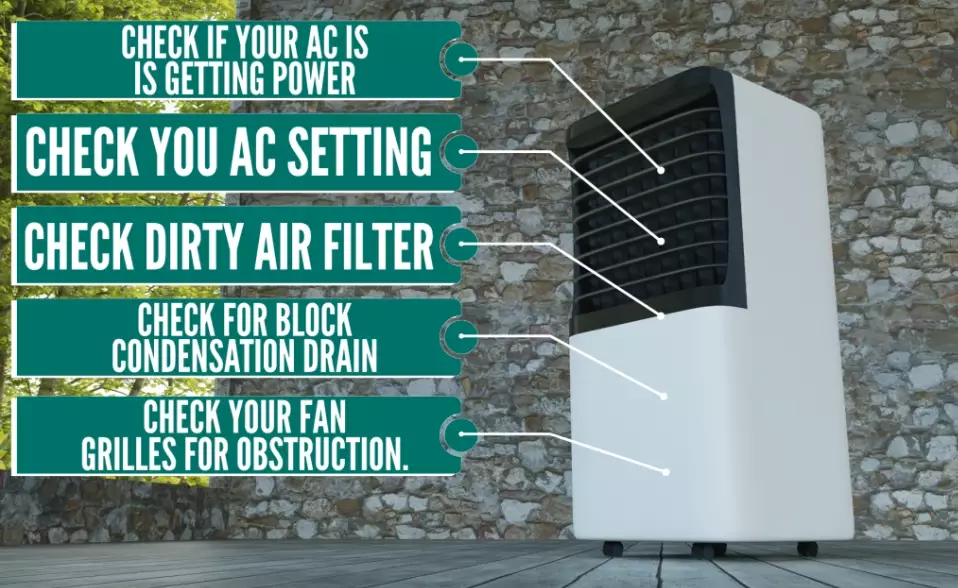
Possibly. Intermittent cooling often points to a low refrigerant charge. When the system is low, the A/C clutch may only engage when the compressor is spinning fast enough (like on the highway). The low-pressure safety switch prevents it from engaging at idle. This isn't usually a DIY recharge job, as you need gauges to check pressure and the system may have a leak that needs fixing by a specialist.
 There's a loud humming noise from my car that starts around 50 mph. It's not the engine.
This screams wheel bearing. A bad wheel bearing makes a steady droning or humming sound that changes with vehicle speed. A quick test: drive at a steady speed on a quiet road and gently swerve left and right. If the noise gets louder when you swerve right (loading the left side), the left wheel bearing is likely bad. The noise changes because swerving shifts the vehicle's weight, altering the load on the faulty bearing.