Your Upgrade Roadmap
- Why Upgrade Your Ford? It's Not Just About Speed
- Where to Start? Your Ford's Model & Platform is Key
- The Big Categories of Ford Performance Upgrades
- Budgeting & The Real Cost of Ford Performance Upgrades
- DIY vs. Professional Installation
- Legality, Warranty, and Smog Concerns
- Your Ford Performance Upgrade FAQ
- Wrapping It Up: Build the Ford You Want to Drive
Let's be honest. You bought a Ford—maybe a Mustang that rumbles just right, an F-150 that hauls everything, or a Focus ST that's your daily dose of fun—because you wanted more than just transportation. You wanted a connection to the road, a bit of thrill when you press the pedal. But after a while, that stock feeling starts to itch. You see other builds online, hear stories at cars and coffee, and you think... what if?
What if my truck had more torque for towing? What if my Mustang GT screamed a little louder and pulled a little harder? That's where the world of performance upgrades for Ford vehicles comes in. It's a massive, sometimes confusing playground of parts, promises, and potential.
I've been down this road myself. I've installed parts that transformed my car and others that were a total waste of money. I've spent weekends under the hood and had my fair share of "oh no" moments when something didn't fit. This guide isn't a sterile list of parts. It's a roadmap from someone who's gotten their hands dirty, aimed at helping you spend your money and time wisely, whether you're aiming for a subtle bump or a full-blown project.
Why Upgrade Your Ford? It's Not Just About Speed
Everyone jumps to horsepower numbers. I get it, they're sexy. But focusing solely on peak hp is like only caring about your top speed on a track you'll never drive. Real-world performance is broader.
Think about throttle response—that instant kick when you tap the gas. Or mid-range torque, which is what actually pushes you back in your seat during normal driving, not the redline power you hit once a month. How about braking confidence, or the way the car feels planted around a bend? A holistic approach to Ford performance upgrades tackles all of this.
Maybe you need better cooling because your EcoBoost gets heat-soaked on a hot day. Perhaps your F-150's transmission hunts for gears when you're towing a load up a hill. These are all solvable problems with the right mods.
I learned this the hard way with my first project. I bolted on a cold air intake and a loud exhaust. Sounded fast, felt... marginally quicker. It wasn't until I got a proper tune that those parts actually woke up and worked together. The tune was the conductor for the orchestra.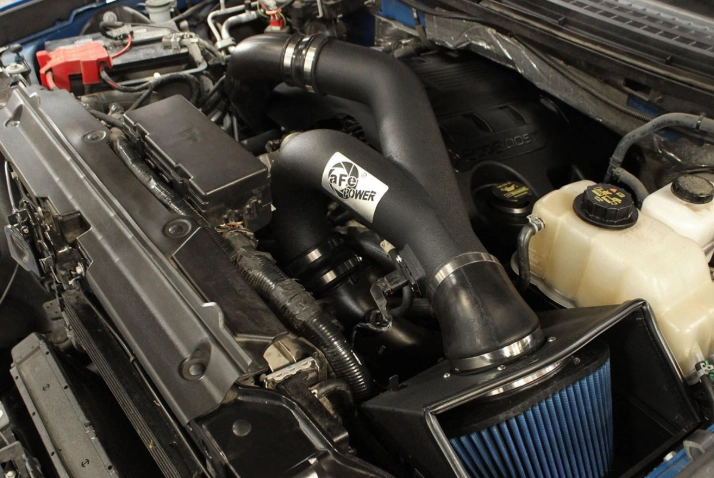
Where to Start? Your Ford's Model & Platform is Key
You can't talk about performance upgrades for a Ford universally. What works wonders on a 5.0L Coyote V8 is irrelevant to a 2.3L EcoBoost four-cylinder, and truck mods live in a different world than car mods. The aftermarket support varies wildly too.
Here’s a quick breakdown of the common Ford platforms and where the upgrade low-hanging fruit usually is:
| Ford Platform / Engine | Common Starting Points for Upgrades | Notes & Community Wisdom |
|---|---|---|
| Mustang (S550/S650) w/ 5.0L Coyote V8 | Cold Air Intake, Cat-back Exhaust, ECU Tune, Stickier Tires, Lowering Springs. | Huge aftermarket. Responds incredibly well to simple bolt-ons and a tune. The MT-82 manual transmission can be a weak point for high-power builds. |
| Mustang / Focus ST / RS w/ 2.3L EcoBoost | Intercooler Upgrade (critical!), ECU Tune, Downpipe, Recirculating Valve. | Turbocharged engines are all about managing heat and airflow. An intercooler is often the first "must-do" before chasing big power. |
| F-150 (2015+) w/ 2.7L/3.5L EcoBoost V6 | ECU Tune (for towing/daily maps), Cold Air Intake, Cat-back Exhaust, Suspension (leveling/lift). | Focus is often on low-end torque and transmission behavior for towing. Tunes from reputable companies like Ford Performance themselves can be a safe bet. |
| F-150 / Mustang w/ 5.0L Coyote (Truck) | Similar to Mustang, but exhaust headers often show great gains. Tune for torque. | Truck intakes/exhausts are designed differently. Gains are real but the character is more about grunt than top-end scream. |
| Ranger / Bronco 2.3L EcoBoost | ECU Tune, Suspension (lift/off-road), Tires, Skid Plates. | Performance here is often about off-road capability and mid-range power, not just drag strips. |
See what I mean? Starting with a "stage 1" kit for your specific model is usually a safe bet. These kits bundle compatible parts that are known to work well together.
The Big Categories of Ford Performance Upgrades
Let's break down the mods themselves. Think of your car as a system. You add air and fuel, make boom, get rid of exhaust, and control the results. Upgrades touch every part of this chain.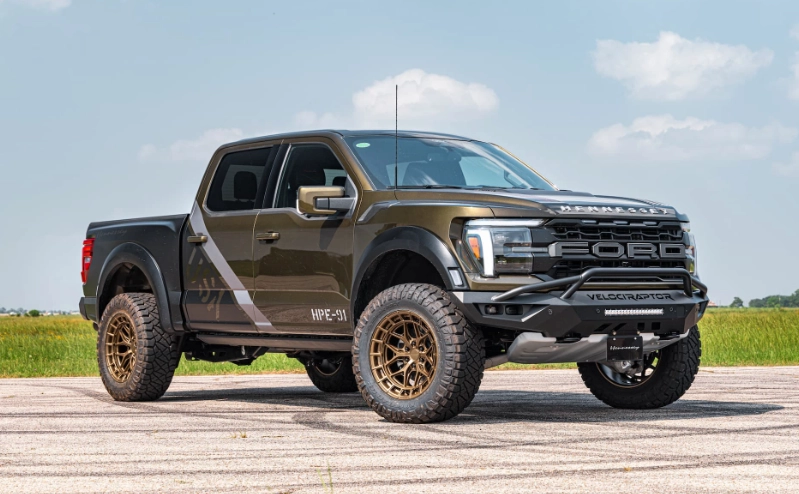
1. Engine Breathing & Software (The Heart & Brain)
This is where most people start, and for good reason. Your engine is an air pump. More clean, cool air in, and more efficient exhaust out, means more potential power.
- Cold Air Intakes (CAI): The poster child of mods. Replaces the stock airbox with a less restrictive tube and a high-flow filter. The key is getting air from outside the hot engine bay. Gains are usually modest (5-15 hp) but they often improve throttle response and sound. Beware of cheap "hot air intakes" that just suck in engine heat.
- Exhaust Systems: A minefield of options. Cat-back systems (from the catalytic converter back) are bolt-on, usually emissions-legal, and offer sound & minor flow improvements. Axle-back is just the rear section, mostly for sound. Headers and downpipes (the parts connected directly to the engine) offer the biggest gains but are more invasive and may affect emissions legality—check your local laws. The EPA has been cracking down on certain parts that defeat emissions controls.
- Intercooler Upgrades (For Turbo Fords): This is non-negotiable if you're serious about turbo performance. The intercooler cools the hot, compressed air from the turbo. A bigger, more efficient intercooler reduces intake air temperatures (IATs), which prevents the ECU from pulling timing (robbing power) and increases consistency. It's one of the best supporting mods you can do.
- ECU/Performance Tunes: This is the magic sauce. The Engine Control Unit is the brain. A performance tune recalibrates parameters like ignition timing, air/fuel ratio, turbo boost pressure, and transmission shift points. This unlocks the potential of your other bolt-ons. You can get handheld tuners (like from SCT or Cobb), custom remote tunes from a tuner, or pre-loaded "canned" tunes. This is the single most impactful performance upgrade for most modern Fords. A quality tune for a 5.0L or EcoBoost can add 50-100+ hp by itself.
Software controls everything now. A tune makes your other parts sing.
2. Forced Induction (The Big Leap)
If bolt-ons and a tune aren't enough, you add more air by force. This is a major project and investment.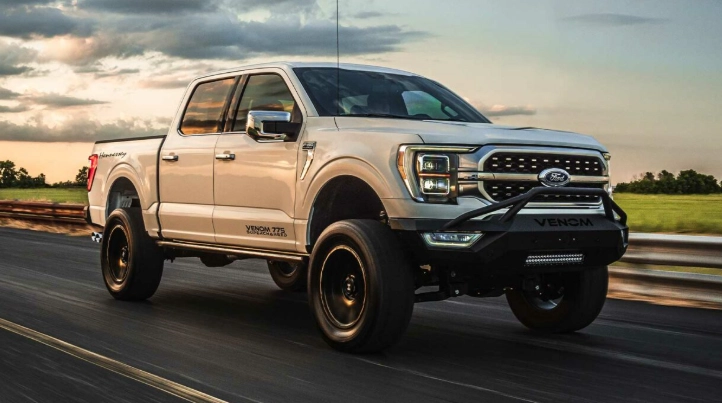
- Superchargers: Popular on Mustang GTs. A belt-driven compressor that provides immediate, linear power. Kits from companies like Roush (which are often Ford Performance certified) can push a Coyote over 700 hp while maintaining drivability. They're more predictable than turbos but can create more heat under the hood.
- Turbocharger Upgrades/Kits: For EcoBoost engines, you can upgrade the stock turbo to a larger unit. For naturally aspirated engines, it's a full kit. Turbos are more efficient but can have lag. This is where you need to seriously consider supporting mods: fuel system (pumps, injectors), clutch/transmission, and cooling.
3. Handling & Braking (Going Fast vs. Stopping & Turning)
Power is useless if you can't control it or stop it. This is often overlooked.
- Suspension: Lowering springs or a full coilover kit lower the center of gravity, reduce body roll, and improve handling feel. For trucks, leveling kits or lift kits are the equivalent for off-road performance. Sway bars (anti-roll bars) are a fantastic bang-for-buck mod to reduce lean in corners.
- Wheels & Tires: The single best handling upgrade you can make. Lighter wheels reduce unsprung weight, improving acceleration, braking, and ride quality. Wider wheels allow for wider tires. And sticky performance tires (like Michelin Pilot Sport 4S, etc.) provide exponentially more grip than all-season tires. It changes the entire character of the car.
- Brakes: If you add power or track the car, better brakes are essential. Start with high-performance brake pads and stainless steel brake lines for a firmer pedal. Big brake kits (larger rotors, multi-piston calipers) are the ultimate upgrade for repeated hard stops. For heavy trucks, upgrading pads and rotors can be a safety issue when towing.
4. Drivetrain (Putting the Power Down)
All that new power hits a weak link. For manual Mustangs, it's often the clutch. A performance clutch kit handles more torque. For automatics, a transmission tune (usually part of an ECU tune) firms up shifts and can improve durability. For high-horsepower rear-wheel-drive cars, a limited-slip differential (LSD) or upgraded axles might be necessary to prevent one tire from spinning uselessly.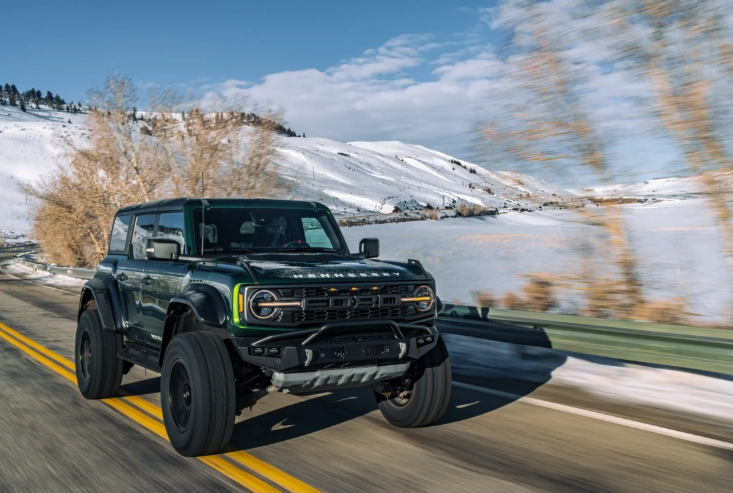
Budgeting & The Real Cost of Ford Performance Upgrades
Let's talk money, because dreams crash into budgets. Costs can range from a few hundred to tens of thousands.
The Budget-Conscious Path ($500 - $2,000): Focus on one or two high-impact mods. A quality cold air intake and a conservative performance tune. Or a set of premium tires. Or a cat-back exhaust for sound and a slight bump. This path is about refinement and small, noticeable gains.
The Enthusiast Build ($2,000 - $7,000): This is where you combine systems. A full intake, exhaust, intercooler, and tune package. Add a set of coilovers and sway bars. Maybe some lighter wheels. This transforms the car's personality in every dimension—power, sound, handling.
The All-Out Project ($7,000+): Forced induction territory. Supercharger or turbo kit, plus all the required supporting mods (fueling, drivetrain, cooling). This is a commitment and often requires professional installation and tuning.
I made a spreadsheet for my build. It kept me honest. The "mod budget" always creeps up.
DIY vs. Professional Installation
This comes down to skill, tools, time, and risk tolerance. A cold air intake? Most people with basic tools and a YouTube tutorial can handle it in an hour. An exhaust? Maybe, if you have jack stands and can deal with rusty bolts.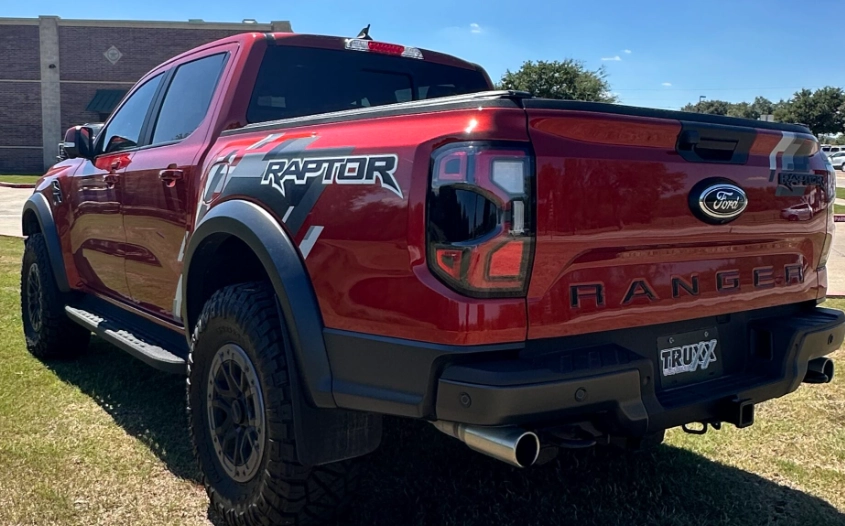
But an intercooler swap on an EcoBoost? It often involves removing the front bumper. A supercharger kit? That's a multi-day project even for experienced shadetree mechanics. A performance tune requires a device and following instructions precisely.
My rule: If the mod involves the internal engine, major drivetrain components, or safety-critical systems like brakes (bleeding is crucial!), I strongly consider a pro. A good performance shop has the lifts, specialty tools, and experience to do it right the first time. A botched install can cost more to fix than the install would have cost.
There's no shame in paying for expertise. Time is money, and so is peace of mind.
Legality, Warranty, and Smog Concerns
The boring but critical stuff.
- Warranty: The Magnuson-Moss Warranty Act in the US states that a modification itself must be proven to have caused a failure for the warranty to be voided. However, if your tuned engine throws a rod, Ford will likely deny the claim, and you'd have to fight it. Some companies, like Ford Performance, sell Ford performance upgrades (like the Power Packs) that come with a matching warranty when installed by a dealer. It's a safer, if more expensive, route.
- Emissions (Smog): In emissions-testing states (CARB in California, etc.), any part that affects emissions must have an Executive Order (E.O.) number to be legal. Many intakes and some tunes have them. Cat-deleting pipes ("test pipes") or tunes that turn off rear O2 sensors are generally not street-legal. This is a big deal. You can be fined, and you won't pass inspection.
- Noise Ordinances: That ultra-loud exhaust might be fun on a back road, but it can get you a ticket in residential areas and is often banned on tracks with sound limits.
Your Ford Performance Upgrade FAQ
For 90% of people, it's a toss-up between a quality performance tire or an ECU tune. Tires make you faster in corners and braking. A tune makes you faster in a straight line and improves drivability. If you have a turbo Ford (EcoBoost), an intercooler upgrade should be high on the list, maybe even first.
It depends on the mods and the quality. A mild, professionally-developed tune from a reputable company on an otherwise stock engine is generally considered safe. Pushing the engine to its absolute mechanical limits with aggressive tuning and forced induction will always increase stress and potentially shorten component life. Supporting mods (cooling, etc.) are key to maintaining reliability with more power.
Absolutely do it in stages! That's the smart way. It lets you feel the difference each part makes, spread out the cost, and learn about your car. The typical path is: 1) Tires/Handling, 2) Engine Bolt-ons & Tune, 3) Forced Induction & Major Drivetrain. Each stage should be complete and balanced.
Research. Look for brands with long-standing reputations in motorsports (like Borla, Corsa, KW, Bilstein, Whiteline). Read tests and dyno results from trusted automotive media. Most importantly, spend time on dedicated owner forums for your specific Ford model. The collective experience there is invaluable. See what parts fail and what parts people swear by after 50,000 miles.
For deep technical knowledge, resources from engineering societies like the SAE International can be insightful, as they often publish papers on engine design. For more practical, manufacturer-specific info, the Ford Service Information site is a treasure trove of workshop manuals and diagrams (often for a fee).
Wrapping It Up: Build the Ford You Want to Drive
The journey of modifying your Ford is a personal one. It's about connecting with the machine, learning new skills, and creating a vehicle that reflects what you find fun. It doesn't have to be about max horsepower. Maybe it's about razor-sharp handling, or a exhaust note that makes you smile, or the confidence to tow your trailer over a mountain pass.
Start with a clear goal. Be realistic about your budget and skill level. Research each part until you're sick of reading about it—then research some more. Buy quality parts from reputable sources. And don't neglect the parts that help you stop and turn, not just go.
The world of performance upgrades for Ford vehicles is vast and exciting. Take your time, enjoy the process, and you'll end up with a car or truck that's uniquely yours and infinitely more rewarding to drive. Just remember to wave to other modified Fords on the road. We're all in this together.
Now, go plan your first mod. What's it gonna be?