Quick Navigation
Let's be honest. When you think about car maintenance, what comes to mind? Oil changes, sure. Maybe new tires. But brake fluid in the car? For most folks, it's an afterthought, something buried in the owner's manual that gets a quick glance and is promptly forgotten. I was the same way, until a mechanic friend pointed out the dark, murky fluid in my reservoir and told me it was a ticking time bomb. That got my attention.
Think about it. Your brakes are arguably the most important safety system in your vehicle. And that system doesn't work on magic—it works on hydraulics. The brake fluid in your car is the lifeblood of that hydraulic system. It's the non-compressible liquid that translates the light pressure of your foot on the pedal into the immense clamping force that stops a ton-plus of metal and plastic.
Neglect it, and you're not just risking a repair bill. You're gambling with the pedal feel and, ultimately, the stopping power of your car. This guide isn't about scaring you. It's about pulling back the curtain on this critical fluid, so you can make informed decisions and keep your brakes working as they should.
What Does Brake Fluid Actually Do? (It's Not Just a Liquid)
It's easy to think of it as just another fluid to top up, like windshield washer fluid. That's a dangerous misconception. The role of brake fluid in a car is multifaceted and absolutely critical.
First and foremost, it transmits force. You press the pedal, a piston in the master cylinder pushes the fluid, and that pressure travels instantly through hard lines and flexible hoses to each wheel's brake caliper or cylinder. The fluid doesn't compress, so all the force from your foot is delivered directly.
But here's the kicker—it also has to be a lubricant for moving parts inside the master cylinder, calipers, and ABS pump. And it must act as a corrosion inhibitor to protect the expensive metal components of the entire brake hydraulic system from rusting from the inside out.
The real challenge, though, is heat. Brakes create enormous heat through friction. Some of that heat soaks into the caliper and, consequently, into the brake fluid in the car. This is where its most important property comes in: boiling point.
Why Boiling Point is Everything: If brake fluid gets hot enough to boil, it forms gas bubbles. Unlike liquid, gas is compressible. So when you press the brake pedal, instead of moving fluid to actuate the brakes, you're just compressing these bubbles. The pedal sinks to the floor with a spongy, terrifying feel, and braking force plummets. This is called "brake fade," and it's a primary reason for changing fluid before it gets old and contaminated.
The Different Types: DOT 3, 4, 5, and 5.1 – What's the Deal?
This is where things can get confusing. You'll see these DOT (Department of Transportation) ratings on every bottle. They're not just marketing; they define the fluid's base chemistry and performance standards, primarily its dry and wet boiling points.
Here’s a breakdown. I find a table is the easiest way to see the differences side-by-side.
| Type | Base Chemistry | Key Characteristic | Dry Boiling Point (Min.) | Wet Boiling Point (Min.) | Best For... |
|---|---|---|---|---|---|
| DOT 3 | Glycol Ether | Hygroscopic, absorbs water fast | 401°F (205°C) | 284°F (140°C) | Older daily drivers, light duty |
| DOT 4 | Glycol Ether/Borate | Higher boiling point than DOT 3 | 446°F (230°C) | 311°F (155°C) | Most modern cars, performance street use |
| DOT 5 | Silicone | NOT hygroscopic, doesn't absorb water | 500°F (260°C) | 356°F (180°C) | Classic/vintage cars (long storage), some military specs |
| DOT 5.1 | Glycol Ether/Borate | Very high boiling point, flows well | 500°F (260°C) | 356°F (180°C) | High-performance/racing, ABS-heavy systems |
Let's clear up the biggest point of confusion: DOT 5 is silicone-based and is NOT compatible with DOT 3, 4, or 5.1. Mixing them can cause severe damage. DOT 5 is a niche product. Unless your car's manual or a restoration guide specifically calls for it, you almost certainly need glycol-based fluid (DOT 3, 4, or 5.1).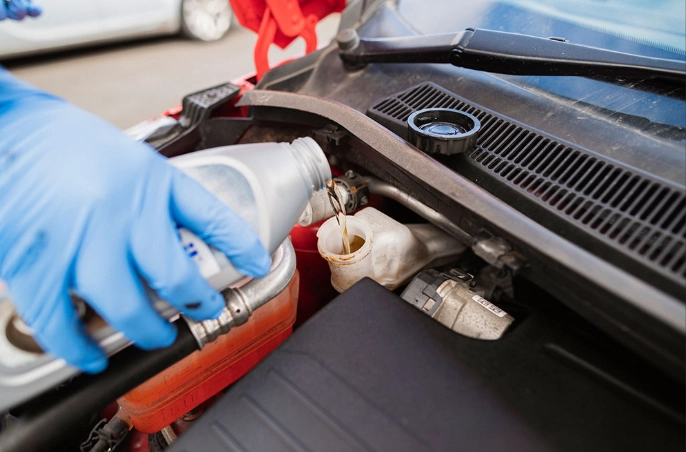
The good news? DOT 3, 4, and 5.1 are generally compatible and can be mixed in a pinch. DOT 4 is a direct upgrade from DOT 3. However, the golden rule is to use what your vehicle's manufacturer specifies. That information is on the brake fluid reservoir cap or in the owner's manual. Sticking with the recommended type ensures all the seals and materials in your system are designed for that specific fluid chemistry.
My personal take? For 90% of drivers with a modern car, DOT 4 is the sweet spot. It offers a meaningful boost in boiling point over DOT 3 for not much more money, giving you a wider safety margin. I switched my daily driver to a high-performance DOT 4 years ago and never looked back.
When Should You Change the Brake Fluid in Your Car?
Ah, the million-dollar question. You'll hear all sorts of answers: "Every 2 years," "Every 30,000 miles," "Just check the color." The truth is, it depends, but the conservative answer is usually right.
The primary enemy of brake fluid in a car is moisture absorption (for glycol-based fluids). It's hygroscopic, meaning it actively pulls water vapor from the air through microscopic pores in rubber hoses and even past the reservoir cap. This water:
- Lowers the fluid's boiling point dramatically (see the "Wet Boiling Point" in the table).
- Promotes internal corrosion of brake lines, calipers, and the master cylinder.
- Can lead to freezing in very cold climates, impeding brake function.
So, time is a major factor, regardless of mileage. A car that sits in a humid garage for two years may have worse fluid than one driven daily for the same period.
Manufacturer Intervals vs. The Real World
Check your manual. Some manufacturers are surprisingly lax, suggesting intervals like "inspect every X years/miles." Others, especially European brands like BMW, Mercedes, and VW, are strict about 2-year changes. I tend to side with the stricter schedule.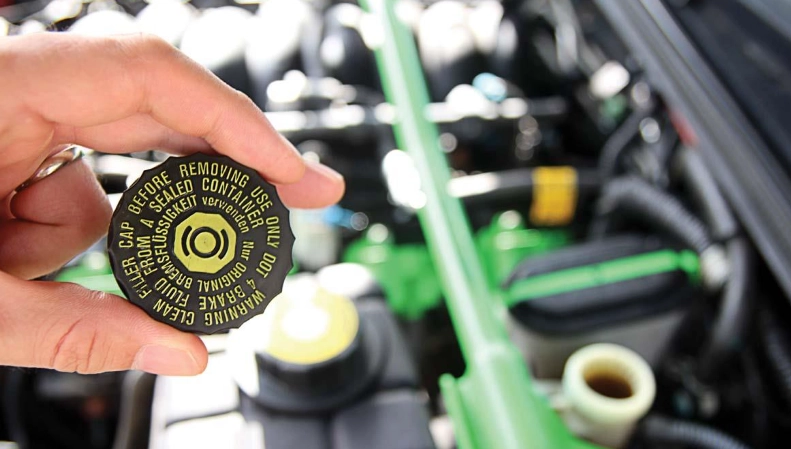
Consider a more aggressive change interval if:
- You live in a hot, humid climate (Florida, Southeast Asia).
- You do a lot of stop-and-go city driving or mountain driving (heavy brake use).
- You track your car or drive very aggressively on back roads.
- You notice any warning signs.
The Warning Signs: Is Your Brake Fluid Crying for Help?
Don't wait for the pedal to hit the floor. Look for these clues that the brake fluid in your car needs attention:
The Spongy Pedal Test: This is the classic sign. With the engine off, pump the brake pedal a few times to build pressure, then hold firm pressure on it. If the pedal slowly sinks towards the floor over 15-30 seconds, you likely have a leak or severely degraded fluid/air in the system. A healthy system should hold rock-solid pressure.
- Dark, Murky Fluid: New brake fluid is clear with a slight amber (like light beer) or purple tint (depending on type). If you look in the reservoir and it looks like strong coffee or motor oil, it's long overdue. Water and corrosion particles have contaminated it.
- ABS Pump Cycling More Often: On slippery surfaces, if you feel the ABS pump activating more readily or with a different pulse than before, old fluid with a low boiling point could be boiling at the calipers, confusing the system.
- The Brake Warning Light: Don't ignore it! While it often comes on for the parking brake, a persistent light could indicate low fluid level from a leak or worn pads.
I learned the "color" lesson the hard way. My old car's fluid looked okay from the top of the opaque reservoir. When we finally bled the brakes, what came out of the caliper was nearly black. The difference in pedal firmness afterward was night and day.
How to Check and Change Brake Fluid: A Realistic Look
Checking the Fluid Level and Condition
This is easy and should be part of a monthly under-hood check. Find the translucent plastic reservoir (usually at the back of the engine bay on the driver's side). It will have "MIN" and "MAX" lines.
Level: It should be between the lines. A level that's slowly dropping over time usually indicates normal pad wear (as pads wear, caliper pistons extend, taking up more fluid volume). A sudden drop means a leak—get it checked immediately.
Condition: Look at the color. Clear/amber = good. Dark brown/black = bad. Simple as that. Some shops and parts stores sell cheap brake fluid testers that measure water content via electrical conductivity. They're not lab-grade, but they can give you a helpful data point.
The Brake Fluid Change Process: Flush vs. Bleed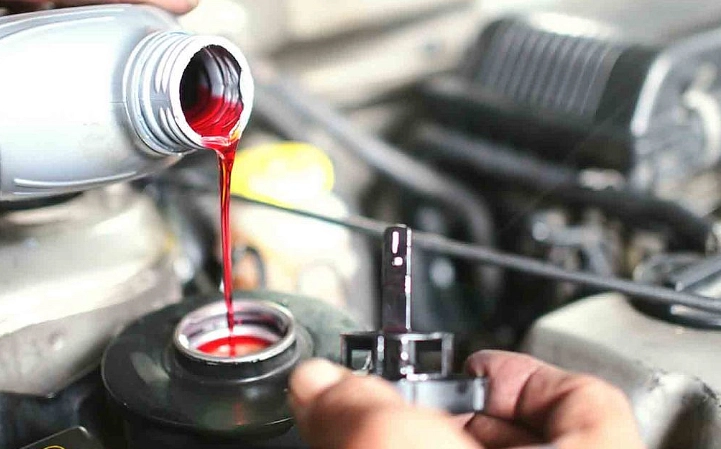
This is crucial to understand. A brake bleed is done to remove air from the system, usually after a repair like changing a caliper or brake line. You typically only go through a small amount of fluid.
A brake flush is what we're talking about for maintenance. The goal is to replace all the old, contaminated brake fluid in the car's entire hydraulic system—from the reservoir down to each caliper. This requires moving a significant volume of new fluid through to displace the old.
You can do this yourself with some mechanical confidence, a friend, and the right tools. Here's a simplified overview of the common “two-person method”:
- Gather Tools & Safety: You'll need new, unopened brake fluid (check your type!), a wrench for the bleeder valves (usually 8mm, 10mm, or 11mm), a clear plastic bleeder hose, a clean catch bottle, safety glasses, and gloves (brake fluid eats paint and is an irritant).
- Prep the Car: Secure the car on jack stands on level ground. Clean all the dirt from around the brake bleeder valves on each caliper. Remove most of the old fluid from the reservoir with a turkey baster or syringe, and fill it to MAX with new fluid. Keep it topped up throughout the process—never let the reservoir run dry or you'll introduce air and have to start over.
- The Bleeding Sequence: This matters because brake lines are routed in a specific way. The general rule is to start with the wheel farthest from the master cylinder and work your way to the closest. For most cars: Right Rear -> Left Rear -> Right Front -> Left Front. (Some European cars with a diagonal split system are different—check a service manual for your model). The SAE International provides the engineering standards that often inform these procedures.
- Perform the Flush: Attach the clear hose to the bleeder valve, put the other end in the catch bottle with some fluid in the bottom (to keep the end submerged and prevent air backflow). Have your helper press and hold the brake pedal down firmly. Open the bleeder valve about a quarter turn. Old, dark fluid (and possibly air bubbles) will flow out into the hose. Close the valve tightly, then have your helper slowly release the pedal. Repeat this process—pump, hold, open, close, release—until the fluid coming out of the hose runs completely clear and bubble-free.
- Repeat & Finish: Do this for each wheel in the correct order, constantly monitoring the reservoir level to ensure it never drops below the MIN line. When done on all four wheels, top off the reservoir to MAX, cap it securely, and double-check all bleeder valves are closed. Test the brake pedal feel (firm and high) before moving the car.
The Messy Reality Check: Doing this yourself is satisfying but can be frustrating. Bleeder valves love to seize and snap off, especially in rusty areas. If one feels like it's going to round off or break, stop. This is a sign to let a pro handle it. Also, disposing of the old fluid is a hassle—it's hazardous waste. Most auto parts stores will take it for free.
For many people, investing in a one-person brake bleeder kit (a vacuum pump or a pressure bleeder) is worth it. It makes the job cleaner, faster, and you don't need a helper. The FCP Euro YouTube channel has excellent, no-nonsense video tutorials on using these tools that I've found incredibly helpful.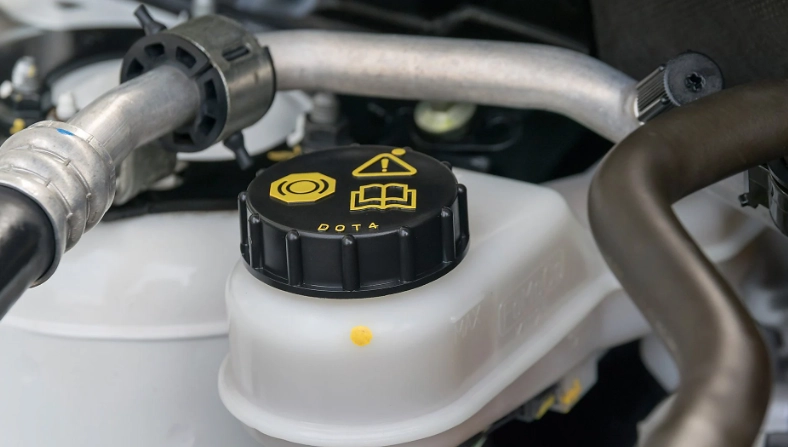
Your Brake Fluid Questions, Answered
Final Thoughts: Don't Let It Slide
We've covered a lot. The brake fluid in your car isn't a glamorous topic, but it's a perfect example of "out of sight, out of mind" maintenance that has direct, serious consequences for safety.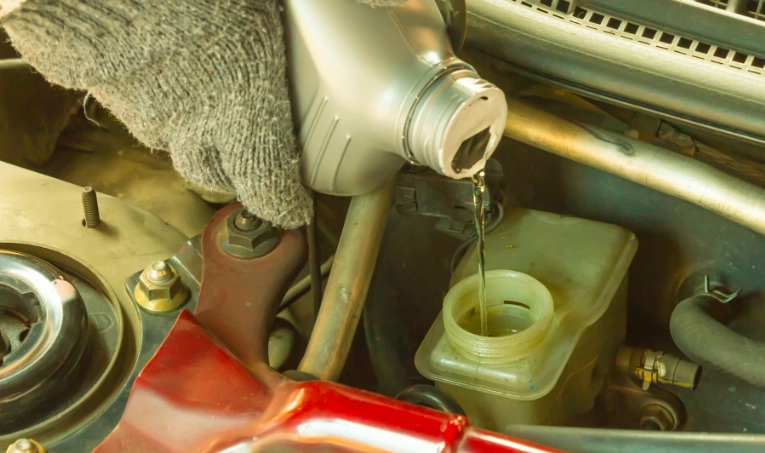
The takeaway isn't that you need to become a brake fluid expert tomorrow. It's to respect the interval. Whether you follow your manual's severe service schedule or just commit to a change every two or three years, putting it on your calendar is the single best thing you can do.
Check the color in the reservoir next time you pop the hood. If it's dark, make the call to your mechanic or set aside a Saturday morning to tackle it. The difference in pedal confidence is real. After changing mine that first time, the brakes just felt more immediate, more solid. It was a reminder that this hidden fluid is working hard every single time I drive.
Your brakes are a system. Great pads and rotors are useless without the proper hydraulic pressure delivered by fresh, clean fluid. Keep it fresh, and it will silently guard you, mile after mile.
For official safety information and recalls related to braking systems, you can always refer to the National Highway Traffic Safety Administration (NHTSA) website.