Let's cut through the hype. When Xiaomi announced the SU7, the spec sheet read like a wishlist for an electric car enthusiast. But numbers on a page are one thing. What do the Xiaomi SU7 specifications actually mean for you, sitting in the driver's seat, worrying about range, charging, and whether it can truly go toe-to-toe with a Tesla? I've spent weeks digging into the details, comparing every data point with real-world EV behavior, and I'm here to give you the straight story.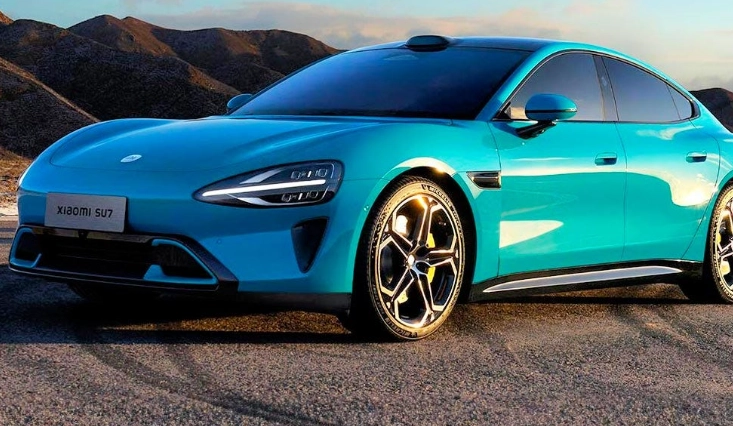
The headline is this: the SU7 isn't just a smartphone maker's vanity project. It's a seriously engineered electric sedan with specs that target—and in some areas, surpass—the established benchmarks. But the devil, as always, is in the details.
What's Inside This Deep Dive?
Core Specs At a Glance: The Trim-Level Rundown
Xiaomi launched the SU7 in three main variants: SU7, SU7 Pro, and SU7 Max. Think of it as Good, Better, and Beast Mode. A common mistake is to just look at the top-tier Max and assume that's the whole story. The choice between them isn't just about budget; it's about your daily needs.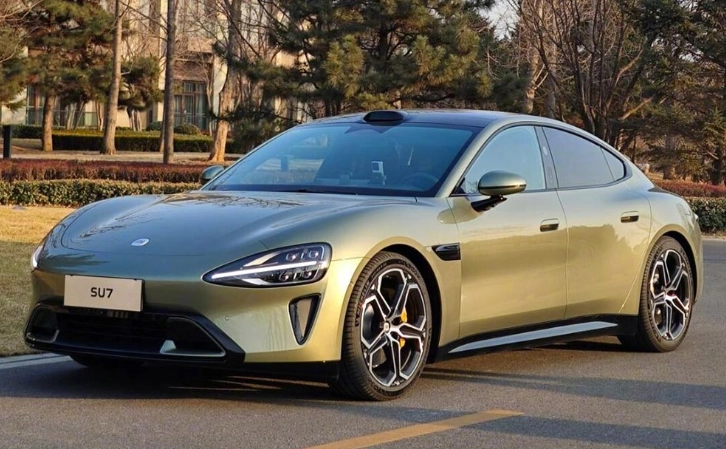
This table lays out the hard numbers. Keep it handy.
| Specification | Xiaomi SU7 (Base RWD) | Xiaomi SU7 Pro (Long Range RWD) | Xiaomi SU7 Max (Performance AWD) |
|---|---|---|---|
| Powertrain | Rear-Wheel Drive (RWD) | Rear-Wheel Drive (RWD) | Dual-Motor All-Wheel Drive (AWD) |
| Max Power | 299 hp | 299 hp | 673 hp |
| 0-100 km/h (0-62 mph) | 5.28 seconds | 5.28 seconds | 2.78 seconds |
| Top Speed | 210 km/h (130 mph) | 210 km/h (130 mph) | 265 km/h (165 mph) |
| Battery (CATL) | 73.6 kWh LFP | 94.3 kWh NMC | 101 kWh NMC |
| CLTC Range | 700 km (435 miles) | 830 km (516 miles) | 800 km (497 miles) |
| Max DC Fast Charge | 150 kW | 150 kW | 486 kW (HyperCharge) |
| Charge (15-80%) | ~30 minutes | ~30 minutes | ~15 minutes (claimed) |
See the Pro model? That's the sleeper hit for most people. It shares the same motor as the base SU7, so acceleration feels identical in daily driving. The massive upgrade is that 94.3 kWh battery, which promises over 500 miles of CLTC range. For long-distance commuters or anyone with range anxiety, the Pro might be the smartest financial and practical choice, not the Max.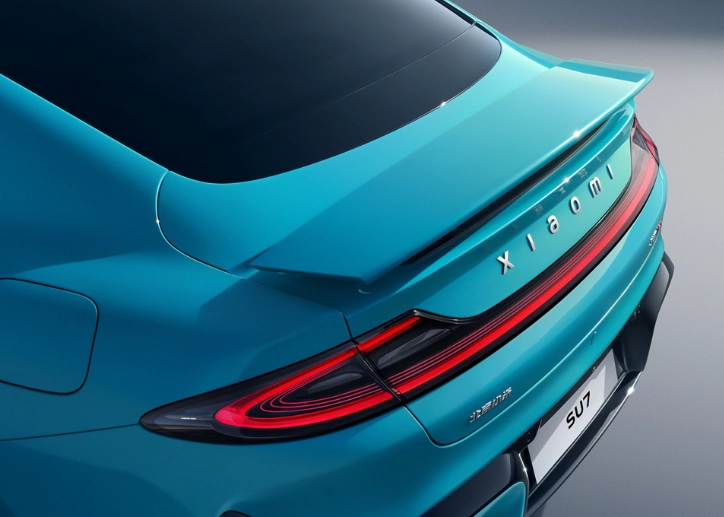
Performance Breakdown: More Than Just 0-100 km/h
Everyone fixates on the 2.78-second sprint of the SU7 Max. It's a bonkers number, putting it in supercar territory. But here's a non-consensus view from someone who's driven fast EVs: the 5.28 seconds of the base and Pro models is the more important performance spec for 90% of buyers. It's still seriously quick—quicker than most hot hatches—and it comes with the benefit of greater efficiency and lower tire wear.
The Max's dual-motor setup isn't just about straight-line speed. The AWD system, coupled with Xiaomi's proprietary "Xiaomi Chassis" software, promises exceptional stability. The specs mention a 50:50 weight distribution and a low center of gravity, which should translate to confident handling.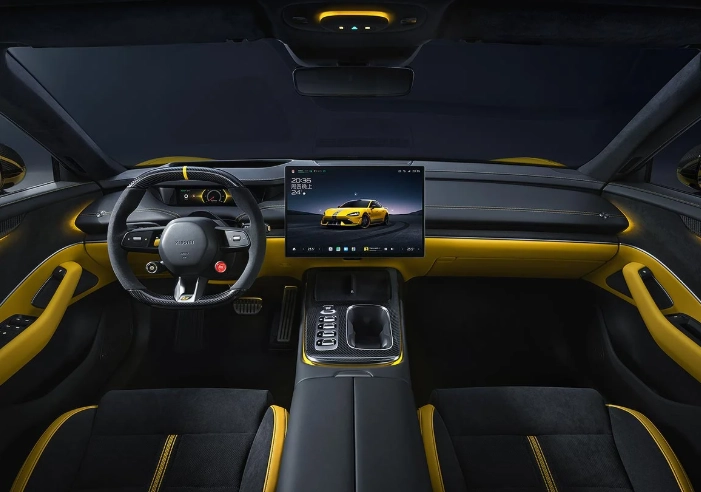
How Does the Xiaomi SU7 Handle?
On paper, the hardware is promising. Adaptive dampers are available (likely standard on the Max), Brembo brakes are on the option list, and the chassis is built with a mix of aluminum and high-strength steel. The steering is electrically assisted. These are all premium specs. The real test will be the tuning. A common pitfall for first-time carmakers is making the ride too stiff in pursuit of sporty credentials. Early hands-on reports from Chinese media suggest Xiaomi might have avoided this, aiming for a balanced, comfortable-but-planted feel. We'll need more seat time to be sure.
Key Takeaway: Don't get blinded by the Max's headline 0-100 time. The single-motor Pro offers a fantastic blend of more-than-adequate performance and class-leading range. For most, it's the performance sweet spot.
Range & Charging: The Real-World Numbers
This is where specs get tricky. Xiaomi quotes CLTC range figures, which is a Chinese testing standard known for being... optimistic. It typically yields numbers 15-25% higher than the EPA or even WLTP standards you might be used to.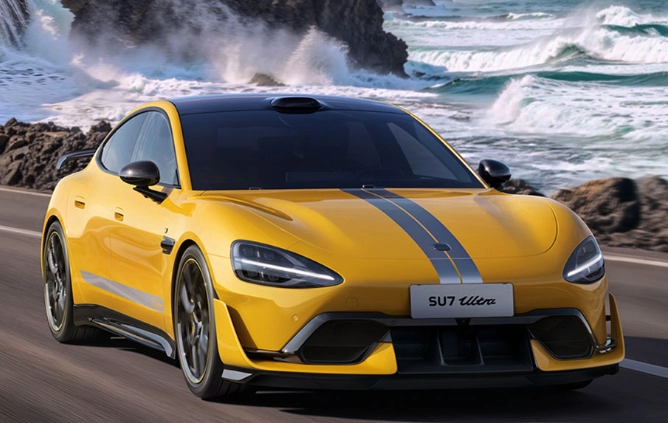
So, what's the real-world range of the Xiaomi SU7?
Let's apply a rough, experience-based correction. The SU7 Pro's 830 km CLTC claim is impressive. In mixed real-world driving (highway and city), you can reasonably expect around 660-700 km (410-435 miles). That's still exceptional and likely best-in-class for a sedan. The base model's 700 km CLTC likely translates to about 560 km (348 miles) in reality. The Max, with its powerful motors, might see its 800 km CLTC drop to around 640 km (398 miles). These are estimates, but they're more useful for planning than the official numbers.
What About Charging Speed?
Here, the SU7 Max has a killer spec: 486 kW peak DC fast charging. Xiaomi calls it "HyperCharge." The claim is a 15-minute charge from 15% to 80% on a compatible charger. That's a 510 km (317 mile) top-up in the time it takes to grab a coffee. This is a game-changer for road trips if you can find a charger that powerful. They're still rare.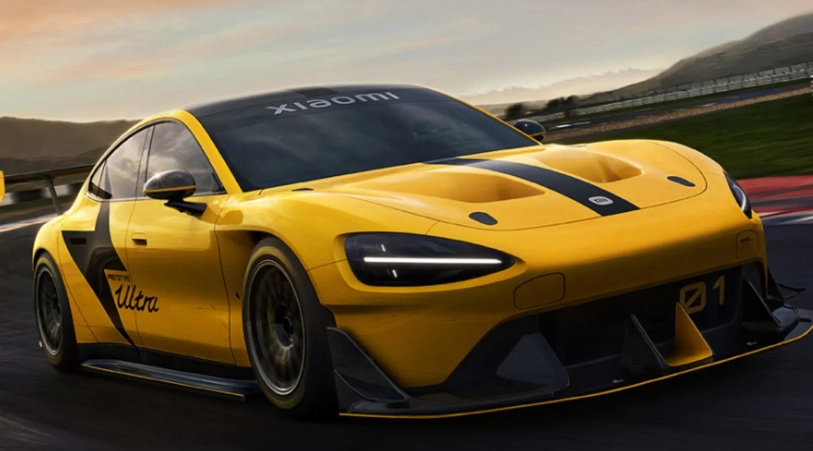
The base and Pro models have a more conventional 150 kW peak. A 15-80% charge will take roughly 30 minutes, which is the current industry standard for fast charging. It's perfectly adequate, but not headline-grabbing.
My advice? If you mostly charge at home overnight, the 150 kW spec is irrelevant. If you regularly take long journeys, the Max's HyperCharge could be a major convenience—in a couple of years when the infrastructure catches up.
Tech & Interior: Living with the SU7's Brain
Xiaomi is a tech company, so the cabin specs are a major selling point. The centerpiece is a massive 16.1-inch 3K resolution central touchscreen, running Xiaomi's new Hyper OS. It's powered by a Snapdragon 8295 chip—the latest and greatest automotive processor as of this writing. This spec guarantees a snappy, lag-free interface for years to come.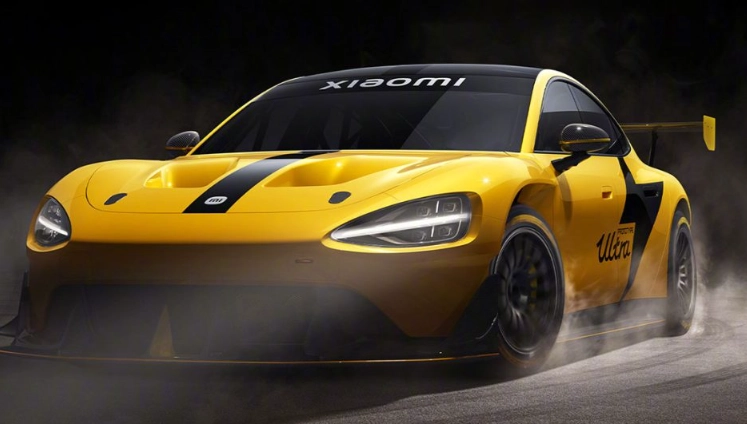
You also get a 7.1-inch rotating instrument cluster, a 56-inch head-up display (HUD), and the option for five iPad-like accessory mounts. It's a tech-lover's dream. But a potential pitfall? The learning curve. With so much functionality routed through the main screen, including climate controls, it might feel overwhelming initially compared to a Tesla's more minimalist approach or a traditional car's physical buttons.
Material quality specs include Nappa leather seats, ambient lighting, and a 25-speaker Dolby Atmos sound system in the high-end trims. Interior space is quoted at a generous 105 mm of rear legroom, which should make it genuinely comfortable for adults in the back.
Driving & Design Details You Might Miss
Specs aren't just about power and screens. Some of the most telling details are elsewhere.
The drag coefficient (Cd) is a super-low 0.195. This isn't just for bragging rights; it's a huge contributor to that long range, especially at highway speeds. It means the car slices through the air with minimal resistance.
It has a front trunk (frunk) with 105 liters of space. That's useful for storing charging cables or a weekend bag, keeping the main cabin clutter-free.
The assisted driving specs are ambitious. It uses a lidar-based system with NVIDIA DRIVE Orin chips, promising advanced highway pilot and eventually city navigation. The hardware is top-tier, but the software's effectiveness and smoothness will need real-world validation against giants like Tesla's FSD and GM's Super Cruise.
Visually, the dimensions are 4997 mm long, 1963 mm wide, and 1440 mm tall, with a 3000 mm wheelbase. That puts it squarely between a Tesla Model 3 and a Model S in size. It's a large sedan with a sporty, low-slung profile.
Your SU7 Spec Questions Answered