What’s Inside This Guide
- Fuel Filter Truck Basics: What It Is and Why You Can't Ignore It
- How to Choose the Right Fuel Filter for Your Truck: A Buyer's Checklist
- A Realistic Maintenance Schedule & Step-by-Step Change Guide
- Troubleshooting Common Fuel Filter Truck Problems
- Top Fuel Filter Brands: A Quick, Opinionated Rundown
- The Future and Some Final, Real Talk
Let's talk about something that doesn't get the glory but absolutely deserves it: the fuel filter on your truck. If you're managing a fleet, driving a rig, or just trying to keep your heavy-duty workhorse alive, you know that engine problems are a nightmare. And more often than not, the root of those nightmares can be traced back to a tiny, often overlooked component – the fuel filter. A fuel filter truck setup isn't just an accessory; it's the kidney for your diesel engine, filtering out the junk that can bring a $20,000+ engine to its knees.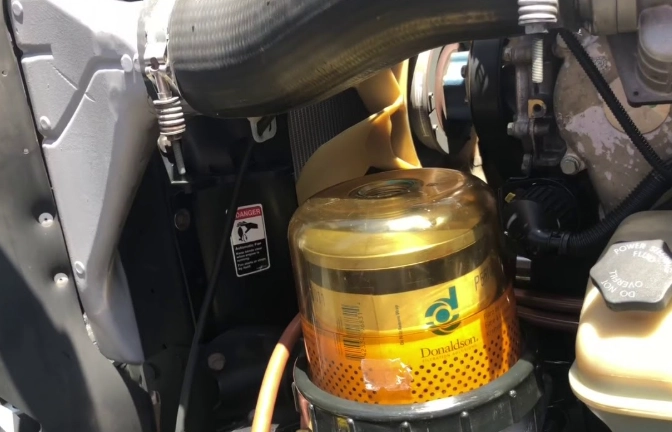
I've seen it firsthand. A buddy of mine ignored his filter changes to save a few bucks, thinking it was just a "recommendation." Six months later, he was staring at a repair bill for injector replacements that cost more than some used cars. The mechanic held up the old filter – it was basically a plug of black sludge. That was the moment it clicked for me. This stuff matters.
So, what's this guide about? It's everything I wish someone had laid out for me clearly. We're going to strip away the marketing fluff and get into what a truck fuel filter really does, why choosing the right one is more art than science, how to maintain it without losing your mind, and how to troubleshoot when things go south. Whether you're a seasoned fleet manager or an owner-operator, there should be something useful here.
Fuel Filter Truck Basics: What It Is and Why You Can't Ignore It
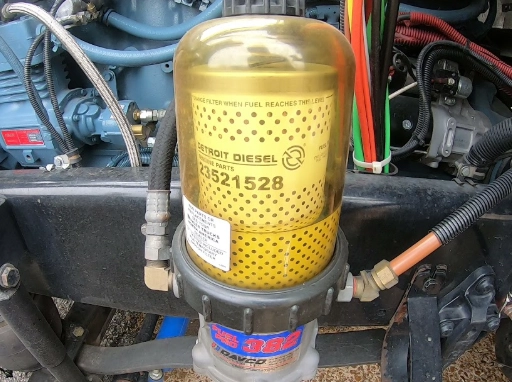
At its core, a fuel filter for a truck is a barrier. Diesel fuel, despite coming from a pump, isn't clean. It contains microscopic contaminants like dirt, rust from storage tanks, water (from condensation is a huge one), and even microbial growth called "diesel algae." Modern diesel engines, especially those with high-pressure common rail (HPCR) fuel systems, have tolerances tighter than a watch mechanism. A piece of grit smaller than a human hair can wreak havoc on precision components like fuel injectors and pumps.
A typical fuel filter truck system isn't just one canister. Many heavy-duty trucks use a two-stage filtration system:
- Primary Filter/Water Separator: This is the first line of defense. It's usually a larger unit that targets bulk water and larger particles. It often has a water-in-fuel sensor and a drain valve at the bottom. This is the workhorse that gets the big stuff.
- Secondary Filter: This is the final guard, placed just before the fuel pump or injectors. It's a fine-micron filter that catches the tiny, abrasive particles the primary filter missed. This is what directly protects your engine's heart.
The micron rating is key here. A micron is one-millionth of a meter. Most primary filters are in the 10-30 micron range, while secondary filters for modern engines can be as fine as 2-5 microns. Going too fine can restrict flow; going too coarse won't protect your engine. It's a balance.
How to Choose the Right Fuel Filter for Your Truck: A Buyer's Checklist
This is where most people get overwhelmed. Walk into a parts store, and you're faced with a wall of options from a dozen brands, all claiming to be the best. Let's cut through the noise. Choosing isn't about grabbing the shiniest box or the cheapest one. It's about matching the filter to your truck's specific needs and your operating conditions.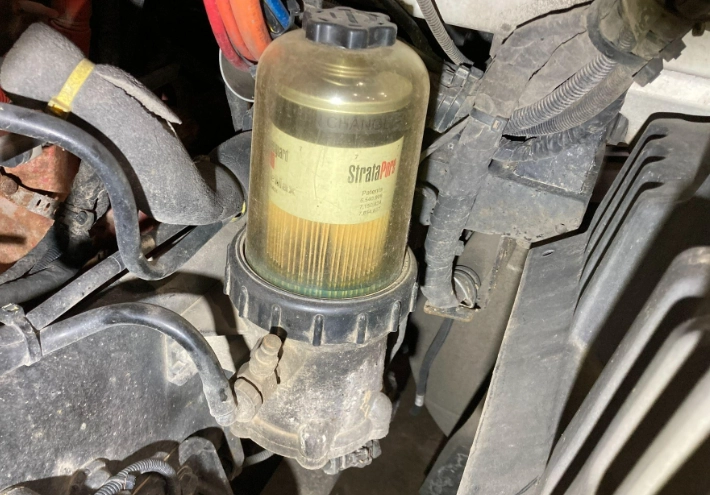
Here’s a practical checklist I use:
1. Match the Specs, Not Just the Brand
Your truck's manufacturer spent millions engineering the fuel system. The OEM filter specifications (micron rating, flow rate, bypass valve setting) are there for a reason. Start with your owner's manual or a reliable parts database. The filter must have the correct:
- Micron rating (e.g., 5 micron absolute vs. nominal – absolute is a stricter standard).
- Burst pressure rating.
- Bypass valve opening pressure. This is critical! If it opens too early, unfiltered fuel flows to the engine. Too late, and the filter can collapse or starve the engine of fuel.
2. Understand Your Operating Environment
A dump truck working in a dusty quarry has different needs than a highway sleeper cab. Consider:
- Dusty/Dirty Conditions: You might benefit from a filter with a higher dirt-holding capacity or consider more frequent changes.
- Cold Climate Operations: Look for filters with anti-icing additives or built-in heaters to prevent waxing (when paraffin in diesel solidifies). The National Institute for Automotive Service Excellence (ASE) has great resources on cold-weather maintenance.
- High Humidity/Water Exposure: A primary filter with an efficient water separator and a clear, easy-to-drain bowl is non-negotiable.
3. The Synthetic vs. Cellulose Media Debate
This is a big one. Most standard filters use pleated cellulose (paper) media. It works. But synthetic media (like glass microfibers or other composites) is becoming the go-to for severe service.
| Feature | Cellulose Media | Synthetic Media |
|---|---|---|
| Filtration Efficiency | Good, but can vary | Consistently high, often better at capturing fine particles |
| Dirt Holding Capacity | Lower | Significantly higher (can be 2-3x more) |
| Water Resistance | Paper can degrade when saturated | Excellent; doesn't break down with water exposure |
| Flow Rate | Can restrict as it loads up | Maintains better flow over its life |
| Cost | Lower upfront cost | Higher initial price, but longer service life |
My take? For most over-the-road applications, a quality cellulose filter changed on schedule is perfectly fine. But if you're in extreme conditions, running expensive new equipment, or want to extend change intervals (with oil analysis proof), synthetic is worth the investment.
A Realistic Maintenance Schedule & Step-by-Step Change Guide
The manual says 15,000 miles. The guy at the shop says 30,000. Who's right? Honestly, they both might be wrong for your specific truck. The single best piece of advice I can give is this: Your maintenance schedule should be based on condition, not just mileage or time.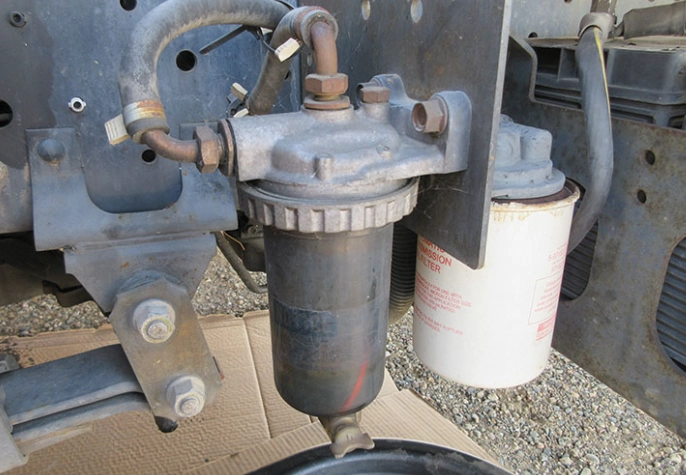
Here’s a more nuanced approach:
- Baseline: Follow the OEM interval as a maximum, not a target. If the manual says 15,000 miles, plan for 12,000-13,000.
- Monitor Fuel Quality: Buying fuel from a high-turnover truck stop is generally safer than from a backroad station with old tanks.
- Use the Water Drain Valve! This is the easiest pro-active move. Drain a small amount from the primary filter bowl into a clear container every time you check your oil. If you see water or sediment, it's a sign you might need an early change.
- Consider Oil Analysis: Companies like Blackstone Laboratories offer fuel analysis. For a fleet, testing a sample from a truck can tell you about contamination levels and help optimize your fuel filter truck change interval scientifically.
Changing the Filter: A Practical Walkthrough
Let's say it's time. Here's the process, with the gotchas they don't always tell you.
- Safety First: Work in a well-ventilated area. Have absorbent pads ready. Relieve fuel system pressure if possible (many trucks have a schrader valve on the fuel rail).
- Gather Tools: New filter(s), a strap wrench or proper filter socket, a drain pan, clean rags, and a small amount of clean diesel fuel or the specific filter primer/lube if required.
- Remove the Old Filter: Place the drain pan underneath. Loosen the filter with your tool. Expect some fuel spillage – that's normal. Inspect the old filter! Look for metal shavings (bad sign – indicates pump wear), excessive sludge, or water. Smell the fuel. Does it smell like rotten eggs? That could be bacterial contamination.
- Prepare the New Filter: This step is crucial. Fill the new filter with clean diesel fuel before installing it. This prevents a dry start, which can air-lock the system and cause extended cranking or damage the fuel pump. Also, lightly lubricate the gasket with clean fuel or oil.
- Install & Prime: Hand-tighten the new filter. Don't crank it on with the wrench – just snug it plus maybe a quarter to half-turn after the gasket contacts the housing. Refer to the filter's instructions. Many modern truck fuel filter housings have a manual primer pump. Use it until you feel firm resistance, indicating the system is purged of air.
- Start and Check: Start the engine. It might crank a bit longer than usual. Let it idle and check meticulously for leaks around the filter seal. Listen for any unusual noises from the fuel pump.
Troubleshooting Common Fuel Filter Truck Problems
Even with perfect maintenance, problems pop up. Here's how to diagnose the usual suspects.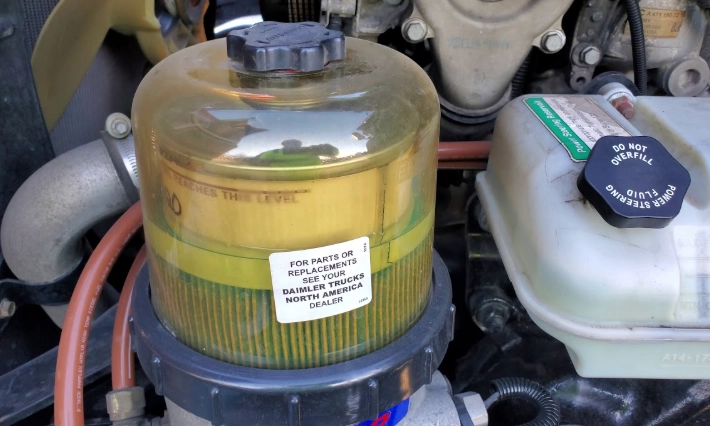
Top Fuel Filter Brands: A Quick, Opinionated Rundown
Look, I'm not here to shill for any brand. But over the years, you develop preferences based on consistency, availability, and performance. Here's my totally subjective take on a few major players you'll encounter when shopping for a fuel filter truck replacement.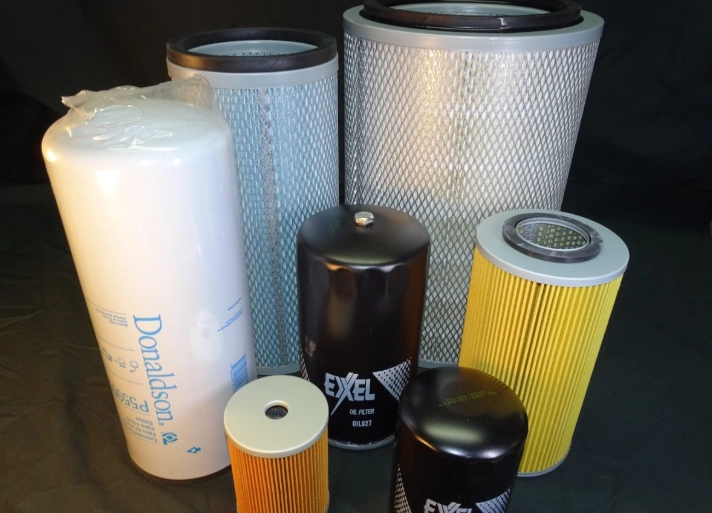
Donaldson: Another industry heavyweight. Fantastic engineering, especially in their complex multi-stage assemblies and coalescers. If your truck has a unique or complex truck fuel filter housing, Donaldson likely makes a high-quality solution for it.
Baldwin / Luber-finer: The value champions. Solid quality, often a bit more affordable than Fleetguard/Donaldson, and available everywhere. I've used countless Baldwin filters with zero issues. A reliable, no-surprise choice for standard service.
Wix (NAPA Gold): Excellent consumer-grade filters. Their synthetic media options are good. For the average owner-operator or small fleet, a Wix filter from NAPA is a perfectly smart buy.
Off-Brand / White Box Filters: Here's my negative opinion: I'm skeptical. I've cut some open and found fewer pleats, cheaper glue, and inconsistent media. The risk of a faulty bypass valve or media collapse isn't worth saving $10. For a critical component, stick with a known brand.
The Future and Some Final, Real Talk
Fuel filtration isn't getting simpler. With biodiesel blends (like B20) becoming more common, filters have to handle new challenges like solvent action (which can loosen tank sludge) and increased water attraction. The move toward even higher injection pressures means tolerances get tighter, making filtration more critical than ever.
The U.S. Department of Energy's Vehicle Technologies Office has published clear info on how vital clean fuel is for modern diesel efficiency and emissions. It's not just about protecting your asset; it's about keeping it running cleanly and efficiently.
So, what's the bottom line on your fuel filter truck strategy?
Don't overthink it, but don't ignore it. Pick a quality filter from a reputable brand that matches your truck's specs. Change it on a conservative schedule, or better yet, based on condition. Learn how to do it yourself – it's one of the most satisfying and money-saving maintenance jobs there is. And finally, listen to your truck. A sudden loss of power or a new warning light is it trying to tell you something. The fuel filter is often the first place to look.
It's a small part with a massive job. Treat it right, and it'll help ensure your truck is a source of income, not a source of never-ending repair bills. Now go check your water drain valve.