You turn the key. Nothing happens. Or maybe you hear a sad clicking sound. Your heart sinks. Is it the battery or the starter? Throwing parts at the problem is expensive. A new battery can run you $150, a starter $400 or more with labor. Knowing which one is failing saves you time, money, and a huge headache. Let's cut through the guesswork. I've been fixing cars for over a decade, and I'll show you exactly how to tell if a battery or starter is bad using simple logic and a few basic tools.
What You'll Learn in This Guide
The Quick Symptom Breakdown: Click vs. Crank vs. Nothing
Listen first. The sounds your car makes (or doesn't make) are the biggest clue. Most people get this wrong because they don't pay close enough attention to the type of click or crank.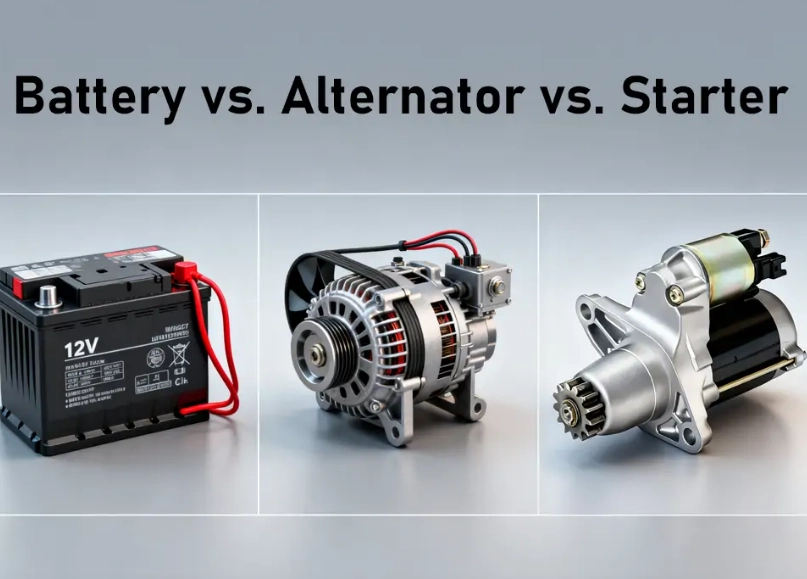
| Symptom | Points To Battery | Points To Starter |
|---|---|---|
| Single loud click, then nothing | Maybe | Very Likely. The solenoid is engaging, but the motor isn't spinning. |
| Rapid, frantic clicking | Extremely Likely. There's just enough power to pull in the solenoid, but not enough to turn the starter. | Unlikely |
| Slow, labored cranking (like "rrr...rrr...rrr") | Classic Battery. The battery is weak but not totally dead. | Possible, but less common. Could be a worn starter drawing too much current. |
| Whirring or spinning sound but engine doesn't turn over | No | Definitely Starter. The starter motor is spinning, but the drive gear isn't engaging the flywheel (a "freewheeling" starter). |
| Complete silence, no lights on dash | Check Battery Connections First. Could be a dead battery or terrible corrosion. | Very Unlikely. A bad starter won't kill your dash lights. |
| Grinding metal noise during cranking | No | Starter. The drive gear is worn and grinding against the flywheel. |
Sounds are a great starting point, but they're not definitive. I've seen weak batteries cause a single solid click that mimicked a bad starter. That's why we test.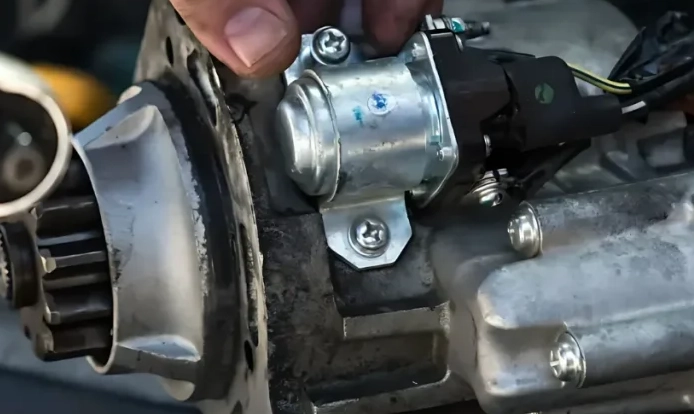
How to Diagnose a Bad Car Battery (Step-by-Step)
Always start with the battery. It's the most common culprit and the easiest to check. You'll need a multimeter. A cheap one from the hardware store for $20 works fine.
Step 1: The Visual and Connection Check
Open the hood. Look at the battery terminals. Are they covered in a white, blue, or green crusty substance? That's corrosion, and it acts like a blanket, preventing power from flowing. Clean them with a wire brush and a mix of baking soda and water. Wiggle the cables. They should be tight, with no movement. A loose ground cable can cause all sorts of phantom issues.
Step 2: Measure Resting Voltage
Set your multimeter to DC Volts (20V range). Turn the car completely off. Wait 30 minutes if you just tried to start it. Touch the red probe to the positive (+) terminal and the black probe to the negative (-) terminal.
- 12.6V or higher: Battery is fully charged. Good.
- 12.4V: Battery is about 75% charged. It's okay, but not great.
- 12.0V or lower: Battery is discharged (below 50%). This is weak. It might start the car on a warm day, but probably not on a cold morning.
- Below 11.8V: The battery is severely discharged. This is a strong indicator it's failing or there's a parasitic drain killing it.
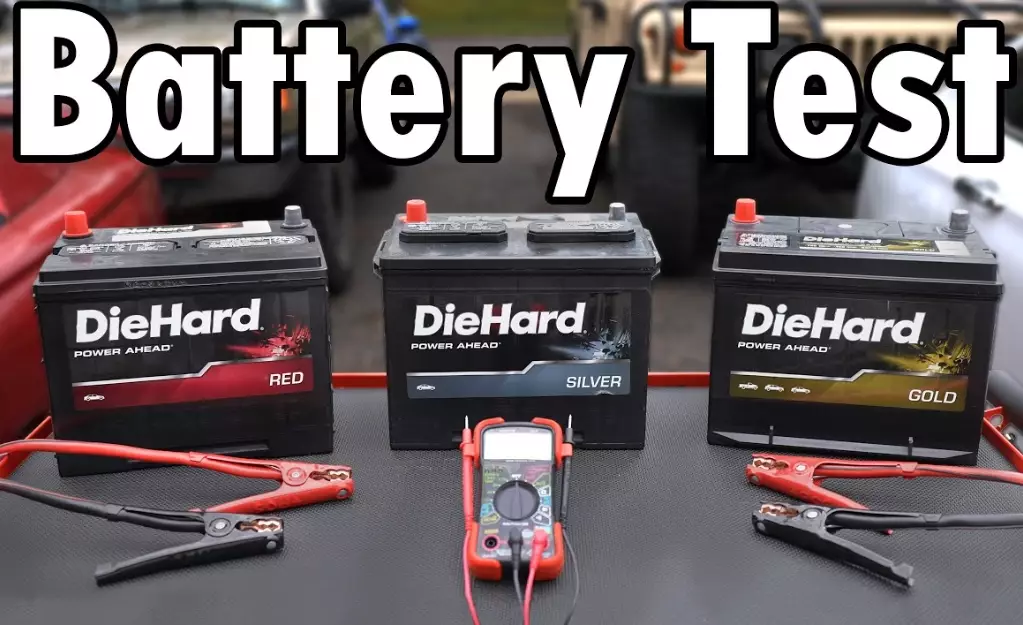
Step 3: Measure Voltage While Cranking (The Load Test)
This is the money test. Have a helper turn the ignition key to "start" while you watch the multimeter. Warning: Stay clear of moving parts.
Watch the voltage.
- A healthy battery will drop to about 10.0V or higher and hold steady while cranking.
- A weak or bad battery will plunge dramatically, often below 9.5V. If it drops to 8V or lower, the battery is almost certainly toast. It can't handle the load.
If the battery passes the load test (holds above 9.6V), but the car still won't start, the problem is almost certainly not the battery. Your attention now shifts to the starter or its circuits.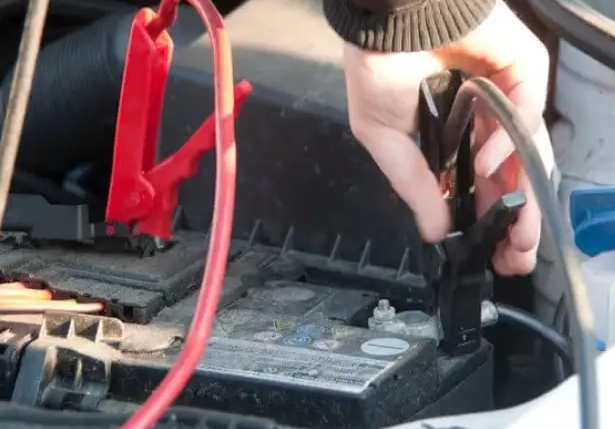
How to Test Your Starter Motor
If the battery checks out, it's starter time. Testing a starter is trickier because it involves more components: the starter motor itself, the solenoid on top of it, and the control circuit from the ignition switch.
The "Tap Test" (A Temporary Fix, Not a Diagnosis)
You might have heard this one. If you tap the side of the starter motor lightly with a hammer or wrench while someone tries to start the car, and it suddenly works, it points to worn brushes inside the starter. It's a last-ditch trick to get home, not a repair. The starter needs replacement.
Checking for Power at the Starter
This is more advanced. You need to locate the starter (usually on the lower side of the engine, near the transmission). Find the main thick cable from the battery—it should have 12V all the time. Then find the smaller "S" or "ST" terminal wire (the signal wire from the ignition).
Use your multimeter to check for voltage on this small wire when the key is turned to "start". If you have 12V here, the ignition switch and related fuses/relays are telling the starter to engage. If you have power here but the starter does nothing (and the battery is good), the starter itself is faulty.
If you have no power at the small wire when cranking, the problem is upstream: a bad ignition switch, a faulty neutral safety switch (automatic), clutch switch (manual), or a broken wire. This is a common misdiagnosis—people replace a perfectly good starter when the real issue is a $30 switch.
The Professional's Secret: The Voltage Drop Test
Here's a gem most DIYers miss. A battery can test fine, and the starter can get the signal, but a bad connection can strangle the power flow. You test for this by measuring voltage drop—the voltage lost across a connection due to resistance.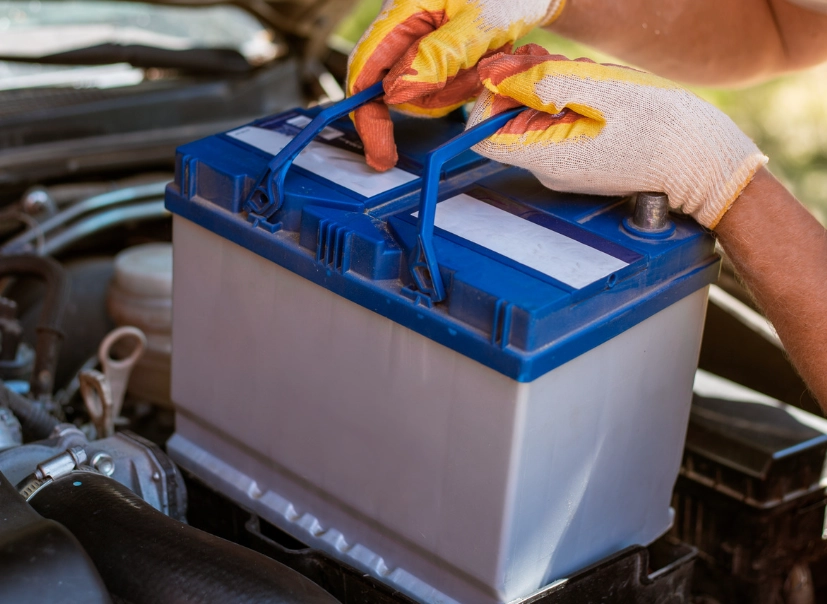
Set your multimeter to DC Volts (low scale).
- Test the Positive Side: Put the red probe on the battery's positive post (not the cable clamp). Put the black probe on the starter's main power terminal (the big nut where the battery cable connects). Have a helper crank the engine. You should see less than 0.5V. If you see 1V or more, there's high resistance in that cable or its connections.
- Test the Negative Side (Ground): Put the red probe on the battery's negative post. Put the black probe on a clean, bare metal spot on the engine block. Crank again. Again, it should be less than 0.5V. A higher reading means a bad ground connection.
I've fixed countless "bad starter" complaints just by cleaning and tightening the battery cables or fixing a corroded ground strap. This test proves it.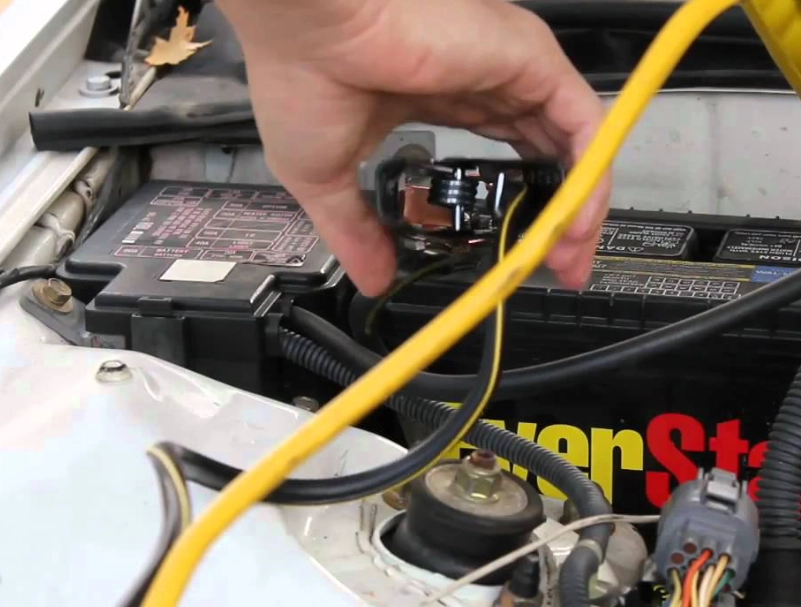
Your Top Questions Answered
The bottom line is this: diagnosing a no-start condition is a process of elimination. Start with the simple, free checks (listening, looking at connections). Then move to the battery with a multimeter. Only after confirming the battery and its connections are solid should you suspect the starter. Using this logical approach, you'll almost always find the real problem without wasting money on the wrong part. And if you're ever unsure, a reputable mechanic with a proper load tester and scan tool can provide a definitive diagnosis.