Your car's fuel efficiency average isn't just a number on a sticker. It's the real, live story of how much gas your vehicle drinks, told in miles per gallon (or liters per 100 km). It's the difference between the optimistic promise of the dealership brochure and the sometimes-harsh reality of your daily commute. Knowing your true average, and more importantly, how to influence it, is the single most effective way to predict your fuel costs and take control of them. Forget generic advice; let's talk about what actually moves the needle on your dashboard.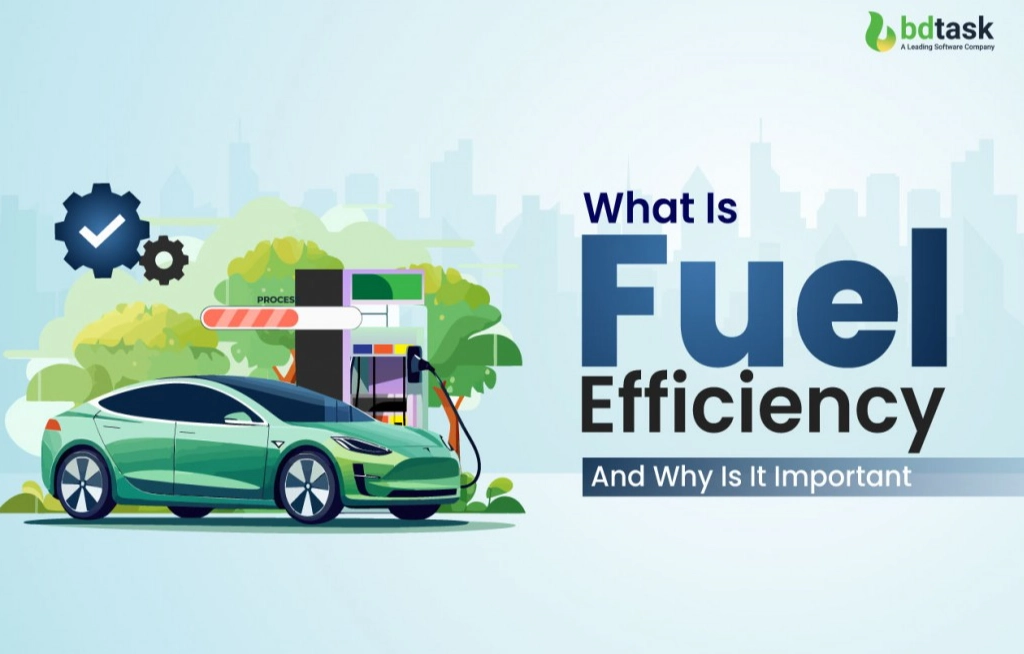
What You'll Learn Inside
What Fuel Efficiency Average Really Means
When we say "fuel efficiency average," we're talking about a calculated snapshot of your car's performance over a specific distance. It's not a fixed rating. The EPA sticker on a new car? That's an estimate based on controlled lab tests. Your actual average is a dynamic, living metric shaped by your driving, your car's health, and your environment.
Here's the thing most people miss: there are two key averages you should care about.
Your Lifetime/Cumulative Average: This is the big picture. It's what your trip computer might show if you rarely reset it. It's useful for long-term tracking but can be slow to reflect changes in your habits.
Your Trip/Tank Average: This is your tactical tool. Reset it at every fill-up. This number tells you how efficient your last tank of gas was. Did that new route to work help? Did aggressive driving last weekend tank your numbers? The trip average gives you immediate feedback.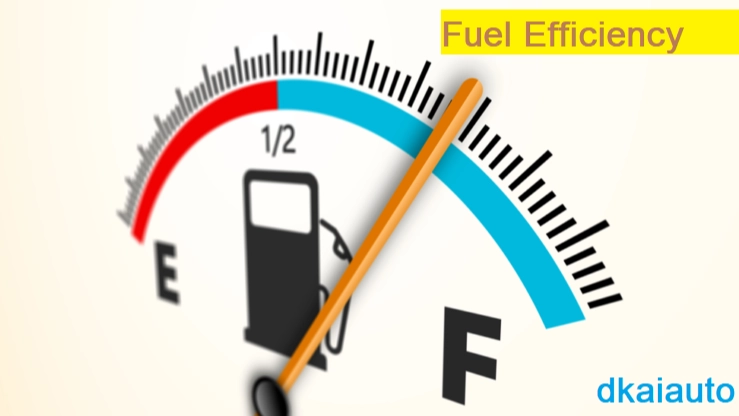
A common misconception is that a car with a 30 MPG rating will always get 30 MPG. In reality, according to the U.S. Department of Energy, most drivers achieve about 15-20% lower fuel economy than the official EPA rating due to real-world conditions. Your personal average is what you budget with.
How to Calculate Your True MPG (The Right Way)
Don't blindly trust your dashboard computer. They're good, but they're estimators. For absolute accuracy, the old-school manual calculation is king. It's simple and reveals the truth.
Here's your step-by-step process:
- Fill Up Completely. At the pump, fill your tank until the nozzle clicks off. Don't "top it off." This is your starting point.
- Reset Your Trip Odometer. Set it to zero. Or, note your vehicle's total mileage.
- Drive Normally. Go about your regular driving—commute, errands, a trip. Use at least half a tank for a better sample size.
- Fill Up Again. Return to the pump and fill the tank completely again, noting how many gallons (or liters) it takes to fill.
- Do the Math. Divide the miles you drove (from your trip odometer) by the gallons you just put in.
Formula: Miles Driven ÷ Gallons Used = Your Actual MPG
Example: Your trip odometer reads 320 miles. It took 10.5 gallons to refill. 320 ÷ 10.5 = 30.5 MPG. That's your true fuel efficiency average for that tank.
Do this for three or four tanks. You'll get a solid, reliable average that accounts for different driving days. I keep a small notebook in my glove box or use a simple app. Seeing the numbers in your own handwriting makes it real.
What Actually Wrecks Your Fuel Economy
Understanding what drags your number down is half the battle. It's not always the obvious stuff.
The Driving Habits That Are Costing You
Aggressive driving is the killer. Jackrabbit starts and hard braking can lower your highway gas mileage by 15-30% and city mileage by 10-40%, according to DOE data. It's not about speed; it's about smoothness. Think of it like sipping a drink vs. gulping it.
Excessive idling is pure waste. Idling for more than 10 seconds uses more fuel than restarting your engine. The modern engine doesn't need a "warm-up" beyond 30 seconds, even in cold weather.
Vehicle Condition & Maintenance (The Silent Killers)
People check oil, but they ignore these:
Under-Inflated Tires: This is the most common, easiest-to-fix problem. Tires low by 10 PSI can reduce fuel economy by about 1%. They also wear out faster. Check pressure monthly when tires are cold.
Dirty Air Filter: A clogged filter chokes the engine, making it work harder. On older cars with carburetors, this is a big deal. On modern fuel-injected cars, the impact is smaller but still present under heavy load.
Old Engine Oil & Ignition Components: Dirty oil creates more friction. Worn spark plugs cause incomplete combustion. Your engine management system tries to compensate, often by using more fuel.
Environmental & Load Factors
You can't control the weather, but you should know its impact. Cold weather hurts efficiency—thicker oil, longer warm-up times, winter fuel blends, and using accessories like defrosters and seat heaters.
Roof racks and cargo boxes? They murder aerodynamics. A loaded roof rack can cut fuel economy by 2-8% on the highway. If it's empty, take it off.
| Factor | Potential Impact on Fuel Efficiency Average | Quick Fix |
|---|---|---|
| Aggressive Driving | Reduce by 15-40% | Accelerate & brake smoothly |
| Under-Inflated Tires | Reduce by ~1% per 10 PSI low | Check monthly, inflate to door jamb spec |
| Roof Cargo Box | Reduce by 2-8% (highway) | Remove when not in use |
| Using A/C at 65 mph | Reduce by 1-4 MPG vs. windows down | At highway speed, use A/C; in city, consider windows |
| Carrying 100 lbs extra weight | Reduce by ~1% | Clean out your trunk |
Actionable Steps to Improve Your MPG
Let's move from theory to action. You don't need a new car.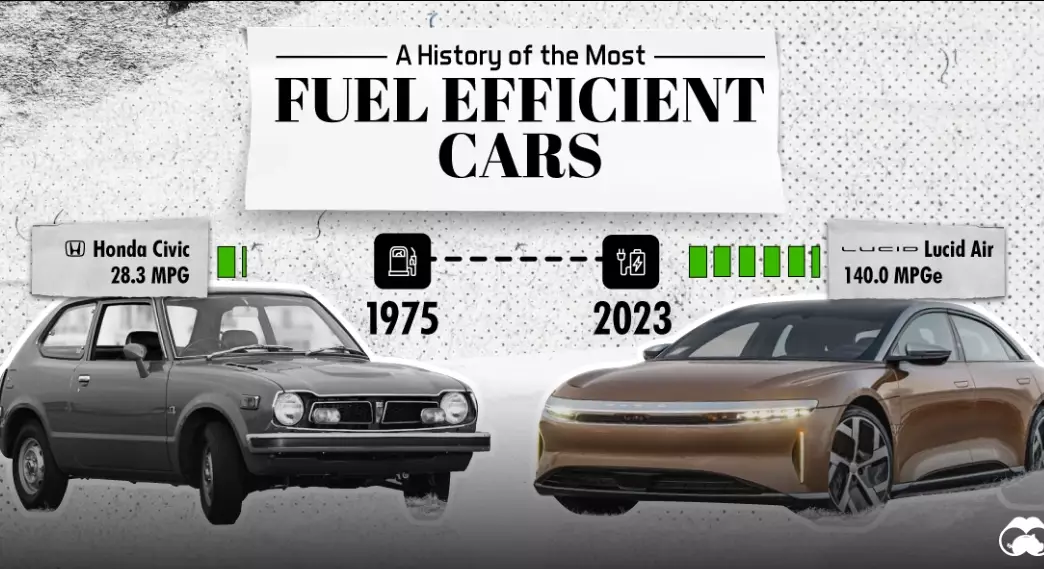
Start with the Free Stuff: The most significant improvements cost nothing. Changing your driving behavior is 100% free and yields immediate results.
1. Master the Pulse-and-Glide Technique (on the Highway). This isn't hypermiling extremism. On a flat, open highway, gently accelerate to slightly above your target speed (e.g., 73 mph), then take your foot completely off the gas and let the car coast down to slightly below (e.g., 67 mph). Repeat. You're using the car's momentum, not the fuel injectors, for chunks of time. I've added 2-3 MPG on long trips doing this. It requires attention but becomes second nature.
2. Plan and Combine Trips. A cold engine is inefficient. Several short, separate trips from a cold start can use twice the fuel as one longer, multi-stop trip with a warm engine. Batch your errands.
3. Be a Tire Pressure Nazi. I check mine the first Saturday of every month. Use a good digital gauge, not the one at the gas station. Inflate to the pressure listed on your driver's door jamb sticker, not the max pressure on the tire sidewall.
4. Lighten the Load. Go through your trunk and back seat. That bag of sports gear, the case of water, the collection of random stuff—it all adds weight. Every 100 pounds reduces MPG by about 1%. It's a small gain, but it's free.
5. Use Cruise Control on the Highway. It's better at maintaining a constant speed than your foot is, eliminating the subtle speed creep that burns extra fuel. But turn it off in very hilly terrain, where it might downshift aggressively to maintain speed.
6. Maintain Strategically. Follow your manufacturer's severe service schedule if your driving is mostly short trips or in extreme conditions. Use the recommended grade of motor oil. A tune-up for an obviously poorly running car can help, but don't expect magic from spark plugs on a modern car that's running fine.
The goal isn't perfection. It's progress. Pick one or two of these tactics this month. Track your tank averages. You'll see the difference.
Your Fuel Efficiency Questions Answered
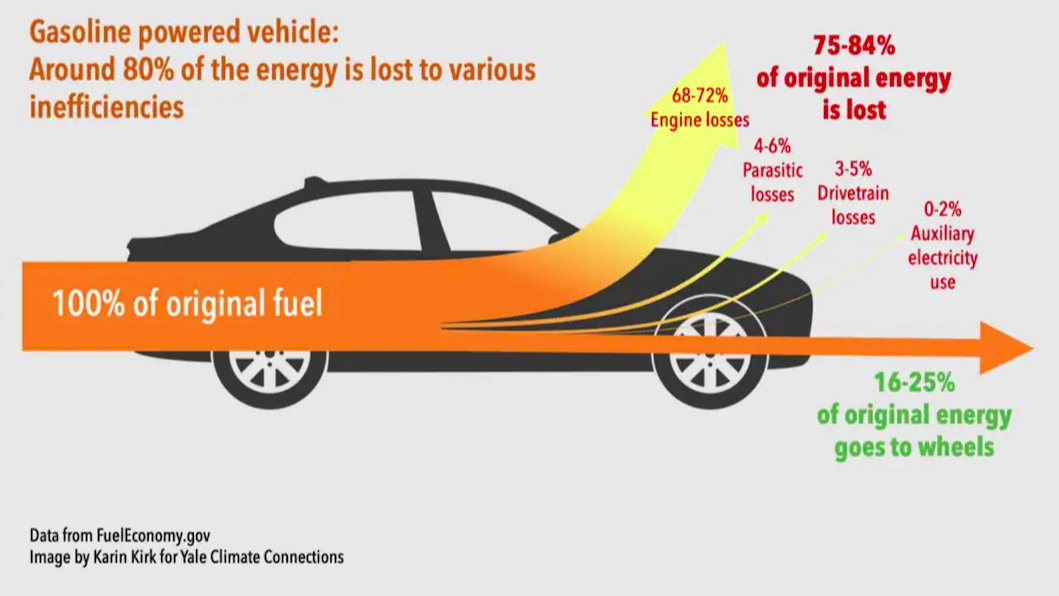
EPA tests are done in a lab on a dynamometer under ideal, controlled conditions—perfect temperature, no wind, gentle acceleration. Real-world driving includes traffic, weather, hills, and human behavior. The sticker is a useful comparison tool between cars, not a promise. A 15-20% real-world reduction is typical and completely normal.
This has a clear breakpoint. At lower speeds (under about 45 mph), open windows have less drag, so turning off the A/C saves fuel. At highway speeds, the aerodynamic drag from open windows forces the engine to work much harder. Above 65 mph, using the A/C is usually more efficient than driving with all windows down. The sunroof tilted up (venting) creates less drag than windows down.
 Do fuel additives or "miracle" devices actually improve MPG?
Be deeply skeptical. The U.S. Federal Trade Commission has sued numerous companies over false fuel economy claims for devices and additives. For a modern, well-maintained car, reputable top-tier gasoline already has effective detergents. The biggest gains come from maintenance and driving habits, not bottles. Save your money for new tires or an alignment, which will actually help.
Idling gets you 0 MPG. It's a direct drain. The rule of thumb from most experts: if you're going to be stopped for more than 10 seconds (except in heavy, stop-and-go traffic where safety is a concern), turn the engine off. Modern starters are designed for far more cycles than old ones. The fuel used to restart is less than what you'll burn idling for half a minute. In drive-thrus or waiting to pick someone up, shut it off.
 My fuel efficiency has suddenly dropped. What should I check first?
Sudden drops point to a mechanical issue, not just driving. Follow this checklist: 1) Tire Pressure: A single low tire or slow leak. 2) Brakes: A caliper sticking or dragging. After a drive, carefully feel each wheel hub. One that's much hotter than the others indicates a stuck brake. 3) Air Filter: A severely clogged filter. 4) Engine Sensors: A failing oxygen sensor or mass airflow sensor can send incorrect data, messing up the fuel mixture. If the basics check out, a scan tool can read trouble codes even before the "Check Engine" light comes on.