Quick Guide
- Why Bother? It's More Than Just Wiping Water
- When Is It Time for a Windshield Wiper Replacement?
- The Heart of the Matter: Choosing Your New Wipers
- Size Matters: How to Get It Right
- The Step-by-Step Windshield Wiper Replacement (It's Easier Than You Think)
- What's This Going to Cost Me?
- Keeping Your New Wipers Happy: Maintenance Tips
- Your Windshield Wiper Replacement Questions, Answered
- The Final Wipe
Let's be real. Most of us don't think about our windshield wipers until they completely fail in the middle of a downpour. You know the scene – that frantic swishing sound, the horrible streaking that makes it look like you're driving through a car wash full of Vaseline, and the sudden panic when you realize you can't see the road. It's not just annoying; it's a genuine safety hazard. I've been there, and it's a terrible feeling.
But here's the good news: a windshield wiper replacement is one of the easiest, most satisfying DIY jobs you can do on your car. You don't need to be a mechanic. You don't need fancy tools. And you certainly don't need to pay a shop an hour's labor for a five-minute task. This guide is going to walk you through the whole process, from figuring out if you even need new wipers to picking the right ones, installing them yourself, and keeping them in top shape. We'll cut through the marketing nonsense and give you the straight talk.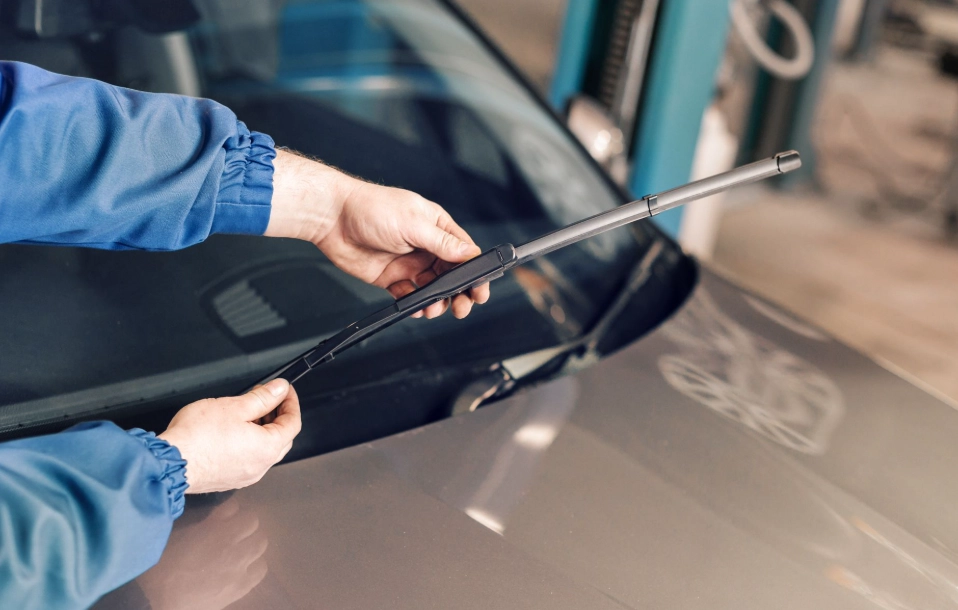
Why Bother? It's More Than Just Wiping Water
What's the big deal? They're just rubber strips, right? Wrong. Think of your wipers as a critical part of your car's safety system, right up there with brakes and tires. The National Highway Traffic Safety Administration (NHTSA) consistently cites poor visibility as a major contributing factor in thousands of accidents every year. Worn wipers don't just smear; they leave a thin, uneven film of dirt and road grime that can create massive glare from oncoming headlights at night.
Beyond safety, there's the sheer frustration factor. That chattering, skipping, squealing noise is enough to drive anyone crazy on a long drive. A proper windshield wiper replacement restores peace, quiet, and most importantly, a crystal-clear view.
When Is It Time for a Windshield Wiper Replacement?
Manufacturers will tell you to change them every 6-12 months. That's a decent rule of thumb, but it's not gospel. Your climate is the real boss here. If you live in Arizona with blistering sun that bakes and cracks the rubber, you might need them more often than someone in mild, rainy Seattle. The rubber simply deteriorates from UV exposure, ozone, and temperature swings.
Here are the undeniable signs you're overdue:
- Streaking: This is the classic. Instead of clearing water, they leave behind distinct, persistent lines. The rubber edge has worn unevenly or developed tiny cracks.
- Chattering or Skipping: The blade jumps and bounces across the glass instead of gliding smoothly. This often means the frame is bent, the rubber is hardened and lost its flexibility, or there's a buildup of wax/debris on your windshield.
- Squealing: That high-pitched screech is usually a sign of dry, hardened rubber dragging across the glass.
- Visible Damage: Take a close look. Do you see cracks, tears, or chunks missing from the wiping edge? Is the metal frame corroded or bent? Time's up.
- Missed Spots: Large patches of the windshield aren't being touched at all. The blade isn't conforming to the curve of your glass anymore.
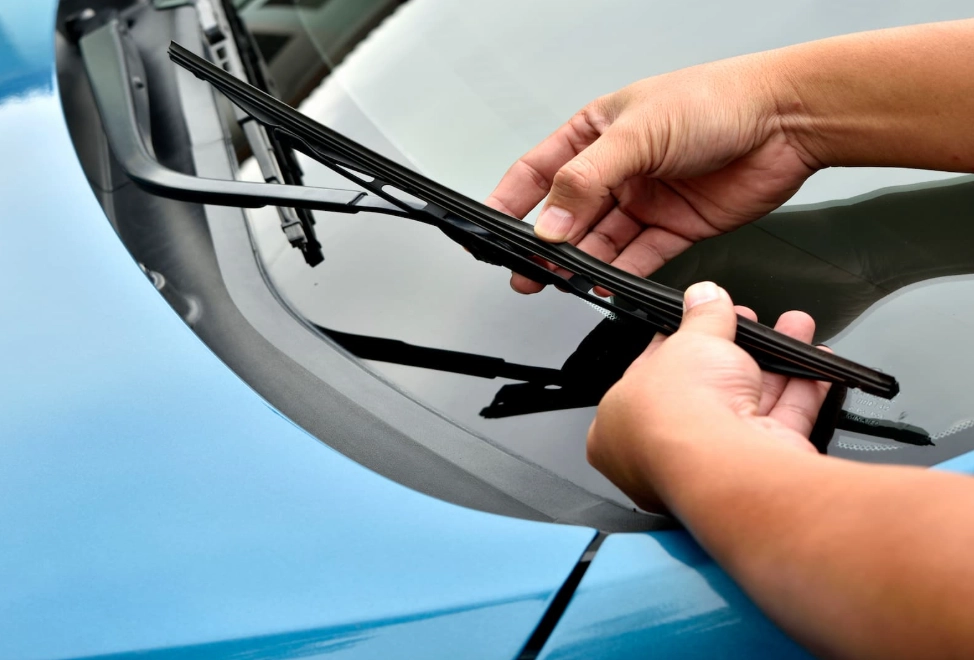
The Heart of the Matter: Choosing Your New Wipers
This is where most people get overwhelmed. The auto parts store aisle looks like a rainbow of packages, all claiming to be the "best." Let's break down the main types so you can make an informed choice for your windshield wiper replacement.
| Type | How It Works | Pros | Cons | Best For... |
|---|---|---|---|---|
| Traditional/Conventional (Frame Blades) | Multiple metal hinges hold a rubber blade. The classic design. | Inexpensive. Works on most older car windshields with simple curves. | Can ice up in winter. More parts can mean more noise. Less uniform pressure. | Budget-conscious drivers with older vehicles. A basic, functional choice. |
| Beam Blade (Flat Blades) | Single, sleek piece of spring steel with a rubber wiping edge encased in it. No external frame. | Excellent all-weather performance (sheds ice/snow). Quiet. Sleek look. Uniform pressure across the blade. | More expensive. Can sometimes have fitment issues on very curved windshields. | Most modern cars. Drivers in snowy/winter climates. Anyone wanting a premium, quiet wipe. |
| Hybrid | A mix. Has a slim external frame for structure but uses a beam-style rubber element. | Good balance of cost and performance. Often fits where pure beam blades struggle. | Can be a compromise that doesn't excel in either category. | A solid middle-ground option if you're unsure. |
| Specialty/Heated | Beam blades with built-in heating elements to melt ice and snow on contact. | Game-changer for severe winter climates. No more scraping. | Very expensive. Requires a specific electrical connection in your wiper arm (not all cars have this). | Those who live where winter is a serious, months-long event. |
My personal take? For probably 80% of drivers on modern cars, a good quality beam blade is the way to go. The performance difference is noticeable, especially in heavy rain. They just work better. But if your budget is tight, a conventional blade from a reputable brand is still miles better than a worn-out one.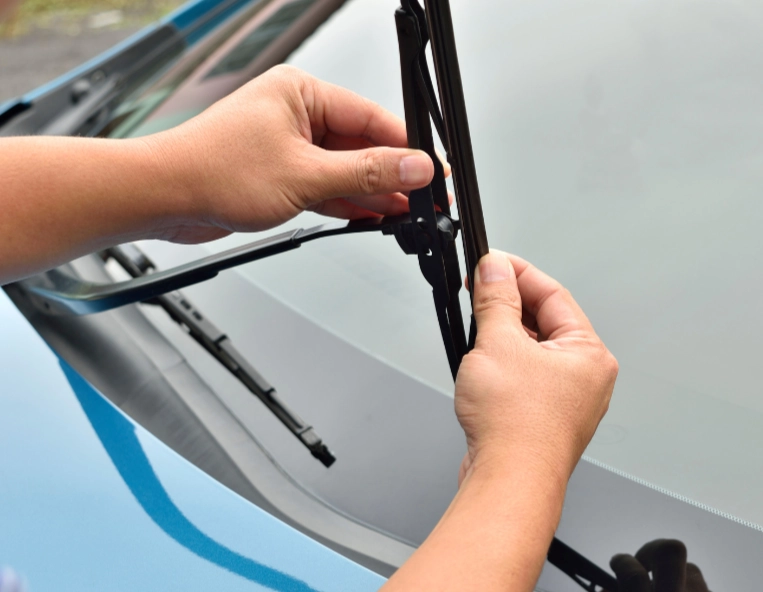
Size Matters: How to Get It Right
This is the most common mistake. Don't guess. The wrong size means poor contact and a failed windshield wiper replacement job.
Method 1: Check Your Owner's Manual. It's in the glove box for a reason. It will list the exact sizes.
Method 2: Measure the Old Blade. Use a tape measure or ruler. Measure the metal frame or rubber blade from one end to the other (in inches). Most passenger cars are between 16" and 28".
Method 3: Use a Store Lookup Tool. Most major auto parts store websites (like AutoZone, O'Reilly, or Advance Auto Parts) have a vehicle lookup tool. Put in your car's year, make, and model, and it'll tell you the sizes. This is usually very reliable.
The Step-by-Step Windshield Wiper Replacement (It's Easier Than You Think)
Okay, you've got your new blades. Let's get them on. The whole process should take 10-15 minutes tops. The key is to be gentle and not force anything.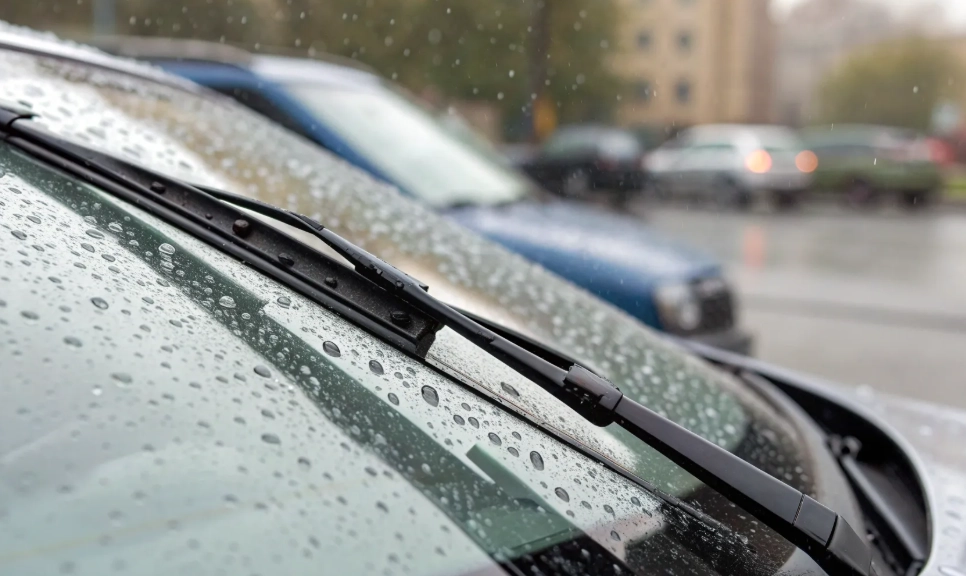
Step 1: Prep Your Car. Park on level ground. Turn the ignition to "On" and then turn it off again. Immediately move the wiper stalk to the "mist" or single swipe position. The wipers will move up and stop in the "service position," perpendicular to the windshield. This gives you full access. If your car doesn't have this, you can manually lift the arms away from the glass after turning the car off. CRITICAL: Always put a folded towel or an old blanket over the windshield right under where the wiper arm hinges. If the arm slips and snaps back, it will hit the towel, not your glass. A metal arm can easily crack or chip your windshield.
Step 2: Release the Old Blade. This is the only part that varies. Look at how the old blade connects to the metal wiper arm. The most common modern connector is a "J-hook" or "side lock." There's a small plastic tab you press or lift to unlock the blade, then you slide it off the hook. It might be stiff if it's old. Wiggle it gently. Some older cars have a pin you push out with a small screwdriver. The new blade's packaging will almost always have a diagram or even a small plastic adapter kit. Take a moment to figure it out.
Step 3: Attach the New Blade. Line up the new blade's connector with the hook or pin on the wiper arm. You should hear or feel a firm, satisfying click when it locks into place. Give it a gentle tug to make sure it's secure. It shouldn't move.
Step 4: Lower the Arm Gently. Carefully lower the wiper arm back down onto the windshield. Don't let it snap back. Do this for both sides.
Step 5: The Final Test. Turn your car's ignition back on. Use your windshield washer fluid. Do the new blades sweep smoothly and quietly? Do they clear the entire area without streaks? Congratulations, you've successfully completed a windshield wiper replacement!
What's This Going to Cost Me?
Let's talk money, because that's a huge factor in the decision.
- DIY (You Buy the Blades): This is your cheapest route. A decent pair of beam blades from a good brand (think Bosch, Rain-X, Michelin) will typically run you between $40 and $70 for a set. Economy conventional blades can be as low as $15-$25 for a pair. You're paying for materials only.
- Professional Installation (Dealer or Shop): Here, you're paying for parts and labor. A dealership might charge $80-$150+ for the whole service. A quick-lube or auto parts store might do it for a small fee ($10-$20) if you buy the blades from them, which is a decent compromise if you're really uncomfortable doing it.
The American Automobile Association (AAA) recommends regular wiper replacement as a key low-cost maintenance item that provides high safety returns. Investing $50 once or twice a year is trivial compared to the cost of even a minor fender-bender caused by poor visibility.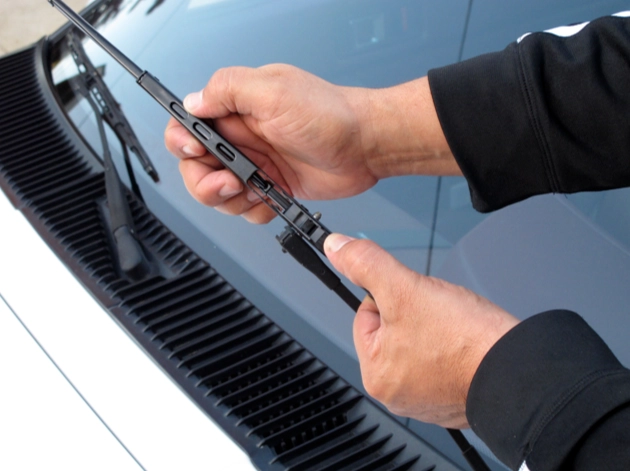
Keeping Your New Wipers Happy: Maintenance Tips
You've done the windshield wiper replacement, now make it last.
- Clean Your Windshield. Seriously. A dirty windshield covered in bugs, sap, or road film is the #1 enemy of wiper blades. It grinds the delicate rubber edge down. Use a proper automotive glass cleaner, not just Windex, and a clean microfiber cloth regularly. I like to give the blades themselves a wipe with rubbing alcohol on a paper towel every few months to remove any oily buildup.
- Lift Them in Winter. If you know ice or snow is coming, lift the wiper arms away from the glass the night before. This prevents them from freezing to the windshield, which can tear the rubber when you try to yank them free.
- Don't Use Them as Ice Scrapers. Never turn on your wipers to clear solid ice or packed snow. You'll burn out the motor and shred the blades. Scrape and brush first.
- Use Washer Fluid, Not Water. Good quality washer fluid has detergents to clean and antifreeze properties. Plain water doesn't clean well and can freeze in the lines.
Your Windshield Wiper Replacement Questions, Answered
The Final Wipe
Look, a windshield wiper replacement isn't glamorous. No one's going to compliment you on your clean wiper arcs. But it's one of those simple, empowering bits of car care that makes a world of difference in your daily driving experience and safety. You get the satisfaction of fixing it yourself, you save money, and you gain the confidence to tackle other small jobs.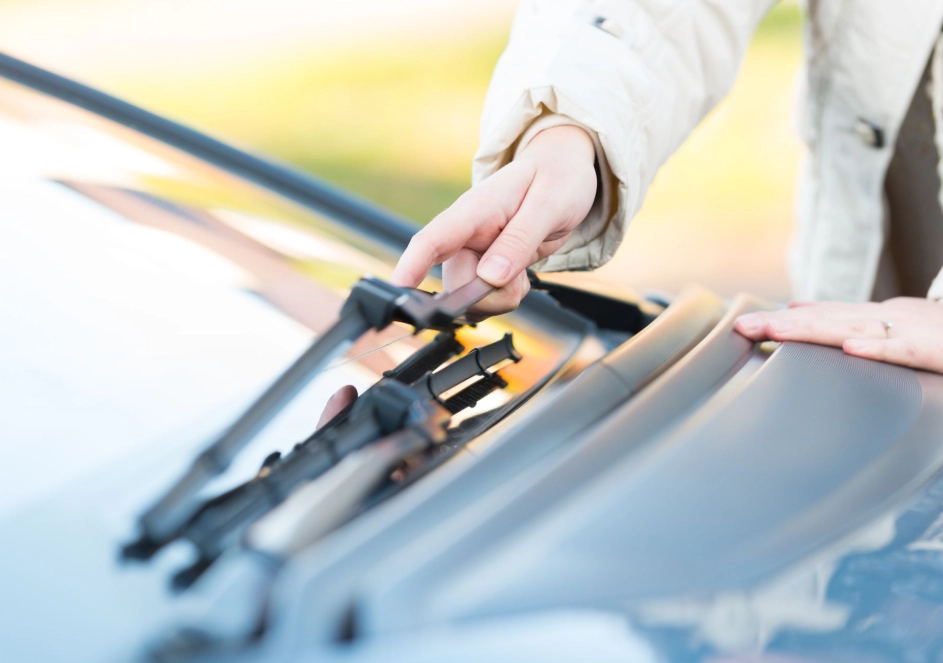
Don't wait for the next big storm to leave you blind. Take five minutes right now to look at your wipers. Run your finger along the rubber edge. Do they feel smooth and pliable, or cracked and brittle? Test the washer fluid. If you see any of the warning signs we talked about, make a plan to get it sorted this weekend. Your future self, driving calmly through a rainstorm with a perfectly clear view, will thank you.
Clear vision isn't a luxury; it's a necessity. And now you know exactly how to maintain it.