Quick Navigation
- The Top Signs Your Shock Absorbers Are Worn Out
- Beyond the Basics: Other Clues and Context
- Shock Absorbers vs. Struts: What's the Difference for Diagnosis?
- What to Do If You Think Your Shocks Are Bad
- Choosing Replacement Shocks: A Quick Comparison
- Common Questions About Bad Shocks (FAQ)
- Final Thoughts: Trust Your Gut and Get It Checked
Let's be honest. Most of us don't think about our car's shock absorbers until something feels... off. That vague feeling that your ride isn't as smooth as it used to be, or a sudden wobble when you hit a bump you've driven over a hundred times. You might find yourself asking, "Is it just me, or is the car handling weird?" More often than not, that weird feeling is your suspension trying to tell you something.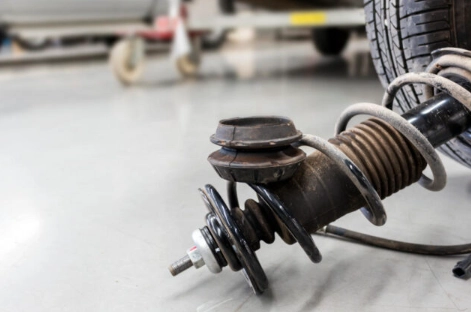
I remember ignoring the signs on my old sedan for way too long. I just chalked it up to the car getting older. Then I hit a series of potholes on a rainy highway, and the car felt like it was floating side-to-side instead of gripping the road. It was a genuinely scary few seconds. That was the wake-up call. Worn shocks aren't just about comfort—they're a core part of your vehicle's safety system. So, let's break down exactly how do you know if your shocks are bad, without any mechanic jargon, just plain talk.
Listen up: Bad shock absorbers compromise your tire's contact with the road. This directly affects braking distance, cornering stability, and control, especially in emergency maneuvers. It's not a "fix it later" item.
The Top Signs Your Shock Absorbers Are Worn Out
Shocks (and their closely related cousins, struts) don't usually fail all at once. They wear out gradually. That's why the symptoms creep up on you. You get used to the degraded performance little by little. Here are the red flags to watch for, ranked from the most common "aha!" moments to the more subtle clues.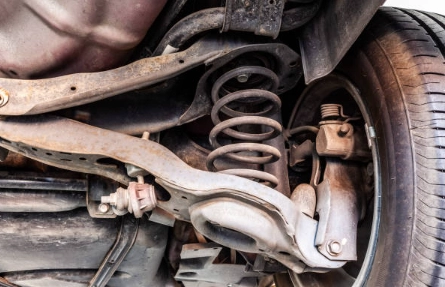
The Bounce Test (Your First DIY Check)
This is the classic test for a reason—it's simple and reveals a lot. Park on a flat, level surface. Put your full weight on the front bumper (or the rear) and release, letting the car spring back up. Watch what happens.
- Good Shocks: The car will come up, settle down slightly, and stop. One bounce, maybe a tiny second oscillation, and it's done.
- Bad Shocks: The car will bounce up and down several times before settling. It feels uncontrolled, like a boat rocking on waves. If you see more than two distinct bounces, you've got a problem. I find the rear is often easier to test than the front on many cars.
This test isn't perfect for all vehicles (especially heavier ones), but it's a fantastic starting point. It directly answers the question, "How do you know if your shocks are bad?" with a hands-on experiment.
Nose-Dives and Squats
Pay attention to what your car does when you use the brakes and the gas.
Braking Nose-Dive: When you stop firmly (not a panic stop, just a good, solid brake), does the front end of the car dip down aggressively? A little dip is normal as weight transfers forward. An excessive, lurching dive is a sign the front shocks/struts can't control the suspension's compression.
Acceleration Squat: The opposite happens when you accelerate from a stop. Does the rear end of the car seem to sink down or squat while the front rises? Again, some is normal, especially in powerful cars, but a pronounced squat suggests weak rear shocks.
You feel this in your body, too. It's that sensation of being thrown slightly forward during braking or pushed back into your seat too abruptly on acceleration. The car feels unsettled.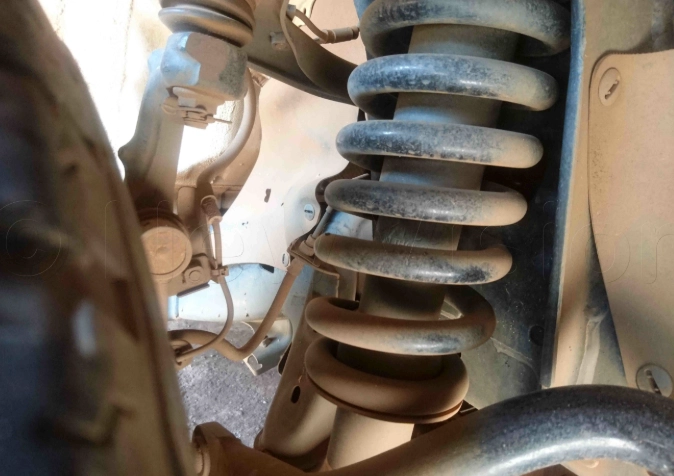
Body Roll and Sway in Corners
This one is a huge giveaway. When you take a turn, even a gentle on-ramp, does the car lean over to one side like a sailboat heeling in the wind? It should feel planted and stable. With worn shocks, the body rolls excessively, making you and your passengers feel like you're about to slide out of your seats.
The steering might also feel vague or delayed in corners. You turn the wheel, and there's a moment of hesitation before the car actually changes direction. It's disconcerting and erodes your confidence behind the wheel. This is a key part of knowing how do you know if your shocks are bad—it's in the feel of the drive.
Uneven or "Cupped" Tire Wear
Get down and look at your tires. I mean really look at the tread. Are they wearing evenly across the surface? Worn shocks cause the tire to bounce and lose consistent contact with the pavement. This leads to a specific, nasty pattern called "cupping" or "scalloping."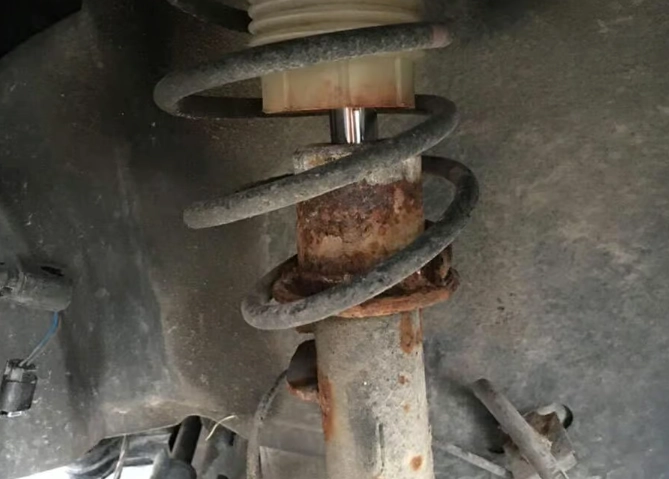
The tread will have random high and low spots around the circumference, making the tire look almost wavy. Sometimes you can even feel it by running your hand over the tread—it's bumpy. This wear is dangerous (reduces grip) and ruins tires prematurely. If you see this, your shocks have likely been bad for a while. It's a silent, expensive symptom.
Leaking Fluid
Shock absorbers are hydraulic. They contain oil. A visible oily film or dripping fluid on the shock/strut body is a dead giveaway of a seal failure. It's not always a massive leak; sometimes it's just a dark, wet sheen.
Wipe the shock body with a paper towel or your finger. If it comes away oily and dirty, that shock is bleeding its lifeblood and has lost its damping ability. This is one of the few visual, non-driving symptoms that clearly tells you how do you know if your shocks are bad.
Knocking or Clunking Noises
A healthy suspension should be relatively quiet over bumps. A worn-out shock, however, can develop internal play or have its mounting bushings deteriorate. This leads to a distinct clunk, knock, or rattle when you go over imperfections in the road.
It's not the same as a squeak (that's often a bushing or ball joint). A clunk is more metallic and solid-sounding. It means something is loose and hitting something else. Don't ignore this noise; it's a direct audio cue of failure.
What does it feel like to drive with bad shocks? It feels tiring. You find yourself making more small steering corrections on the highway because the car wanders or feels floaty. It feels less secure in crosswinds or when a large truck passes you. You instinctively slow down more for bumps because the impact is harsher. In short, it feels like you're driving a tired, loose vehicle, not a tight, responsive one.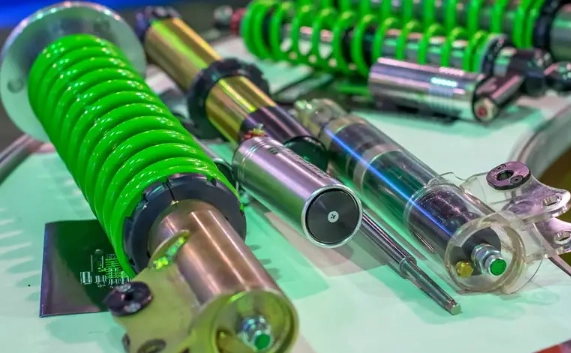
Beyond the Basics: Other Clues and Context
Sometimes the signs are situational or affect other systems. Here are a few more ways to know if your shocks are bad.
Headlight "Bounce" at Night
This is a great one. Drive at night on a relatively smooth road and watch the beam of your headlights on the road ahead or on a wall. If the beam jiggles and bounces constantly with small road inputs, your shocks aren't keeping the car body stable. Good shocks should keep the light beam fairly steady.
Extended Stopping Distances
This is the serious safety implication. As mentioned by the National Highway Traffic Safety Administration (NHTSA), your tires are the only part of your car touching the road. Shocks keep the tires pressed firmly to the pavement. Worn shocks allow the tire to hop and skip during hard braking, increasing your stopping distance significantly. On wet roads, this effect is magnified.
How Mileage and Conditions Factor In
There's no single mileage number. I've seen shocks go bad at 40,000 miles on a car driven exclusively on terrible city streets. A highway cruiser might go 80,000 miles. The Society of Automotive Engineers (SAE International) publishes standards and studies on component durability, and the consensus is that driving conditions are the biggest factor.
- Potholes, Speed Bumps, Gravel Roads: These are murder on shocks. Each big impact stresses the internal valves and seals.
- Heavy Towing or Constant Load: Carrying max weight or towing a trailer puts the shocks under continuous high pressure, accelerating wear.
- Age: Even low-mileage shocks can degrade over 7-10 years. The seals dry out, and the fluid can break down.
A good rule of thumb? Start paying very close attention around the 50,000-mile mark. Get them inspected with every other oil change if you drive in harsh conditions.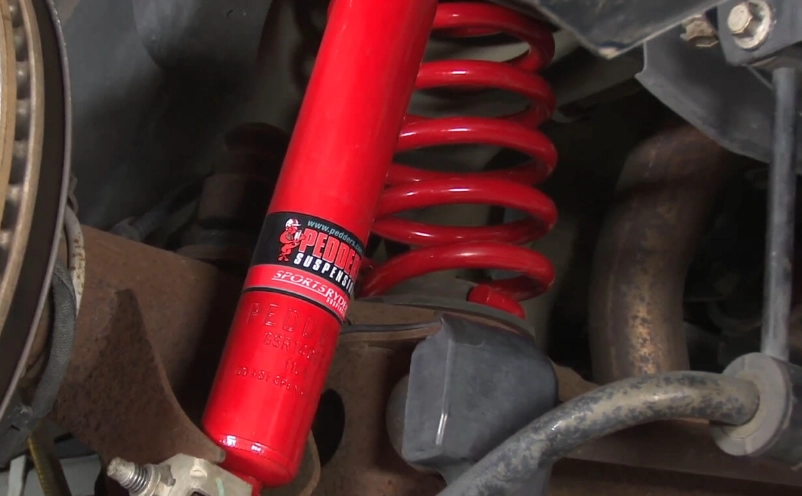
Shock Absorbers vs. Struts: What's the Difference for Diagnosis?
People use "shocks" and "struts" interchangeably, but they're different parts. This matters because it affects the repair cost and the symptoms.
- Shock Absorber: A standalone component that controls spring movement. It doesn't support the vehicle's weight. The car's spring is a separate part. Many trucks and SUVs use this setup in the rear.
- Strut: A major structural part of the suspension. It's a shock absorber built into a coil spring assembly, and it often serves as a pivot point for steering. It supports the vehicle's weight. Most modern cars use struts in the front.
Why does this matter to you? A worn strut usually produces more dramatic symptoms—more noise, more severe tire wear, worse handling. It's also a more complex (and therefore more expensive) part to replace. When diagnosing, if your car has struts (check the owner's manual), the symptoms for "how do you know if your shocks are bad" are often more pronounced.
What to Do If You Think Your Shocks Are Bad
Okay, so you've noticed a few symptoms. What's the next step? Don't just head to the parts store.
- The Visual and Physical Check: Do the bounce test. Look for leaks. Check tire wear. This is your initial triage.
- The Professional Inspection: This is crucial. A good mechanic will check for play in the suspension, inspect the shocks/struts for leaks and physical damage, and assess the mounts and bushings. They can also put the car on a "shock analyzer" machine (a roller test) that measures damping efficiency at each wheel.
- Replace in Pairs, At Least: You should always replace shocks/struts in pairs (both fronts or both rears). Replacing just one will create an unbalanced, unsafe handling condition. If all four are old, replacing all four is the best course for balanced performance. The AAA emphasizes this point for maintaining vehicle stability.
Pro Tip: When you get new shocks or struts installed, get a wheel alignment done immediately afterward. Suspension work often changes the car's geometry, and you don't want to ruin your brand-new tires with a misalignment.
Choosing Replacement Shocks: A Quick Comparison
If you need replacements, you'll face a choice. Here’s a no-nonsense look at the main types.
| Type | Best For... | Pros | Cons / My Take |
|---|---|---|---|
| Original Equipment (OE) | Drivers who want the exact same ride quality as when the car was new. | Guaranteed compatibility, predictable performance. | Often the most expensive option. Sometimes the original ride was too soft anyway. |
| Standard Replacement | Everyday driving, budget-conscious repair. | Good value, restores safe operation, widely available. | Can be a bit generic. Might not last as long as premium options. |
| Premium/Gas-Charged | Those seeking better control and reduced fade (performance loss when hot). | Better damping, more consistent performance, often longer life. | Costs more. Can make the ride slightly firmer than OE (which I actually prefer for control). |
| Adjustable/Performance | Enthusiasts, towing, or specific handling needs. | Allows you to tweak ride firmness for load or driving style. | Overkill and expensive for most daily drivers. Complexity can lead to issues. |
For 90% of people, a good set of gas-charged replacement shocks or struts from a reputable brand is the sweet spot. It often improves upon the original feel without breaking the bank.
Common Questions About Bad Shocks (FAQ)
Final Thoughts: Trust Your Gut and Get It Checked
Learning how do you know if your shocks are bad is really about re-learning what your car should feel like. It should feel connected, stable, and composed. If it feels floaty, bouncy, loose, or just plain tiring to drive, your shocks are probably crying for help.
Don't wait for a failure. The degradation sneaks up on you. Use the simple checks—the bounce, the visual leak inspection, the tire wear check. If anything raises a flag, have a professional take a look. It's one of those repairs that, once done, makes you wonder how you ever drove the car in its old, worn-out state. The peace of mind and the restored safety are worth every penny.
Your car talks to you through vibrations, sounds, and feelings. Start listening a little closer.