Let's be honest. Your car is a mess. That's why you're here. Maybe it's the layer of pollen that looks like yellow sandpaper, the mystery stain on the backseat from last week's coffee run, or the fine web of scratches that only show up in the sun. A regular car wash just isn't cutting it anymore. That's where car detailing comes in. It's the deep-clean equivalent for your vehicle, a systematic process to restore and protect every square inch, inside and out. It's not a luxury; it's maintenance. And whether you tackle it yourself or hire a pro, understanding what goes into it saves you money and disappointment.
Your Quick Route to a Perfect Detail
What Exactly Is Car Detailing?
Forget the quick-drive-through with giant spinning brushes. Detailing is meticulous. The International Detailing Association (IoD) defines it as the act of performing a thorough cleaning, restoration, and finishing of a motor vehicle to produce a show-quality level of detail. The goal isn't just clean; it's protected.
Think of it in two halves: exterior and interior, each with its own mission.
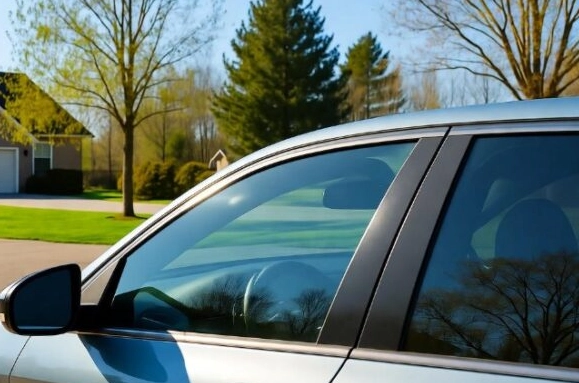
The exterior focus is paint correction and protection. This means safely removing contaminants bonded to the paint (tar, tree sap, industrial fallout), then using specialized polishes and machines to minimize swirl marks and light scratches, finally sealing it all with a wax, sealant, or ceramic coating. The wheels, tires, trim, and glass get equal attention.
The interior is about sanitation and restoration. It's extracting ground-in dirt from carpets, cleaning and conditioning all leather or vinyl surfaces, de-greasing the dashboard, and deodorizing the vents. It's getting into the crevices your vacuum never touches.
The Core Difference: Washing removes loose dirt. Detailing removes bonded contaminants, corrects defects, and applies lasting protection. A wash takes 15 minutes. A proper detail takes hours.
The DIY Detail: A Step-by-Step Breakdown
You can achieve fantastic results at home. It requires patience, the right tools, and a weekend. Here’s the realistic workflow, not the Instagram highlight reel.
Gathering Your Arsenal (The Right Way)
Don't grab the dish soap. You'll need:
- Two buckets with grit guards: Non-negotiable. One for soapy water, one with clean water to rinse your wash mitt. The grit guards trap dirt at the bottom.
- Quality microfiber towels: Different piles for different jobs. Thick, plush towels for drying; softer ones for polish and wax removal; cheaper ones for door jambs and wheels.
- Car wash shampoo: A pH-neutral formula designed for automotive paint.
- Iron remover spray: This is the pro secret. It dissolves tiny embedded brake dust and rail dust particles that regular washing misses. You spray it on, let it turn purple, then rinse. It’s a game-changer.
- Clay bar or synthetic clay towel: After decontamination, this physically pulls off any remaining bonded gunk, making the paint feel smooth as glass.
- Interior cleaner, protectant, and carpet/upholstery extractor (optional but great).
The Exterior Process: Patience is Paint
Start early, in the shade.
1. The Pre-Wash & Decontamination: Don't touch the car yet. Rinse it down. Then spray the iron remover on the lower panels and wheels. Watch it work. Rinse thoroughly. Now, wash using the two-bucket method, top to bottom. Rinse. Dry with a large microfiber towel.
2. The Claying: This is where you feel the difference. Lubricate a small section with a detailing spray, glide the clay bar over it. You'll hear a slight scraping sound—that's the contamination coming off. Wipe dry. The paint will be unnervingly smooth.
Common DIY Mistake: People skip the iron remover and claying steps because they're invisible. But applying wax or sealant over contaminated paint is like putting a screen protector on a dirty phone. The protection won't bond properly, and you're sealing in dirt.
3. Protection: Now apply your protectant. A synthetic sealant is easier and lasts longer (6+ months) than traditional wax. Apply thin, even coats to one panel at a time, then buff off before it fully dries. Don't do the whole car at once.
Tackling the Interior: It's an Archeological Dig
Remove everything—floor mats, trash, car seats (if possible). Vacuum like your life depends on it. Use brush attachments for vents and crevices.
Clean surfaces with appropriate products. A diluted all-purpose cleaner works for plastics and vinyl. Use a dedicated leather cleaner for seats. For fabric stains, a carpet extractor or even a wet-dry vac with an extraction attachment can work miracles.
Final step: apply a UV-protectant to dash and trim to prevent fading and cracking. It should have a matte finish, not a greasy shine.
DIY vs. Professional Detailing: The Real Cost Comparison
This is the big question. Is it worth doing yourself or paying someone? Let's break it down beyond just the price tag.
| Factor | DIY Detailing | Professional Detailing |
|---|---|---|
| Upfront Cost | $150 - $300 for a quality starter kit (tools, chemicals). | $150 - $400+ for a full detail on a sedan/SUV. |
| Time Investment | 4-8 hours for a first-timer doing a thorough job. | 3-6 hours (you get your day back). |
| Results & Expertise | Good to very good, depending on skill. Risk of creating swirls with improper technique. | Consistently high. Pros have commercial-grade tools (extractors, polishers) and trained eyes for defects. |
| Advanced Services | Nearly impossible at home without significant investment and practice (paint correction, ceramic coating). | This is their bread and butter. They can remove 80-90% of swirls and apply professional-grade coatings. |
| Physical Labor | High. It's a workout. | None for you. |
| Long-Term Value | High. Initial investment pays off over multiple details. | High. Protects your vehicle's resale value and longevity. |
My take? If your car is relatively new and you enjoy the process, DIY maintenance washes and a yearly sealant application is perfect. Hire a pro for the initial deep correction and coating, or if your car has significant neglect, pet hair, or stains you can't handle. I paid a pro to do a paint correction and ceramic coating on my daily driver three years ago, and washing it is still laughably easy. That initial $800 has saved me countless hours.
How to Find a Reputable Professional Detailer
Not all detailers are equal. Avoid the guy in the mall parking lot. Here’s how to vet them:
- Look for Photos of Actual Work, Especially “Before & Afters”: A good detailer is proud of their transformative work. Look for shots of paint in direct sunlight to see swirl removal.
- Ask About Their Process: Do they use the two-bucket method? Do they decontaminate (clay) the paint before sealing it? Their answers will tell you if they know their craft.
- Check for Business Insurance: A legitimate operation should have it. It protects you and them.
- Read Reviews, But Be Smart: Look for detailed reviews that mention specific results, not just “great service.”
- Get a Clear, Written Quote: It should list the services included (interior vacuum, shampoo, exterior wash, decontaminate, polish, sealant, etc.). Beware of vague “detail packages.”
A professional detailer’s shop doesn't need to be fancy, but it should be organized and clean. That reflects their work ethic.
Your Detailing Questions Answered
Can car detailing remove deep scratches?
How much should a full interior and exterior detailing cost?
What's the one biggest mistake people make when washing their car at home?
How often should I get my car detailed?
The bottom line? Car detailing is an investment in your vehicle's health, your pride of ownership, and its future value. It doesn't matter if you're the one holding the buffer or writing the check. Understanding the process ensures you get results that last far longer than the feeling of a quick wash.