In This Article
Let's cut right to the chase. You're probably here because your car feels a bit off, maybe it's bouncing more than it should, or you heard a clunk from underneath. And the big question burning in your mind is: Can I drive with bad shocks? I get it. Life is busy, car repairs are expensive, and the idea of ignoring a problem that doesn't seem to have left you stranded is tempting. I've been there myself with an old pickup truck I used to own.
Here's the honest, no-BS answer: Technically, yes, your car will still move. The engine will run, the wheels will turn. But—and this is a massive but—driving with worn-out shock absorbers is one of those sneaky, dangerous things you can do to your car and yourself. It's not like a flat tire where the danger is immediate and obvious. It's a slow creep of degraded safety that can bite you when you least expect it.
Think of shock absorbers as your car's unsung heroes. They don't get the glory of the engine or the style points of the wheels, but they are absolutely critical for keeping your tires glued to the road. When they go bad, everything about how your car handles, stops, and reacts to emergencies changes. And not for the better.
The Short Verdict: Driving with severely bad shocks is unsafe and irresponsible. Driving with moderately worn shocks is a risk that increases every mile you drive. You should address it as soon as you confirm there's a problem.
What Exactly Do Shocks Do? (And Why You Should Care)
People mix up shocks and springs all the time. Your car's springs (or coil springs, or leaf springs) are what support the weight of the vehicle and absorb big bumps. They compress and rebound. The shock absorber's job is to control that rebound. It's a damper. Without it, your car would bounce up and down like a pogo stick after every bump, making the tire lose contact with the pavement.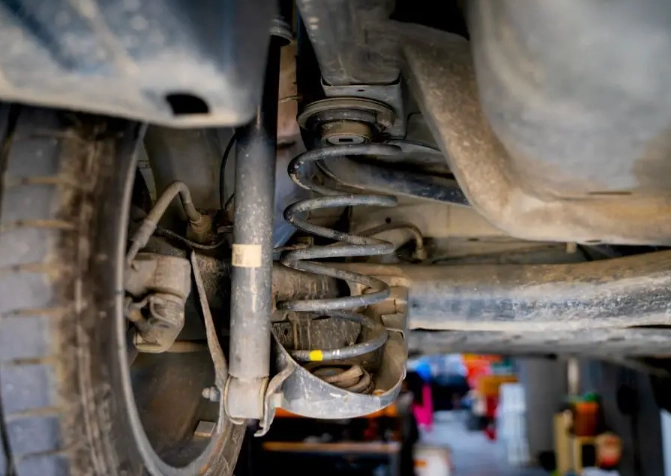
Good shocks ensure that your tire maintains optimal contact with the road surface. This contact patch is the only thing connecting your two-ton machine to the asphalt. Everything—steering, braking, acceleration—depends on this tiny area of rubber meeting the road.
When shocks are bad, that contact becomes inconsistent. The tire skips, hops, and slams down. You lose control, bit by bit. The National Highway Traffic Safety Administration (NHTSA) doesn't publish specific stats on crashes caused solely by bad shocks, but they consistently list tire-related issues as a major factor in vehicle crashes. Worn shocks accelerate tire wear and directly contribute to loss of traction, placing them firmly in the safety-critical category.
The Real Dangers: What Happens When You Drive With Bad Shocks?
So, can I drive with bad shocks without immediate catastrophe? Maybe. But you're rolling the dice on these major risks:
Your Braking Distance Increases... Dramatically
This is the scariest one. In a panic stop, a vehicle with bad shocks will nose-dive violently. This unloads the rear tires, reducing their grip. The front tires, now overloaded, can easily lock up or exceed their traction limit. The result? Your stopping distance can increase by 20% or more. On the highway, that's the difference between stopping behind the car that just slammed its brakes and plowing right into it.
I remember testing this years ago in a controlled environment with a car that had one blown shock. The difference wasn't subtle. It felt like the brakes had turned to mush.
You Lose Control in Evasive Maneuvers
Swerving to avoid a deer, a pothole, or a sudden obstacle? With worn shocks, your car will lean and roll excessively. This body roll shifts weight unpredictably, making it much harder for you to correct your steering and maintain your line. The car feels sloppy, unresponsive, and downright scary. It might not recover from the swerve, leading to a spin or a rollover, especially in taller vehicles like SUVs.
Accelerated Wear on Everything Else
Bad shocks don't live in a vacuum. They beat up the rest of your car. Here’s the expensive domino effect:
- Tires: They will develop cupped or scalloped wear patterns (you'll feel this as a vibration). You'll be buying new tires far sooner than you should.
- Ball Joints & Tie Rods: The constant pounding and lack of damping puts immense stress on these suspension and steering components, leading to premature failure.
- Springs: They can actually sag or break from the uncontrolled oscillations.
- Strut Mounts & Bushings: These get hammered, leading to clunks, rattles, and vague steering.
Comfort and Confidence Evaporate
This isn't just about luxury. A car that bounces, floats, and wallows is fatiguing to drive. You're subconsciously working harder to keep it in its lane, especially on uneven roads or in crosswinds. That mental fatigue can contribute to driver error. Plus, if you're carrying passengers, it's just an unpleasant, queasy-making experience.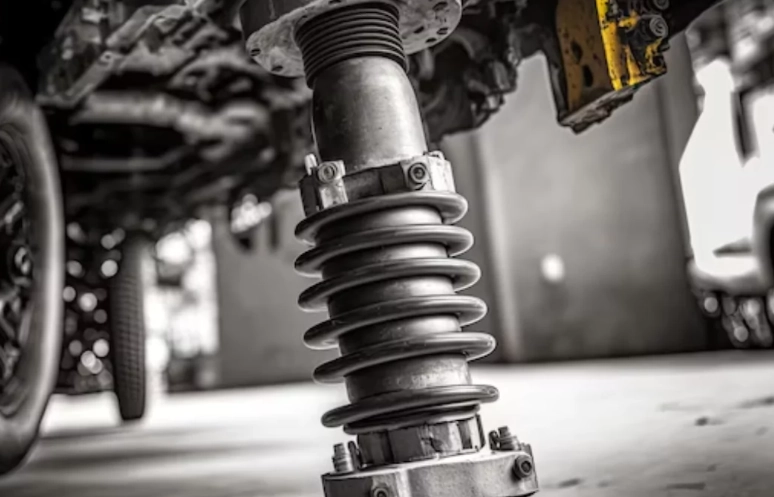
Let's break down how the risk changes in different situations. This isn't an excuse to drive, but a reality check.
| Driving Situation | Risk Level with Bad Shocks | Why It's Risky |
|---|---|---|
| City Driving (Low Speed) | Moderate | Frequent stops and starts exaggerate nose-dive and squat. Potholes and manhole covers cause jarring impacts. Shorter braking distances are still compromised. |
| Highway Cruising | High | High speeds magnify any instability. Crosswinds can push the car around. Emergency maneuvers (avoiding debris) become highly dangerous. The "float" feeling is most pronounced. |
| Wet or Icy Roads | Extremely High | Traction is already reduced. Bad shocks cause tire hop, making hydroplaning more likely and ABS systems less effective. This is a worst-case scenario. |
| Carrying Heavy Loads or Towing | Extremely High | Overloads worn shocks completely. Braking and handling are severely degraded. Can lead to catastrophic failure or complete loss of control. |
| Mountain/Rough Roads | Extremely High | Constant compression and rebound cycles overwhelm bad shocks. Leads to overheating and fade (total loss of damping), making the car uncontrollable. |
How to Know For Sure: Symptoms of Bad Shock Absorbers
Don't just guess. Your car will tell you if the shocks are going. Here’s what to look and feel for: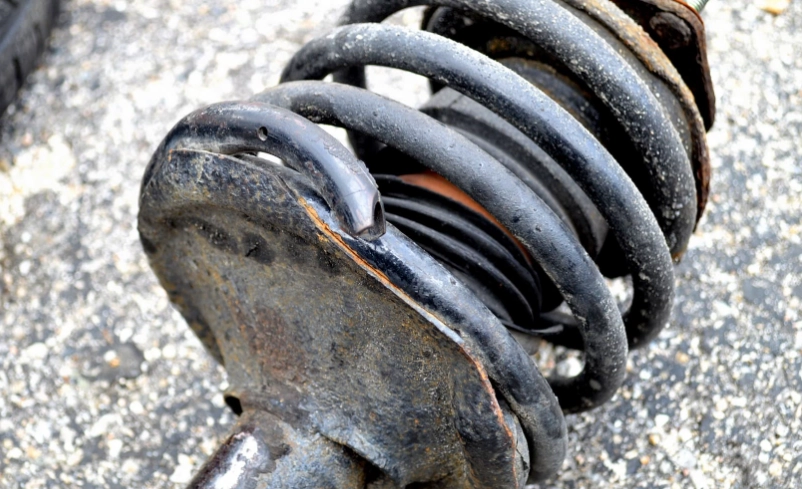
The Bounce Test (The Classic Check): Push down hard on each corner of your car (over the wheel) and release. A good shock will allow the car to rebound and settle immediately, in one smooth motion. If it bounces more than 1.5 to 2 times before settling, that shock is likely worn out. Do this on level ground with the car in "Park."
- Excessive Bouncing: The car feels like a boat after a bump. It keeps oscillating.
- Nose-Diving When Braking: The front end dips severely when you hit the brakes.
- Squatting When Accelerating: The rear end sinks down when you step on the gas.
- Body Roll in Corners: Leaning heavily to one side when turning, even at moderate speeds.
- Uneven or Cupped Tire Wear: Run your hand over the tread. If it feels like bumps and dips (like scallops), shocks are a prime suspect.
- Steering Wheel Vibration: A shimmy in the wheel, often from those cupped tires.
- Fluid Leaks: Look at the shock body. If it's wet or oily with grime stuck to it, the internal seal is blown and fluid has leaked out. That shock is dead.
- Knocking or Clunking Noises: Over bumps, you might hear a metal-on-metal clunk. This could be the shock internals being destroyed or worn-out mounts.
Listen to your car. It's talking to you.
Okay, I Think They're Bad. What Now? Your Action Plan
Let's say you've done the bounce test and seen a leak. You're now sure you have bad shocks. So, can I drive with bad shocks to the mechanic? This is the practical question.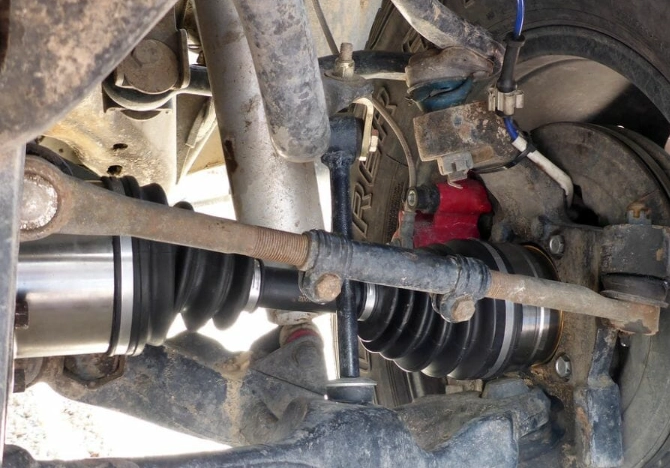
If you must drive it: Drive directly to the repair shop, taking the slowest, smoothest route possible. Avoid highways, potholes, and heavy braking. Consider it a limping journey. Do not run errands. Do not go on a trip. Go straight to get it fixed.
Getting Them Replaced: What to Expect
Replacing shocks or struts is standard procedure for any competent shop. Here's the process:
- Diagnosis: A good mechanic will confirm your suspicion, check all four corners, and also inspect the related components (tires, bushings, mounts) for collateral damage.
- Replacement in Pairs: You should always replace shocks in pairs (both front or both rear). Mixing old and new shocks creates unbalanced handling.
- Alignment: After replacing front struts (which often are integral to the suspension geometry), a wheel alignment is mandatory. If the shop doesn't include or recommend it, go elsewhere.
- Break-in: New shocks need a short break-in period (about 50-100 miles of normal driving) for the seals to settle. They might feel a bit stiff at first.
Costs vary wildly by vehicle and part quality. A basic shock for a common sedan might be $50-$100 per corner for the part, while a performance strut for a truck or SUV can be $200+ each. Labor typically adds 1-2 hours per axle. Get quotes.
Common Questions About Driving With Bad Shocks
Let's tackle the stuff people are secretly searching for.
Can I drive with bad shocks if I'm careful?
You can try, but "being careful" doesn't fix physics. You can't control the other driver who cuts you off, forcing an emergency brake. The inherent increased stopping distance and reduced control are always there, waiting for a situation to exploit them. Careful driving mitigates risk; it doesn't eliminate an engineered safety defect.
Is it illegal to drive with bad shocks?
In most jurisdictions, there's no specific law that says "thou shalt have functional shock absorbers." However, there are general vehicle safety inspection laws (in states that have them) and broader laws about operating an unsafe vehicle. If your worn shocks cause an accident, you can bet they'll be noted as a contributing factor, potentially affecting liability and insurance. Police can pull you over if your car is visibly bouncing abnormally.
How long can you drive on bad shocks?
There's no mileage answer. It could be 100 miles or 1,000. It depends on how badly they're failed and the conditions you drive in. A shock with a minor leak might degrade slowly. A completely blown shock is a immediate hazard. Every mile you drive accelerates the wear on your tires and other parts, increasing your final repair bill. The real question isn't "how long can I?" but "why would I want to?"
What's the difference between shocks and struts?
Functionally, they do the same thing: dampen motion. A shock is a standalone component. A strut is a major structural part of the suspension—the shock absorber is built inside a housing that often includes the spring and provides a mounting point for the wheel. Struts are more common on modern front-wheel-drive cars. Replacing a strut is usually more complex and expensive than replacing a simple shock. The Specialty Equipment Market Association (SEMA) has resources on suspension components that explain these differences in more technical detail.
Can bad shocks cause vibration?
Absolutely. The most common way is through the irregular tire wear (cupping) they cause. The uneven tread surface creates a rhythmic thumping or vibration, usually felt in the steering wheel at certain speeds (often around 45-60 mph). It can be mistaken for a wheel balance issue, but balancing won't fix it if the tire is already cupped.
Final Thought: Your car's suspension is a system designed for safety. Compromising one key part compromises the whole system. Asking "can I drive with bad shocks?" is really asking "can I accept a higher risk of crashing and much higher long-term costs?" The answer should be clear.
Look, nobody likes unexpected car repairs. But of all the things that can go wrong, worn-out shocks are one of the most important to fix promptly. They sit quietly in the background, and their failure isn't dramatic—until it is. The improved handling, safety, and peace of mind you get from a fresh set are worth every penny. Don't wait for a scare on the highway to be your reminder. Get it checked, and if they're gone, get them replaced.
Your safety, your passengers' safety, and the safety of everyone else on the road with you is worth more than postponing this repair. Drive safe.