You just got your first car. The excitement is real. But then a quiet panic sets in. What now? You know you need to take care of it, but where do you even start? The manual is thick, and your uncle’s advice about checking the "thingamajig" isn't exactly helpful. Let’s cut through the noise. Basic car care isn't about becoming a mechanic; it's about forming simple habits that save you thousands of dollars and keep you safe on the road. This guide is your roadmap, written for someone who might not know a dipstick from a driveshaft.
What You'll Learn in This Guide
How to Wash Your Car Without Damaging the Paint
This is where most beginners make their first expensive mistake. Your car's paint is a complex, multi-layer system, not just colored metal. Treat it wrong, and you'll introduce swirls, scratches, and dullness that are hard to fix.
I learned this the hard way. My first car wash involved an old bath towel and some dish soap. The result? A clean car covered in a spiderweb of fine scratches visible in the sunlight. Dish soap strips wax and can degrade the clear coat over time. That bath towel? It was trapping dirt particles and grinding them into the paint.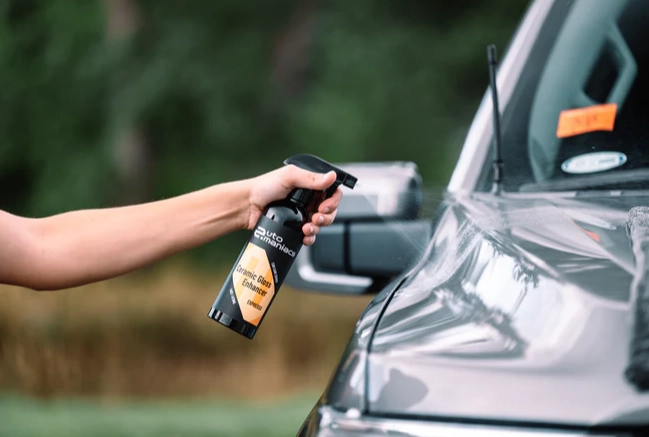
The Two-Bucket Method is Non-Negotiable
This is the single best practice for a safe wash. Get two five-gallon buckets. Fill one with clean water and your chosen car wash soap (look for "pH-neutral" on the label). Fill the other with just clean water. This is your rinse bucket.
Here’s the process: Dip your wash mitt in the soapy bucket, wash a section of the car, then rinse the mitt thoroughly in the clean water bucket before dipping it back into the soap. This traps the dirt you just washed off in the rinse bucket, preventing you from reapplying it to the paint. It sounds simple, but it prevents 90% of wash-induced scratches.
Drying is Just as Important
Letting your car air-dry leaves mineral deposits from the water, especially if you have hard water. Use a large, soft microfiber drying towel. Gently glide it over the surface—don't scrub. A product called a "drying aid" or "quick detailer" sprayed on the wet panel can add lubrication and extra shine as you dry.
The Beginner's Guide to Checking Fluids and Filters
You don't need to change these yourself right away, but you absolutely must know how to check their levels and condition. Think of them as your car's vital signs. Doing a quick check every other time you fill up with gas takes five minutes and can alert you to problems before they strand you.
Pop the hood. Find the dipstick (usually has a yellow or orange handle). Pull it out, wipe it clean with a paper towel, re-insert it fully, then pull it out again to get a true reading. The oil should be between the two marks or holes and look amber or brown, not black and gritty. If it's low, top it up with the exact grade specified in your manual. A report from J.D. Power highlights that neglecting simple oil checks is a leading cause of premature engine wear for first-time owners.
| Fluid | What to Look For | Check Frequency | Beginner Tip |
|---|---|---|---|
| Engine Oil | Level between marks, color amber/brown. | Every 2nd fuel fill-up. | Check when engine is cool and parked on level ground. |
| Coolant | Level in the overflow reservoir between MIN/MAX. | Monthly. | NEVER open the radiator cap when the engine is hot. |
| Brake Fluid | Level in the translucent reservoir. | Every oil change. | If it's dark brown or low, get it checked immediately. |
| Windshield Washer Fluid | Just fill it up when empty. | As needed. | Use fluid with de-icer in winter. |
The cabin air filter is the most overlooked item. It's the one that cleans the air you breathe inside the car. Located behind the glove box in most vehicles, a clogged filter makes your A/C work harder and blows dusty, musty air. Replacing it is usually a 5-minute, no-tools job. Look up a video for your specific car model.
Tire Pressure and Tread: Your Safety Depends on It
This isn't just about fuel economy. Under-inflated tires overheat, wear out faster, and can blow out. Over-inflated tires make your ride harsh and reduce grip. The correct pressure is not the number on the tire's sidewall. That's the maximum pressure. The correct one is on a sticker inside your driver's door jamb or in the manual.
Check pressure when the tires are cold (before driving more than a mile). Get a decent digital tire gauge; the ones at gas stations are often inaccurate. Check all four tires plus the spare if you have one.
Tread depth matters more than people think. The legal minimum is 2/32 of an inch, but performance drops off a cliff well before that, especially in rain. Use the penny test. Insert a penny into the tread groove with Lincoln's head upside down. If you can see all of his head, your tread is too low. For better safety, use a quarter. If you can see the top of Washington's head, start shopping for tires soon.
Keeping the Inside Clean and Functional
A clean interior makes the car more pleasant to drive and helps maintain its value. Vacuum regularly. For spills on fabric, blot—don't rub. For the dashboard and other plastic/vinyl surfaces, use a protectant designed for automotive interiors. Avoid shiny, greasy products; a matte finish looks better and doesn't create a blinding glare on the windshield.
Wipe down the touchscreen and instrument cluster with a slightly damp microfiber cloth. Don't spray cleaner directly on the screen. Keep the windows clean inside and out for better visibility. A dirty interior windshield causes terrible glare at night.
What to Do Before Summer and Winter Hits
Basic car care changes with the seasons. In late fall, get your battery tested. Cold weather reduces its cranking power. Swap your windshield washer fluid for a winter formula that won't freeze. Consider installing winter tires if you live in a snowy area—they are a game-changer for safety, far more effective than all-season tires in cold conditions.
Before summer, make sure your air conditioning is blowing cold. Check coolant level and condition. Inspect wiper blades; the summer sun bakes and cracks rubber. If they streak, replace them.
These seasonal check-ups prevent the most common season-related breakdowns.
Answers to Common Beginner Questions
You can, but you shouldn't. These are degreasers designed to strip oils and grease. Your car's paint has a protective layer of wax or sealant, and the clear coat itself needs certain oils to remain flexible and intact. Dish soap will strip this protection away, leaving the paint vulnerable to UV damage and contaminants. Over time, it accelerates oxidation and fading. Spend the $10 on a proper car wash soap.
This is a classic point of confusion. Follow your car's manual for the severe maintenance schedule, not the "normal" one. Short trips, frequent stop-and-go traffic, and extreme temperatures all qualify as severe service. For most beginners in modern cars, that means an oil change every 5,000 miles or 6 months, whichever comes first, even if you've only driven 2,000 miles. Oil breaks down over time, not just with use.
 My car is making a weird noise. Should I just turn up the radio?
That's the oldest trick in the book, and it's a surefire way to turn a $100 fix into a $2,000 repair. New sounds are your car's only way of crying for help. A squeal when you start the car or use accessories might be a loose serpentine belt. A grinding noise when braking means your pads are gone and metal is grinding on metal. A rhythmic humping could be a flat-spotted tire or a wheel balance issue. Don't ignore it. Try to note when it happens (turning? braking? accelerating?) and describe it to a mechanic. It's their best clue.
Absolutely, and it's easier than you think. You don't need a multi-step polish. A modern "spray wax" or "hybrid ceramic spray" applied after washing and drying adds a protective layer that repels water, dirt, and UV rays. It makes your next wash easier and keeps the paint looking fresh. Apply it to one panel at a time, following the product instructions. The key is to use a clean, soft applicator and buff it off with a separate clean microfiber towel before it dries completely. Do this twice a year.
A good quality digital tire pressure gauge. It's cheap, fits in your glove box, and gives you an accurate reading every time. Pair it with a portable air compressor that plugs into your car's 12V outlet (cigarette lighter). With these two, you'll never be at the mercy of a broken gas station air pump with under-inflated tires again. It's an instant boost to safety, handling, and fuel efficiency.