You turn the key. You hear a click, or maybe the engine cranks over and over, but it just won't fire up. The dashboard lights are bright, the headlights are strong—the battery is clearly fine. This is one of the most frustrating car problems because the usual suspect is ruled out. Don't call a tow truck just yet. The issue lies elsewhere in your car's complex web of systems. I've been a mechanic for over a decade, and in my experience, people often waste money throwing parts at this problem. Let's diagnose it systematically.
Quick Navigation: What's Stopping Your Car?
Step 1: Listen – What Sound Does It Make?
This is your first and most critical clue. Ignore everything else for a moment and just listen when you turn the key to the "start" position.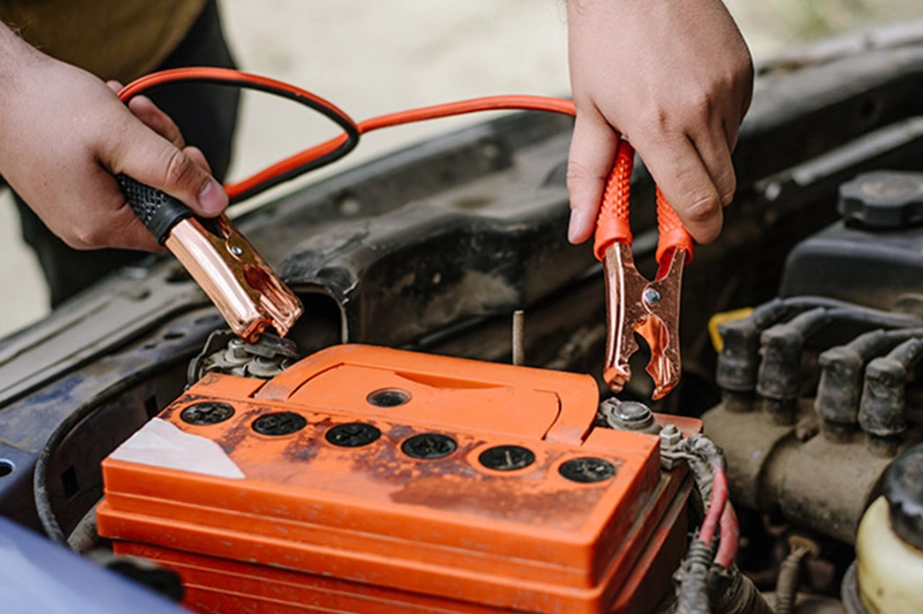
A Single Loud Click (or Rapid Clicking)
This usually points directly to the starting system. The battery has enough power to pull the starter solenoid (that's the click), but not enough to spin the starter motor, or the starter motor itself is seized. Sometimes it's just a corroded connection. A lot of DIYers immediately buy a new starter, but a bad connection at the battery terminal or a failing starter relay can mimic this exact symptom.
Engine Cranks Normally But Won't Start
The starter is working, the engine is spinning, but it doesn't "catch" and run. This narrows it down significantly. Now you're looking at the two systems that make combustion happen: fuel and spark. It could also be a major sensor failure telling the computer not to start.
No Sound At All (Not Even a Click)
Even with dash lights on, this suggests an issue in the starter control circuit. Think ignition switch, park/neutral safety switch (automatic transmissions), or a completely dead starter solenoid. I once spent an hour diagnosing a "dead starter" only to find the driver's floor mat had shoved the shifter slightly out of perfect "Park."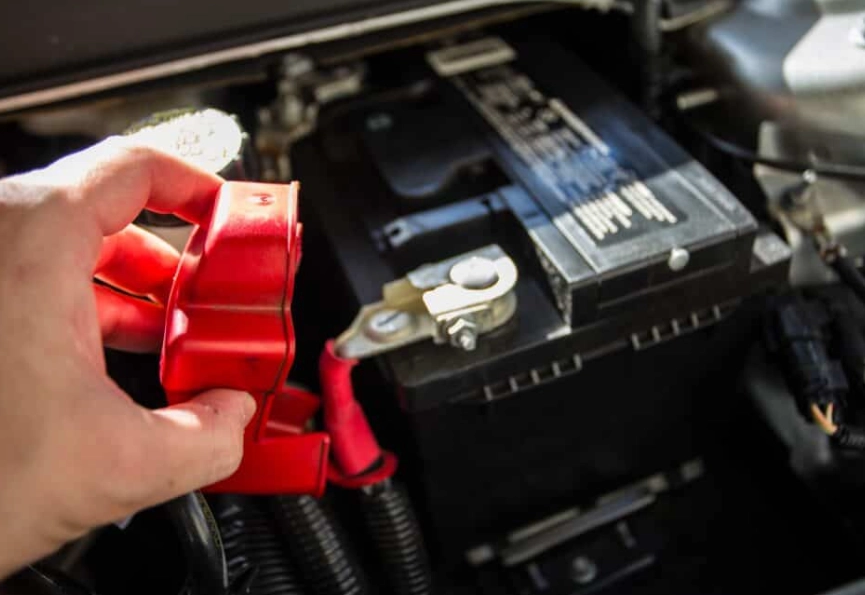
The Starting System: More Than Just the Battery
The battery is just the reservoir. The starting system includes the cables, connections, relay, solenoid, and the starter motor itself. Corrosion is the silent killer here.
Check the battery terminals first. They should be clean, tight, and free of that white/green crusty powder. Wiggle them. If they move, they're loose. Next, trace the thick negative cable to where it bolts to the engine or chassis. That ground connection is equally important and often overlooked.
The Fuel System: Is Gas Getting Through?
No fuel, no start. It's that simple. The most common failure point here is the fuel pump. Listen for a brief humming sound (a second or two) from the rear of the car when you first turn the key to "ON" (but not to "START"). No hum? That's a big red flag.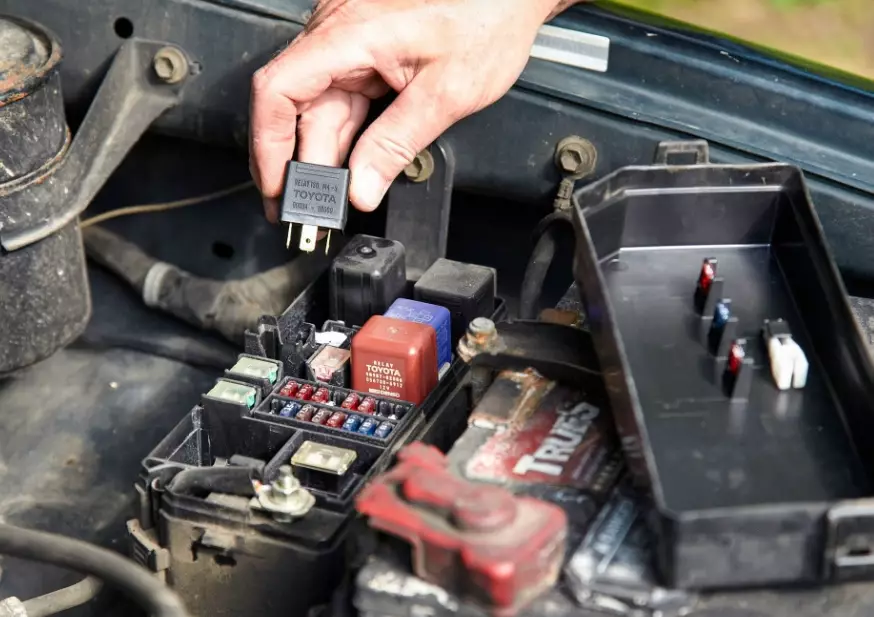
But a humming pump doesn't guarantee it's working correctly. It might be weak. You need to check fuel pressure, which requires a gauge. Most auto parts stores will lend you one. Connect it to the fuel rail's test port (check your manual for its location).
| Possible Fuel Problem | Symptom/Check | Approximate Repair Cost* |
|---|---|---|
| Dead Fuel Pump | No humming sound at key-on. No fuel pressure. | $400 - $800 (parts & labor) |
| Clogged Fuel Filter | Car may start but stall under load. Low fuel pressure. | $50 - $150 |
| Bad Fuel Pump Relay | Intermittent no-start. Swap it with an identical relay (like the horn relay) to test. | $15 - $50 |
| Empty Gas Tank (Faulty Gauge) | It happens more than you think! Add a gallon or two to test. | Cost of gas |
*Costs are estimates and vary widely by vehicle make/model.
The Ignition System: Creating the Spark
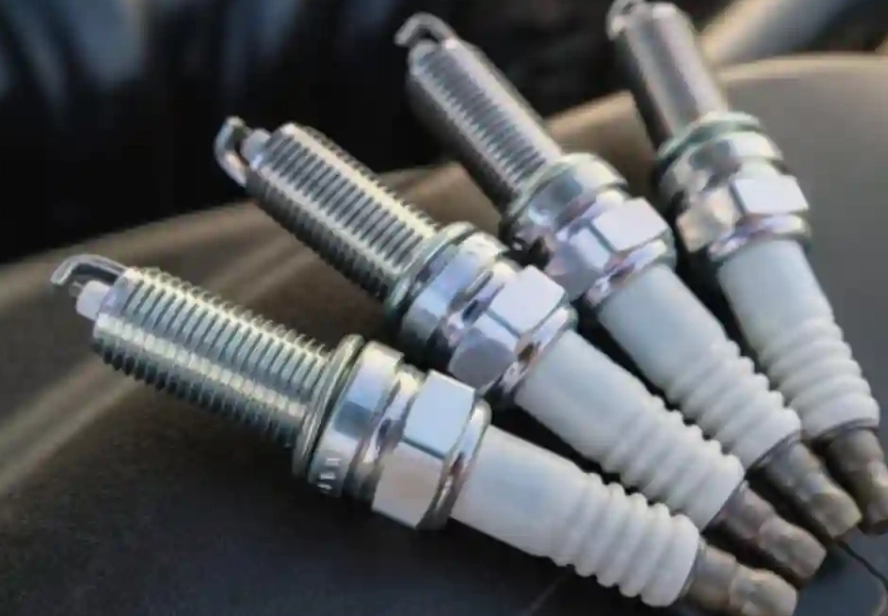
If fuel is getting there, you need a spark to ignite it. Modern cars don't have a single ignition coil and distributor; they have individual coil-on-plug units for each cylinder or a coil pack.
A common failure is the crankshaft position sensor. This sensor tells the engine computer exactly when to fire the spark plugs. If it fails, the computer is blind, and you get no spark. No codes might show up initially.
To check for spark safely, you need a spark tester (a few dollars at any parts store). Pull one ignition coil or spark plug wire, connect the tester, ground it to the engine, and have a helper crank. You should see a bright, blue spark. A weak orange spark or no spark points to a failing coil, module, or sensor.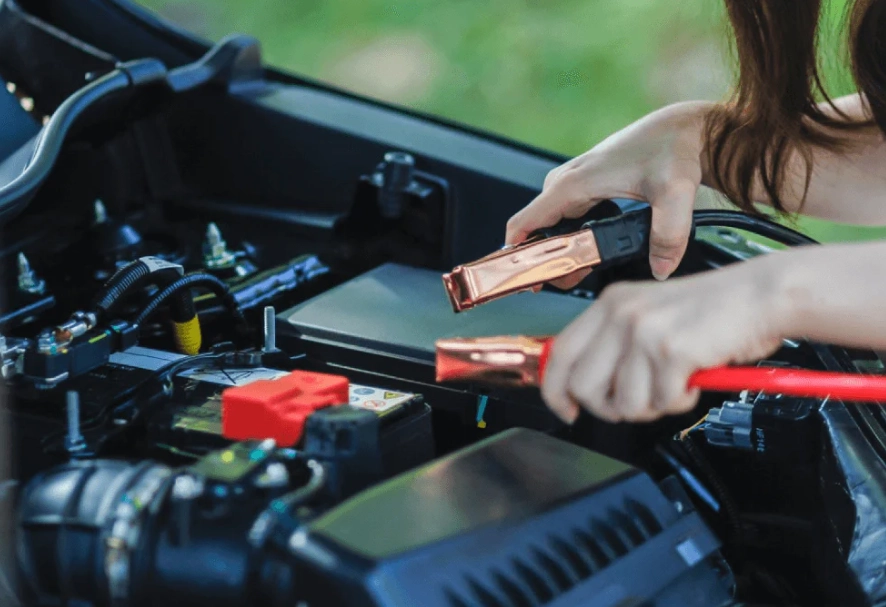
Hidden Culprits: Electronics & Security
This is where it gets tricky and where a lot of shops start guessing.
- Immobilizer/Anti-Theft System: If the car doesn't recognize your key's chip, it will allow cranking but cut fuel or spark. Look for a flashing security light on the dash. Sometimes simply using the spare key solves it.
- Faulty Engine Control Unit (ECU): Rare, but it happens. Water damage or a power surge can fry it.
- Major Vacuum Leak: A large, unmetered air leak (like a disconnected hose) can make the air/fuel mixture too lean to start, especially when cold.
Your Diagnostic Action Plan: A Logical Sequence
Don't jump around. Follow this order to avoid confusion and wasted time.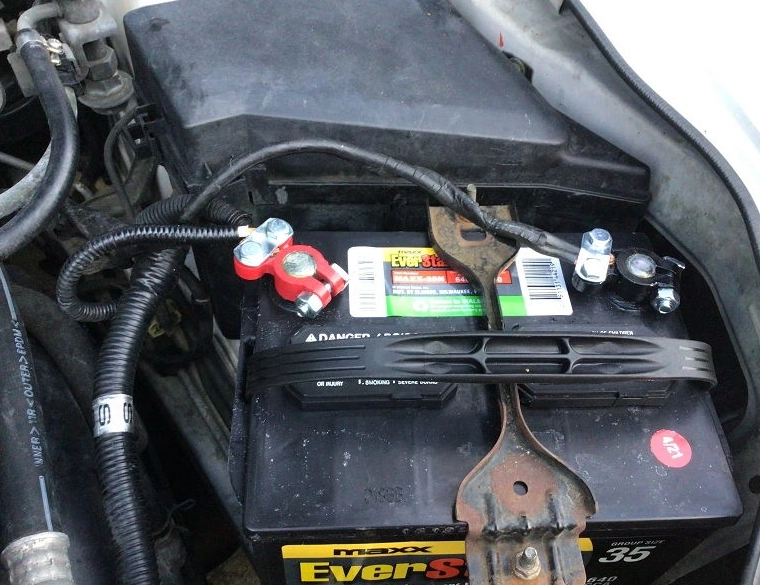
- Verify the Basics: Is there fuel? Is the shifter firmly in Park (or Neutral)? Try starting in Neutral.
- Listen for the Fuel Pump: Key-on, listen for the hum at the rear.
- Check for Spark: Use a spark tester on one cylinder.
- Scan for Trouble Codes: Even if the check engine light is off, there might be pending codes. A basic OBD2 scanner can give clues.
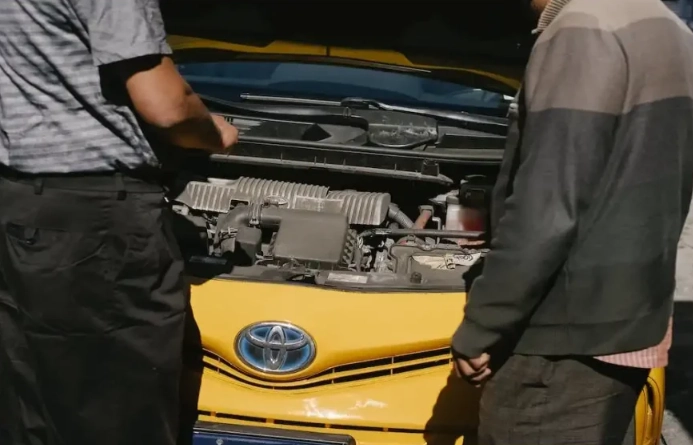
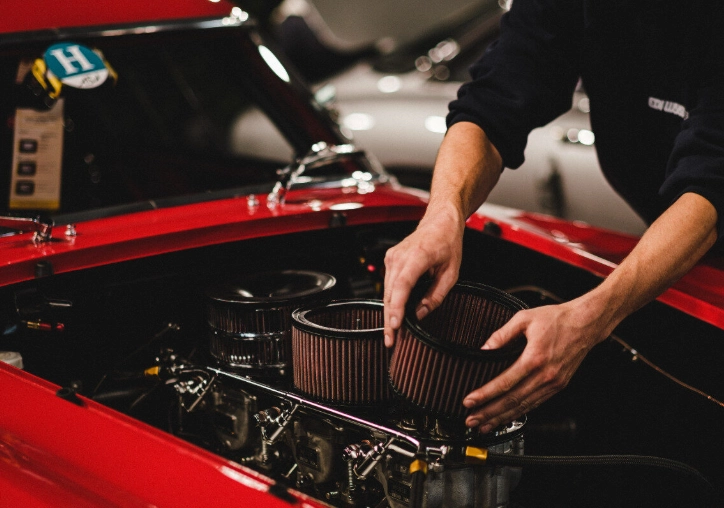
- Inspect Visuals: Look for disconnected sensors, chewed wires (rodents love wiring), or obvious leaks.
- Test Components: This is where you might need tools—multimeter for sensors, fuel pressure gauge, etc.
If you're not comfortable past step 4, you have solid information to give a mechanic, which will save them diagnostic time and you money.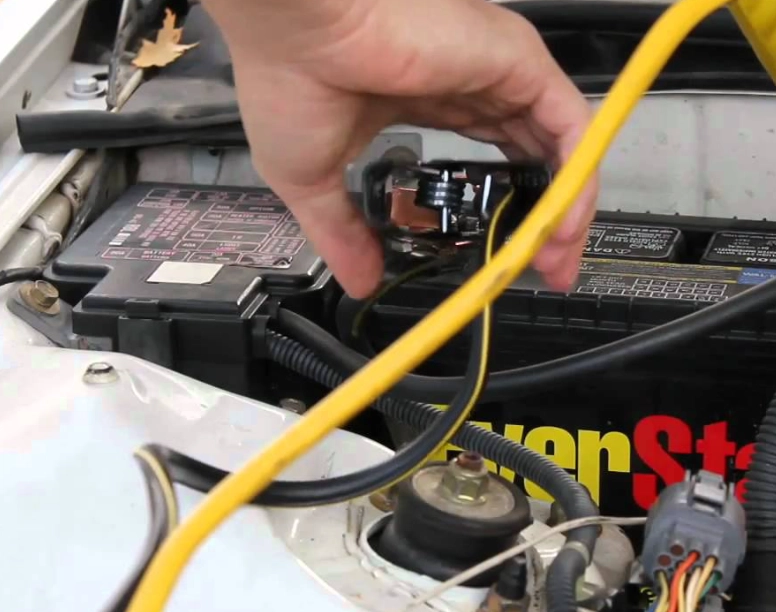
Expert Answers to Your Frustrating Questions
The bottom line is this: a no-start with a good battery is a puzzle, but every puzzle has a logical solution. Start with the simple, free checks—listening, looking, testing fuses and relays. That process alone solves a surprising number of cases. When you methodically rule out each system, you'll find the culprit without the panic and expense of random repairs.