You walk into a room expecting a blast of cool air, but instead, you're met with a lukewarm breeze. The indoor unit's fan is whirring away like normal, but the air coming out feels no different from the rest of the house. That's the classic "split AC not cooling but fan is running" scenario. It's frustrating, especially on a hot day. Before you imagine a massive repair bill, let me tell you—most of the time, the fix is simpler than you think. I've been fixing these things for over a decade, and I see the same handful of culprits again and again. This guide will walk you through finding yours.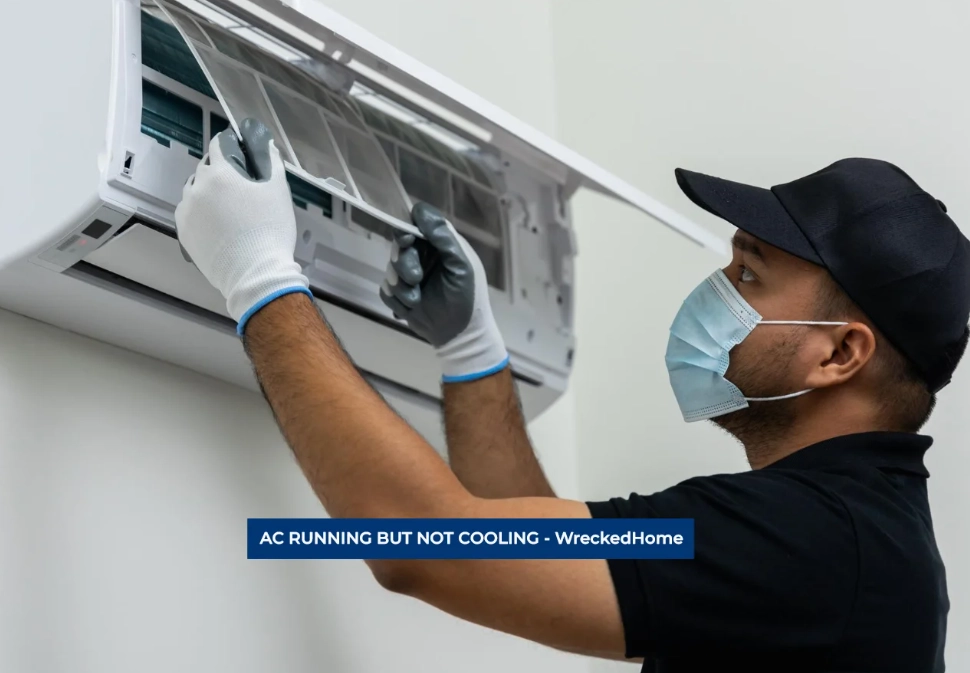
What's Inside: Your Quick Troubleshooting Map
Check These Two Things First (They're Free and Easy)
Always start here. I can't count the number of service calls I've made that ended with a two-minute fix. It saves you time and money.
1. The Thermostat Setting
Sounds obvious, right? You'd be surprised. Check that the unit is set to "COOL" mode, not just "FAN." In fan-only mode, the blower circulates air but the compressor outside never kicks on. Also, make sure the temperature setting is lower than the current room temperature. If you have it set to 78°F and the room is 76°F, the AC won't activate its cooling cycle.
2. The Air Filter
This is the number one cause of poor cooling performance. A clogged filter restricts airflow over the cold evaporator coil. The coil gets too cold, ice forms on it, and eventually, it becomes a block of ice that air can't pass through. You'll feel little to no airflow, or the air that does come out might not be cold.
Pull the filter out. Hold it up to a light. Can you see through it clearly? If not, that's your first stop. Clean or replace it, turn the AC off for at least 30 minutes to let any ice melt, then try again.
Problems Starting in the Indoor Unit
If the basics are fine, we look deeper inside. The indoor unit houses the evaporator coil and the blower fan motor.
Dirty Evaporator Coils
Even with a clean filter, dust and grime slowly accumulate on the evaporator coils over years. This acts like insulation, preventing the coils from absorbing heat from your room's air efficiently. The symptom is weak cooling, not a complete lack of it, but it can progress.
Cleaning these coils is a more involved DIY task. You need to access the coil, which often means removing a panel. Then, using a no-rinse evaporator coil cleaner (available at hardware stores) and a soft brush, you can gently clean it. If you're not comfortable with this, it's a standard part of a professional maintenance visit.
Faulty Indoor Blower Motor or Capacitor
The fan you hear running is powered by a motor, and that motor often has a capacitor to help it start and run. If the capacitor is weak, the motor might run slowly or erratically, moving less air than it should. You might hear a humming sound or notice the airflow from the vents is weaker than usual.
When the Problem is Outside: The Condenser Unit
This is where the magic of heat rejection happens. If the indoor fan runs but the outdoor unit isn't doing its job, you get no cooling. Go outside and listen. Is the big fan on top spinning? Is the unit making any unusual noises?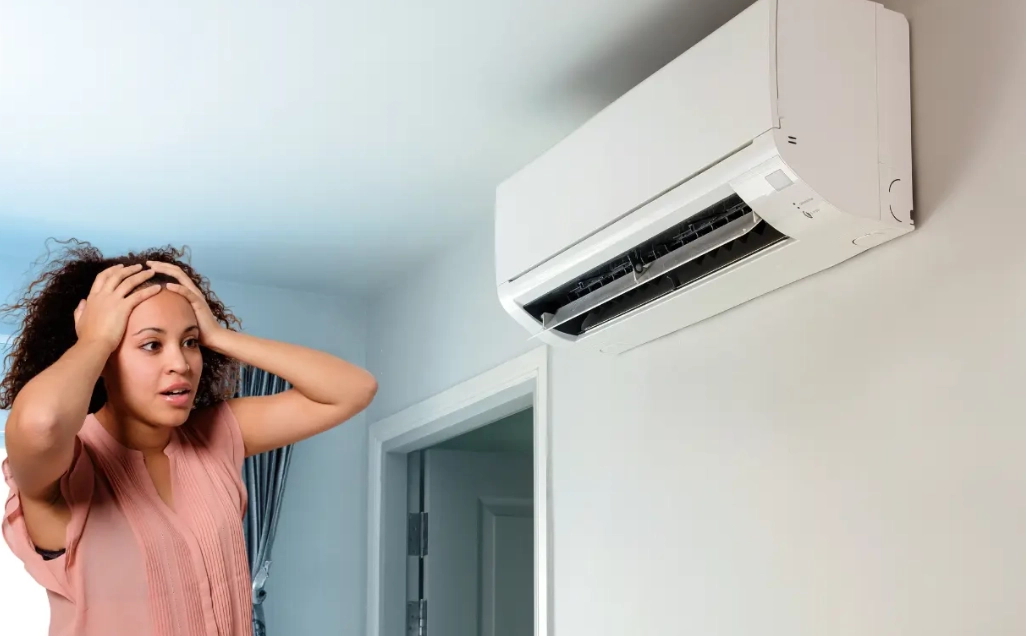
Dirty Condenser Coils
The outdoor unit sits in the elements. Leaves, grass clippings, pollen, and dirt clog the fins of the condenser coil. When this happens, the unit can't expel heat properly. The system pressure rises, a safety switch may trip, and the compressor shuts off—leaving only the indoor fan running.
How to check: Turn the AC off at the thermostat and at the outdoor disconnect switch. Visually inspect the coil. If the fins are matted with debris, you need to clean them. Use a garden hose on a gentle setting and spray from the inside out (opposite the normal airflow) to flush the dirt out. Never use a pressure washer, as it will bend the delicate fins.
The Dual Run Capacitor (The Very Common Culprit)
This is, in my experience, the single most common electrical cause of the "fan running, no cooling" problem. The outdoor unit has one capacitor that serves two purposes: it gives a jolt to start both the compressor and the outdoor fan motor. When it fails, different things can happen.
| Capacitor Failure Symptom | What You'll Observe | Likely Outcome |
|---|---|---|
| Compressor side fails | Outdoor fan runs, but compressor is silent (no hum or click). | Indoor fan blows room-temperature air. |
| Fan motor side fails | Compressor might hum or click but outdoor fan doesn't spin. | Compressor overheats and shuts off on safety, indoor fan may run. |
| Capacitor is weak | Unit struggles to start, may hum loudly, then trip the breaker. | Intermittent cooling failure. |
Replacing a capacitor is relatively inexpensive for a pro (part cost is typically $20-$50). Diagnosing it yourself is tricky without a multimeter that can measure capacitance.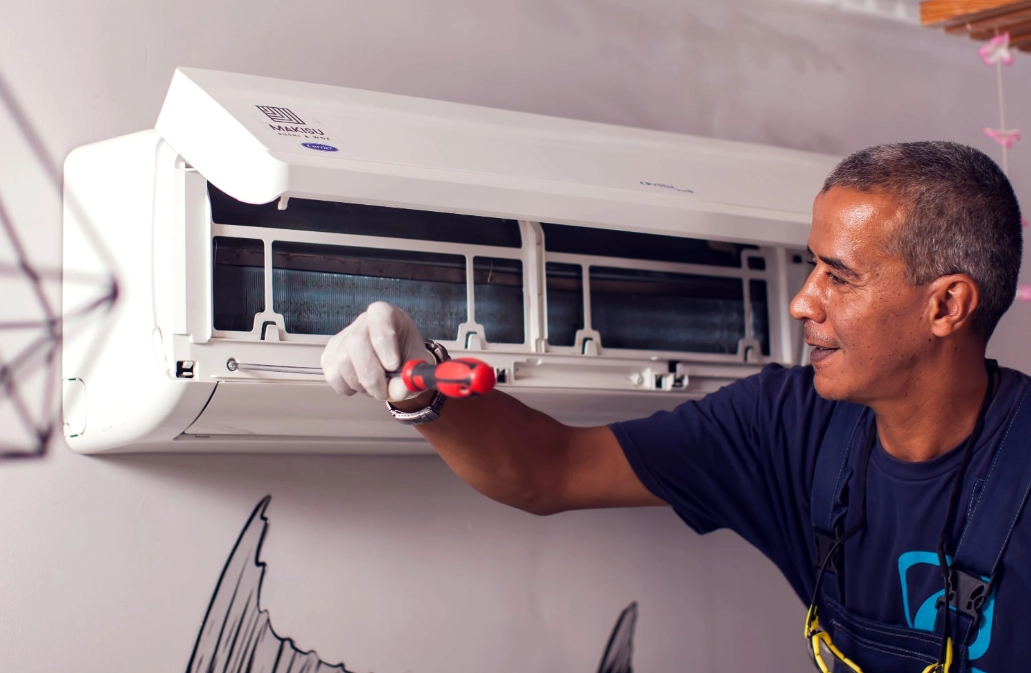
Contactor Relay Failure
The contactor is an electromagnetic switch that sends power to the compressor and outdoor fan. Over time, the contacts can pit, burn, or weld shut. If they're pitted, they might not make a good connection, preventing the compressor from starting even though the low-voltage signal from your thermostat is present. Sometimes you can see visible arcing marks on the contactor. This is another component a technician can swap out quickly.
The Costly Suspect: Refrigerant Issues
Refrigerant is the lifeblood of the system, cycling between indoor and outdoor units to move heat. There are two main problems here.
Low Refrigerant Charge (A Leak)
An AC system is a sealed loop. It should never lose refrigerant. If it's low, there's a leak. Symptoms start with reduced cooling capacity. As it gets worse, the evaporator coil gets too cold because there's not enough refrigerant to absorb heat properly, leading to ice formation. Eventually, the low-pressure safety switch will lock out the compressor to prevent damage, leaving only the fan running.
This is not a DIY fix. You need a licensed technician with an EPA certification to handle refrigerant. They must first find and repair the leak (using tools like an electronic leak detector or ultraviolet dye), then evacuate the system with a vacuum pump to remove moisture and air, and finally recharge it to the manufacturer's exact specification. This is where repair bills can jump into the hundreds of dollars.
Complete Refrigerant Loss or Compressor Failure
If the compressor has failed internally, it may not pump at all. The technician will find no refrigerant pressure or a completely blocked system. A new compressor is a major repair, often costing $1,000 to $2,000 or more. At that point, you have to weigh the cost against the age of the unit. If your system is over 12-15 years old, replacing the entire outdoor unit (and often the matching indoor coil) might be more cost-effective and reliable.
Making the Call: DIY vs. Professional Repair
Here's a quick decision matrix based on what you've found.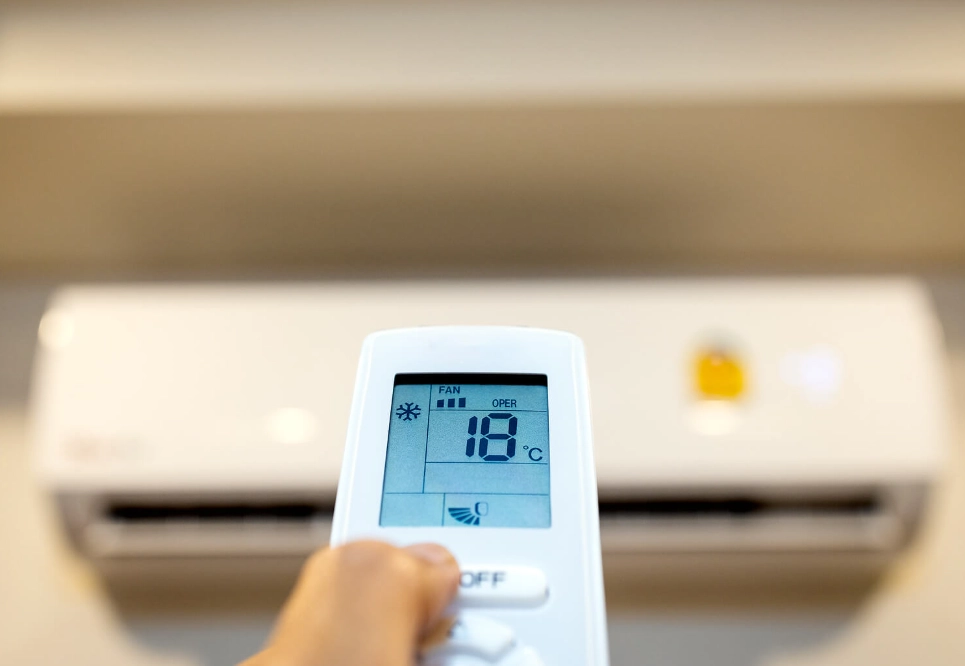
- Definitely DIY: Cleaning/replacing air filters, cleaning outdoor condenser coils (gently with a hose), ensuring thermostat settings are correct.
- Maybe DIY (if you're handy): Cleaning accessible indoor evaporator coils, visually inspecting components for obvious damage/burning.
- Time to Call a Professional: Anything involving electrical components (capacitors, contactors), refrigerant (low charge, hissing sounds indicating a leak), a completely silent outdoor unit, or repeated circuit breaker trips.
When you call, a good technician will ask you what you've already checked. Telling them "The indoor fan runs, the outdoor fan does not, and I've already cleaned the filter and outdoor coils" will help them immensely and might save you a diagnostic fee.
Your Burning Questions Answered
 I hear a clicking sound from the outdoor unit every few minutes, but it never starts. Just the indoor fan runs.
 How much should I expect to pay for a repair for this specific issue?