Let's cut to the chase. Fuel costs eat into your budget, and guessing your gas mileage is like throwing money out the window. A fuel efficiency calculator isn't just a fancy tool—it's your secret weapon to take control. I've spent years tinkering with cars and tracking expenses, and I can tell you that most drivers overlook simple math that could save them hundreds a year. In this guide, we'll break down everything from basic MPG calculations to advanced online tools, so you can stop worrying about pump prices and start driving smarter.
What's Inside This Guide?
- What is a Fuel Efficiency Calculator and Why You Can't Ignore It
- Top 5 Fuel Efficiency Calculators Online: Hands-On Reviews
- How to Use a Fuel Efficiency Calculator: A Step-by-Step Walkthrough
- The Big Mistake Everyone Makes with MPG Calculations
- Beyond the Calculator: Real-World Tips to Boost Fuel Economy
- FAQ: Your Burning Questions Answered
What is a Fuel Efficiency Calculator and Why You Can't Ignore It
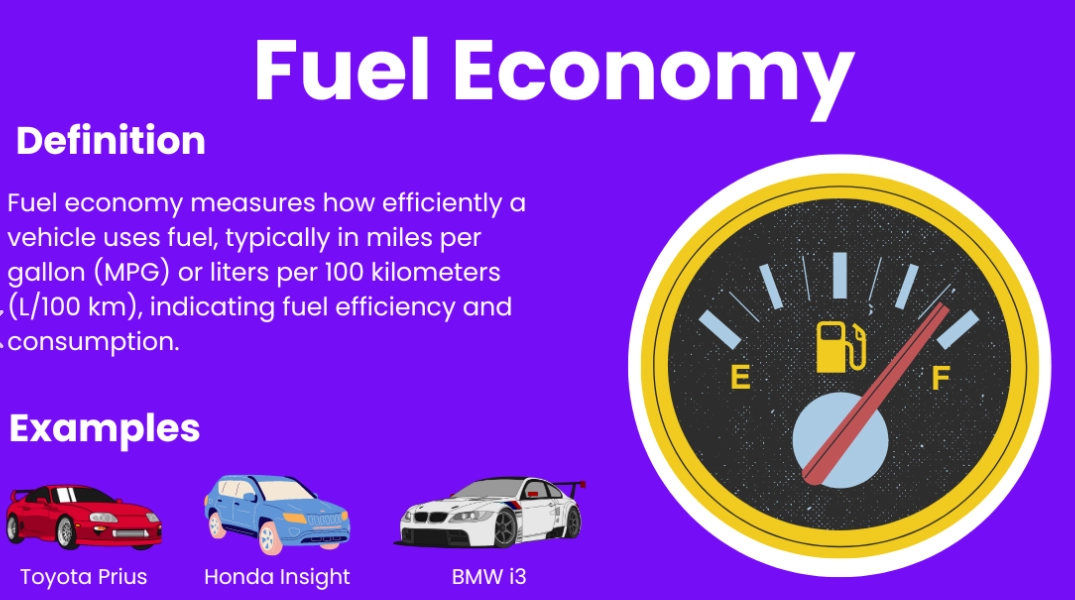
At its core, a fuel efficiency calculator is a tool that helps you figure out how many miles you can drive per gallon of fuel—your MPG. But it's more than that. It lets you estimate trip costs, compare vehicles, and spot trends in your driving habits. Why bother? Because without it, you're flying blind. I remember when I first bought a used SUV; I assumed it got decent mileage, but after using a simple calculator, I realized it was guzzling gas at 15 MPG in the city. That wake-up call saved me from a money pit.
How Fuel Efficiency Calculators Actually Work
Most calculators use a basic formula: miles driven divided by gallons used. But modern online tools pull in real-time data like fuel prices from the Energy Information Administration or vehicle specs from the EPA. They factor in things like driving conditions and maintenance schedules. It's not just math—it's about context. For example, if you're planning a road trip from New York to Florida, a good calculator will adjust for highway vs. city driving, giving you a more accurate cost estimate than a rough guess.
Top 5 Fuel Efficiency Calculators Online: Hands-On Reviews
I've tested dozens of calculators over the years. Here are the five that stand out, based on accuracy, ease of use, and extra features. Don't just take my word for it; try them yourself.
| Calculator Name | Best For | Key Features | My Take |
|---|---|---|---|
| FuelEconomy.gov Trip Calculator | Official data and trip planning | Uses EPA ratings, includes carbon footprint estimate | Reliable but a bit clunky on mobile. Great for comparing new cars. |
| AAA Gas Cost Calculator | Road trip budgeting | Integrates with AAA routes, real-time gas prices | Handy for members, but the interface feels outdated. |
| Calculator.net Fuel Cost Calculator | Quick everyday use | Simple inputs, customizable units (MPG, L/100km) | No frills, but it gets the job done. I use it for quick checks. |
| MPG Calculator by Omni | Detailed analysis | Tracks over time, exports data to CSV | Powerful for geeks, but overkill for casual users. |
| Fuelly App | Long-term tracking | Mobile app, community comparisons, maintenance logs | My personal favorite. It turns data into habits, though the ads can be annoying. |
Notice how each tool serves a different need? FuelEconomy.gov is perfect if you're buying a car and want official numbers, while Fuelly helps you track your actual driving over months. I've found that mixing tools—using one for planning and another for logging—gives the best results.
How to Use a Fuel Efficiency Calculator: A Step-by-Step Walkthrough
Let's walk through a real scenario. Say you drive a 2020 Honda Civic and want to calculate your MPG for a month. Here's how to do it without messing up.
Step 1: Gather your data. You'll need the miles driven and gallons of fuel used. The easiest way? Reset your trip odometer at each fill-up and note the gallons from the pump receipt. I keep a small notebook in the glove compartment—old school, but it works.
Step 2: Choose a calculator. For this, I'd use Calculator.net for simplicity. Open the site on your phone.
Step 3: Input the numbers. Enter the miles (say, 320) and gallons (10). Hit calculate. It'll show your MPG: 32. That's your baseline.
Step 4: Analyze the results. Compare it to the EPA rating for your Civic (around 36 MPG combined). If you're lower, something's off—maybe your driving style or tire pressure. This is where calculators shine; they flag issues you'd miss otherwise.
One thing I see people skip: they don't track consistently. Do this for at least three fill-ups to get an average. Weather, traffic, and load affect MPG, so a single calculation can be misleading.
The Big Mistake Everyone Makes with MPG Calculations
Here's a subtle error that even seasoned drivers overlook: they forget to account for fuel density changes with temperature. In colder months, fuel is denser, so you might get slightly better MPG, but calculators often don't adjust for this unless you input corrected volumes. Most online tools assume standard conditions, which can skew results by 2-3%. It's not huge, but over a year, it adds up. Always check if your calculator lets you input temperature or use one that sources local data, like AAA's tool.
Another pitfall? Relying solely on the vehicle's onboard computer. Those displays are estimates and can be off by 5% or more. Cross-check with a manual calculation using a fuel efficiency calculator for accuracy.
Beyond the Calculator: Real-World Tips to Boost Fuel Economy
A calculator tells you where you stand, but action saves money. Based on my experience, here are practical steps that go beyond the numbers.
Maintain your vehicle. Dirty air filters can drop MPG by 10%. I learned this the hard way when my old sedan's mileage plummeted; a $20 filter fix brought it back. Regular oil changes and proper tire pressure (check monthly) are non-negotiables. Under-inflated tires increase rolling resistance—think of it as dragging your feet.
Adjust your driving habits. Aggressive acceleration and braking waste fuel. Use cruise control on highways; it smooths out speed variations. I tested this on a 500-mile trip and saved about 2 gallons compared to manual driving.
Plan your trips. Combine errands to avoid cold starts. Engines are least efficient when cold. Apps like Google Maps can optimize routes for fuel efficiency, not just time.
Consider your load. Extra weight in the trunk reduces MPG. I once carried around a toolbox for weeks and saw a 3% drop. Lighten up where you can.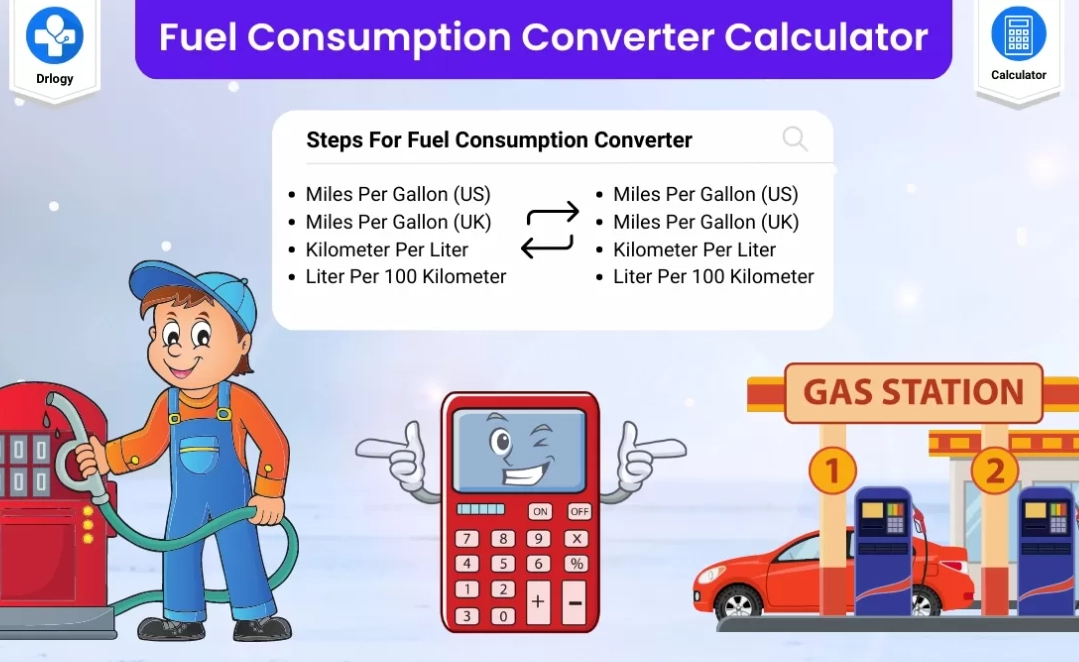
Pro tip: Use a fuel efficiency calculator to simulate changes. For example, if you're thinking of adding a roof rack, input the estimated drag increase (most calculators have a setting for this) to see how it affects your costs. It might convince you to skip it.
FAQ: Your Burning Questions Answered
 Why does my calculated MPG drop in winter, and how can I adjust for it?
 Fuel efficiency calculators aren't magic, but they're close. They turn vague worries into clear numbers. Start with a simple tool, track your habits, and use the data to drive change. I've saved over $500 a year just by paying attention—you can too. Don't let gas prices control your wallet; take the wheel and calculate your way to savings.