You're looking at a car, maybe online, maybe on a lot. The sticker says 22 MPG combined. Your brain immediately asks: is that good? Is that bad? Should I be happy or walk away?
Here's the straight answer right up front: 22 MPG is a perfectly average, acceptable number for many vehicles on the road today, but calling it "good" depends entirely on what you're comparing it to. For a full-size truck or a powerful SUV, 22 MPG might be impressive. For a compact sedan, it's frankly terrible. The real question isn't about a single number—it's about what that number means for your life, your driving, and your wallet.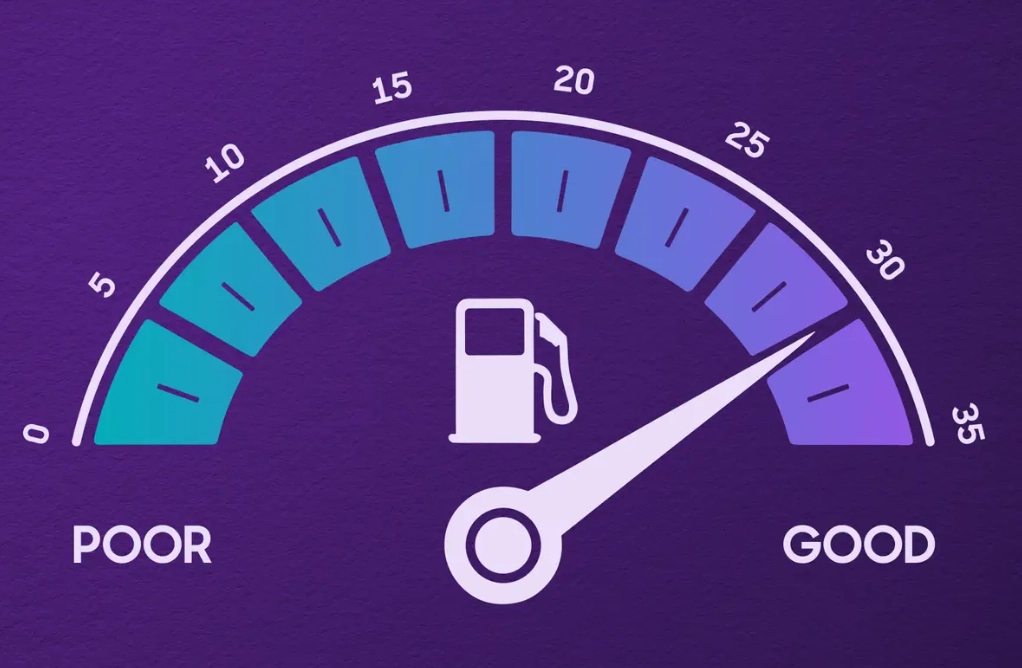
I've spent years talking to mechanics, analyzing fuel cost reports from sources like the U.S. Energy Information Administration, and most importantly, tracking my own gas receipts across different cars. The obsession with MPG often misses the forest for the trees. Let's cut through the noise.
What’s Inside This Guide
What Does 22 MPG Actually Mean for Your Wallet?
Miles per gallon is an efficiency rating, but let's translate it to the language that matters: dollars and cents. This is where the rubber meets the road.
Let's assume you drive the U.S. average of about 14,000 miles per year and gas costs a national average of $3.70 per gallon (a rough figure, check your local price).
A car that gets 22 MPG will burn through about 636 gallons of fuel in a year (14,000 miles ÷ 22 MPG). That's an annual fuel cost of roughly $2,354.
Now, let's put that in a table next to some common benchmarks. This is the comparison most people instinctively want to make.
| Vehicle Fuel Economy (Combined) | Annual Gallons Used (14k mi) | Estimated Annual Fuel Cost (@ $3.70/gal) | Cost vs. 22 MPG Car |
|---|---|---|---|
| 35 MPG (e.g., efficient sedan) | 400 gallons | $1,480 | Saves you $874 per year |
| 28 MPG (e.g., mainstream crossover) | 500 gallons | $1,850 | Saves you $504 per year |
| 22 MPG (your target) | 636 gallons | $2,354 | — Baseline — |
| 18 MPG (e.g., older truck/large SUV) | 778 gallons | $2,879 | Costs you $525 more per year |
| 15 MPG (e.g., heavy-duty truck) | 933 gallons | $3,452 | Costs you $1,098 more per year |
Seeing the numbers laid out changes things. A 22 MPG vehicle isn't a gas guzzler in the classic sense, but it's certainly not sipping fuel. The jump from 22 MPG to 28 MPG saves you over $40 a month. That's a phone bill, a nice grocery run, or a couple of streaming subscriptions. The jump from 22 MPG to 18 MPG, however, adds that same amount to your expenses.
The point? 22 MPG sits in a middle ground. It's not the budget-buster that 15 MPG is, but it leaves significant money on the table compared to more efficient options. Whether that trade-off is worth it depends on what you're getting for that extra fuel cost.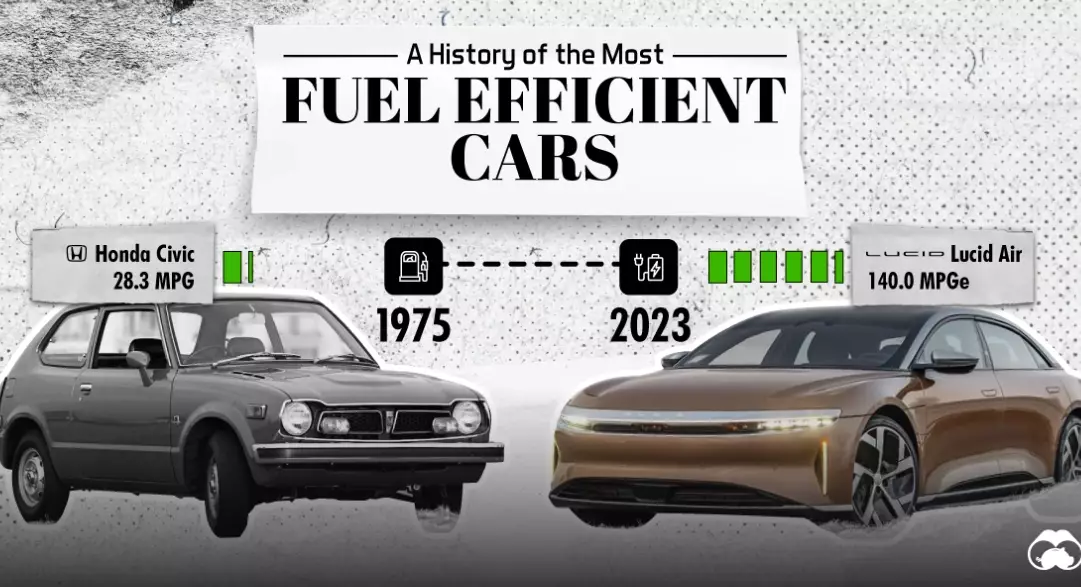
The Vehicle Context: Is 22 MPG Good for a Truck, SUV, or Sedan?
This is the most critical filter. Judging MPG in a vacuum is useless. You have to look at the vehicle class.
For a Full-Size Pickup Truck or Large SUV
If you're looking at a Ford F-150, Chevrolet Silverado, or a three-row SUV like a Chevy Tahoe, 22 MPG combined is actually quite good, even impressive for a non-hybrid model. Just a decade ago, trucks in this class struggled to hit 18 MPG on a good day. Modern engine technology (like turbocharging and cylinder deactivation) has pushed these heavy, capable vehicles into the low 20s. The EPA ratings for many 2024 model half-ton trucks hover right around 20-23 MPG combined. So in this context, 22 MPG is a sign of a modern, relatively efficient powertrain.
For a Midsize SUV or Crossover
Here, the picture gets murky. For a vehicle like a Jeep Grand Cherokee, Ford Explorer, or Toyota 4Runner, 22 MPG is pretty typical, maybe even slightly below average. Many mainstream midsize crossovers (Honda Passport, Nissan Murano) now achieve 24-26 MPG combined. A 22 MPG rating in this segment might indicate a thirstier V6 engine, all-wheel drive, or a boxier, less aerodynamic design. It's not a deal-breaker, but it's worth noting you're not getting class-leading efficiency.
For a Sedan, Hatchback, or Compact Car
Let's be blunt: 22 MPG combined is poor for a passenger car. The current Toyota Camry gets up to 32 MPG combined. A Honda Civic can hit 36 MPG. Even small SUVs like the Honda CR-V achieve 30 MPG. A sedan that only manages 22 MPG is likely either a performance model (think V6 muscle car) or an older design with outdated engine technology. In this category, 22 MPG is a red flag for high running costs unless it's attached to a car you specifically want for power, not efficiency.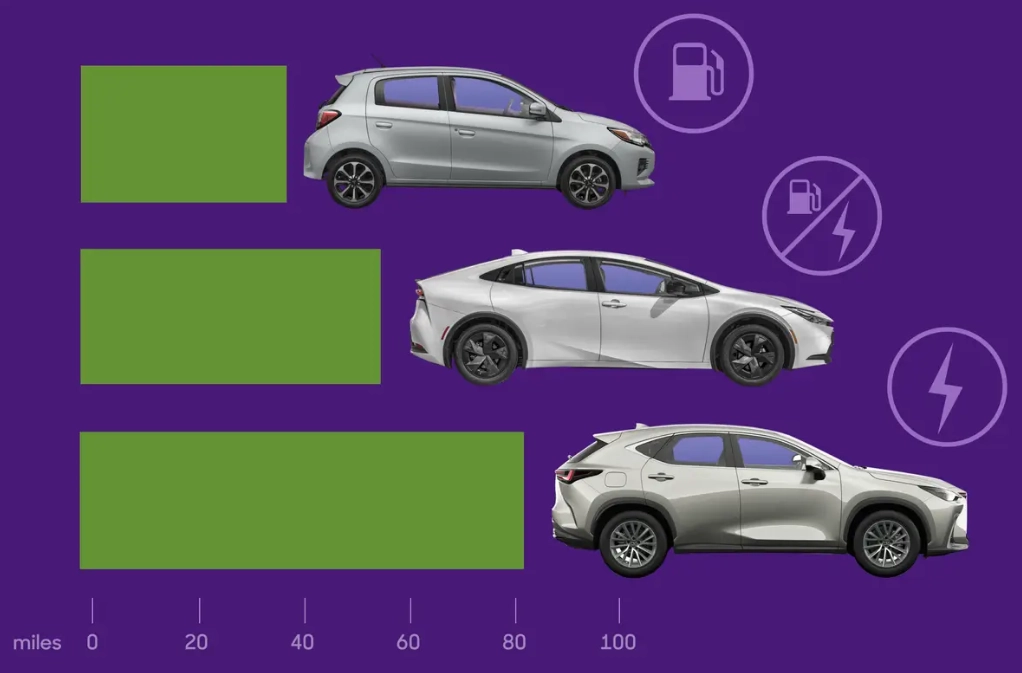
The Expert Angle: One subtle mistake I see all the time is people comparing the MPG of a truck to the MPG of their old sedan and feeling disappointed. It's like comparing the appetite of a Great Dane to a Chihuahua. The baseline is completely different. Set your expectations based on the vehicle's size, weight, and purpose, not on an arbitrary "good" number.
How to Decide if 22 MPG is Good Enough For You
So, the vehicle you like gets 22 MPG. How do you make the call? Don't just guess. Run your own personal math.
First, nail down your real annual mileage. Don't use the national average if you know you drive less (or more). Check your last oil change receipt or odometer notes. A low-mileage driver (say, 8,000 miles a year) will feel the pinch of 22 MPG much less than a commuter driving 20,000 miles.
Second, use your local gas price. Go to GasBuddy or just look at the sign down the street. Plug that number into the calculation: (Your Annual Miles / 22) x (Your Gas Price). That's your projected yearly fuel spend.
Third, ask the "what else" question. Take that annual cost difference we calculated earlier—say, the $500+ you'd save with a 28 MPG vehicle. What does that $500 buy you in the vehicle with 22 MPG? More space? More towing capacity? More power and fun? More reliability from a known model? If the answer is "nothing, it's just an older/less efficient model," then you're paying a fuel penalty for no benefit. But if the 22 MPG vehicle is a truck that lets you haul plywood for your projects, or an SUV that fits your whole soccer team, then the extra fuel cost might be a justifiable trade for utility.
I once chose a vehicle rated at 21 MPG over one rated at 26 MPG. The reason? The less efficient one had a far more comfortable ride for my long highway trips and a proven reliability record that saved me on maintenance. The extra $300 a year in gas was worth it for my back and peace of mind. Your priorities will be different.
Beyond the Number: The MPG Illusion and How to Beat It
Here's the secret veteran car owners know: The EPA window sticker number is just a starting point. Your real-world MPG is in your control.
I've watched two people drive the same 22 MPG-rated car. One averages 19 MPG, the other averages 24 MPG. How? Driving habits.
Aggressive acceleration and hard braking are fuel murderers. Every time you stomp the gas from a stoplight, you're dumping extra fuel into the cylinders. High-speed driving (over 70 MPH) kills efficiency due to aerodynamic drag. Using roof racks or driving with under-inflated tires creates constant, silent friction.
The car rated for 22 MPG combined is a promise under specific test conditions. You can nudge it toward 24 MPG with gentle driving, proper tire pressure, and light use of the air conditioning. Or you can drag it down to 19 MPG with a lead foot and a cargo box on top.
This is more important than most realize. Chasing a 2 MPG difference on a sticker might lead you to a car you like less. But changing your driving style to gain 2-3 MPG in the car you actually want is free and puts money right back in your pocket.
Your Burning Questions About Fuel Economy
 Should I pay more for a hybrid to get better than 22 MPG?