Pop the hood, and you'll see the engine oil cap, the coolant reservoir, maybe the brake fluid. But the transmission fluid? It's often hidden, out of sight and out of mind. That's a mistake. This red (or sometimes green, blue, or amber) liquid is the lifeblood of your automatic transmission, and treating it as an afterthought is one of the quickest ways to turn a $150 service into a $4,000 rebuild. I've seen it happen too many times in the shop.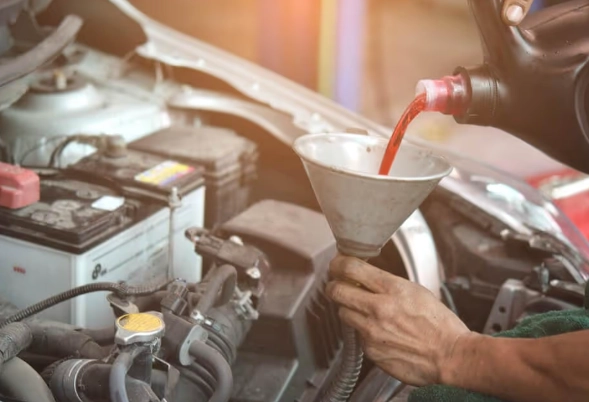
Let's talk about what it actually does, when to change it, and how to pick the right one without falling for marketing hype or garage myths.
What You'll Learn
Transmission Fluid Explained: It's Not Just Oil
Calling it "oil" is selling it short. In a modern automatic, the fluid is a hydraulic fluid, a coolant, and a lubricant all in one.
Think of it as the transmission's nervous system and bloodstream combined. It's pressurized by a pump to actuate clutches and bands that shift gears. It flows through tiny valves in the valve body—some passages are thinner than a pencil lead. It also coats all the spinning gears and bearings, preventing metal-on-metal contact, and carries heat away to the transmission cooler.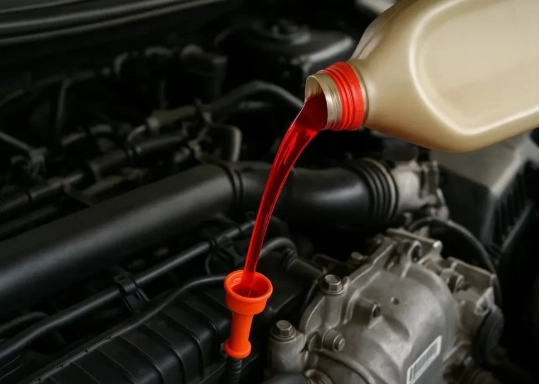
The Major Fluid Families
| Fluid Type/Specification | Common Applications | Key Thing to Know |
|---|---|---|
| Dexron VI / Mercon LV | General Motors, many Ford vehicles (post-2006), some Toyotas | Modern low-viscosity fluids for improved fuel economy and shift feel. Do not use in older cars that call for Dexron III. |
| ATF+4 | Chrysler, Dodge, Jeep, Ram (1999 and later) | It's synthetic and specifically designed for their clutch materials. Using the older ATF+3 can cause shift flare and wear. |
| Toyota WS (World Standard) | Toyota, Lexus (2004+ models, especially with 6+ speeds) | A "lifetime" fluid by Toyota's definition. It's very stable, but still degrades with severe use. Changing it dramatically improves shift quality on high-mileage cars. |
| CVT Fluid | Nissan (NS-2, NS-3), Honda HCF-2, Subaru Lineartronic | This is non-negotiable. CVTs use a special chain/belt and cone system. The wrong fluid destroys it in short order. |
| Dual Clutch (DCT) Fluid | VW DSG, Ford PowerShift, Hyundai/Kia DCT | These are often more like gear oils with specific additives for the dual-clutch modules. Check the manual religiously. |
See that last column? That's where the gotchas live. The spec in your owner's manual isn't a suggestion; it's the recipe your transmission's friction materials were designed for.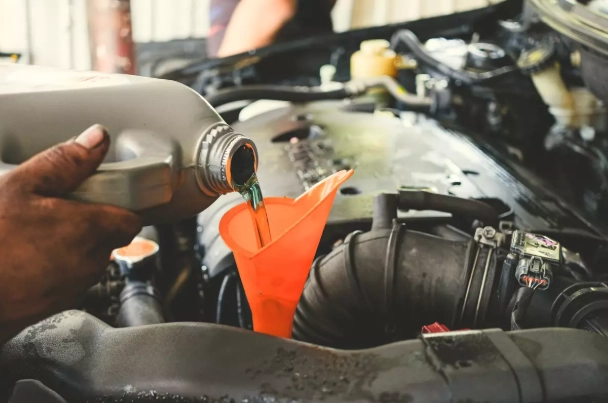
How to Choose the Right Transmission Fluid
Standing in the auto parts store aisle is overwhelming. Do you go with the big-name synthetic, the cheaper conventional, or the universal blend?
Here's my method, stripped of the fluff:
- Your Owner's Manual is King. Open it. Find the fluid specification (e.g., "Mercon LV"). Write it down. This is your shopping list.
- Brand vs. Specification. The brand matters less than the spec. Mobil 1, Valvoline, ACDelco, Ravenol—if the bottle says it meets or exceeds your exact spec, it's a candidate. I've had good results with major brands because their quality control is consistent.
- Synthetic vs. Conventional. If your car is newer (post-2000-ish) or calls for a low-viscosity fluid (like Dexron VI), it almost certainly needs a synthetic or synthetic blend. Synthetics handle heat better and resist oxidation longer. For an older car that spec'd conventional fluid, a high-quality conventional is fine. Switching an old transmission to full synthetic can sometimes cause seal leaks due to its different detergent packages.
- Ignore the "Universal" Miracle Claims. Universal fluids that claim compatibility with 10+ specs are a compromise. They're okay for a top-up in an emergency, but I'd never use one for a full service on a transmission I cared about. They're designed to not break anything, not to optimize performance.
Let me give you a real scenario. A customer brought in a 2013 Ford Fusion shifting rough. The previous shop had used a premium universal ATF. We drained it, flushed the system, and refilled with the proper Mercon LV. The difference was night and day—smooth, crisp shifts returned. The universal fluid wasn't "wrong," but it wasn't right either.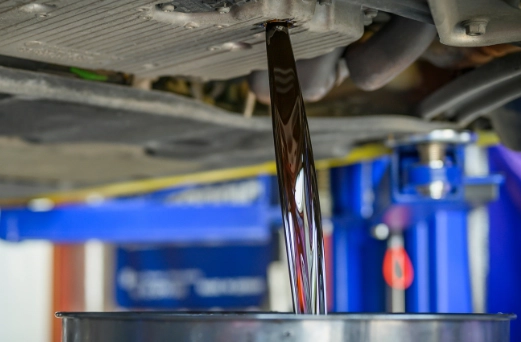
When to Change It: The Interval Nobody Agrees On
This is the million-dollar question. You'll hear "every 30,000 miles," "every 100,000 miles," and "lifetime—never change it." Who's right?
They all are, depending on context. "Lifetime" to a car manufacturer often means the warranty period (e.g., 100,000 miles). After that, transmission failure is your problem, not theirs.
Heat is the killer. Every 20°F increase in operating temperature can halve the fluid's life. So, your change interval depends entirely on how you drive:
- Severe Service Schedule (Follow This): Towing, frequent short trips (engine doesn't fully warm up), city driving in heat, mountainous driving, commercial use (like taxis). Change every 30,000-40,000 miles.
- Normal Service (Theoretical): Mostly long, steady highway drives in moderate climates. You might stretch to 60,000-100,000 miles. But I wouldn't.
New Fluid: Bright red, translucent, smells like petroleum.
Used but OK: Darker red/brown, still translucent, mild odor.
Needs Change: Dark brown/black, opaque, may have a burnt smell.
Danger Zone: Black with visible particles or a strong, acrid burnt smell. This indicates internal wear.
No dipstick? Many modern cars have sealed "lifetime" units. You can often still check or change the fluid via a check plug on the side or bottom of the transmission pan. Consult a service manual for your specific model.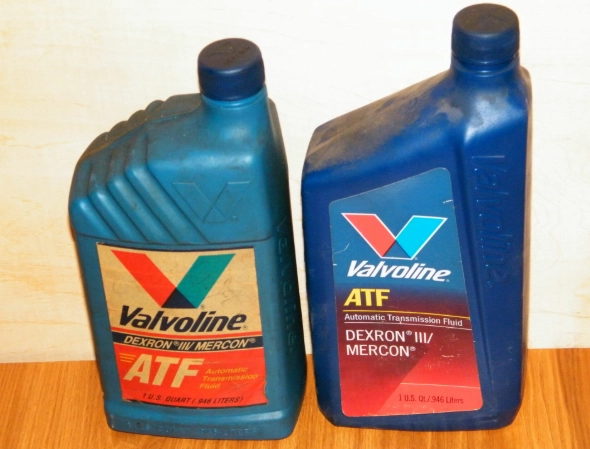
Doing a Drain-and-Fill Yourself
A full flush requires a machine. But a drain-and-fill replaces 30-50% of the fluid and is a fantastic maintenance step. Here's how it works.
Tools Needed: Socket set, drain pan, funnel, new fluid, new pan gasket or RTV sealant (if applicable), torque wrench (ideal).
- Safety First. Park on level ground, set the parking brake, chock the wheels. Let the car cool for an hour so you don't get burned.
- Locate and Drain. Find the transmission pan. It's usually a rectangular or squared-off pan bolted to the bottom of the transmission. Place your drain pan underneath, loosen all the bolts slightly, then tap one corner to break the seal and let it drain. Remove the last few bolts carefully—the pan will be heavy with fluid.
- Inspect the Pan. This is your chance to play detective. Look inside the old pan. A light coating of fine, silvery paste is normal clutch material. Any chunks of metal, plastic, or brass (from bushings) are bad news. Clean the pan and magnet thoroughly.
- Replace the Filter/Screen. Many automatics have an internal filter or screen attached to the valve body. Unbolt it and replace it with a new one. Don't skip this.
- Reassemble. Clean the mating surfaces perfectly. Install a new gasket or apply a thin bead of RTV sealant. Reinstall the pan and torque the bolts in a criss-cross pattern to the spec (often 10-15 ft-lbs—overtightening warps the pan).
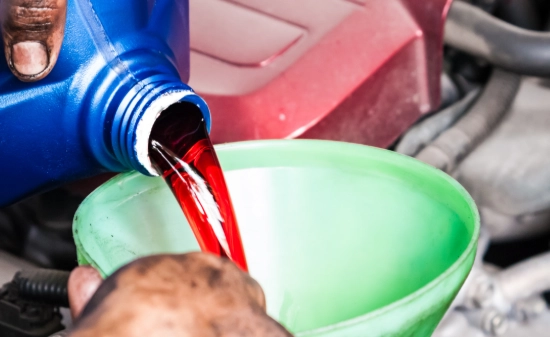
- Refill. Find the fill plug (usually on the side of the transmission) or use the dipstick tube. Add the type and quantity of fluid specified in your manual.
- Check Level. Start the car, cycle through the gears (P-R-N-D, pause in each), then with the car idling in Park, check the fluid level on the dipstick or at the check plug. Add until it's at the "Full" mark when warm.
That's it. You've just added tens of thousands of miles to your transmission's life.
3 Costly Transmission Fluid Mistakes
I see these all the time. Avoid them.
1. The "Flush" on a High-Mileage, Never-Serviced Transmission. This is the big one. If a car has 150,000 miles on the original fluid, that fluid is thick with suspended clutch material and varnish. A powerful flush machine can blast that debris loose, sending it straight into the delicate valve body, clogging passages and causing immediate failure. The shop then blames the "dirty old fluid," not the aggressive flush. The safer play? A gentle drain-and-fill. Then drive 500 miles and do another. It's slower, but it won't kill the transmission.
2. Using the Wrong Fluid Because "It's All Red." Color means nothing. Some CVT fluids are blue. Some Honda fluids are dark. Some older fluids were amber. Pouring Dexron VI into a car that needs ATF+4 is asking for harsh, slamming shifts and premature clutch wear. The chemical formulations are different.
3. Ignoring Leaks Until It's Too Late. A small seep from a pan gasket or seal is a warning. Low fluid level is catastrophic. The pump sucks air, pressure drops, clutches slip and burn up—all in a matter of miles. If you see red drops on your driveway, get it fixed. It's cheaper than a new transmission.
Your Transmission Fluid Questions, Answered
Look, transmission fluid isn't sexy. But understanding it—knowing when to change it, what kind to use, and what to avoid—might be the single most cost-effective piece of car maintenance you can do. It's the difference between a car that gets traded in at 120,000 miles and one that quietly passes 200,000 without a hiccup.
Check your manual. Find your spec. And maybe give that hidden dipstick a look next time you're checking the oil. Your transmission will thank you.