Your Quick Guide
- What Actually Determines the Price of a Fuel Pump?
- Breaking Down the Numbers: A Realistic Price Table
- Where Should You Buy a Fuel Pump?
- DIY vs. Professional Installation: The Real Cost Calculation
- How to Know If Your Fuel Pump Is Actually Failing
- Answers to Your Burning Questions (FAQs)
- Final Thoughts: Making Your Decision
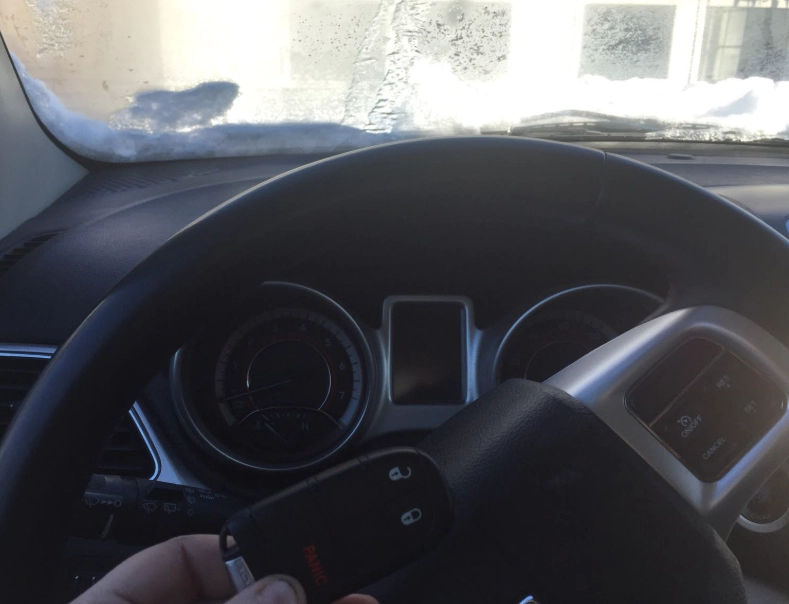
You turn the key, and instead of the familiar purr, you get a crank-crank-crank… nothing. That sinking feeling hits. Maybe it's the starter, maybe it's the battery, but a little voice whispers "fuel pump." And immediately, the next question pops into your head: how much is a fuel pump for a car going to set me back? It's a fair question. You're not just buying a part; you're buying the solution to a problem that's literally stopping you in your tracks.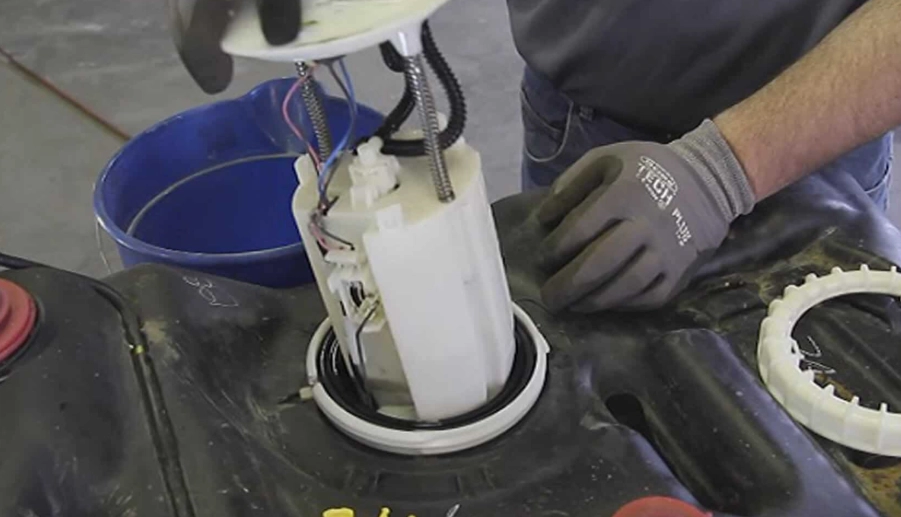
I remember the first time I had to deal with this. My old pickup truck just decided it was done one evening. The mechanic said "fuel pump" and threw out a number that made me wince. I had no frame of reference. Was he ripping me off? Was the part gold-plated? I spent hours digging through forums and calling parts stores, trying to make sense of it all.
Let's cut through the confusion right now. The short, brutally honest answer is: it depends. A lot. But that's not helpful, is it? Saying "it depends" is what everyone says. So let's break down what it depends on, and give you real numbers you can actually use.
The Bottom Line Up Front: For most common cars and trucks, the total cost for a fuel pump replacement—part and professional labor—typically falls between $400 and $1,200. The part alone, if you're brave enough to DIY, can range from $50 for a basic aftermarket unit to over $600 for a fancy OEM pump for a luxury or performance vehicle.
See? Already more useful than "it depends." But you're here because you need to understand why the range is so wide. Is your car at the $400 end or the $1,200 end? Let's dig in.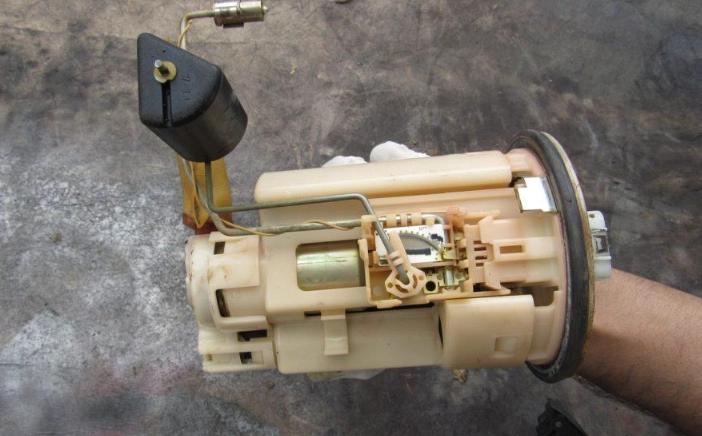
What Actually Determines the Price of a Fuel Pump?
Asking how much a fuel pump costs for a car is like asking how much a pair of shoes costs. Are we talking flip-flops or custom-made leather boots? For fuel pumps, several key factors push the price up or down.
1. Your Car's Make, Model, and Year (The Biggest Factor)
This is the heavyweight champion of price determinants. A fuel pump for a common 2015 Honda Civic is a high-volume, mass-produced part. It's cheap and easy to find. A fuel pump for a 2018 BMW 750i or a 2020 Ford Raptor? That's a different story.
Luxury and performance cars often use higher-flow, more precise pumps, sometimes with integrated sensors and modules. They're just more complex. Also, if your car has a "fuel pump module" or "bucket assembly" where the pump is housed inside the fuel tank with the filter and sender unit, you might be paying for that whole assembly, not just the little pump motor. My friend learned this the hard way with his Audi. He thought he was buying a pump, but the shop quoted him for the entire sender unit. Big difference.
Watch Out: Some newer cars, especially German models, have fuel pumps that are coded to the engine computer. This means even if you install a new one yourself, it might not work without proprietary software to "marry" it to the car. This instantly pushes you toward dealer-level repair costs.
2. OEM vs. Aftermarket Parts
This is the classic choice: genuine factory part or a third-party alternative.
- OEM (Original Equipment Manufacturer): This is the exact part that was in your car when it rolled off the assembly line, often sold through the dealership. It's the safe bet. You know it fits perfectly and meets the manufacturer's specs. But you pay for that peace of mind. This is usually the most expensive route.
- Aftermarket: These are made by other companies (like Bosch, Delphi, Denso, Airtex, Carter). Quality can range from excellent (often the same companies that supply OEMs) to downright terrible. A high-quality aftermarket pump from a reputable brand is often 30-50% cheaper than the dealer OEM part and is a fantastic option for most repairs.
I usually go for the premium aftermarket brands. You save money without (usually) sacrificing reliability. But for a car I plan to keep forever, or if it's a hard-to-reach pump, I might splurge on OEM to avoid doing the job twice.
3. In-Tank vs. In-Line Pump Design
Virtually all modern cars have in-tank electric fuel pumps. They're submerged in the fuel, which cools and lubricates them. Replacing these is more labor-intensive because the fuel tank often needs to be accessed or dropped.
Some older vehicles (think 80s and early 90s) had in-line mechanical pumps, usually driven by the engine. These are much simpler and cheaper, both in part cost and labor. But if you're driving something that old, you probably already know it!
The labor to get to the pump can sometimes cost more than the pump itself. It's all about access.
Breaking Down the Numbers: A Realistic Price Table
Let's get specific. Here’s a look at what you might actually pay. These are estimates based on current market averages for parts and labor. Your local shop's rates will vary.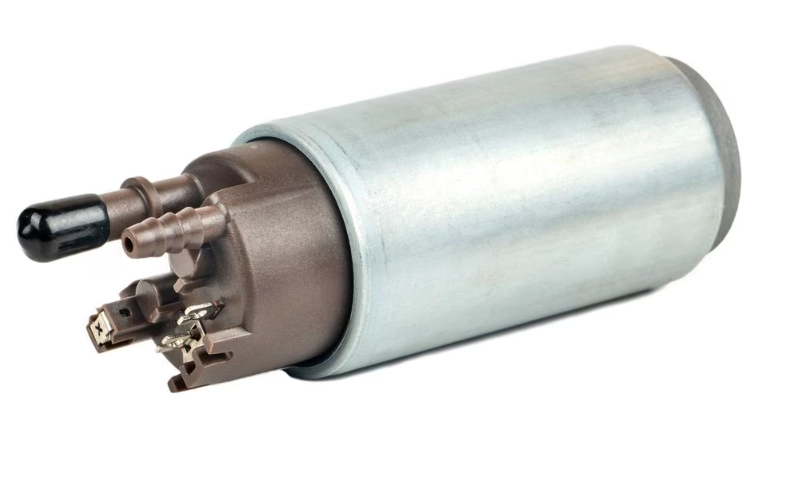
| Vehicle Type (Example) | Part Cost (Aftermarket, Quality Brand) | Part Cost (OEM/Dealer) | Estimated Labor Cost (2-4 hrs) | Total Estimated Cost (Aftermarket + Labor) |
|---|---|---|---|---|
| Common Compact Sedan (e.g., Toyota Corolla, Honda Civic) |
$80 - $180 | $200 - $400 | $200 - $400 | $400 - $700 |
| Mid-Size SUV/Truck (e.g., Ford Explorer, Chevrolet Silverado 1500) |
$120 - $250 | $300 - $550 | $250 - $500 | $500 - $900 |
| Performance/Luxury Car (e.g., BMW 3-Series, Mercedes C-Class) |
$200 - $400 | $450 - $800+ | $300 - $600+ | $800 - $1,500+ |
| Full-Size Truck/SUV (e.g., Ford F-250, Chevy Suburban) |
$150 - $300 | $350 - $600 | $300 - $550 | $600 - $1,100 |
Notice how labor is a massive chunk of the total. This is why the question "how much is a fuel pump for a car" is only half the story.
Where Should You Buy a Fuel Pump?
You've got options, each with pros and cons.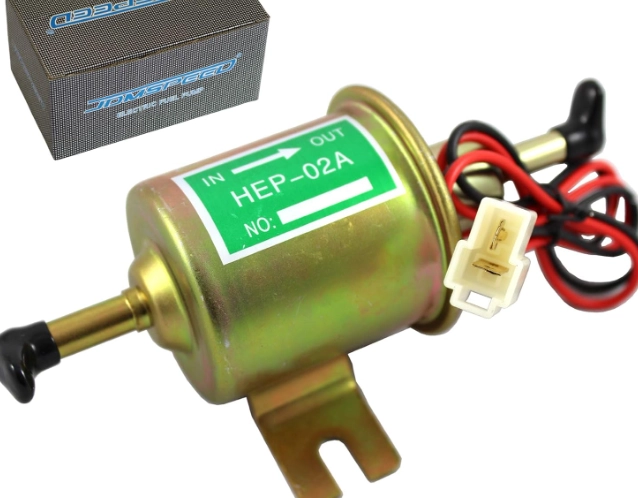
Local Auto Parts Store (Advance, AutoZone, O'Reilly's)
Convenience is king here. You can get it today. They usually offer a limited lifetime warranty on their house-brand pumps, which is great. The staff can help you find the right part. The downside? You're paying a retail markup. The selection might be limited to one or two brands. I use these for emergencies or when I need the part immediately and can't wait for shipping.
Online Retailers (RockAuto, Amazon, CarParts.com)
This is where you find the best prices and the widest selection. Sites like RockAuto are legendary among DIYers for having everything at low prices. You can compare a dozen brands and price tiers side-by-side. The trade-off is waiting for shipping and handling returns if the part is wrong or DOA. Also, you need to know exactly what you're looking for. Double-check your vehicle information.
The Dealership
The most expensive option, bar none. You will get the perfect OEM part. That's it. For most people, this is overkill unless your car is under warranty or has one of those coding issues I mentioned. I almost never buy from the dealer unless it's a very specific sensor or module only they sell.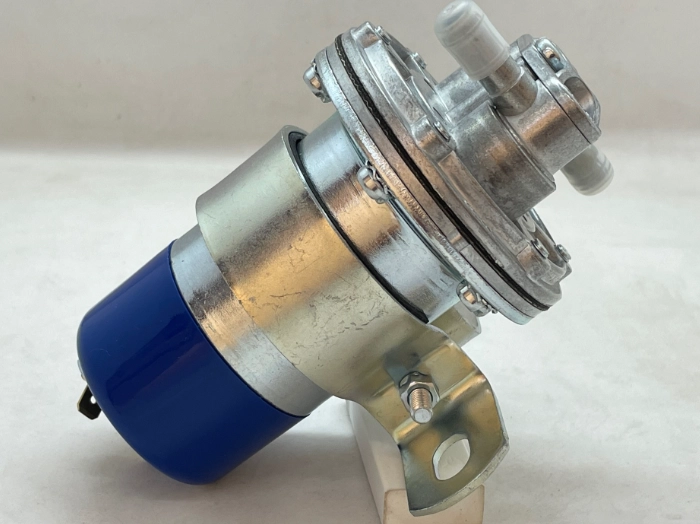
Pro Tip: Before you buy anywhere, get the exact part number from your old pump or your vehicle's repair manual. Cross-reference this number online. A great resource for understanding parts and their engineering standards is the SAE International website. While they don't sell parts, they set the global engineering standards that part manufacturers follow, which gives you insight into what makes a quality component.
DIY vs. Professional Installation: The Real Cost Calculation
This is the decision point. Tackling it yourself can save you hundreds in labor. But should you?
The Case for DIY
- Cost Savings: This is the big one. You pay for the part and maybe a few tools. That's it.
- Satisfaction: There's a real pride in fixing your own car.
- Control: You choose the exact part brand, and you know the job was done carefully.
The job itself? On many cars, it's straightforward: disconnect the battery, relieve fuel pressure, disconnect lines and electrical connector, drop the fuel tank (supported safely!), swap the pump, and reverse the process. You can find a detailed video for almost any car on YouTube. I've done it in my driveway on a Saturday afternoon.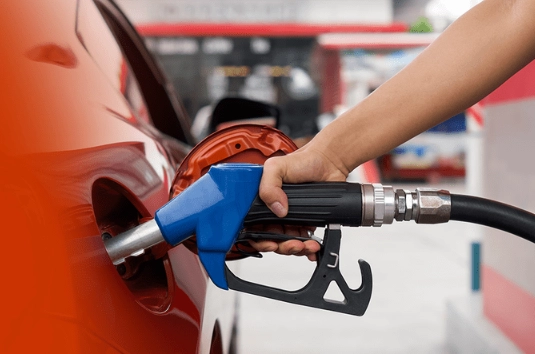
The Case for a Professional Mechanic
- Time and Hassle: Do you have a full day, a safe workspace, and the right tools (fuel line disconnect tools, jack stands, etc.)? Dropping a fuel tank full of gasoline is no joke.
- Complexity: On some front-wheel-drive cars, the fuel tank is tucked up above the rear axle and exhaust. It's a tight, frustrating job. Some require removing the rear seat to access a service panel, which is easier.
- Safety: Fuel is flammable. Electrical connections near fuel vapors are a risk. Professionals have the equipment and experience to manage this.
- Warranty: A good shop will warranty their labor and the part for a year or more. If it fails, they fix it.
My rule of thumb: If the repair involves just dropping the tank and you have a garage, DIY is very doable. If it looks like a puzzle where the subframe needs to come down, call a pro.
How to Know If Your Fuel Pump Is Actually Failing
Before you spend a dime, be reasonably sure this is the problem. Throwing a $200 part at a $20 fuel filter issue is painful. Here are the classic symptoms:
- Car Won't Start: The engine cranks but doesn't fire. This is the classic sign, but it could also be ignition or security-system related.
- Loss of Power Under Load: The car drives okay at low speed but sputters, hesitates, or won't accelerate when you need power (going up a hill, merging). The pump can't keep up with demand.
- Engine Sputtering at High Speed: Similar to above, a steady cruise is fine, but maintaining higher speeds causes intermittent power loss.
- Whining Noise from the Fuel Tank: A loud, high-pitched whine that gets louder as you turn the key to "on" (before starting) can indicate a worn-out pump. Listen near the rear of the car.
- Car Dies When Warm: It starts fine cold, but after driving for a while, it stalls and won't restart until it cools down. This points to an electric motor in the pump failing as it heats up.
Don't Skip This: The fuel filter is the fuel pump's best friend. A clogged filter makes the pump work much harder, leading to premature failure. Replacing a $25 filter is way cheaper than a pump. Also, always check for simple things first: is there gas in the tank? (It happens!). Is the inertia safety switch tripped? (Common after a bump). Is a fuse or relay blown? A quick check of the fuel pump relay is free and takes two minutes.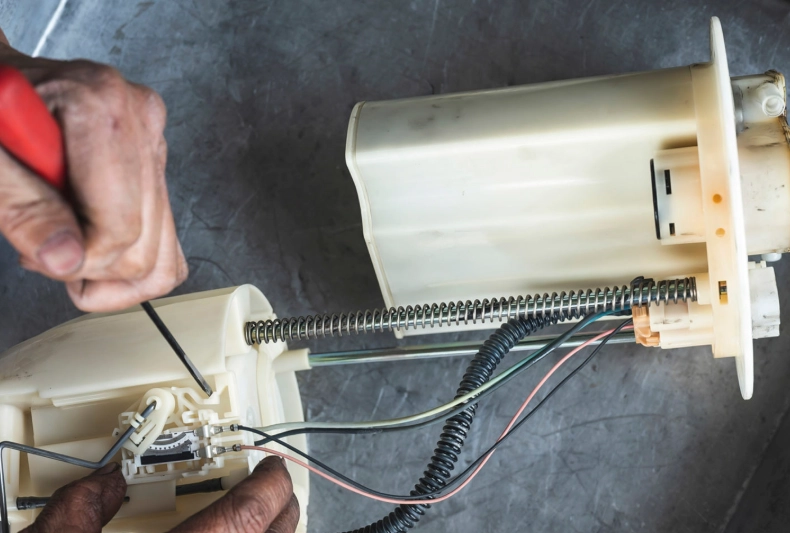
Answers to Your Burning Questions (FAQs)
Can a fuel pump fail suddenly, or does it give warnings?
Both. Sometimes they just die. More often, they show the symptoms above for weeks or months—sputtering under load, longer cranking times—before giving up completely. That whining noise is a big warning.
Is it safe to drive with a failing fuel pump?
Not really. At best, it will leave you stranded. At worst, it could die in a dangerous situation like a busy intersection or while passing on a highway. Get it checked.
How long does a fuel pump last?
There's no set mileage. I've seen them fail at 60,000 miles and last past 150,000. It depends on driving habits, fuel quality (try to keep your tank above 1/4 full to keep the pump cool), and luck. Using a major-brand Top Tier gasoline, as recommended by many manufacturers and studied by organizations like the U.S. Department of Energy, can help keep fuel system deposits low, which may contribute to longer component life. You can read about their fuel quality research here.
Will a bad fuel pump throw a check engine light?
Sometimes, but not always. If the pump's performance is so bad it causes a lean fuel condition (not enough fuel), then yes, you might get a P0171 or similar code. But often, there's no code at all. Don't rely on the absence of a check engine light to rule it out.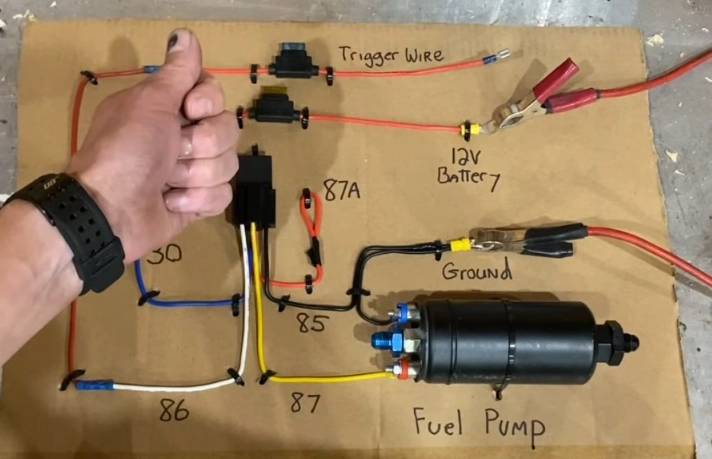
What's the labor time? Why is it so expensive?
Most shops quote 2 to 4 hours. This includes time to safely depressurize the system, disconnect everything, lower the tank (which can be heavy and awkward), swap the pump, reinstall, and test for leaks. It's a physical, time-consuming job. The labor cost reflects that skilled time.
Can I just replace the fuel pump myself with a cheap one from eBay?
You can. I wouldn't. The fuel pump is a critical, wear-it-out-and-you're-stranded component. A no-name, ultra-cheap pump is a huge gamble. It might last a year, it might last a week. The labor to install it is the same whether the part costs $50 or $250. Paying a bit more for a known brand (Bosch, Delphi, Denso, ACDelco) is cheap insurance. I learned this lesson with a water pump once. Never again.
Final Thoughts: Making Your Decision
So, after all this, how much is a fuel pump for a car going to cost you? Now you have the tools to figure it out.
- Diagnose: Be as sure as you can that it's the pump. Check the simple stuff first (fuse, relay, filter, listen for the prime whine).
- Research Your Car: Search "[Your Car Year Make Model] fuel pump replacement." Watch a video. Is it a tank-drop or seat-access job? This tells you DIY difficulty.
- Price the Part: Look up a quality aftermarket pump (e.g., Bosch) for your car on RockAuto or at a local store. Get the OEM price from a dealer website for comparison.
- Get a Quote: Call a trusted independent shop (not just the dealer) and ask for an estimate for the job. Reputable shops often use estimating guides like those from RepairPal, which can give you a fair price range for your area.
- Decide DIY or Pro: Weigh the cost savings against your time, skill, tool access, and tolerance for frustration.
The price isn't a mystery anymore. It's a calculation based on your car, your choice of parts, and who turns the wrench. Armed with this knowledge, you can talk to a mechanic with confidence, or grab your tools and get the job done without that sinking feeling of the unknown.
Good luck. And try to keep more than a quarter tank of gas in there, okay? Your pump will thank you.