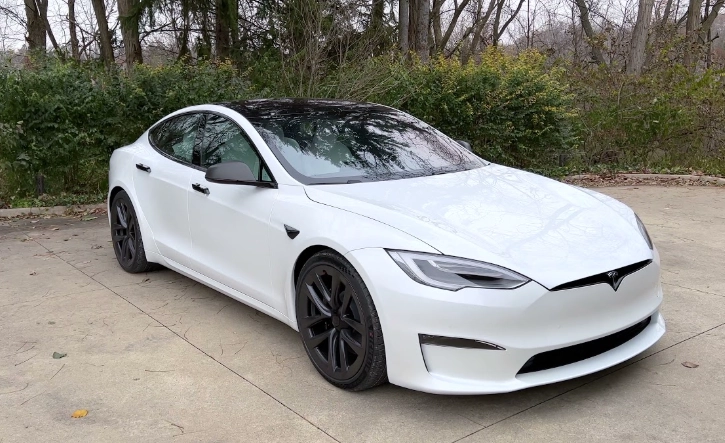
Let's cut to the chase. The Tesla Model S Refresh isn't just a minor update with new paint colors. It's the most significant overhaul the flagship sedan has received since its debut. Tesla didn't just tweak the bumpers; they rethought the interior, pushed performance into science fiction territory with the Plaid, and quietly addressed some long-standing quirks. But is it the flawless evolution everyone hoped for? Having spent considerable time with both the Long Range and the mind-bending Plaid variants, I'll walk you through what's genuinely new, what works, what doesn't, and whether it's worth your money over a used pre-refresh model or a competitor like the Lucid Air.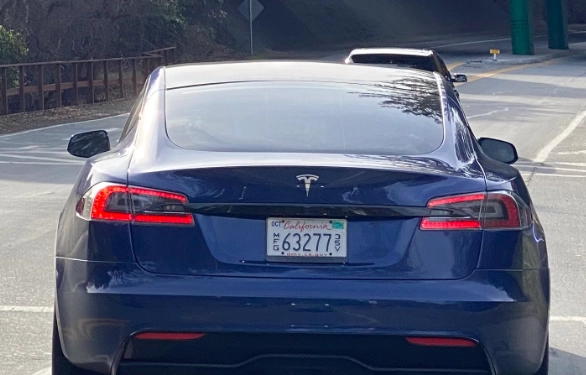
What's Inside? Your Quick Guide
The Interior Revolution: Screen, Yoke, & Build
Open the door, and the old Model S feels like a memory. The vertical touchscreen is gone, replaced by a massive 17-inch horizontal display that rotates left and right. It's crisp, fast, and the new UI is a huge improvement. But the real story is the second screen: a 8-inch display for the rear passengers and a gorgeous digital instrument cluster behind the... yoke.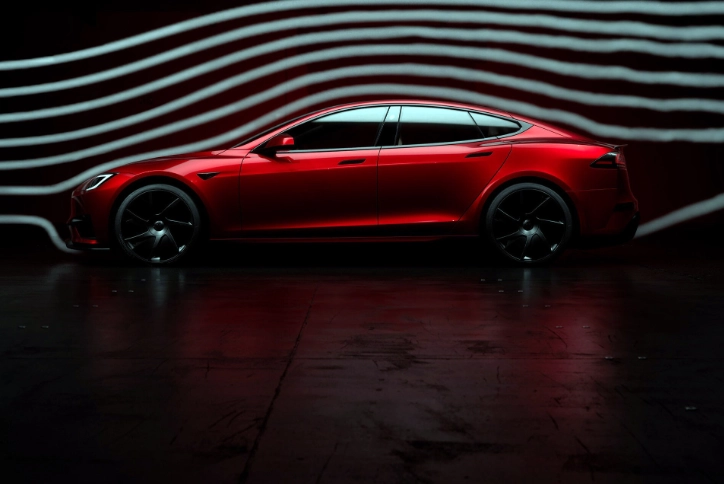
The minimalist approach is extreme. Almost every physical control is gone. You adjust the mirrors and steering column through the main screen. The gear selector? It's either on the screen or uses an AI to guess your intention (park, reverse, drive). It works surprisingly well once you trust it, but the first time you need to do a three-point turn, you'll fumble.
Build quality has taken a noticeable step forward. The materials feel more premium—more alcantara, better leather, and tighter panel gaps. The noise insulation is significantly better, finally giving the Model S the library-like quietness expected in a six-figure car. It's not a Mercedes S-Class level of opulence, but the gap has narrowed from a canyon to a crack.
Plaid Performance: Redefining "Fast"
Forget everything you know about acceleration. The Model S Plaid isn't just fast; it's a physics-altering device. The spec sheet reads like a typo: 1,020 horsepower, 0-60 mph in 1.99 seconds, a quarter-mile in 9.23 seconds. Numbers don't do it justice.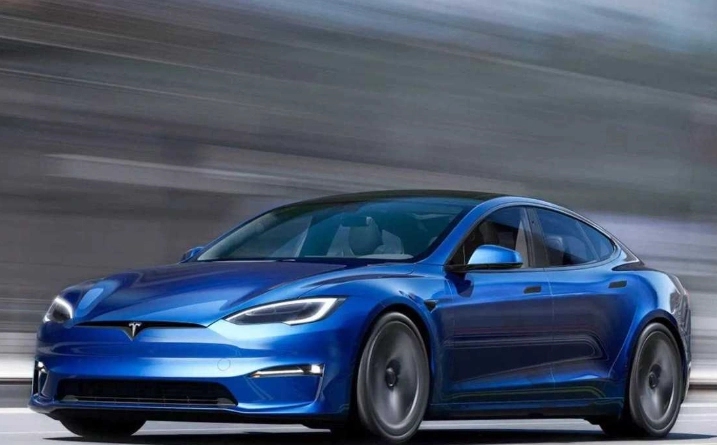
Here's what they don't tell you in the brochure: the sensation is unique. There's no drama, no roaring engine, just a silent, violent shove that pins you to the seat. Your vision literally narrows. It's accessible, too. Plant your foot at 50 mph, and it feels like you've been rear-ended by a silent train. The carbon-sleeved rotors in the tri-motor setup are the secret, allowing sustained power without fade.
The Plaid's party trick is its top speed and track capability. Unlike earlier Performance models that would overheat, the Plaid can lap consistently. With the Track Pack, it's a legitimate supercar slayer. But for daily use, the Long Range model's 3.1-second 0-60 is already excessive for most. The Plaid is for those who want the absolute pinnacle, consequences be damned.
The Yoke Steering Wheel: Love It or Hate It?
This is the most controversial change. The yoke looks fantastic, like a concept car. For highway cruising and most daily driving, it's fine. The lack of a top rim isn't a problem.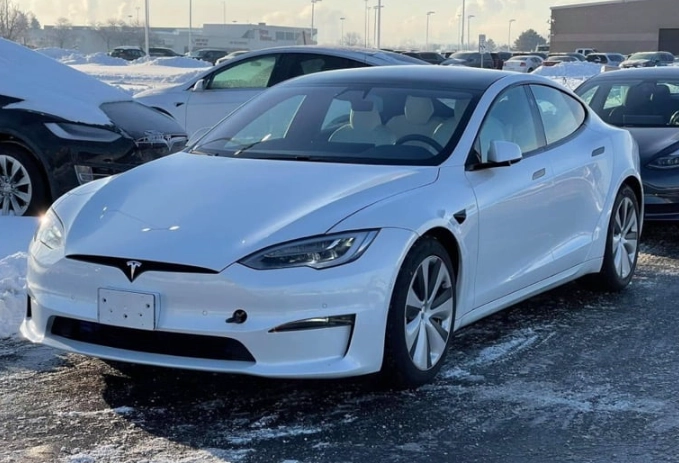
The issue arises during low-speed maneuvers—tight parking, roundabouts, U-turns. You go to turn the wheel hand-over-hand and... there's nothing to grab. You end up crossing your arms awkwardly or palming the spokes. After a week, you develop new muscle memory, but it's never as intuitive as a round wheel. Tesla now offers a round steering wheel as a no-cost option, which is a tacit admission. My advice? Test drive with the yoke. If you hate it, get the wheel. It's that simple.
Real-World Range & Charging
Tesla claims up to 405 miles for the Long Range and 396 for the Plaid. In real-world mixed driving, expect about 90% of that—solid 360-380 miles. That's exceptional. The heat pump introduced in the refresh helps efficiency in cold weather, a weakness of earlier models.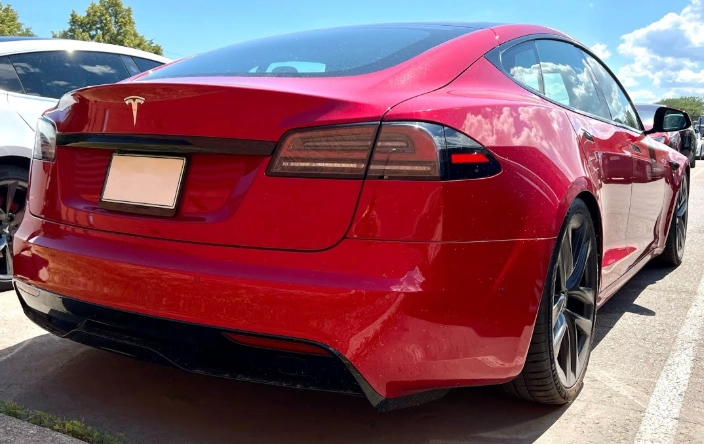
Charging is where Tesla still dominates. The updated architecture supports up to 250 kW at a V3 Supercharger. A 15-minute stop can add about 200 miles of range. For home charging, the onboard charger is now 11.5 kW (48 amps), meaning a full overnight top-up is easy on a home wall connector.
| Model | EPA Range | 0-60 mph | Top Speed | Starting Price (approx.) |
|---|---|---|---|---|
| Model S Long Range | 405 mi | 3.1 s | 155 mph | $88,490 |
| Model S Plaid | 396 mi | 1.99 s | 200 mph | $110,490 |
| Pre-Refresh Model S Performance | 348 mi | 2.3 s | 163 mph | (Used, varies) |
Should You Buy It? The Practical Verdict
This isn't an easy yes or no. It depends on your profile.
Buy the Model S Refresh if: You value bleeding-edge tech and minimalist design. You want the longest range and fastest charging network. The Plaid's performance is a non-negotiable dream. The improved build quality and quiet cabin are important for daily luxury.
Consider an alternative if: You prioritize traditional luxury touches—physical buttons, opulent materials—over tech. The Lucid Air offers more space and similar range. A used pre-refresh Model S Performance saves you a huge chunk of money and is still insanely fast, though you'll miss the new interior, heat pump, and charging speed.
One subtle point most reviews miss: the resale value trajectory. The refresh represents such a fundamental leap that pre-2021 Model S values have taken a distinct hit. Buying new or nearly new post-refresh might offer better long-term value retention.