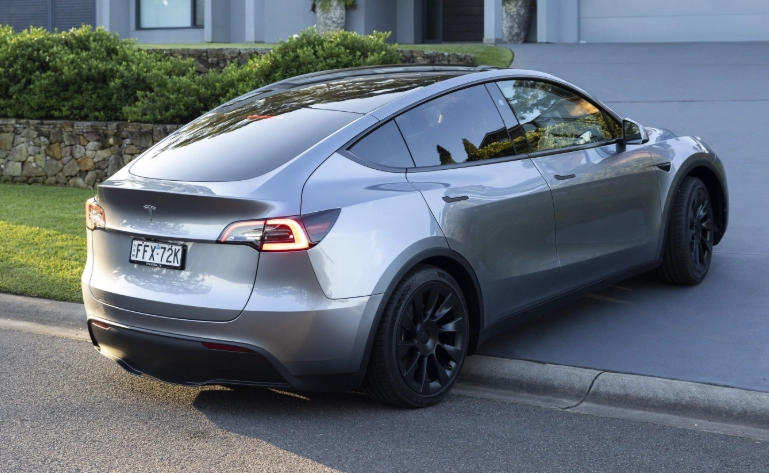
Let's talk about the Tesla Model Y Long Range RWD. In a world obsessed with all-wheel drive and blistering 0-60 times, this single-motor variant often gets overlooked. That's a mistake. If your priority is squeezing every possible mile out of a charge without squeezing your wallet dry, this might be the most intelligent electric SUV purchase you can make today. It's not the flashiest, but it's arguably the most sensible.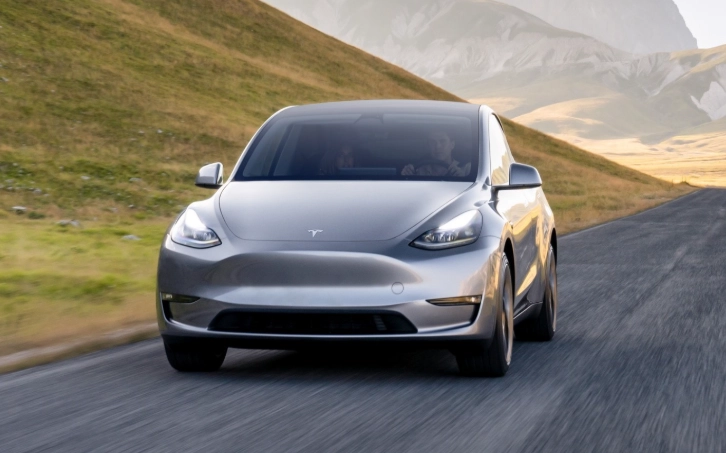
I've spent time with the dual-motor and performance models, but coming back to the rear-wheel drive Long Range felt like a revelation. The efficiency is tangible, the cost savings are real, and the driving experience is, for most people, indistinguishable from the more expensive versions in daily use. This isn't just a cheaper Model Y. It's a fundamentally different proposition focused on one thing: going far.
What You'll Discover in This Guide
What Makes the Long Range RWD Special?
It's all about the math of motion. One motor powering the rear wheels has less mechanical drag and weight than two motors. Tesla's official EPA estimate for this model is a staggering 320 miles. In my mixed driving (70% highway, 30% city), I consistently saw an efficiency of around 250-260 Wh/mile, which translates to a real-world range of 290-300 miles on a full charge. That's in mild weather. In perfect conditions, hitting the EPA number is possible if you drive conservatively.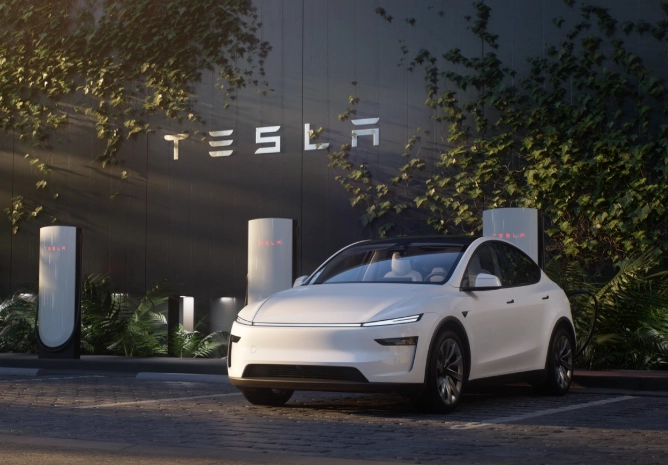
The weight difference is about 200-300 pounds less than the Dual Motor AWD. You feel it. The steering is slightly lighter, the car feels a bit more nimble on its feet. It's a subtle difference, but it's there.
Key Takeaway: The Long Range RWD isn't a stripped-down model. You get the same premium interior, the massive glass roof, the brilliant infotainment system, and access to the Supercharger network. You're paying less for the drivetrain to get more of what many EV buyers truly want: range and lower upfront cost.
Driving Experience: Smooth, Silent, and Surprisingly Agile
Forget any notions that rear-wheel drive in an electric SUV is underwhelming. The instant torque is still very much present. The 0-60 mph time is quoted at 6.6 seconds, but it feels quicker because the power delivery is so immediate and linear.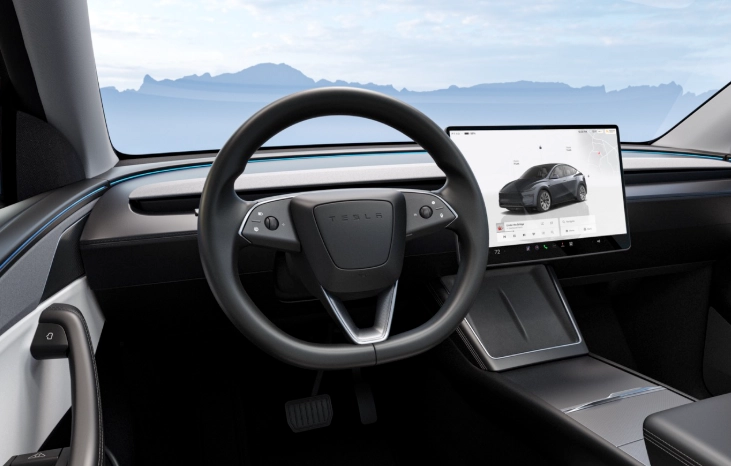
Around town, it's effortlessly smooth. The single-pedal driving (Regenerative Braking) is perfectly calibrated. On winding roads, the balance is excellent. With the battery pack low in the chassis and weight over the rear driving wheels, it has a neutral, planted feel. You can trail the brakes into a corner and get on the power early on the way out without drama. It's engaging in a way most SUVs aren't.
Now, the common worry: traction. In dry and wet conditions, I never once felt the need for more grip. The traction control is incredibly fast and subtle. The only time you might think about AWD is during a hard launch from a stop in the rain, where you might get a brief chirp of the tires before the system sorts it out. It's a non-issue for normal driving.
The Daily Grind Commute Test
Here's where it shines. My daily 40-mile round-trip commute, mostly highway, used about 13-14% of the battery. That means I could theoretically go a full work week without plugging in at home if I had to. The cabin is library-quiet at speed, the seats are comfortable, and the Autopilot (standard on all Teslas now) makes traffic jams a non-event. It's an exceptional commuter.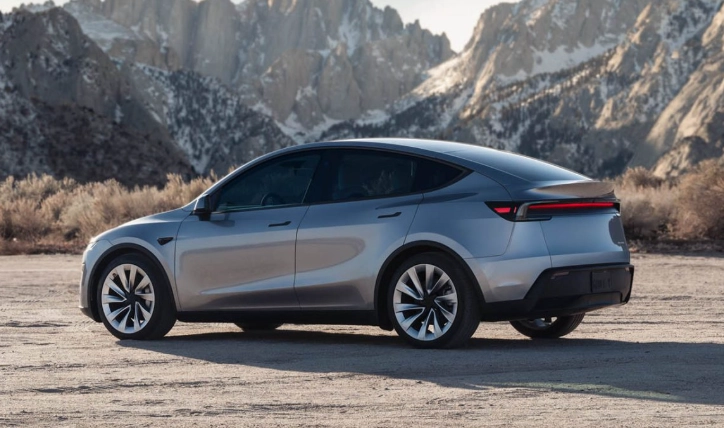
Real-World Range & Charging: The Numbers That Matter
Let's get specific. Range isn't a single number; it's a range of numbers depending on how you drive and where you are.
| Driving Condition | Estimated Real-World Range | Key Factor |
|---|---|---|
| Mild Weather (60-75°F) | 290 - 310 miles | Optimal efficiency, minimal climate control use. |
| Highway (75 mph) | 260 - 275 miles | Aerodynamic drag is the biggest enemy. |
| Cold Weather (20-30°F) | 200 - 230 miles | Battery heating and cabin warmth sap energy. Pre-conditioning while plugged in is crucial. |
| City Driving | 330+ miles possible | Regenerative braking recovers energy constantly. |
Charging is straightforward. On a Level 2 home charger (like a 48-amp Tesla Wall Connector), you can add about 40-45 miles of range per hour. A full charge from near-empty takes roughly 8-9 hours overnight.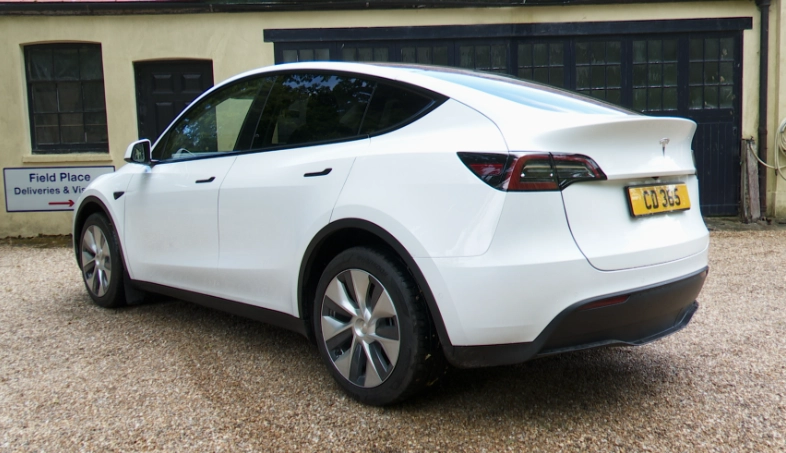
At a Tesla Supercharger (V3), you can go from 10% to 80% in about 25-30 minutes. That's enough to add over 200 miles of range, making long road trips completely viable. According to Tesla's Supercharger network page, the cost is typically lower than gasoline, but varies by location and time of day.
RWD vs. AWD: The $4,000 Decision
This is the big one. The Long Range Dual Motor AWD costs about $4,000 more. What do you get?
- Faster Acceleration (4.8s 0-60). It's noticeably quicker.
- All-Wheel Drive Traction. The peace of mind in snow and ice is the main sell.
- Slightly Less Range (310 mi EPA). Yes, you pay more and get less range.
Here's my non-consensus take: For many, the AWD is overkill. If you live in a region with moderate winters, a set of dedicated winter tires on the RWD Model Y will provide far better ice and snow traction than the AWD model on all-season tires. The IIHS and every tire engineer will tell you this. Tires are the critical interface.
The $4,000 you save could buy an exceptional set of winter wheels and tires, a home charger installation, and still leave money in your pocket. You also get more range year-round. The AWD's advantage is primarily in acceleration and severe, unplowed conditions where you need to get moving from a stop.
How to Maximize Your Model Y Long Range RWD's Battery Life?
Want to be an efficiency pro? It's about habits.
Speed is the enemy. Dropping from 75 mph to 65 mph on the highway can improve your efficiency by 15-20%. Use Autopilot to hold a steady, efficient speed.
Pre-conditioning is your friend. Always plug in at home, even if you don't need the miles. Use the scheduled departure feature in the app. The car will warm the battery (or cool it in summer) using grid power, not the battery itself, saving precious range for driving.
Tire pressure matters. Keep them at or slightly above Tesla's recommended PSI (often 42 PSI cold). Soft tires create rolling resistance.
Avoid constant Supercharging. For daily use, Level 2 charging is gentler on the battery pack. Supercharging is for trips.
One subtle mistake I see: people obsess over the "Projected Range" number on the screen. It's an estimate based on recent driving. Ignore it. Switch your display to show battery percentage, like your phone. Plan your trips and charging around the percentage, not a fluctuating mile guess. It's less stressful and more accurate.