Picking engine oil shouldn't feel like solving a cryptic puzzle. You walk into the store, face a wall of nearly identical plastic bottles, and hope the one you grab doesn't silently kill your engine. I've been a mechanic for over a decade, and I've seen the aftermath of wrong choices – from sludged-up minivan engines to turbochargers that died an early death. The truth is, your car's manual holds the answer, but it speaks in a code of numbers and letters. Let's crack that code together. This isn't about pushing a brand. It's about giving you the confidence to make an informed decision, save money in the long run, and keep your engine running smoothly for years.
Quick Navigation: Your Roadmap to Engine Oil Clarity
- What Does Engine Oil Actually Do? (More Than You Think)
- How to Choose the Right Engine Oil for Your Car: A Step-by-Step Guide
- The Viscosity Myth: Why "Thicker" Isn't Always "Better"
- Synthetic vs. Conventional Oil: The Real-World Breakdown
- When Should You Really Change Your Engine Oil?
- Navigating the Aisle: A Look at Top Engine Oil Brands
- How to Check Your Oil Level Correctly (Most People Get This Wrong)
- Your Engine Oil Questions, Answered by a Mechanic
What Does Engine Oil Actually Do? (More Than You Think)
Most people know it lubricates. That's just the headline act. Think of your engine on a cold morning. Metal parts are moving at insane speeds, creating friction and heat. Good oil creates a protective film between them, preventing metal-on-metal contact. But it's also a coolant, carrying heat away from the combustion chamber. It's a cleaner, with detergents that hold soot and combustion byproducts in suspension until the oil filter catches them. And it's a sealant, helping piston rings seal against cylinder walls. When oil breaks down or is the wrong type, all these jobs fail. The result? Wear, reduced efficiency, and eventually, a very expensive repair bill.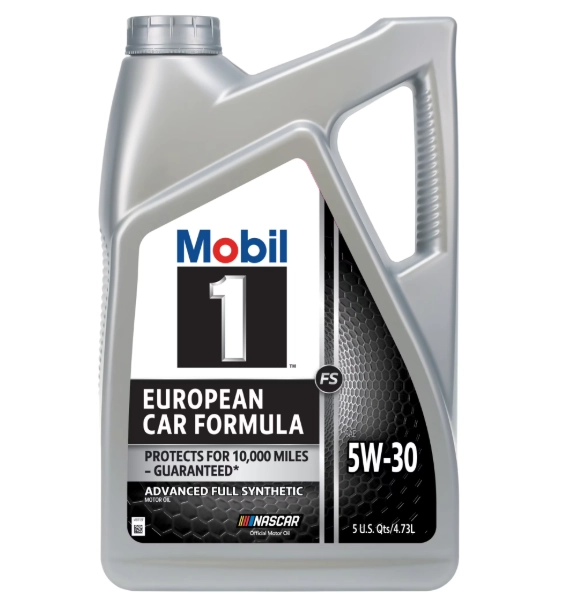
How to Choose the Right Engine Oil for Your Car: A Step-by-Step Guide
Forget the flashy labels. Here's your no-nonsense decision process.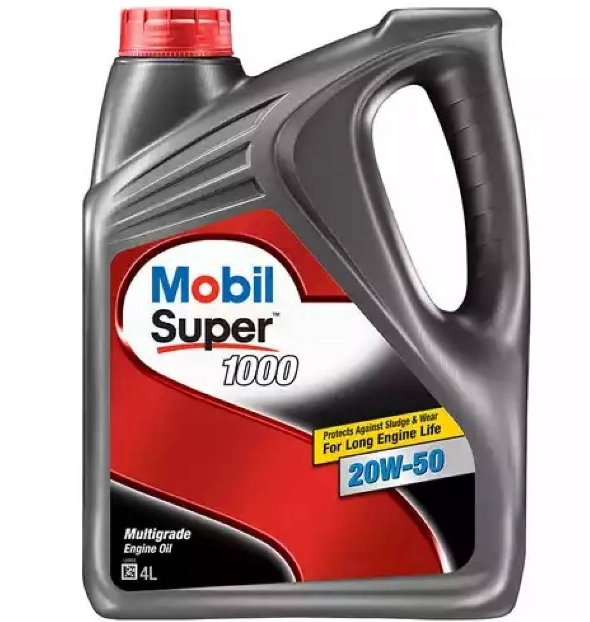
Let's break down the three critical factors on every bottle.
1. Viscosity Grade (The "5W-30" Part)
This is the oil's thickness, or its resistance to flow. It's a multi-grade rating. The number before the "W" (Winter) indicates its flow at cold temperatures (0°F). Lower numbers like 0W or 5W flow better when it's freezing, protecting your engine faster on startup. The number after the "W" indicates its thickness at the engine's normal operating temperature (212°F). A 5W-30 and a 10W-30 both act like a 30-weight oil when hot, but the 5W is thinner when cold. Using a thicker oil than recommended (like 10W-40 instead of 5W-30) can cause poor cold-start lubrication and reduce fuel economy.
2. API Service Specification & ILSAC Standard
This is the quality standard. The American Petroleum Institute (API) sets these. For gasoline engines, you'll see something like "API SP." SP is the current top category for 2020+ models, offering better protection against low-speed pre-ignition (LSPI) – a killer for turbocharged direct-injection engines. For older cars, SN, SM, etc., are fine. The International Lubricant Standardization and Approval Committee (ILSAC) standard (like GF-6) often goes hand-in-hand with API SP and includes fuel economy requirements. Always match or exceed the specification in your manual.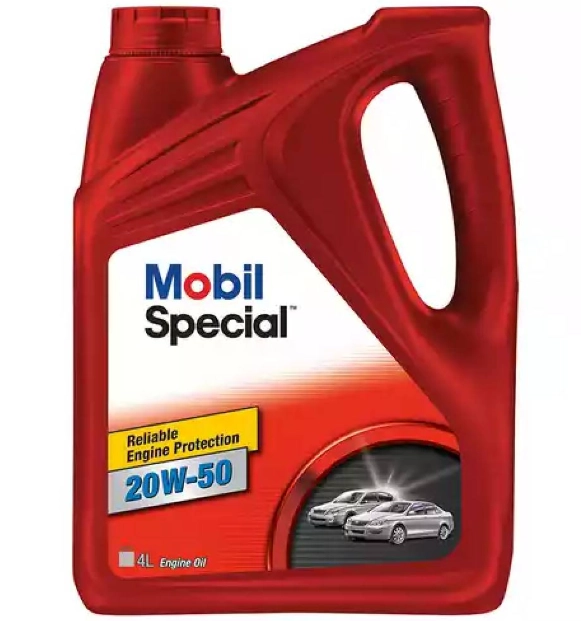
3. Oil Type: Conventional, Synthetic Blend, or Full Synthetic
This is about the base oil's refinement and molecular uniformity. We'll dive deeper next, but the simple rule: if your manual says "synthetic required," you must use it. If it doesn't, conventional meets the minimum, but synthetic offers superior performance across the board.
The Viscosity Myth: Why "Thicker" Isn't Always "Better"
Here's a classic mistake I see in the shop. Someone with an older, high-mileage car hears a slight tick or feels the engine is a bit loose. They think, "I need thicker oil to fill the gaps." So they jump from 5W-20 to 20W-50. This can be disastrous. Modern engines have incredibly tight tolerances. Oil pumps are designed to push oil of a specific viscosity. Thicker oil flows slower, especially on startup. That means critical parts like the valve train and piston rings might run dry for a few extra seconds every time you start the car. Those seconds add up to major wear. If your engine is consuming oil or noisy, the solution isn't a band-aid of thick oil. It's a proper diagnosis – often it's worn valve seals or piston rings that need addressing.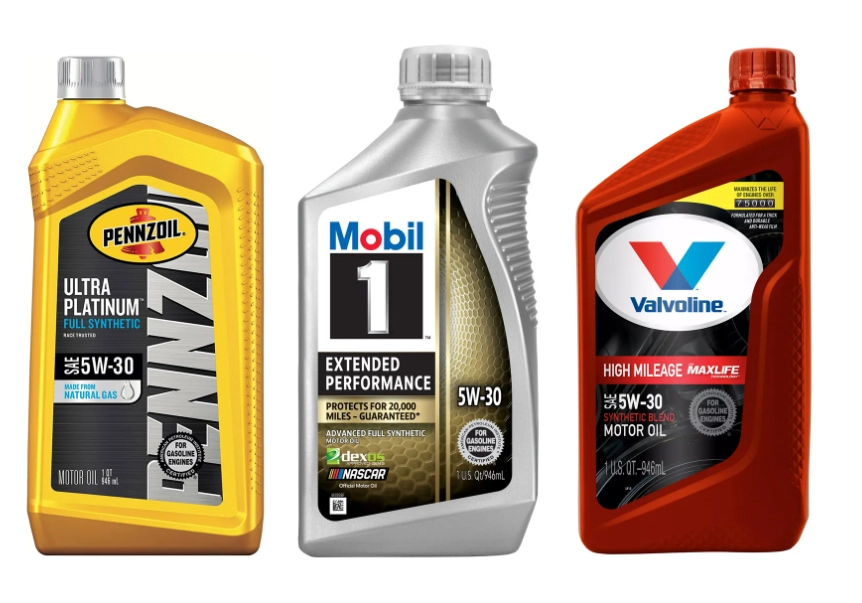
Synthetic vs. Conventional Oil: The Real-World Breakdown
Let's move past the marketing. Conventional oil is refined from crude. It works. Synthetic oil is chemically engineered from purified base stocks, creating molecules of a more uniform size and shape. This isn't just hype; it translates to tangible benefits.
| Factor | Conventional Oil | Full Synthetic Oil |
|---|---|---|
| Molecular Consistency | Irregular, varying sizes | Uniform, engineered sizes |
| Performance in Extreme Cold | Flows slower, harder starts | Flows freely, instant protection |
| Performance in Extreme Heat | Breaks down and oxidizes faster | Resists thermal breakdown |
| Engine Cleanliness | Good, but forms sludge over time under stress | Excellent sludge and deposit prevention |
| Change Interval Potential | Stick to standard intervals | Often allows for longer intervals (check manual!) |
| Cost | Lower upfront cost | Higher upfront cost, but can be cost-effective long-term |
My take? For most cars made in the last 15-20 years, the engine design benefits so much from synthetic that it's worth the extra $20-$30 per change. The protection at startup alone justifies it. Synthetic blends are a middle ground, but I often find the price jump to full synthetic is so small that you might as well go all the way. The one exception might be a very old, simple engine that's been run on conventional its whole life and is leak-free. Sometimes it's best not to upset the apple cart.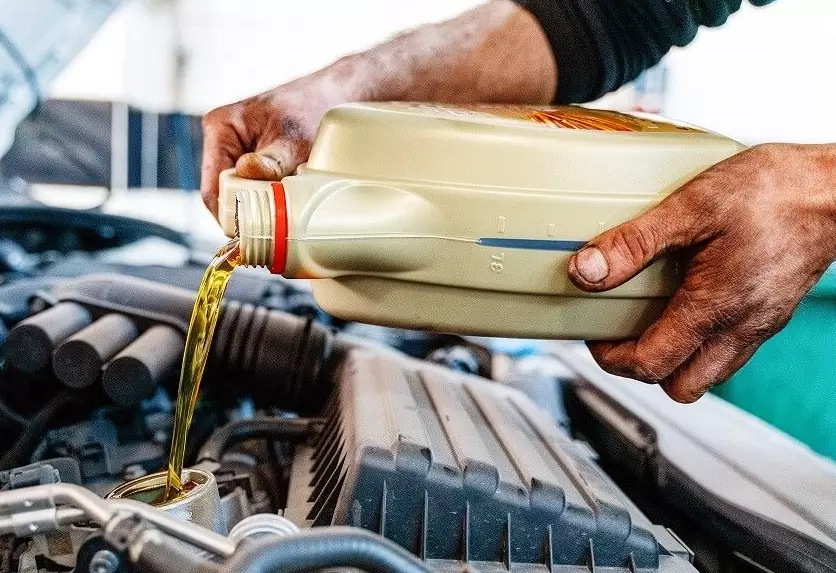
When Should You Really Change Your Engine Oil?
The old "3,000 miles or 3 months" rule is dead for most modern cars and oils. It was great for oil change shops, terrible for your wallet and the environment. Your car's computer often has an oil life monitor that calculates degradation based on your driving, not just mileage. Trust it. If you don't have a monitor, your manual has the definitive schedule. But context matters.
- Severe Service: This is most people and they don't realize it. According to manuals, severe service includes frequent short trips (less than 10 miles, especially in cold weather), stop-and-go driving, towing, hauling heavy loads, or driving in dusty conditions. If this sounds like you, cut the "normal" service interval in half.
- Long-Distance Highway Driving: This is the easiest life for oil. You can often safely push toward the upper limit of the recommended range.
I change my own synthetic oil every 7,500 miles or once a year, whichever comes first, because my driving is mixed. For my wife's car that only does short school runs, I change it every 5,000 miles or 6 months.
Navigating the Aisle: A Look at Top Engine Oil Brands
Brand loyalty is strong here, but the specs matter more than the name. Any major brand that meets your car's API and viscosity requirements will do the job. The differences are in the additive packages – extra detergents, anti-wear agents, and friction modifiers. Here's a practical view from the shop floor.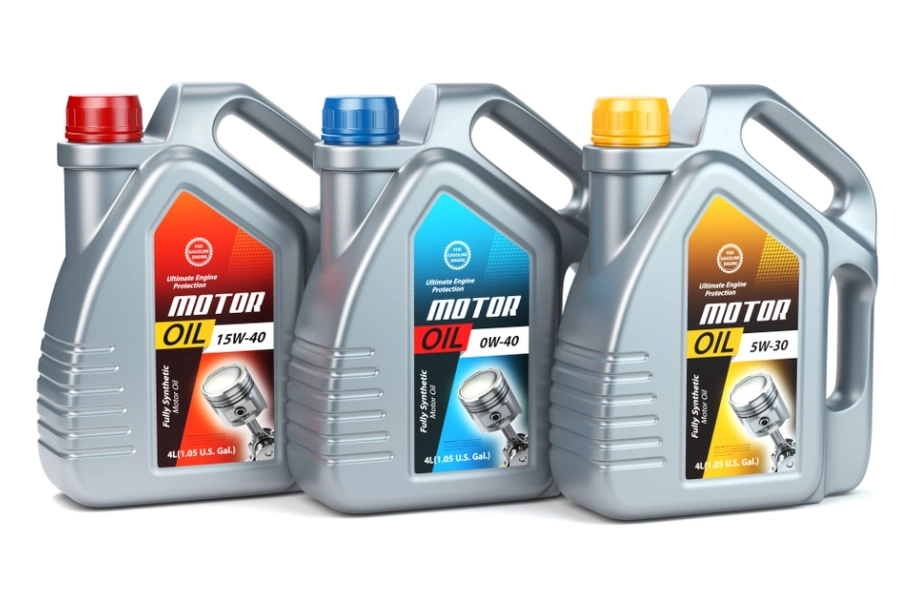
Mobil 1 and Pennzoil Platinum are the synthetic giants. They're excellent, widely available, and often the benchmark. Pennzoil's claim of being made from natural gas is interesting, but in practice, I've seen no measurable difference in engine wear between the two in daily drivers.
Valvoline and Castrol are workhorses. Their conventional and synthetic blends are everywhere and reliable. I've used Valvoline's MaxLife synthetic blend for higher-mileage cars with good results – its additive package does seem to quiet down minor lifter tick sometimes.
AmazonBasics and Super Tech (Walmart) are the budget synthetics. This surprises people: they are often manufactured by major oil companies (like Warren Distribution) to meet API specifications. For a standard commuter car where you're following the change interval, they are a phenomenal value. I wouldn't hesitate to use them. The money you save can go toward more frequent changes, which is always better than an expensive oil changed less often.
The brand to avoid? Any no-name bottle without a clear API certification mark on the back. That's playing Russian roulette with your engine.
How to Check Your Oil Level Correctly (Most People Get This Wrong)
This simple task is often botched. Here's the mechanic-approved method.
1. Park on a level surface. Turn the engine off and wait 5-10 minutes. This lets oil drain back into the pan. Checking immediately after driving will give a falsely low reading.
2. Pull the dipstick, wipe it clean with a rag, and fully reinsert it.
3. Pull it out again and hold it horizontally. Look at the level relative to the "Full" and "Add" marks. The oil should be in the cross-hatched area or between the two holes/notches.
4. Also note the oil's condition. It should be amber to light brown and somewhat transparent. If it's black and opaque, it's doing its job holding contaminants. If it's milky or frothy (a "chocolate milkshake" appearance), you have a serious coolant leak into the oil. If it's very thin and smells of gasoline, fuel is diluting it, often from excessive idling or a fault.
Check it once a month. A sudden drop in level indicates a leak or that the engine has started consuming oil, a key early warning sign.