Quick Guide Navigation
- What Exactly Is a 1157 Bulb, and Why Is It Everywhere?
- Choosing the Right 1157 Bulb: A Buyer's Guide That Doesn't Suck
- How to Actually Replace an 1157 Tail Light Bulb (Without Cursing)
- When Things Go Wrong: Troubleshooting Your 1157 Tail Light Circuit
- Answering the Questions You're Actually Typing Into Google
Key highlights:
Let's be honest. Most of us don't give a second thought to our tail light bulbs until that dreaded moment. You're walking back to your car in a parking lot, and you see it—one red eye is dead, winking out in the dusk. Or worse, you get pulled over because a friendly officer noticed your brake light was out. Suddenly, this little piece of glass and metal becomes the most important thing in your world. And chances are, if you're driving an American car, truck, SUV, or even many older motorcycles, the bulb you need is the 1157.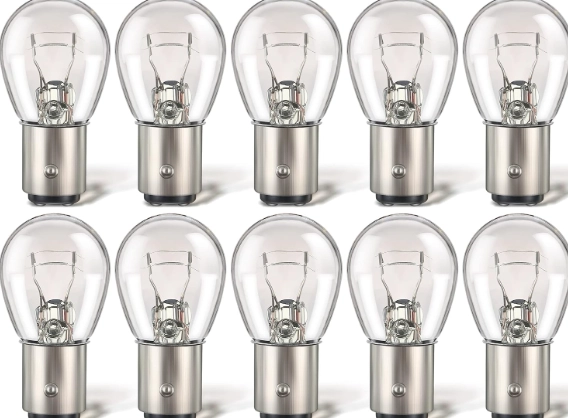
I've been there. Staring at an auto parts store shelf, completely overwhelmed by the choices. What's the difference between all these 1157 bulbs? Why are some so cheap and others weirdly expensive? Can I just slap any bulb in there and call it a day? This guide is what I wish I had back then. We're going to dive deep into the world of the 1157 tail light bulb, strip away the confusion, and give you the straight talk on buying, installing, and troubleshooting this incredibly common automotive part.
What Exactly Is a 1157 Bulb, and Why Is It Everywhere?
Okay, first things first. The "1157" isn't a brand. It's a standardized designation, a sort of universal part number that tells you about the bulb's physical shape, its base (the part that plugs in), and its electrical characteristics. Think of it like a USB-A plug—once you know the standard, you know it'll fit a certain kind of port.
The magic of the 1157 tail light bulb, and the reason it's so common, lies in its dual-filament design. Inside that single glass envelope are two separate little tungsten wires (the filaments). One filament is for your tail lights (the lights that are on whenever your headlights are on). The other, brighter filament is for your brake lights and turn signals. One bulb, two jobs. It's a clever bit of engineering that's been keeping us safe on the roads for decades. The Society of Automotive Engineers (SAE) sets these standards, which is why you'll find the same 1157 bulb type in Fords, Chevys, Dodges, and many others. You can read more about automotive lighting standards directly from SAE International.
The Usual Suspects: 1157 vs. 1156 vs. 2057 and Other Look-Alikes
This is where people get tripped up. The 1157 has a close cousin, the 1156 bulb. They look almost identical. You could hold one of each in your hands and struggle to tell the difference. The critical distinction? The 1156 is a single-filament bulb. It only does one thing—on or off. You'll find 1156 bulbs often used for reverse lights, some turn signals (where a separate bulb handles the tail light function), or in certain trailer light applications.
Then there's the 2057. It's physically interchangeable with the 1157—it fits the same socket. The difference is in the wattage (power consumption). A standard 1157 tail light bulb typically uses 8 watts for the tail filament and 27 watts for the brake filament. A 2057 uses slightly less power (6/25 watts). Using a 2057 in a socket designed for an 1157 will give you slightly dimmer lights, which isn't ideal for safety. Using an 1157 in a socket designed for a 2057 might draw more power than the circuit was designed for, which is a bad idea. Always replace like with like. Check your old bulb or your owner's manual.
Here’s a quick table to keep them straight:
| Bulb Number | Filaments | Common Use | Key Difference |
|---|---|---|---|
| 1157 | Dual (2) | Tail Light & Brake Light (combined function) | Standard dual-function bulb (8/27W). |
| 1156 | Single (1) | Reverse Light, Turn Signal (single function) | Only one filament. Won't work for tail/brake combo. |
| 2057 | Dual (2) | Tail Light & Brake Light (in specific models) | Lower wattage (6/25W). Check your manual. |
| 1157NA (or 1157LL) | Dual (2) | Long-Life version of 1157 | Lasts longer, but may be slightly dimmer. |
| 1157 LED | Dual (LED arrays) | Direct replacement with LED technology | Not a filament bulb. Brighter, cooler, uses less power. |
Choosing the Right 1157 Bulb: A Buyer's Guide That Doesn't Suck
Walk into any store or browse online, and you're hit with a wall of options. Standard, long-life, halogen, LED, ultra-bright, chrome, red... It's enough to make you just grab the cheapest pack and run. Don't. A few minutes of thought here can save you money and hassle later.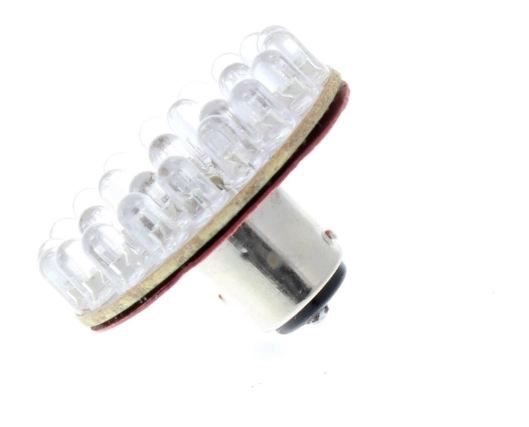
The Big Decision: Stick with Halogen or Go LED?
This is the modern question. The traditional 1157 tail light bulb is an incandescent/halogen bulb. It works by heating a tiny wire until it glows. They're cheap, they work, and they've been the standard forever. But they have downsides: they burn out relatively quickly (especially with the vibration in a car), they're not super efficient, and the light can have a yellowish tinge.
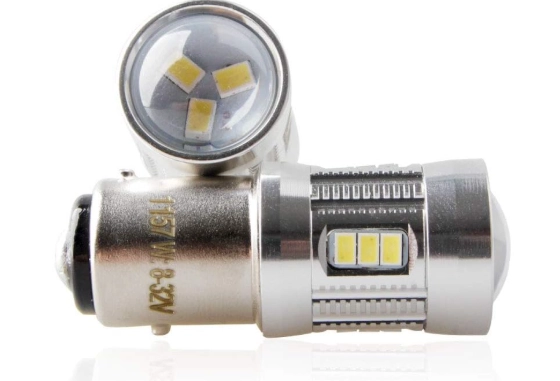
Then you have LED 1157 bulbs. These use light-emitting diodes. They're more expensive upfront, but they last vastly longer (like, 10+ years longer). They light up instantly, which some studies suggest is safer for brake lights. They're much more resistant to vibration. And they draw less power from your car's electrical system, which is great if you're adding extra lights or have an older vehicle. The National Highway Traffic Safety Administration (NHTSA) has resources on vehicle lighting and safety, which is worth considering when upgrading critical safety components like brake lights. You can find general safety information at NHTSA's lighting page.
Important Caveat on LED 1157 Bulbs: Not all cars play nice with them. Your car's computer might see the lower power draw of an LED and think the bulb is burnt out, triggering a "bulb out" warning on your dashboard. Some LED 1157 bulbs come with built-in resistors or "CANbus" circuits to fool the computer. Others don't. It can be a bit of a gamble. Also, some cheaper LED bulbs have terrible beam patterns—they're bright looking straight at them, but the light doesn't fill the tail light housing properly, making them less visible from angles. Do your research on specific brands.
Brightness, Color, and Lifespan: What the Marketing Hype Really Means
- Lumens: This is the measure of total light output. More lumens = brighter. A standard halogen 1157 might be around 400-500 lumens on the brake filament. An LED can be 800+, but watch for honest ratings.
- Color Temperature: Measured in Kelvin (K). Standard halogen is around 3000K (warm, yellowish-red). Many LEDs are 6000K+ (cool, crisp white). For a tail light, you usually want a red lens with a white light source behind it to make a proper red. A super cool white LED behind a red lens can sometimes look a bit pink or violet. Some people seek out specific color temperatures for a custom look.
- Long Life (LL): Halogen bulbs marked "Long Life" or "LL" (like 1157LL) have a thicker filament or are filled with a different gas mix to last longer. They often trade a tiny bit of brightness for that longevity. They're a good middle-ground if you don't want to switch to LED yet.
My Personal Top Picks (Based on Experience and Community Buzz)
I've tried a bunch over the years. Here's my totally subjective, non-sponsored breakdown:
For the "Just Fix It" Traditionalist: Grab the Sylvania 1157 Long Life pack. It's available everywhere, costs very little, and will last noticeably longer than the bargain-bin specials. No fuss, no muss. Sylvania is a major OEM supplier, and you can see their standard bulb specs on their official site.
For the LED Curious Who Hates Warning Lights: The LASFIT 1157 LED Bulbs (the ones with built-in CANbus decoders) have worked flawlessly in three of my vehicles without throwing dash errors. They're bright, have a good wide beam pattern, and the price is reasonable for the quality.
For the Maximum Brightness & Safety Seeker: Look at Philips 1157 LED offerings. Philips is another lighting giant, and their automotive LED bulbs are engineered for OEM-level performance and beam pattern. They're pricier, but you're paying for reliability and proper light distribution. Philips' automotive lighting portfolio is detailed on their consumer site.
The One I Was Disappointed With: A no-name set of "super bright" red LED 1157 bulbs I bought online. They were dimmer than my old halogens, had a weird hot spot, and one started flickering after two months. Lesson learned: brand reputation often matters with LEDs.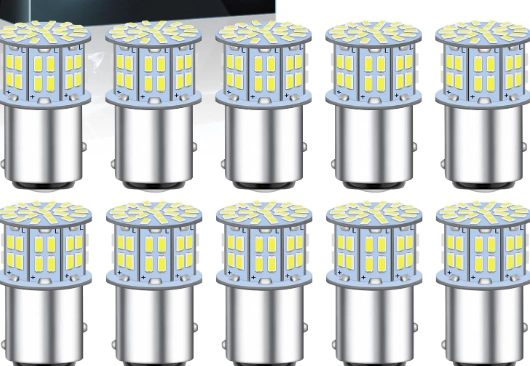
How to Actually Replace an 1157 Tail Light Bulb (Without Cursing)
It's usually a 10-minute job. Usually. Sometimes car designers seem to hate us. Here's the general process.
- Safety First: Park on level ground, set the parking brake. Turn the car off, and take the keys out. You don't want the lights accidentally coming on.
- Access the Bulb Housing: This is the variable part. On most sedans and coupes, you open the trunk and look for a removable panel or fabric cover directly behind the tail light assembly. Pull it off. On many SUVs, trucks, and some modern cars, you have to access it from the outside. This might mean removing a few obvious screws or a plastic trim piece. Consult your owner's manual if you're stuck—it's not cheating!
- Remove the Old Bulb: You'll see the back of the tail light assembly with one or more plastic sockets twisted into it. Find the one for the tail/brake light (it's usually the biggest). Firmly press the socket in, twist it counter-clockwise (usually about 1/8th to 1/4 turn), and pull it straight out. Now, pull the old 1157 bulb straight out of the socket. Don't twist it; it's a push-pull fit.
Pro Tip & Personal Mistake: When you pull the old bulb out, look at it. Is it an 1157? Are both filaments broken? Sometimes one is broken and the other is intact, which tells you exactly which function failed. Also, take a second to look inside the empty socket. Are the contacts clean and springy, or is there green corrosion? A quick clean with some electrical contact cleaner can save you a future headache.
- Install the New Bulb: This is critical. Look at the base of your new 1157 tail light bulb. You'll see two little metal pins of different heights. Now look at the socket. It has slots of different sizes. Match them up and push the new bulb in firmly. It should only go in one way. If you force it, you'll bend the pins. Don't force it.
- Reinstall and Test: Plug the socket back into the tail light housing, press, and twist clockwise until it locks. Don't turn on the car yet. First, just turn the headlight switch to "parking lights." Get out and check that the tail light is on. Then, have a friend press the brake pedal or use a stick to hold the pedal down while you check the brake light. Also, turn on the turn signal. Test everything before you put the interior panel back. There's nothing worse than buttoning everything up only to find you have to do it again.
When Things Go Wrong: Troubleshooting Your 1157 Tail Light Circuit
So you put in a brand new 1157 bulb and... nothing. Or one function works but not the other. Don't panic. The bulb is just one part of the system.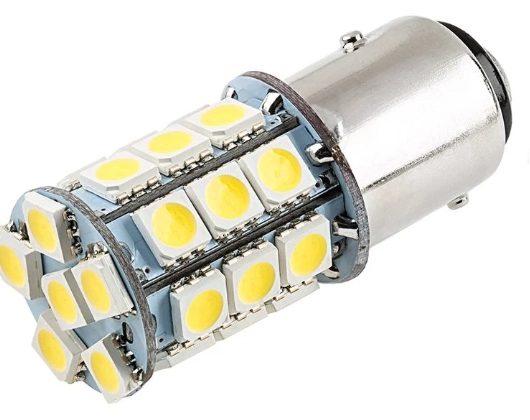
Why does my new 1157 bulb not light up at all?
First, double-check it's seated correctly in the socket. If it is, the problem is likely upstream.
Check the fuse. Your owner's manual will have a fuse diagram. The tail lights and brake lights often have separate fuses. A blown fuse is a quick fix.
Check for power at the socket. This requires a cheap multimeter. With the parking lights on, check for voltage between the contacts in the socket (carefully!). No power means the problem is in the wiring or switch.
Check the ground. The socket needs a good ground connection to complete the circuit. Corrosion at the ground point (often a screw or wire near the light assembly) is a super common culprit, especially in older cars. Clean it up.
Why does my brake light work, but my tail light doesn't (or vice versa)?
This points directly to the 1157 bulb itself or its socket. Remember, the 1157 has two separate filaments for two separate circuits.
If one filament on the new bulb is bad (it happens), that function won't work. Try the bulb in the other side of the car to confirm.
More likely, one of the two contacts inside the socket is bent, broken, or corroded and not touching the correct pin on the bulb. Inspect the socket closely. A small pick or screwdriver can gently bend a contact back into place.
Why do my lights flicker or are dim?
Flickering: Almost always a poor connection. It could be the bulb not seated perfectly, corrosion in the socket, or a loose/dirty ground wire.
Dim lights: If both sides are dim, you might have a voltage drop from a failing alternator or bad battery connection. If only one 1157 tail light bulb is dim, it's almost certainly a poor ground connection specific to that light. The electricity is finding a harder path to complete its circuit, resulting in less power reaching the filament.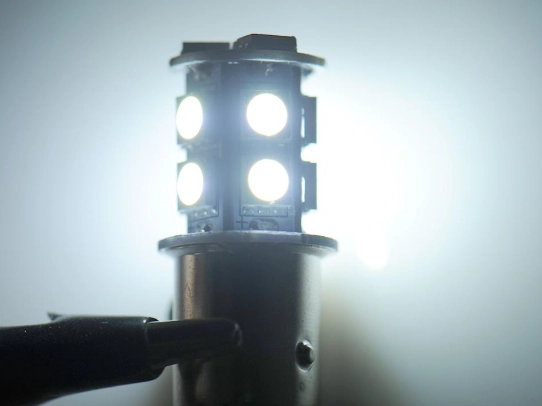
Answering the Questions You're Actually Typing Into Google
Replacing an 1157 tail light bulb is one of the simplest, most satisfying DIY car maintenance tasks. It costs little, takes minutes, and makes your vehicle safer for you and everyone else on the road. With the info here, you can confidently choose the right bulb, install it correctly, and troubleshoot any gremlins that pop up. Now go check your lights—you might be surprised!