That envelope from the manufacturer with "SAFETY RECALL" stamped on it can make your heart sink. Or maybe you just heard a news story about your car model and now you're worried. I've been through this myself—a Takata airbag recall on an old Honda. The process was confusing, the dealer was unhelpful at first, and I learned a lot the hard way. This isn't just bureaucratic noise. A recall means there's a genuine safety defect that could cause a crash, injury, or fire. Ignoring it isn't an option, but panicking isn't helpful either. Let's walk through what a car recall really means, how to check for one in under 60 seconds, and how to navigate the repair process like a pro.
What You'll Find in This Guide
- What a Car Recall Actually Is (And Isn't)
- How to Check for a Recall on Your Car Right Now
- You Got a Recall Notice: Your Step-by-Step Action Plan
- Inside the Recall Repair Process: What to Expect
- Your Rights and the Fine Print Most People Miss
- Common Mistakes and How to Avoid Them
- A Real Story: Navigating a Major Recall
What a Car Recall Actually Is (And Isn't)
Let's clear up the biggest confusion first. A safety recall is not the same as a warranty extension or a secret warranty. It's a legally mandated fix for a defect that poses an unreasonable risk to safety. The government, specifically the National Highway Traffic Safety Administration (NHTSA), can order it, or the manufacturer can voluntarily initiate it.
The key thing most owners don't realize? The repair is always free. Forever. It doesn't matter if your car is 15 years old, on its fifth owner, or has 200,000 miles. If there's an open recall, the manufacturer has to fix it at no charge. This obligation is tied to the car's Vehicle Identification Number (VIN), not to you.
Recalls aren't for minor annoyances—a squeaky door or a slow infotainment system. We're talking about faulty airbags that shoot metal fragments, brakes that can fail, electrical systems that can spark fires, or steering components that can detach. The stakes are real.
How to Check for a Recall on Your Car Right Now
Don't wait for a letter. Mail gets lost, people move, second-hand buyers are often in the dark. You need to be proactive. Here are the only two tools you need.
1. The Official NHTSA VIN Lookup Tool
This is the gold standard. Go to the NHTSA Recalls page. You'll need your 17-character VIN. Find it on your driver's side dashboard (visible through the windshield), your driver's side door jamb sticker, or your insurance/registration card. Type it in. The result will show every unrepaired safety recall on that specific vehicle for the last 15 years. It's fast, authoritative, and free.
Why the VIN? Because a recall might only affect cars built on certain dates or with specific parts. Your neighbor's identical-looking car might be fine, but yours might need the fix. The VIN tells the exact story.
2. The Manufacturer's Own Website
Every major car brand has a recall lookup page on their owner's portal. It's a good secondary check. Sometimes they list "customer satisfaction programs" or warranty extensions here too, which are different from recalls but might still offer free repairs.
You Got a Recall Notice: Your Step-by-Step Action Plan
The letter arrives. Don't just file it away. Here's your move.
- Read the Entire Notice. Pay close attention to the Risk/What May Happen and What You Should Do sections. Look for urgent warnings like "Do Not Drive" or "Park Outside." These are serious.
- Don't Panic, But Don't Delay. For most recalls, you can still drive the car while you schedule the repair. But schedule it. The notice will have a recall number (e.g., 24V-001). Write it down.
- Contact a Dealership, Not Just Any Shop. The free repair must be done by an authorized dealership for your car's brand. Call the service department, give them the recall number and your VIN. They will order the necessary parts and book you in.
What if the dealer says, "We don't have the parts yet, check back in a few months"? This is the single most common headache. Your next step is to call the manufacturer's customer service line (find it in your manual or online). Open a case. Ask pointed questions: "When will parts be available?" "Are you providing rental car assistance for this safety recall?" Getting a case number creates a paper trail and often gets you moved up the list.
Inside the Recall Repair Process: What to Expect
So you've dropped your car off. What now? The repair itself is straightforward for you, but knowing the behind-the-scenes helps manage expectations.
| Stage | What Happens | Your Role & Rights |
|---|---|---|
| 1. Diagnosis & Parts | The tech confirms the defect is present on your VIN. They install the updated part per the manufacturer's exact instructions. | You shouldn't be charged for diagnosis. If they find unrelated issues, they'll ask before fixing. |
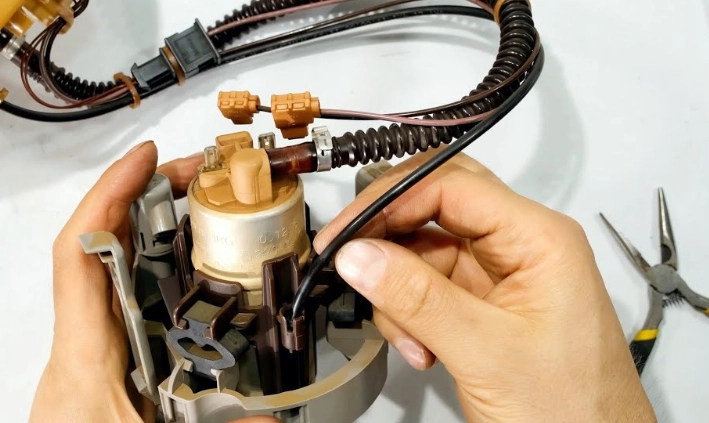
| 2. The Repair | This can take an hour or a full day, depending on complexity (e.g., software update vs. replacing a fuel pump). | Ask if a loaner/rental is provided. For major repairs, it often should be. |
| 3. Documentation | The dealer updates the national database that the recall is closed for your VIN. You get a work order. | Keep this paperwork forever. It's proof the work was done, crucial for resale. |
A subtle point many miss: The repair must bring the car up to the current safety standard, not just put it back to its original, defective state. If they're replacing a part, you're getting the newest, corrected version.
Your Rights and the Fine Print Most People Miss
Beyond the free fix, you have other protections.
- Reimbursement for Prior Repairs: Did you pay to fix the exact problem that's now under recall? You can usually get reimbursed. You'll need receipts and proof of payment. Contact the manufacturer, not the dealer, to start this process. There's often a time limit (e.g., within one year of the recall announcement), so act fast.
- Alternative Transportation: For serious recalls where the car cannot be driven safely, or if the repair will take more than a day, manufacturers frequently cover a rental car. You have to ask. They won't always volunteer it.
- Lemon Law Implications: If the recall repair fails to fix the problem after multiple attempts, or if your car is stuck waiting for parts for an unreasonable time, your state's lemon law might kick in, potentially forcing a buyback. This is complex and often requires a lawyer.
Common Mistakes and How to Avoid Them
I've seen owners shoot themselves in the foot. Don't be one of them.
Mistake #1: Assuming the dealer will call you when parts arrive. They won't. You are one of hundreds. You must be the squeaky wheel. Follow up every 4-6 weeks.
Mistake #2: Trading in a car with an open recall without getting it fixed first. The dealer will absolutely use that open recall to lowball your trade-in value by thousands, knowing they can't resell it until it's fixed. Get the repair done first, then sell. It's free and adds value.
Mistake #3: Ignoring "minor" recalls. There's no such thing. A software recall for a glitch that could cause sudden stalling is just as dangerous as a brake recall. Get them all done.
Mistake #4: Not checking a used car before buying. Always, always run the VIN through the NHTSA tool before handing over any money for a used car. It's a five-minute check that can save you from buying a problem.
A Real Story: Navigating a Major Recall
A friend bought a used 2012 SUV. Six months later, he got a recall notice for a faulty fuel pump that could cause the engine to stall at any speed. The dealer said parts were backordered for 4+ months. He called the manufacturer (a Japanese brand), opened a case, and politely but firmly cited the safety risk of driving a car that could die on the highway. He asked about rental coverage. After two weeks of back-and-forth, they authorized a rental car at their expense for the entire waiting period. Total cost to him: $0. The key was persistence and knowing what to ask for. He drove the rental for three months until the part came in, then got the permanent fix for free.
The system isn't perfect, but you can make it work for you if you know the rules of the game.
The bottom line is simple. A car recall is a serious safety matter, but it's also a free service you've already paid for. Take control. Check your VIN today, stay on top of communications, and don't be afraid to advocate for yourself with the dealer and manufacturer. Your safety, and the safety of others on the road, depends on it.