That little orange check engine light feels like a personal attack. It's vague, stressful, and usually means a trip to the mechanic and a bill you didn't plan for. What if you could understand what your car is trying to tell you before you even pick up the phone? That's the power of a modern car troubleshooting device, or what most people call an OBD2 scanner or code reader. I've been using these tools for over a decade, first as a confused car owner and later while helping friends fix their own vehicles. The biggest mistake I see? People buy a scanner, read a code like P0420 (Catalyst System Efficiency Below Threshold), clear it, and think the problem is solved. It's not. The scanner is just the starting point for a real conversation with your car.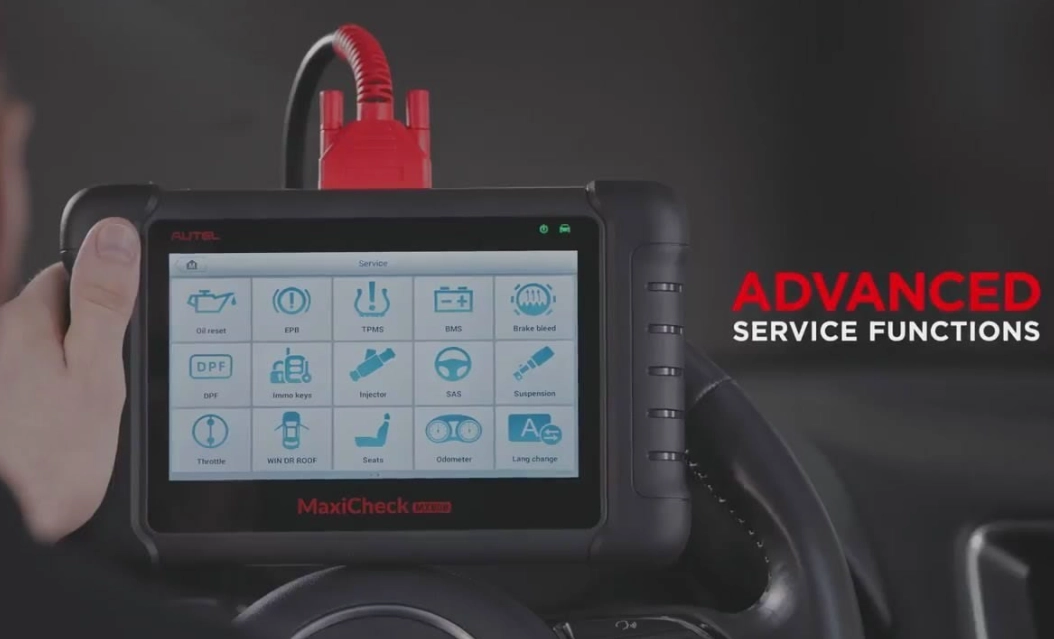
Your Quick Navigation Guide
What Exactly is a Car Diagnostic Scanner?
Think of it as a translator. Since 1996, all cars sold in the US (and most worldwide) have a mandated On-Board Diagnostics II (OBD2) port. It's usually under the dashboard near the driver's knees. When a sensor detects something wrong—from a loose gas cap to a failing oxygen sensor—the car's computer logs a Diagnostic Trouble Code (DTC) and turns on the check engine light. A scanner plugs into that port and reads those codes.
But not all translators are equal. There are three main tiers, and picking the wrong one is where frustration begins.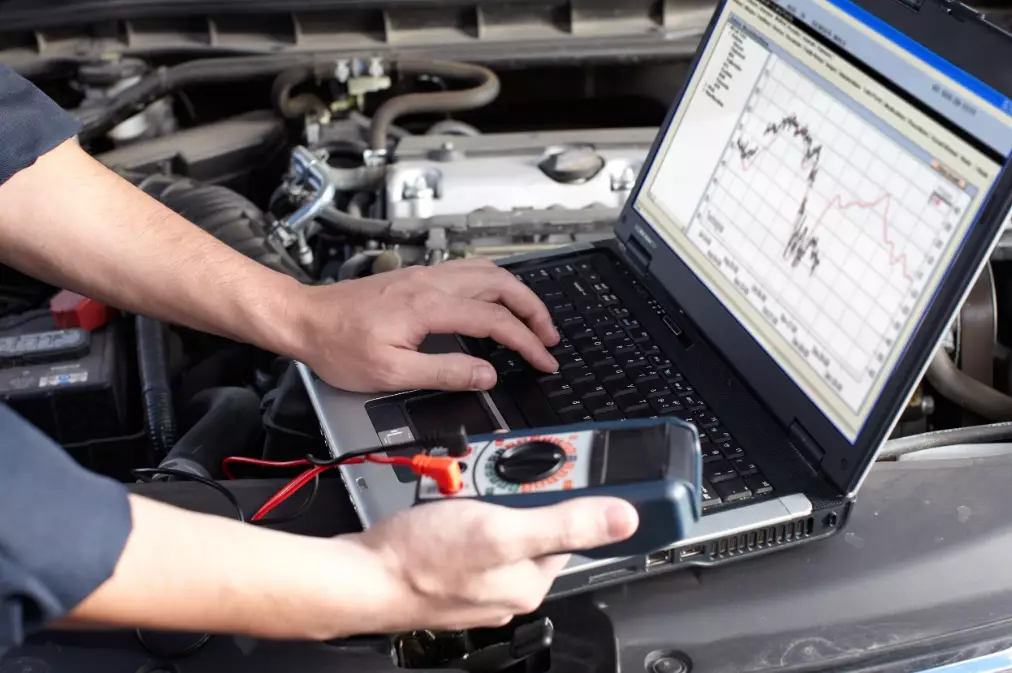
The Three Types of Car Diagnostic Tools
| Type | Best For | What It Does | Typical Cost |
|---|---|---|---|
| Basic Code Reader | Curious beginners, confirming a check engine light before a shop visit. | Reads and clears generic (P0xxx) engine codes. That's it. No live data. | $25 - $60 |
| OBD2 Scanner / DIY Diagnostic Tool | Home mechanics, DIY enthusiasts who want to do more than just read codes. | Reads/clears codes, shows live data (RPM, temp, sensor voltages), views freeze frame data (a snapshot of when the code triggered). | $70 - $250 |
| Professional Scan Tool / Bi-Directional Tester | Professional mechanics, advanced hobbyists. | Everything above plus advanced functions: activating components (like fuel pump), coding, advanced ABS/SRS airbag diagnostics, manufacturer-specific codes. | $500 - $5000+ |
Live data is the game-changer. A code tells you what system failed (e.g., Oxygen Sensor Bank 1). Live data shows you why it failed in real-time. You can see if the sensor is stuck, reading lean, or just dead. This is the difference between guessing and diagnosing.
How to Choose the Right Car Diagnostic Scanner for You
Don't just buy the cheapest one on Amazon. Ask yourself these questions first.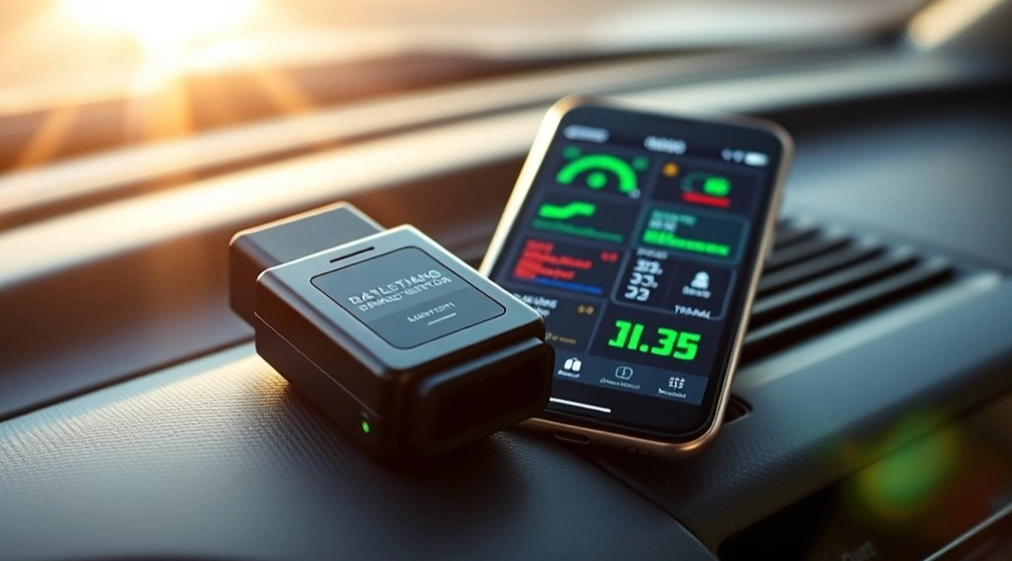
What cars do you own? If you only have a 2005 Honda Civic and a 2010 Toyota Camry, a basic OBD2 scanner is fine. If you have a 2018 BMW or a 2021 Ford F-150, you need a tool that can access manufacturer-specific modules (like BMW's INPA codes or Ford's enhanced data). Many mid-range scanners from brands like Autel, LAUNCH, or BlueDriver offer this.
What's your skill level? Be honest. If you just want to know if it's a serious code before calling a tow truck, a simple reader works. If you watch YouTube repair videos and own a socket set, invest in a scanner with live data.
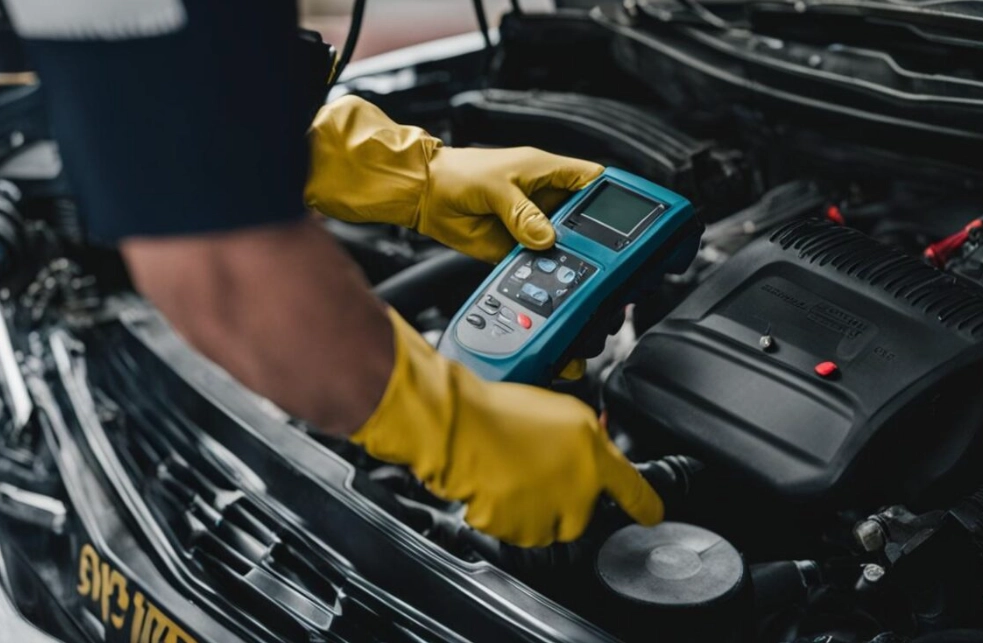
Smartphone App vs. Dedicated Screen? This is a big one. Devices like the BlueDriver or FIXD are Bluetooth dongles that pair with your phone. The app is the interface. They're compact, get regular app updates, and can provide great repair reports. Dedicated handheld units (like many from Innova or Autel) have their own screen and buttons. They feel more robust, work without a phone, and don't rely on a potentially unsupported app in 5 years. I prefer dedicated units for reliability, but app-based ones are fantastic for usability.
How to Use an OBD2 Scanner: A Step-by-Step Guide
Let's walk through a real scenario. Your 2013 Hyundai Sonata's check engine light is on. Here's what you do.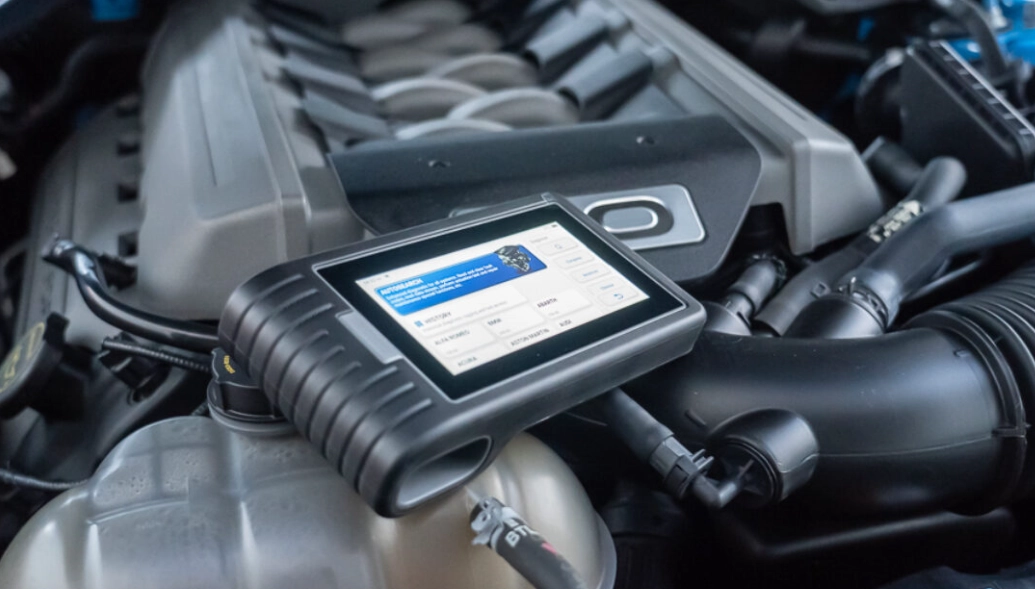
Step 1: Locate the OBD2 Port and Connect
The port is always within 2 feet of the driver's seat. Check under the dash, around the fuse panel, or behind a small cover. Plug in your scanner. Turn the ignition to the "ON" position (don't start the engine). The scanner should power up.
Step 2: Read the Codes
Select "Read Codes" or "Scan." Let's say it returns: P0302 - Cylinder 2 Misfire Detected. Write this down. Don't clear it yet!
Step 3: The Most Important Step - Check Freeze Frame Data
This is the expert move most beginners skip. Navigate to "Freeze Frame" for code P0302. This shows the conditions when the misfire happened. You might see: Engine Load: 75%, Engine Coolant Temp: 210°F, Vehicle Speed: 65 mph. This tells you it was a misfire under high load on the highway when the engine was warm. That points to different causes than a cold-start misfire.
Step 4: View Live Data
Start the engine. Go to live data. Look for parameters related to the misfire: long-term and short-term fuel trims for Bank 1, the RPM reading (is it steady?), and the data for the Mass Airflow Sensor. Is everything stable? If fuel trims are wildly high on Bank 1, you might have a vacuum leak affecting cylinder 2.
Step 5: Research and Test
With the code (P0302) and context (high-load, warm engine), you can now research effectively. A common fix might be swapping the ignition coil from cylinder 2 to cylinder 4, clearing the code, and driving to see if the misfire moves. If it does, you've found a bad coil. The scanner gave you the direction; basic mechanical testing confirms it.
Step 6: Clear the Code (After Fixing the Problem)
Only clear the code after you believe you've fixed the issue. This turns off the check engine light. The car will then run a series of self-tests called "monitors." If the problem is truly gone, the light stays off.
Beyond the Code: Investigating Common Problems
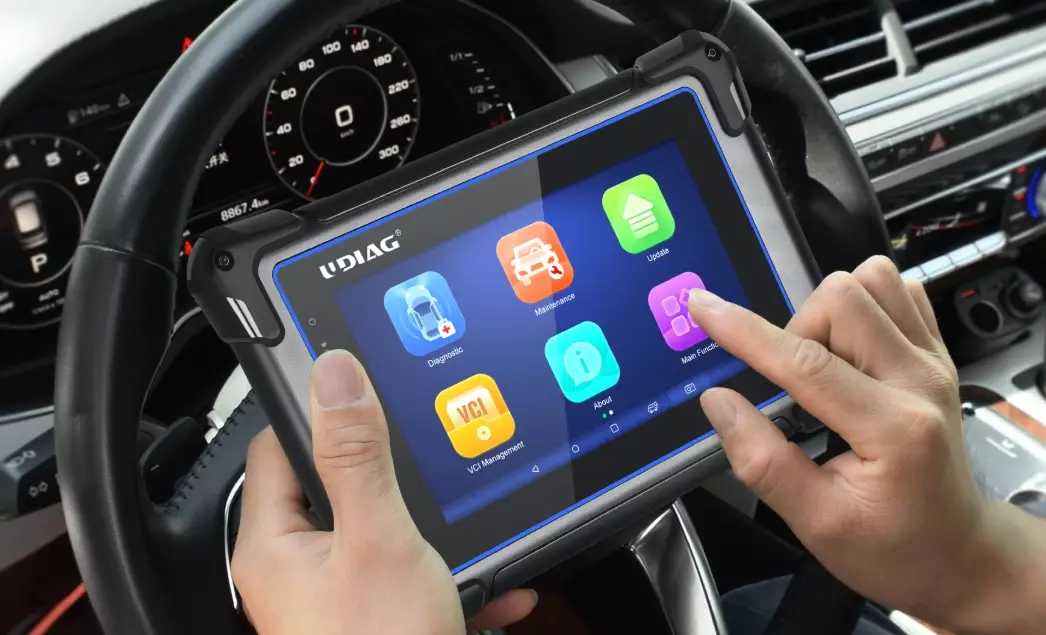 Scanners shine when you pair the code with logic. Here are two classic examples.
The Dreaded P0420 (Catalyst Efficiency Below Threshold)
Everyone assumes this means you need a $1,500 catalytic converter. Often, it doesn't. The code means the downstream oxygen sensor isn't seeing the expected cleanup from the cat. First, use your scanner's live data to graph the upstream and downstream O2 sensor voltages. A healthy cat will smooth out the rapid switching of the upstream sensor. If the downstream sensor graph mimics the upstream one, the cat is likely dead. But first, check for exhaust leaks before the sensors (a common culprit) and ensure your upstream O2 sensor is working correctly. A bad sensor can send false efficiency data.
The Mystery of Multiple Random Misfire Codes (P0300)
If you get P0300 along with codes for specific cylinders, focus on the specific ones first. If it's only P0300 (random/multiple), think "what affects all cylinders equally?" Live data is key here. Check fuel pressure (if your scanner can, or with a manual gauge), Mass Airflow Sensor readings at different RPMs, and look for a vacuum leak by watching the Long-Term Fuel Trim at idle. A high positive fuel trim (+15% or more) at idle is a classic sign of unmetered air entering the engine.
For authoritative technical standards on OBD systems, you can refer to documents from SAE International or regulatory information from the U.S. Environmental Protection Agency.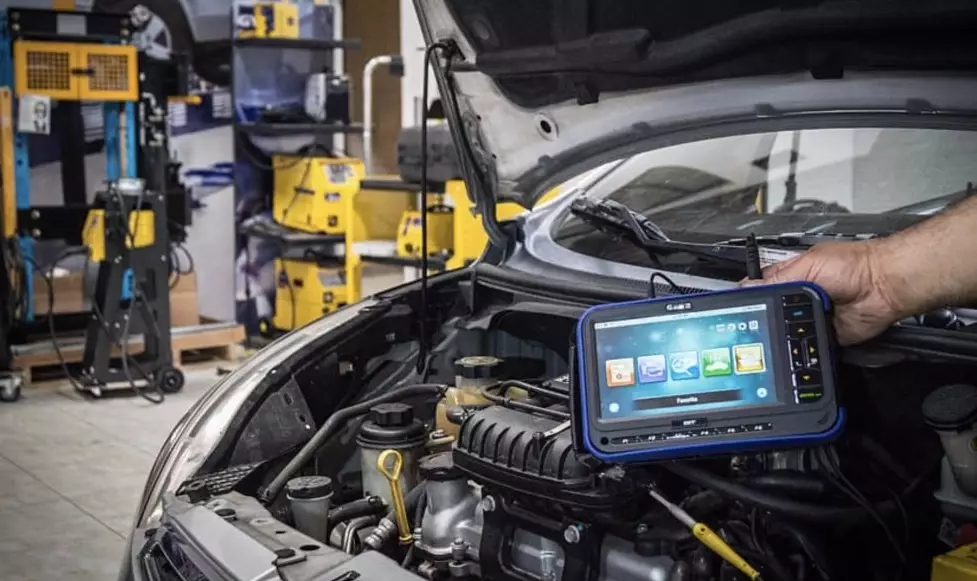
Your Diagnostic Scanner Questions Answered
 I cleared a code and it came back in 50 miles. Does that mean my fix didn't work?