Quick Guide
- What Exactly Is an H11 Bulb? Breaking Down the Basics
- The Great Headlight Showdown: Halogen vs. LED vs. HID for H11 Sockets
- How to Actually Install Your New H11 Headlight Bulb
- Maintenance and Troubleshooting: Why Did My H11 Bulb Die?
- Your H11 Headlight Bulb Questions, Answered
- Wrapping It Up: Making Your Final Choice
Let's talk about that moment. You're driving home late, the road is pitch black, and your headlights feel like they're barely pushing back the darkness. You squint, leaning forward, wondering if your eyes are going bad or if your lights have just given up. Chances are, it's the lights. And if your car uses an H11 bulb, you're in the right place. This isn't just another spec sheet review. We're going to dig into everything about the H11 headlight bulb – the good, the bad, the overhyped, and what you actually need to know before you spend a dime.
I've been through this myself. Bought the cheap halogen packs, been blinded by poorly aimed LED kits from other drivers, and spent a frustrating hour contorted in my engine bay. My goal here is to save you that headache. We'll cover what makes an H11 bulb tick, how to pick the right upgrade without getting scammed, and walk you through swapping them out without breaking anything.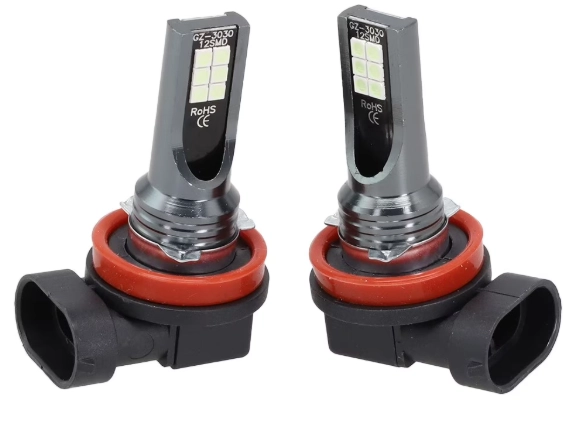
The Core of the Matter: The H11 is a single-filament halogen bulb base that became a global standard for low-beam headlights. You'll find it in everything from a Honda Civic to a Ford F-150. Its popularity means you have a dizzying array of replacement options, which is both a blessing and a curse.
What Exactly Is an H11 Bulb? Breaking Down the Basics
First, let's clear up the confusion. "H11" refers to the bulb's base type and the technical specifications of its connector and filament placement. It's not a brand or a technology. The official specs are maintained by organizations like the SAE International, which sets standards for the auto industry. This standardization is why a bulb from Philips fits the same socket as one from Sylvania in your car.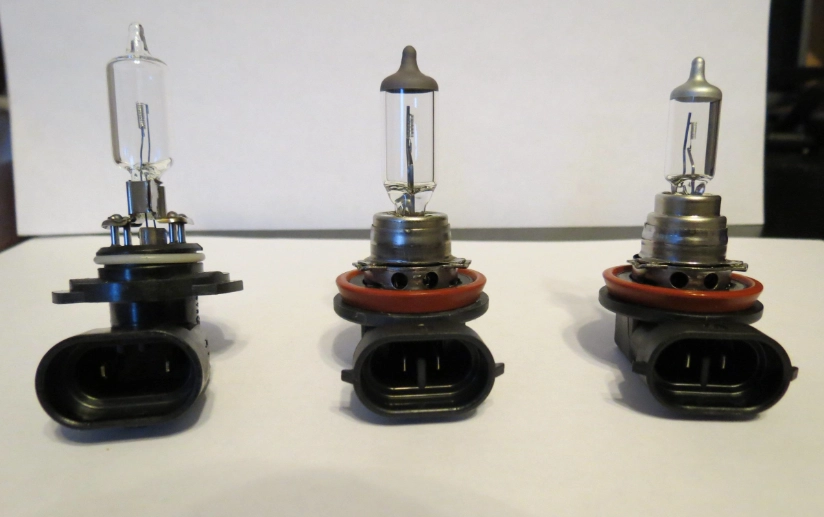
The classic H11 is a 55-watt halogen bulb. It produces a warm, yellowish light (around 3200 Kelvin). The design is simple: electricity heats a tungsten filament inside a glass capsule filled with halogen gas, which makes it glow. It's a tried-and-true technology, but it's not very efficient. A lot of that energy becomes heat, not light.
You'll often see H11 mentioned alongside other codes like 9005 or 9006. Here's the quick and dirty difference:
- H11: Primarily used for low-beam headlights. 55W output.
- 9005: Often used for high-beam headlights. Typically 65W, brighter but shorter lifespan.
- 9006: Another common low-beam bulb, sometimes used in fog lights. 55W, but with a different base shape than H11.
Moral of the story? Don't assume they're interchangeable. Check your owner's manual.
The physical plug is keyed, so you can't insert it wrong into the socket. But that's about the only thing that's foolproof. When it comes to performance and choosing a replacement, things get interesting.
The Great Headlight Showdown: Halogen vs. LED vs. HID for H11 Sockets
This is the million-dollar question. Your stock H11 bulb died. Do you just grab another halogen from the gas station? Splurge on LEDs? Consider HID kits? The marketing for each is fierce, full of lumens this and Kelvins that. Let's cut through the noise with a real-world comparison.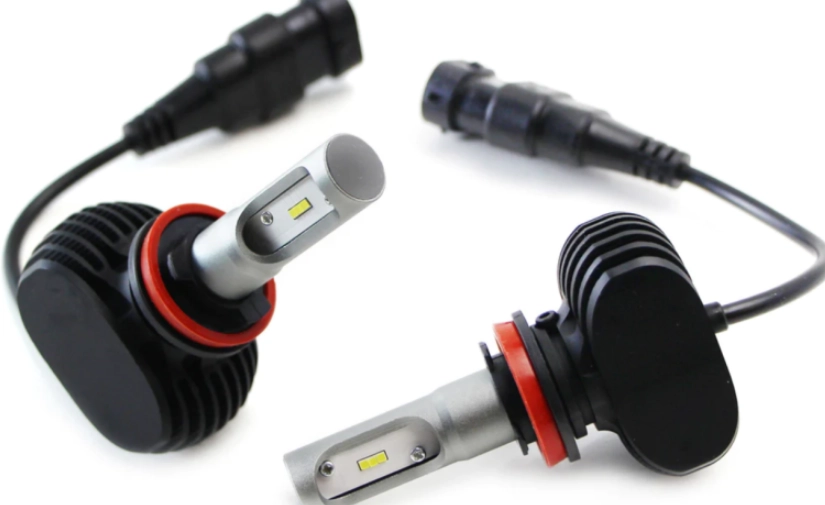
| Feature | Standard Halogen H11 | LED H11 Bulb Kits | HID (Xenon) H11 Kits |
|---|---|---|---|
| Brightness & Light Color | ~1350 Lumens, Warm Yellow-White (~3200K) | Widely varies (2000-6000+ Lm), Cool White to Blue (5000K-6500K+) | Very High (~3000 Lm), Pure White to Blue (4300K-6000K+) |
| Lifespan | Shortest (~450-1000 hours) | Longest (15,000 - 50,000 hours) | Long (~2000 - 5000 hours) |
| Energy Use & Heat | High heat, standard wattage (55W) | Low heat, lower wattage (15W-30W typical) | High heat, requires ballast (35W-55W systems) |
| Cost | Cheapest ($10 - $25 per pair) | Moderate to High ($40 - $150+ per pair) | High ($60 - $200+ for full kit) |
| Installation | Plug-and-play. Simple. | Often plug-and-play, but size/fans can cause fitment issues. | Complex. Needs ballasts, wiring, drilling for grommets often. |
| Beam Pattern | Perfect. Designed for the housing. | Hit or Miss. Poor bulbs scatter light, blinding others. | Poor in halogen housings. Severe glare without projectors. |
| Best For... | Budget replacement, keeping things stock and legal. | Modern look, long life, efficiency in properly designed kits. | Maximum raw light output in projector-style housings only. |
Looking at that table, LEDs seem like the obvious winner, right? Not so fast. My biggest gripe with the LED market is the wild inconsistency. I bought a "10,000 Lumen" H11 LED set from a popular online store for $30. They were brighter than my halogens, yes, but the beam pattern was a disaster. It lit up the trees and the eyes of oncoming drivers more than the road. Complete waste of money.
The Glare Problem: This is critical. A halogen housing is shaped to focus light from a tiny, exact filament point. Most LED bulbs have chips on two sides, which places the light source in a different location. This throws the carefully engineered beam pattern out the window, creating dangerous glare. The National Highway Traffic Safety Administration (NHTSA) has clear regulations on headlight performance and glare. Many aftermarket LED bulbs fail these standards, even if they physically fit the H11 socket.
So, what's the verdict? If you want reliability and zero hassle, a quality halogen H11 bulb from Osram or Philips is still a fantastic choice. They're brighter than basic bulbs, last longer, and are guaranteed to work correctly. If you want the LED look and life, you must research and buy from a reputable brand that engineers its bulbs to mimic the halogen filament position (look for terms like "filament LED" or "360-degree emission"). And HID? Honestly, for a simple H11 replacement, I'd avoid it unless your car came with projectors from the factory. The install is a pain, and the glare in reflector housings is antisocial.
How to Actually Install Your New H11 Headlight Bulb
Okay, you've picked your bulb. Now comes the fun part. Replacing an H11 bulb is usually a 15-30 minute job, but some cars seem designed by contortionists. Here's a step-by-step that might save your knuckles.
What You'll Need
- Your new H11 bulbs (always replace in pairs for even light!).
- Clean cloth or latex gloves (Don't touch the glass of a halogen bulb! Skin oil creates hot spots and can cause it to shatter.)
- A screwdriver (Philips or flathead, depending).
- Maybe a 10mm socket or wrench. Just have a basic set handy.
The Step-by-Step Walkthrough
1. Access is Everything: Pop the hood and locate the back of the headlight assembly. Sometimes you can reach right in. Other times, you'll need to remove the battery, the air intake box, or a bunch of plastic clips and covers. My old Civic required removing the front bumper cover – a huge job for a simple bulb. Check a forum for your specific model; someone has posted about it.
2. Disconnect the Old Bulb: Find the rubber dust cover on the back of the headlight. Twist it counter-clockwise and pull it off. Now you'll see the bulb holder. There's usually a wire connector clipped onto it. Press the tab and pull that connector straight off. Don't yank the wires.
3. Release the Bulb: The H11 bulb is held in by a thin wire clip or sometimes a plastic ring. For the wire clip, you squeeze the two ends together and push it down, then swing it up and out of the way. It's springy. The bulb should now be loose.
4. The Swap: Pull the old H11 bulb straight out. Grab your new one with your cloth or glove. Align the three tabs on the bulb base with the slots in the headlight socket. It only goes in one way. Push it in firmly and seat it. Then, secure it by moving the wire clip back into its locked position. It should snap into place securely.
Pro Tip: Before you plug the electrical connector back in, turn on your headlights to the low beam setting for a second. Then turn them off and plug in the new bulb. This ensures any capacitor in an LED or HID system is discharged, preventing a small spark when you connect it. It's a good safety habit.
5. Reassemble and Test: Plug the wire connector back onto the new bulb until it clicks. Put the rubber dust cover back on, making sure its seal is seated all around. Repeat for the other side. Before you close the hood, turn on your headlights. Make sure both low beams work. Then, critically, park in front of a wall or garage door at night and check the beam height. You don't want to be blinding people.
If one side seems dimmer or flickers, the connector might not be fully seated. Jiggle it. If you installed LEDs and they flicker or don't turn on, the kit might need "CANBUS decoders" or "load resistors" to trick your car's computer. That's a whole other rabbit hole.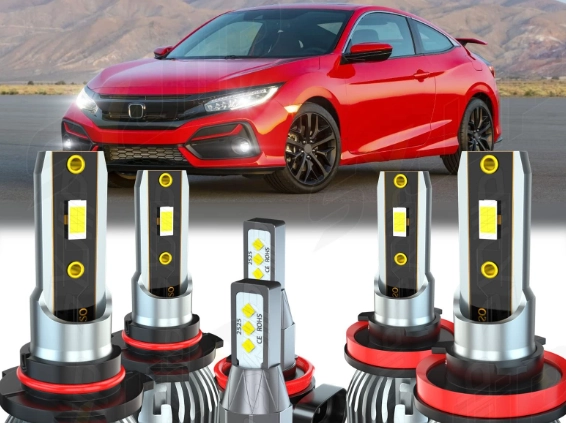
Maintenance and Troubleshooting: Why Did My H11 Bulb Die?
Halogen H11 bulbs don't last forever. Vibration, voltage spikes, and simple aging kill them. But if you're replacing them every few months, something's wrong.
- Frequent Burnouts: Check the electrical connector for corrosion (green/white crust). Clean it with electrical contact cleaner. A faulty alternator sending too high a voltage (over 14.5V) will also cook bulbs quickly.
- Dim Light: This is a huge complaint. Over time, the halogen glass develops a dark film. But more commonly, your headlight lens is yellowed and hazy on the outside. No bulb can penetrate that fog. Restoration kits or professional polishing is needed first.
- Condensation in the Housing: If you see water droplets inside the headlight, the seal is broken. This will ruin any bulb, especially HIDs. The moisture needs to be dried out and the seal (often around the lens or the back cover) needs to be fixed.
I learned the condensation lesson the hard way. After an LED install, I didn't get the rubber grommet for the wires seated right. Two weeks later, my fancy new bulbs were sitting in a puddle. They shorted out. A $60 mistake born of rushing.
For longevity, just handle them with care during install and ensure your charging system is healthy. It's that simple.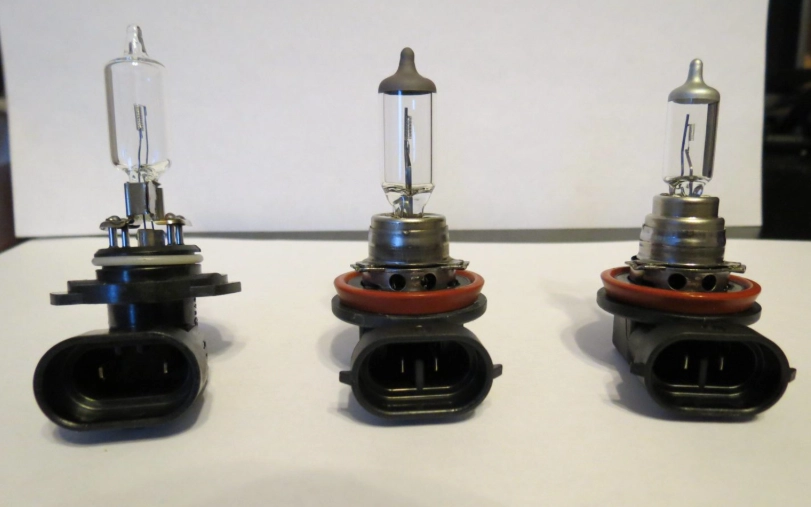
Your H11 Headlight Bulb Questions, Answered
Can I use an H9 or H16 bulb in my H11 socket? They look similar.
Physically, they might plug in, but don't do it. An H9 is a 65W bulb versus the H11's 55W. It will draw more current, potentially overheating your wiring or headlight housing. The filament placement is also minutely different, ruining the beam focus. The H16 is typically for fog lights. Stick with H11 for an H11 socket.
Are "ultra white" or "blue" halogen H11 bulbs better?
This is mostly marketing. They use a blue glass coating to filter out yellow light, making the output appear whiter (like 4000K-5000K). The catch? That coating blocks some of the total light output (lumens). So you get a cooler color but often less usable light on the road. It's a style trade-off, not a performance upgrade. For actual performance, look for "+100%" or "+150%" halogen bulbs that use advanced gas mixtures and stronger filaments to produce more lumens within the same wattage.
My new LED H11 bulbs are super bright but I get flashed by other drivers constantly. What's wrong?
You've got a glare problem, almost certainly. Your LED chips are not aligned with the focal point of your halogen housing. The light is scattering upwards into other drivers' eyes. First, double-check that the bulbs are seated perfectly straight (some have a rotation adjustment). Second, you absolutely must aim your headlights down. Use the manual adjuster screws on the headlight assembly (usually a white, plastic, hex-shaped screw on top or side). Park on level ground 25 feet from a wall and lower the beam so the cutoff line is below the height of your headlights. If that doesn't fix it, you may need a different brand of LED designed specifically for your housing type.
Do I need to modify anything to install HID bulbs in my H11 socket?
Yes, significantly. An HID "bulb" (or burner) requires a high-voltage ballast to ignite and run. A full retrofit kit includes bulbs, ballasts, and wiring harnesses. You must find a secure, metal location to mount the ballasts (they get hot). You often have to drill a hole in the dust cover to run the wires through, and then seal it with a grommet. It's a project. Crucially, as mentioned before, HIDs in a standard reflector housing create catastrophic glare. This upgrade only makes sense if you have projector-style headlights or are doing a full projector retrofit, which is a major undertaking. Resources from the Daniel Stern Lighting site offer deep technical dives into why proper focus matters more than raw output.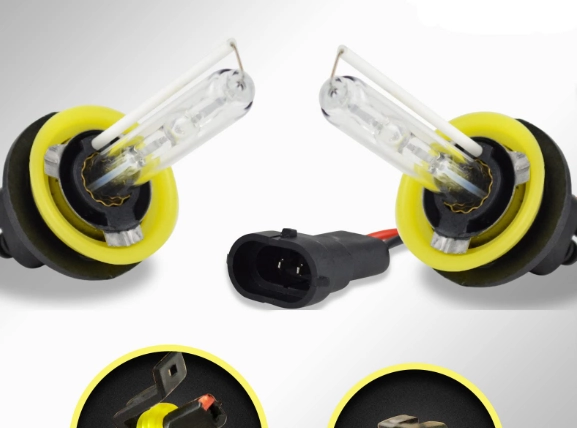
Wrapping It Up: Making Your Final Choice
Choosing the right H11 headlight bulb comes down to balancing your priorities: cost, legality, performance, and effort.
For most people looking for a reliable, safe, and straightforward fix, a premium halogen bulb is the smartest choice. Brands like Osram Night Breaker Laser or Philips X-tremeVision Pro150 offer noticeable improvements over stock without any compatibility headaches.
If you want the modern white light and incredible lifespan of LEDs, be prepared to do your homework. Don't buy the cheapest kit. Look for brands that are transparent about their beam pattern testing (sometimes showing comparison photos against a halogen standard). Expect to spend $80-$150 for a good pair that won't blind your neighbors.
And remember, the bulb is only part of the equation. A clean, clear, and properly aimed headlight housing is just as important. The U.S. Department of Energy has great resources on the efficiency gains of LED technology, which is a valid reason to consider the switch beyond just looks.
Drive safe, see better, and don't be the person with the blinding lights.