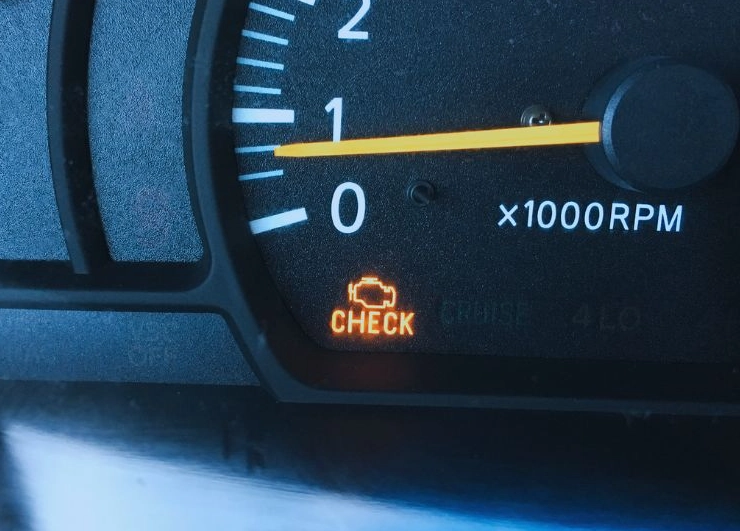
That little warning light pops on. Maybe it's the Check Engine light, maybe it's something else. Your stomach drops a bit. The first question that hits your mind isn't "What's wrong?" but "How much is this going to cost me?" And right behind it: Can I get a free diagnostic for my car? Let's cut through the marketing fluff. The short answer is yes, you often can. But the real answer is more nuanced. What you get for "free" varies wildly, and understanding that difference can save you hundreds of dollars and a massive headache.
I've been fixing cars and talking to mechanics for over a decade. The "free diagnostic" is one of the most misunderstood offers in auto repair. Some shops use it as a genuine customer service tool. Others use it as clever bait. Your job is to know which is which before you hand over your keys.
在这篇文章中你会了解到:
- Where to Find Legitimate Free Car Diagnostics
- What a "Free Diagnostic" Actually Includes (The Fine Print)
- When Paying for a Diagnostic is the Smarter Move
- The 5 Critical Questions to Ask Before Accepting a Free Scan
- How to Understand What the Diagnostic Codes Really Mean
- Your Free Diagnostic Questions, Answered
Where to Find Legitimate Free Car Diagnostics
Not all free diagnostics are created equal. Here’s a breakdown of where to look, ranked from most to least reliable in terms of getting a straightforward, useful service.
| Source | What You Typically Get | The Catch / What to Watch For | Best For |
|---|---|---|---|
| Major Auto Parts Chains (AutoZone, Advance Auto Parts, O'Reilly) | A technician will plug an OBD-II scanner into your car's port and read the trouble codes for free. They'll often print or show you the codes (like P0420) and a generic description. | This is only a code read, not a diagnosis. They cannot tell you which specific part is bad (just the system), and they are prohibited from clearing codes. It's a great first step, but it's not the whole story. | Getting a quick, no-strings-attached look at your Check Engine light. Confirming a code before going to a mechanic. |
| Repair Shop "Loss Leader" Promotions | A full diagnostic inspection, often including a visual check of related components, battery/charging test, and a road test. | The shop is betting you'll get the repair done with them. The "free" offer is usually contingent on you approving the recommended repairs. If you decline, they may charge a fee (always ask!). | When you're already leaning toward using that shop for the repair and want a thorough evaluation. |
| Dealership Service Specials | Similar to independent shops, often a multi-point inspection coupled with a code scan. Sometimes part of a seasonal maintenance special. | Can be the most expensive place to get the actual repair done. The "free" diagnostic is a tool to get you in the door for high-margin service work. | If your car is under warranty or you have a complex, brand-specific issue. |
| Mobile Mechanics & Independent Technicians | Varies widely. Some offer free initial assessments to build client trust. | Less standardized. Get everything in writing. Verify their credentials and reviews thoroughly. | Convenience and potentially lower repair costs if you have a trusted local mechanic. |
Here’s a personal anecdote. My neighbor, Mike, saw a "FREE DIAGNOSTIC SCAN" banner at a local shop. He took his SUV in for a shaking issue. They hooked it up, said it was definitely the transmission fluid and a sensor, and quoted him $800. He got a second opinion from a trusted mechanic who, after a 10-minute road test, pointed out the severely cupped and worn tires—a $400 fix that solved 90% of the shake. The shop gave him a "free" scan for a problem the scanner couldn't even detect. The lesson? A scanner is a tool, not a mechanic.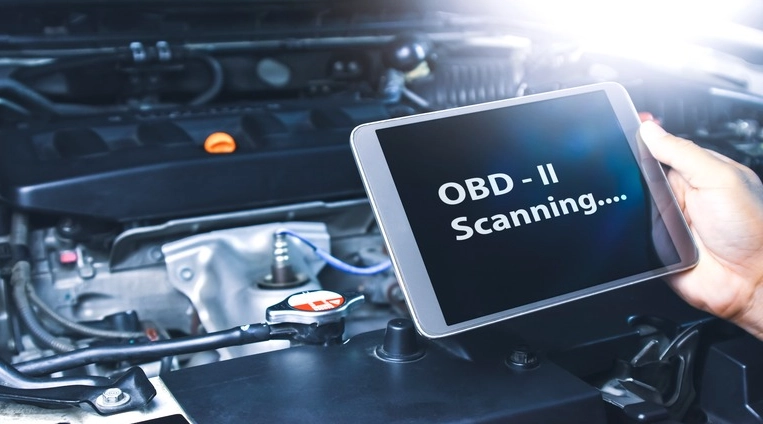
What a "Free Diagnostic" Actually Includes (The Fine Print)
This is where most people get tripped up. The word "diagnostic" implies a conclusion. "Your oxygen sensor is bad." But in the auto repair world, the free part often stops at the code retrieval stage.
Think of it like this: The trouble code is the "symptom" (e.g., "Engine running too lean"). The true diagnostic is the "doctor's visit" that finds the cause (e.g., a vacuum leak, a bad fuel injector, or a faulty mass airflow sensor). The second part is rarely free.
A legitimate shop offering a free diagnostic should, at a minimum, do this:
- Connect a professional-grade scan tool (not just a basic code reader).
- Retrieve and document all stored codes.
- Perform a visual inspection of the area related to the code. (If it's a P0171 for a lean condition, they should pop the hood and look for disconnected hoses.)
- Check for related Technical Service Bulletins (TSBs) from the manufacturer.
- Provide you with a clear, written summary of what they found and the possible causes.
If they skip straight from reading a code to handing you a quote for a specific part, be skeptical. They've skipped the actual diagnostic work.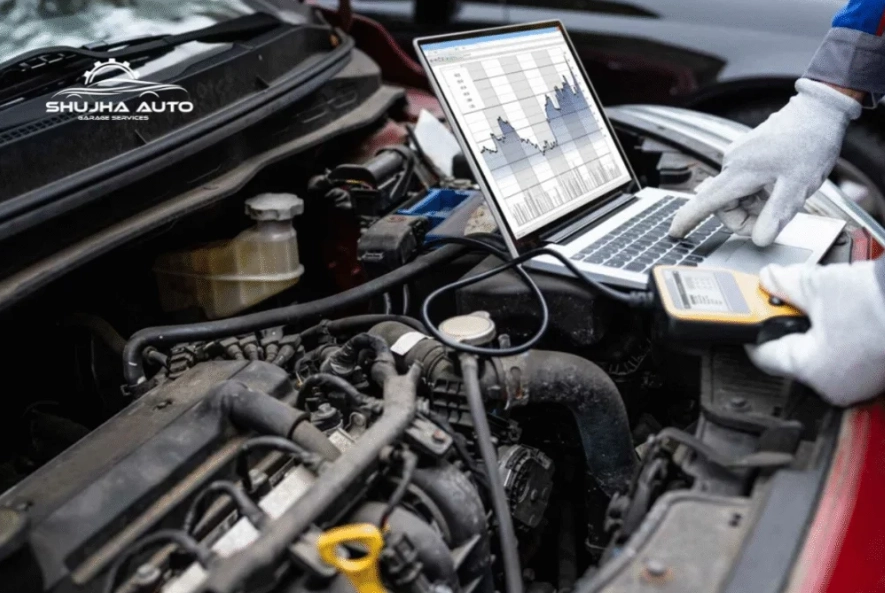
When Paying for a Diagnostic is the Smarter Move
Counterintuitive, right? But sometimes, paying a diagnostic fee (usually $100-$150) upfront saves you money and grief.
Consider paying if:
- The problem is intermittent. The light isn't on now, but it comes and goes. A paid diagnostic will involve a longer road test and data logging to catch the fault.
- You have a no-start or drivability issue with no warning lights. If the car won't start or runs terribly but the Check Engine light is off, a scanner is useless. This requires old-fashioned troubleshooting—testing for spark, fuel pressure, compression—which is skilled labor.
- You want an unbiased second opinion. A shop that charges a stand-alone diagnostic fee has less incentive to "find" unnecessary work. You're paying for their time and expertise, not for them to sell you a part.
- The free scan yielded a vague or common code. Codes like P0300 (random misfire) can have a dozen causes. Paying for a proper diagnosis pinpoints the exact faulty component.
Many honest shops will apply the diagnostic fee toward the repair if you choose to have them do the work. Always ask about this policy.
The 5 Critical Questions to Ask Before Accepting a Free Scan
Don't just drop off your car. Have this conversation. It tells the shop you're informed.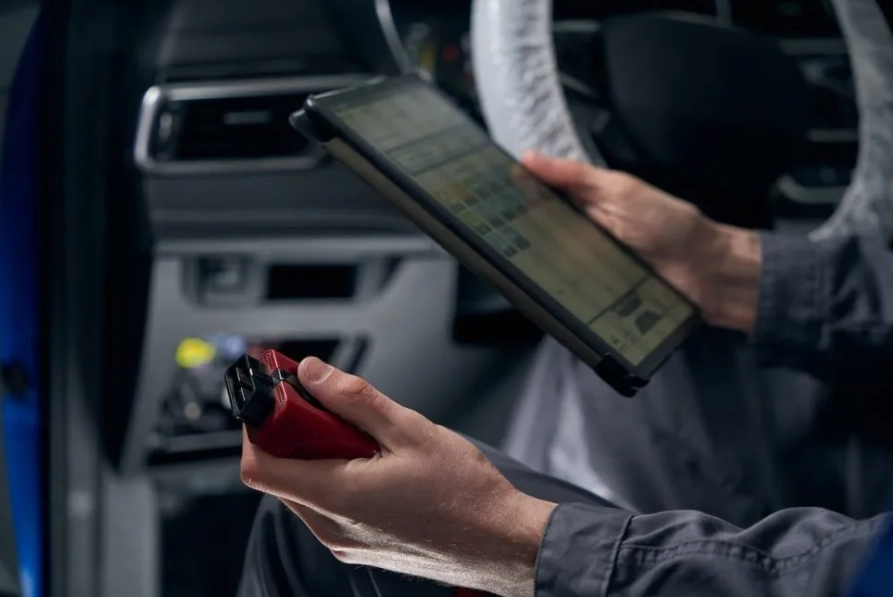
- "Is this truly free if I decide not to do the repair with you today?" Get a clear yes or no. If there's a fee, ask what it is and when it applies.
- "What exactly does your free diagnostic include? Just the code, or a visual inspection and basic testing too?" This sets expectations.
- "Can I get a written copy of the trouble codes and your findings?" This gives you a record to use for second opinions or personal research.
- "If a repair is needed, will you provide a detailed, line-item estimate?" The estimate should separate parts, labor, and taxes. A vague total is a red flag.
- "Are there any common fixes or updated parts for this issue I should know about?" This probes their knowledge of TSBs and known manufacturer defects.
How to Understand What the Diagnostic Codes Really Mean
You got a code from AutoZone: P0420. Google says "Catalyst System Efficiency Below Threshold." Everyone on the forum says you need a new catalytic converter for $1,200. Panic sets in.
Stop. A P0420 can mean a bad cat, but it's just as likely (and often more likely on higher-mileage cars) to be a failing oxygen sensor ($250) or even an exhaust leak ($150) before the sensor. The code only says the system isn't working efficiently; it doesn't identify the broken part. This is the crucial gap between a free code read and a paid diagnosis. A good mechanic will test downstream oxygen sensor data, check for exhaust leaks, and maybe even inspect the converter's temperature before condemning it.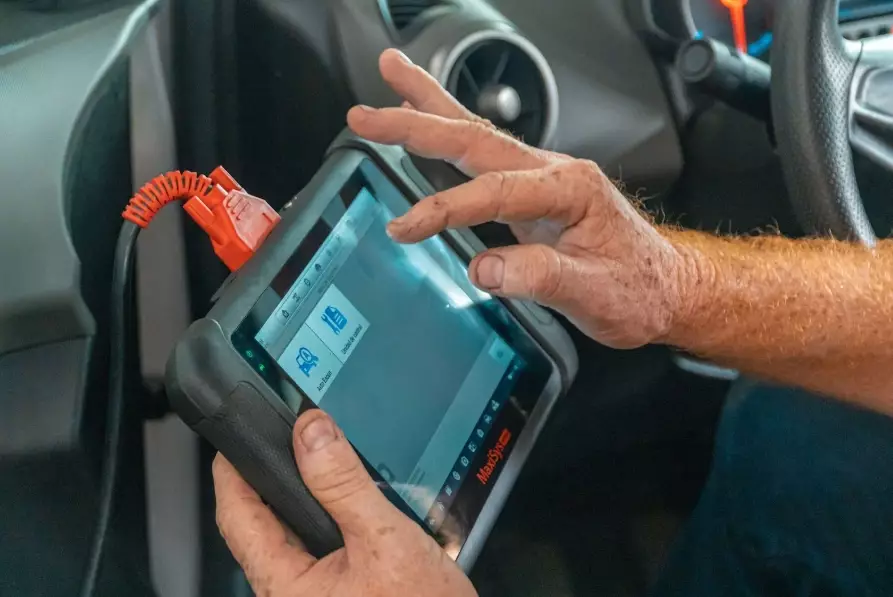
One subtle mistake I see constantly: People get a code, buy the part the generic description suggests, and replace it themselves. When the light comes back on, they're furious. Often, the new part fails because the root cause wasn't fixed (e.g., a new oxygen sensor fried because of an underlying engine oil consumption problem). A proper diagnosis looks for root causes.
Your Free Diagnostic Questions, Answered
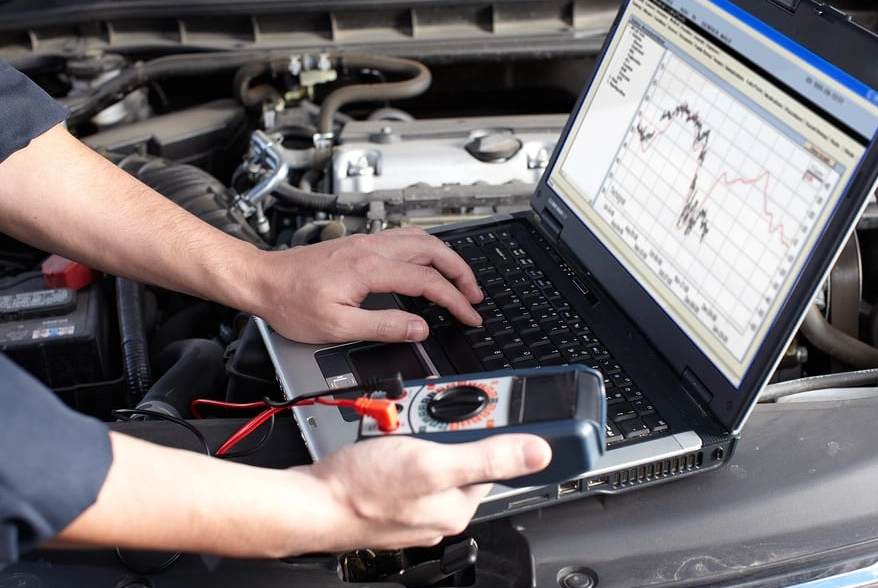 The shop says the free diagnostic found multiple issues. How do I know what's urgent?