Car care isn't just about keeping your vehicle shiny. It's about protecting a major investment, ensuring safety, and preventing those small, annoying problems from turning into wallet-draining repairs. Forget the generic advice. After years of detailing cars and talking to mechanics, I've seen the same mistakes repeated. This guide cuts through the noise and gives you the actionable, modern car care tips you actually need.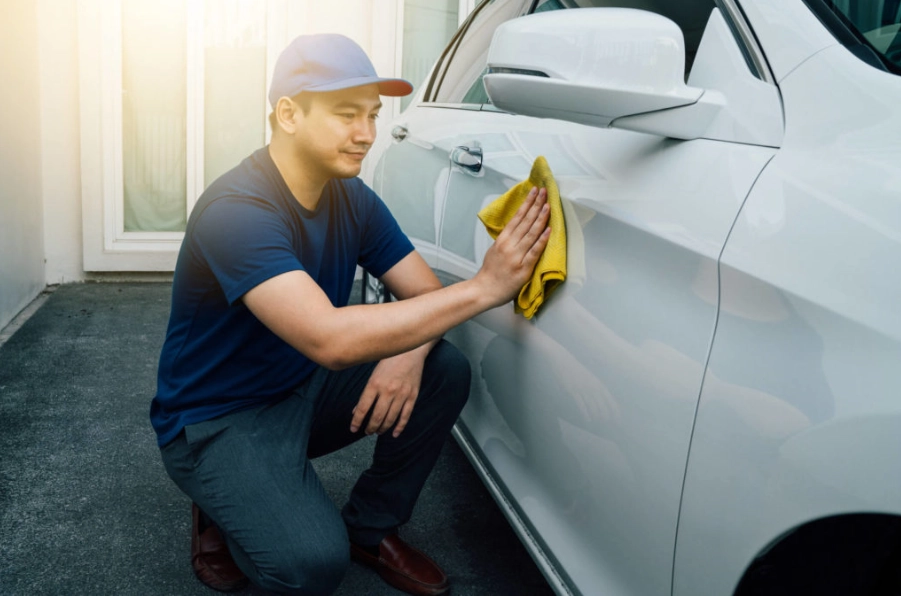
What You'll Learn Inside
Why Modern Car Care is Different
Today's cars are packed with sensors, advanced coatings, and complex electronics. Using a dirty rag from the garage on your touchscreen or pressure washing sensor areas can cause real damage. The goal has shifted from just "clean" to "preserve and protect." Proper car maintenance directly impacts resale value – a well-documented service history and a pristine interior can add thousands when you sell.
Your Non-Negotiable Core Maintenance Checklist
This isn't your manual's list. This is the distilled version of what matters most, based on what most people forget.
| Check | Frequency | Why It's Critical & Common Mistake |
|---|---|---|
| Tire Pressure & Tread | Monthly / Before long trips | Underinflation kills fuel economy and tire life. Don't just eyeball it; use a gauge. Check tread depth with a quarter (Washington's head upside down – if you see the top of his head, you're low). |
| Fluid Levels (Oil, Coolant, Brake, Washer) | Monthly (Oil per manufacturer) | Checking oil only when the light comes on is a recipe for engine wear. Coolant isn't just water; its corrosion inhibitors wear out. Using plain water in your washer fluid reservoir can freeze or grow gunk. |
| Windshield Wipers | Every 6-12 months | Streaking isn't just annoying; it's a safety hazard in rain or glare. Most people change them far too late. |
| Air Filters (Engine & Cabin) | Every 12-24 months | A clogged engine air filter strangles performance and MPG. A dirty cabin filter makes your A/C work harder and blows dust into the car. It's a cheap fix with a big impact on air quality inside. |
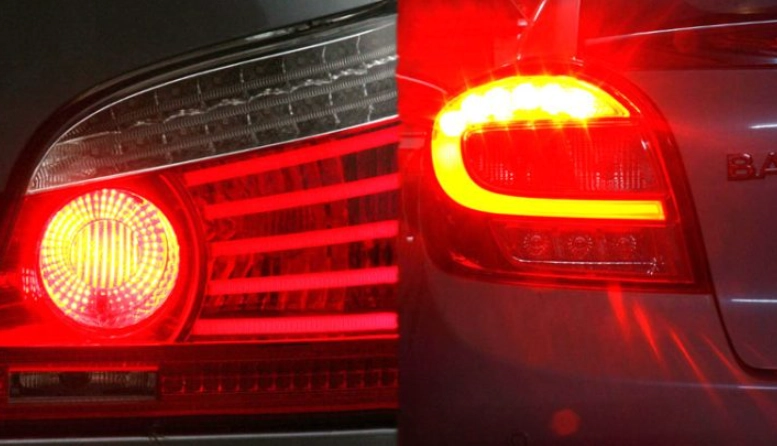
| Lights (Head, Brake, Turn Signals) | Monthly | Have someone stand behind and in front of the car while you operate all lights. A single burnt-out brake light is a ticket and a collision risk. |
Stick this table on your fridge. Doing these simple checks religiously will put you ahead of 80% of drivers.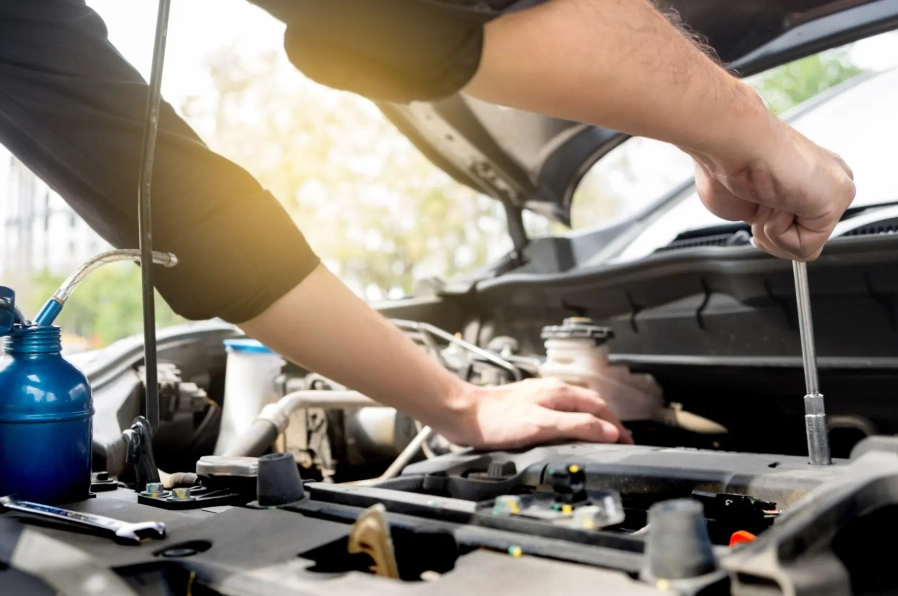
Seasonal Adjustments You Can't Ignore
Cars feel the seasons. Here’s what to focus on.
Preparing for Summer Heat
Heat is brutal on cars. Battery failure is most common in summer, not winter, due to fluid evaporation and increased strain from air conditioning. Get your battery tested. Check coolant strength – a 50/50 mix is standard, but old coolant loses its boiling point protection. Tire pressure increases with heat; check them cold to avoid overinflation.
Pro Tip: Park in the shade or use a sunshade. UV rays bake your dashboard and interior, causing cracks and fading. It's the single easiest way to preserve your cabin.
Gearing Up for Winter
This is about safety. Wiper fluid – switch to a winter formula with de-icer. Washer fluid lines can freeze. Tires are everything. All-season tires lose grip below 45°F. If you see snow regularly, dedicated winter tires are a game-changer for stopping and turning. Don't forget to check your 12-volt battery; cold cranking amps matter when it's freezing.
One often missed item: door seals. Rub a silicone protectant on rubber door and trunk seals in the fall. It prevents them from freezing shut to the frame, which can tear the rubber.
The Right Way to Wash and Detail Your Car
Most paint swirls and scratches are self-inflicted during washing. Let's fix that.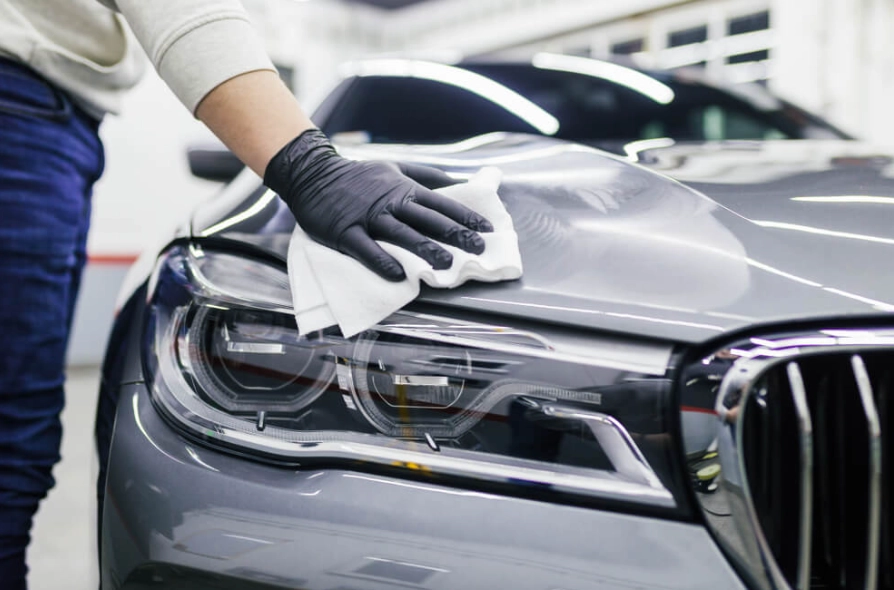
The Two-Bucket Wash Method (It's Not Overkill)
You need two buckets. One with your shampoo mix, one with clean rinse water. After you wipe a section with your wash mitt, rinse it in the "rinse" bucket before dipping back into the "soap" bucket. This traps dirt in the rinse water, not your soapy mitt, preventing you from grinding grit into the paint. Use a dedicated car wash shampoo, not dish soap, which strips wax.
Drying Without Swirls
Air drying leaves spots. Using a bath towel or chamois can drag particles. Use a large, clean microfiber drying towel. Pat and glide, don't scrub. For even better results, use a "leaf blower" (dedicated car blowers exist) to blow water out of cracks and off the surface before touching it with a towel.
Protecting the Paint
Wax isn't the only option. Modern sealants and ceramic coatings (even consumer-grade spray versions) last longer and provide better protection against contaminants like bird droppings and tree sap. Applying a spray sealant every 3-4 months makes washing drastically easier as dirt doesn't bond as strongly.
Biggest Mistake I See: People use the same towel for wheels, paint, and interior. Wheels have brake dust (which is abrasive) and road grime. Have dedicated towels for wheels, paint, glass, and interior. Color-code them so you don't mix them up.
Interior Care That Actually Lasts
A clean interior feels better and holds value.
Vacuum First, Always. Get all loose dirt out before using any liquids. Use crevice tools for vents and between seats.
Fabrics & Carpets: For stains, use a dedicated fabric cleaner. General all-purpose cleaners can leave a residue that attracts more dirt. For overall cleaning, a spray-on foam fabric cleaner worked in with a soft brush, then extracted with a microfiber, works wonders.
Leather: It needs conditioning, but not too often. Clean with a leather-specific pH-balanced cleaner, then apply a light conditioner. Avoid glossy, greasy products that make the steering wheel slippery. Matte finishes are safer.
Plastics & Vinyl: Use a protectant, but be wary of super-shiny, greasy ones. They attract dust and can cause glare on the dashboard. Modern "interior detailer" sprays clean and leave a matte, OEM-like finish.
Screens & Piano Black Trim: Use a microfiber cloth dedicated to electronics. If needed, a tiny bit of water or a screen-safe spray on the cloth, never directly on the screen. These surfaces scratch if you look at them wrong.
Building a Long-Term Care Strategy
Think beyond the next wash.
Keep Records. A simple folder (digital or physical) for all receipts and service records is gold at trade-in time.
Listen to Your Car. A new squeak, rattle, or change in how it drives is an early warning system. Don't just turn up the radio.
Find a Trusted Mechanic. Build a relationship with a good independent shop for things beyond oil changes. It's often cheaper than the dealer and they'll get to know your car.
Consider the Environment. Wash your car on grass or at a commercial car wash that recycles water. Properly dispose of used oil, filters, and batteries at auto parts stores. They take them for free.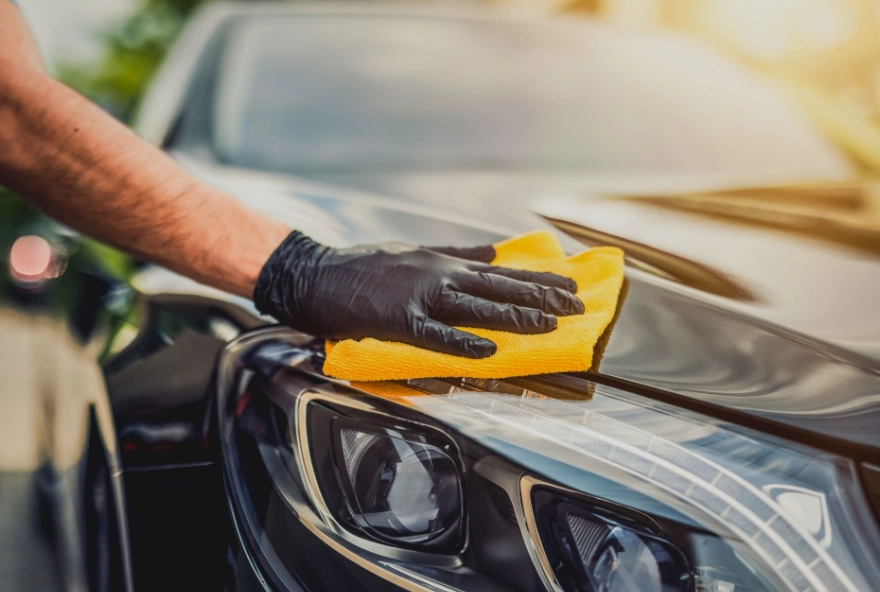
Your Car Care Questions Answered
 What's the one most overlooked item in routine car maintenance?