Let's cut to the chase. The average cost for an oil change on a car in the U.S. ranges from $35 to $75 for a conventional oil change, and $65 to $125 for a synthetic oil change. But that's just the surface. If you've ever paid $40 at one shop and $90 at another for what seems like the same service, you're not alone. I've been tinkering with cars for over a decade, and I've seen prices swing wildly based on factors most people never consider. This guide will dive deep into what really drives oil change costs, how to avoid overpaying, and what you should actually expect to pay for your specific vehicle.
Quick Navigation: What's Inside
What Factors Influence Oil Change Costs?
You might think an oil change is simple: drain old oil, add new oil. But the price tag isn't so straightforward. Here are the key elements that push costs up or down.
Type of Oil: Conventional, Synthetic, or Blend
Conventional oil is the cheapest, usually made from crude oil. Synthetic oil, engineered in labs, offers better performance and longevity but costs more. Blends mix both. Synthetic can run 50% to 100% higher than conventional. But here's a nuance: some shops markup synthetic oil excessively, while others offer fair prices. I once paid $85 for full synthetic at a dealership, but found the same service for $55 at a local independent shop using the same brand oil.
Vehicle Make and Model
Luxury or performance cars often need special oil filters or more oil capacity. For instance, a BMW might require 7 quarts of synthetic oil, while a Honda Civic uses 4 quarts of conventional. More oil means higher material costs. Also, some European cars have tricky oil filter placements that add labor time.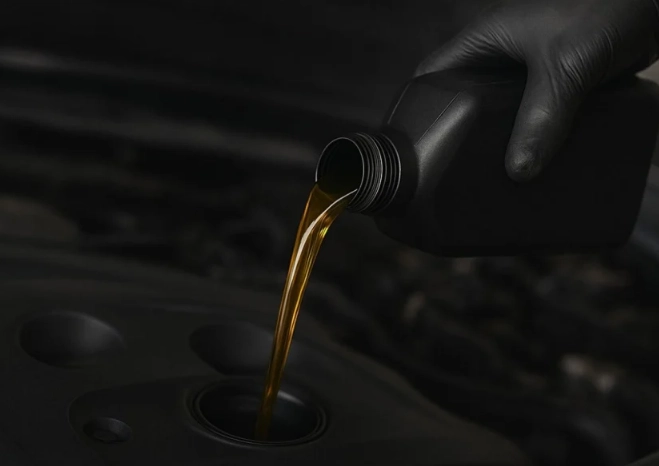
Location and Service Center
Urban areas tend to have higher prices due to rent and wages. A quick-lube chain in a suburb might charge $45, but the same chain in downtown New York could hit $70. Dealerships are typically the most expensive, often 20-30% pricier than independent mechanics. But dealerships sometimes include multi-point inspections that independents skip.
Additional Services
Many shops bundle services like tire rotation, fluid top-offs, or air filter replacement. These add-ons can inflate the bill. A $40 oil change can easily become $100 if you agree to everything. Always ask for an itemized quote upfront.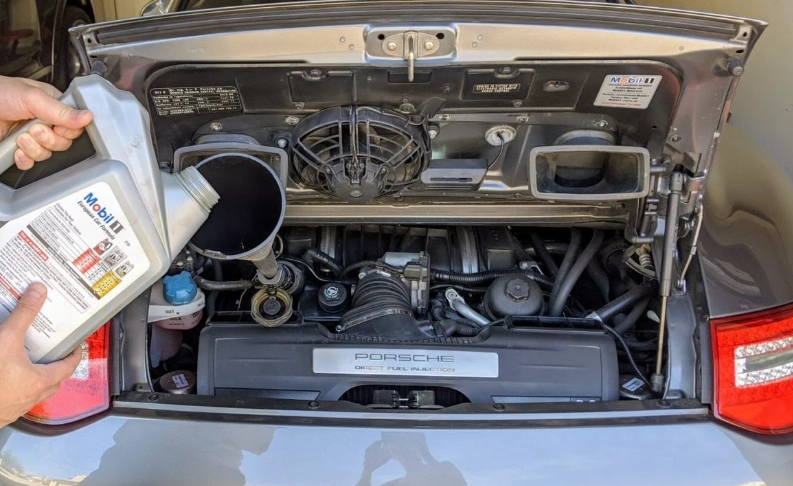
Average Oil Change Price by Vehicle Type
Let's get specific. Here's a breakdown based on common vehicle categories, using data from industry sources like AAA and consumer reports. These are average ranges for a standard oil change service, including labor and parts.
| Vehicle Type | Conventional Oil Cost | Synthetic Oil Cost | Notes |
|---|---|---|---|
| Compact Sedan (e.g., Toyota Corolla) | $35 - $50 | $65 - $90 | Uses 4-5 quarts; simple filter access. |
| SUV/Mid-size (e.g., Honda CR-V) | $40 - $60 | $70 - $100 | May need 5-6 quarts; higher filter cost. |
| Luxury Car (e.g., Mercedes-Benz) | $80 - $120 | $100 - $150 | Often requires synthetic; specialized filters. |
| Truck (e.g., Ford F-150) | $45 - $70 | $75 - $110 | Larger oil capacity; heavy-duty options. |
| Hybrid/Electric (e.g., Toyota Prius) | $40 - $60 | $70 - $95 | Similar to compact sedans; less frequent changes. |
These prices are averages; your actual cost could vary. I remember helping a friend with a 2010 Ford Escape. At a national chain, they quoted $110 for synthetic. We called around and found a local garage that did it for $75 with the same oil specification. Always shop around.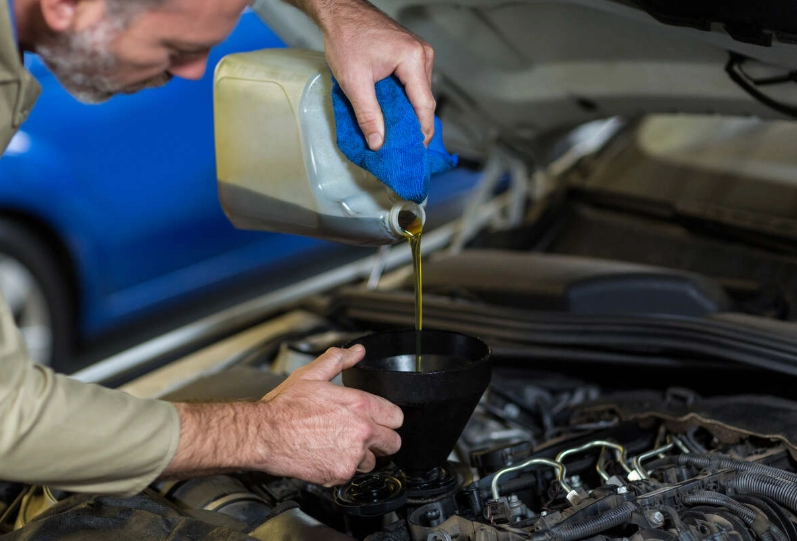
How to Save Money on Your Next Oil Change
Paying full price is optional. Here are actionable strategies I've used over the years to cut costs without compromising quality.
Look for Coupons and Deals
Most quick-lube chains and dealerships run promotions. Check their websites or apps. For example, Jiffy Lube often has $10-off coupons, and Firestone offers seasonal discounts. Sign up for email newsletters; they send exclusive offers.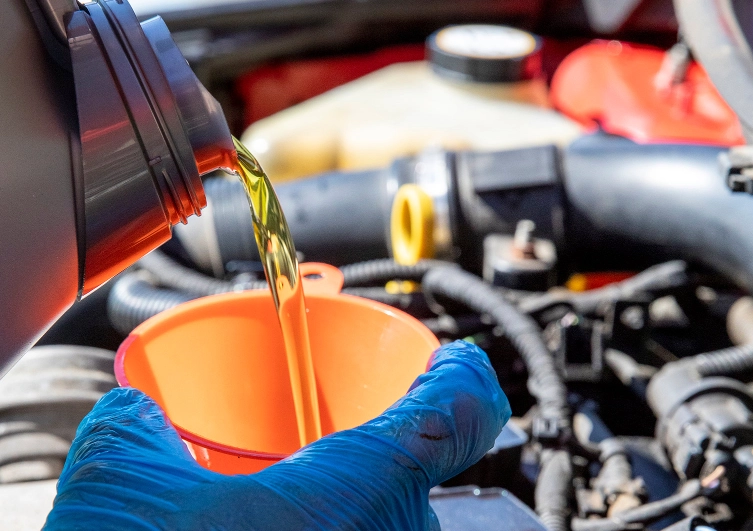
Consider Independent Mechanics
Local shops often have lower overhead than big chains. They might charge $50 for a service that costs $70 elsewhere. Build a relationship with a trusted mechanic—they're more likely to give you fair prices and honest advice.
Buy Your Own Oil and Filter
If you're getting service done, purchase oil and filters from auto parts stores like AutoZone or online retailers. They frequently have sales. Bring them to the shop and ask for labor-only service. This can save 20-30% on parts markup.
Follow the Correct Oil Change Interval
Many modern cars don't need oil changes every 3,000 miles. Check your owner's manual; some recommend 5,000 to 10,000 miles for synthetic. Over-maintaining wastes money. I've seen people change oil too frequently, spending hundreds extra per year for no reason.
Bundle Services Wisely
If you need other maintenance like brake checks or alignments, do them during the oil change to save on labor. But avoid unnecessary add-ons. Shops often push cabin air filter replacements that you can do yourself for half the price.
DIY vs. Professional Service: Cost Breakdown
Thinking of doing it yourself? Let's compare costs. I've done both, and there are trade-offs.
For a DIY oil change on a typical sedan:
- 5 quarts of conventional oil: $20-$25 (from Walmart or parts store).
- Oil filter: $5-$10.
- Tools (if you don't have them): wrench, oil pan, funnel—around $30 one-time.
- Disposal fee for old oil: free at most auto parts stores.
Total DIY cost: $25 to $35, plus your time (about 30-60 minutes).
Professional service for the same car:
- Labor: $20-$40.
- Parts (oil and filter): $30-$50, often marked up.
- Total: $50 to $90.
DIY saves money, but consider the mess and effort. If you're not handy, a professional ensures proper disposal and checks for leaks. For synthetic oil, DIY savings are bigger because shop markups are higher. But remember, some warranties require professional service records.
A friend of mine tried DIY and over-tightened the filter, causing a leak. The repair cost more than a professional oil change. So, weigh your skills.
Common Myths About Oil Changes Debunked
There's a lot of misinformation out there. Let's clear things up.
Myth 1: You must change oil every 3,000 miles.
This is outdated. Most cars today, especially with synthetic oil, can go 5,000 to 10,000 miles. Refer to your manual, not the sticker from the shop. Shops push frequent changes to boost revenue.
Myth 2: Synthetic oil is always superior.
It's better for extreme temperatures and high-performance engines, but for a daily commuter car in mild climates, conventional oil might suffice. Synthetic doesn't magically improve fuel economy in all cases.
Myth 3: Dealerships offer the best service.
Not necessarily. Dealerships use OEM parts, but independent shops can use equivalent quality parts for less. I've found dealerships often charge premium prices for basic services.
Myth 4: Oil changes are all the same.
Quality varies. Some shops use cheap filters that fail early. Ask about brand names—Fram, Mobil 1, or Bosch are reliable. A $30 oil change might seem like a steal, but if the filter clogs, you could face engine damage.
FAQ: Your Oil Change Questions Answered
Wrapping up, the average oil change cost isn't a fixed number—it's a range influenced by your choices. From my experience, staying informed and proactive saves you money and keeps your car running smoothly. Don't just accept the first quote; use this guide to make smart decisions. Your wallet will thank you.