Your car's air filter is like its lungs. It's a simple, cheap part that most people ignore until something feels off. Maybe your gas mileage has been dropping, or the acceleration feels a bit sluggish. Perhaps you notice a weird smell when you turn on the AC. Nine times out of ten, a clogged air filter is a prime suspect. Replacing it is one of the easiest, most cost-effective pieces of car maintenance you can do. I've been fixing my own cars for over a decade, and I've seen people waste hundreds at the shop for a 10-minute job. This guide will walk you through everything: from understanding why it matters to picking the right filter and doing the swap with confidence.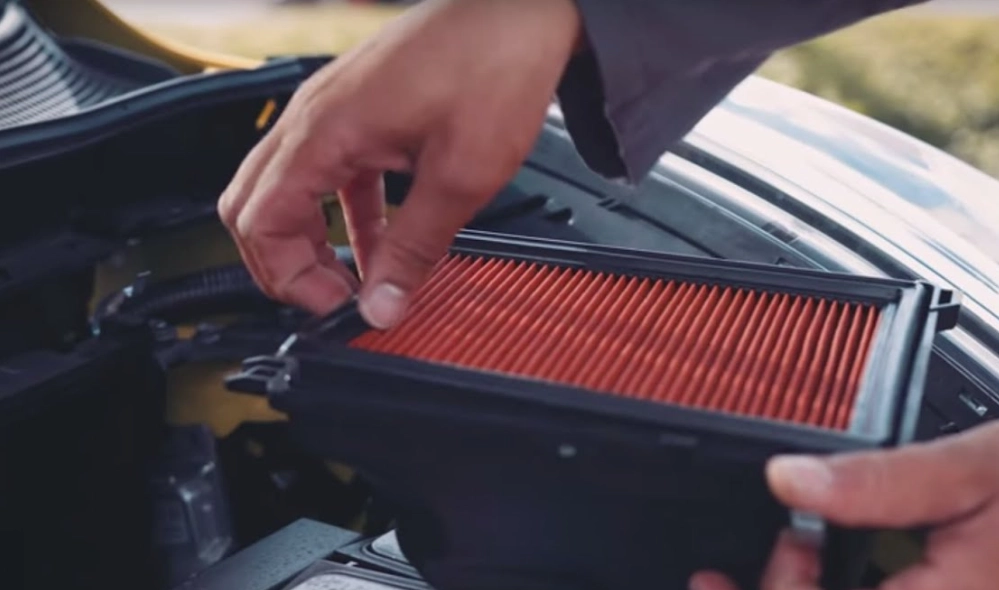
What's Inside This Guide?
- Why a Clean Air Filter is Non-Negotiable
- Engine Air Filter vs. Cabin Air Filter: Know the Difference
- When Should You Really Change Your Car Air Filter?
- How to Choose the Best Air Filter for Your Car
- DIY: Replacing Your Engine Air Filter (Step-by-Step)
- DIY: Replacing Your Cabin Air Filter (It's Usually Easier)
- Common Mistakes to Avoid During Replacement
- Your Air Filter Questions, Answered
Why a Clean Air Filter is Non-Negotiable
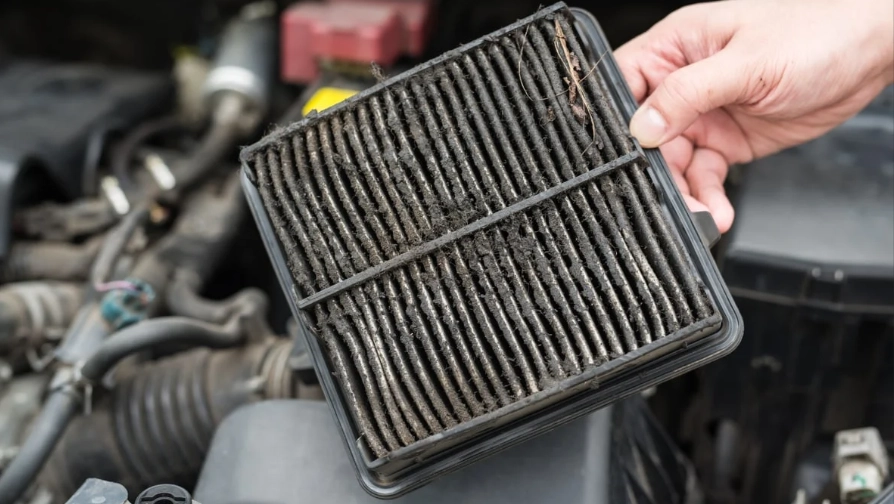
Think about running a marathon while breathing through a straw. That's what your engine does with a dirty air filter. Its job is to screen out dust, pollen, and debris before air mixes with fuel for combustion. When it's clogged, airflow is restricted.
The engine's computer tries to compensate, but the result is an inefficient "rich" fuel mixture—too much gas, not enough air. This directly hits your wallet and your car's health.
According to the U.S. Department of Energy, a dirty air filter can reduce acceleration by 6-10%. In severe cases, it can even lead to fouled spark plugs or cause your "check engine" light to come on. For the cabin filter, it's about your health. A clogged one means you're breathing all the mold spores, exhaust fumes, and road dust circulating inside your car.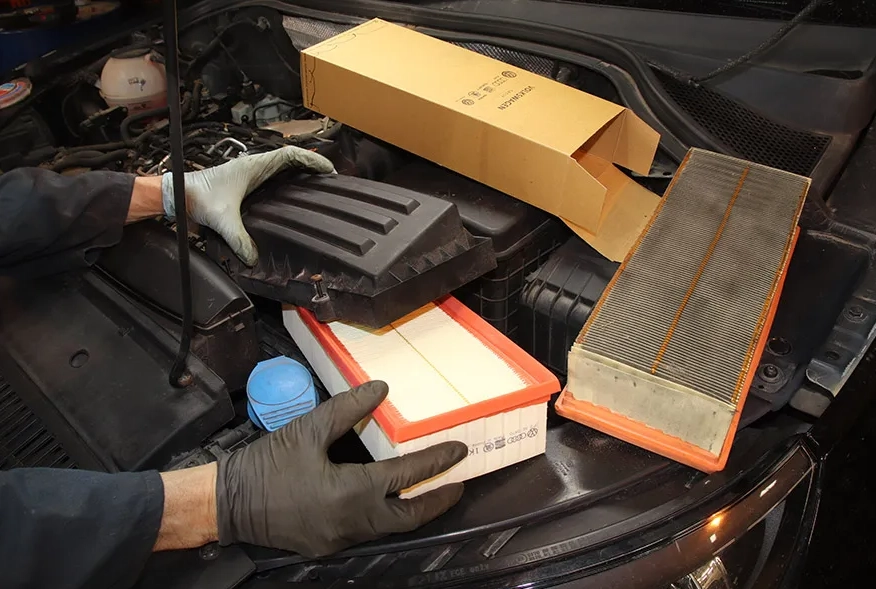
Engine Air Filter vs. Cabin Air Filter: Know the Difference
This confuses a lot of new car owners. They serve two completely different purposes.
Engine Air Filter: Protects your engine. Located under the hood, usually inside a black plastic or metal airbox connected to the engine. It cleans air going into the combustion chambers.
Cabin Air Filter: Protects you. Cleans the air coming through your heating, ventilation, and air conditioning (HVAC) system. It's typically located behind the glove compartment, under the dashboard, or under the hood near the windshield cowl.
You have two separate filters to replace. Most modern cars (post-2000) have both. Your owner's manual is the final authority.
When Should You Really Change Your Car Air Filter?
Forget the mileage sticker on your windshield. Here’s how to know it’s time:
- The Visual Test: Pull the filter out (instructions below). Hold it up to a bright light or the sun. Can you see light clearly through the pleats? If not, it's time. Look for a thick layer of gray or brown dirt and debris.
- Performance Symptoms: Reduced gas mileage, hesitation during acceleration, or an engine that feels unusually rough.
- Cabin Filter Symptoms: Weak airflow from the vents (even on high), musty odors when the AC starts, or increased allergy symptoms while driving.
I once helped a friend who complained about lousy AC performance. A mechanic quoted her $120 for a system check. We pulled the cabin filter—it was completely packed with leaves and looked like a rodent had started a nest. A $15 filter fixed it instantly.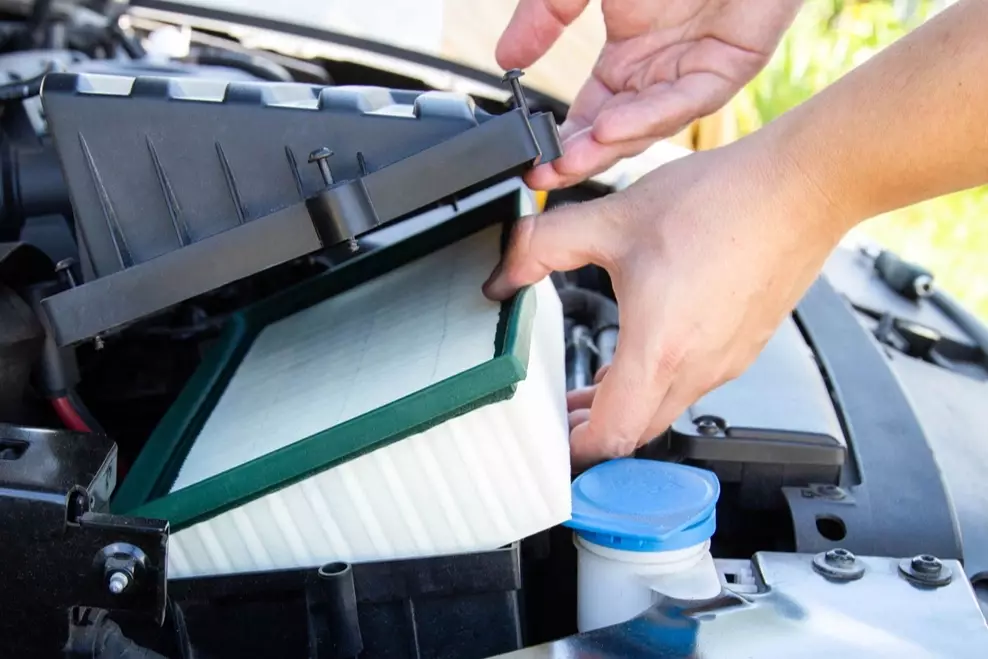
How to Choose the Best Air Filter for Your Car
Walk into an auto parts store, and you'll see a wall of filters at different price points. What's the difference?
| Filter Type | Material | Best For | Considerations |
|---|---|---|---|
| Standard Paper (OE) | Pleated paper | Most drivers, standard replacement. | Effective, affordable, disposable. Follows the original design. |
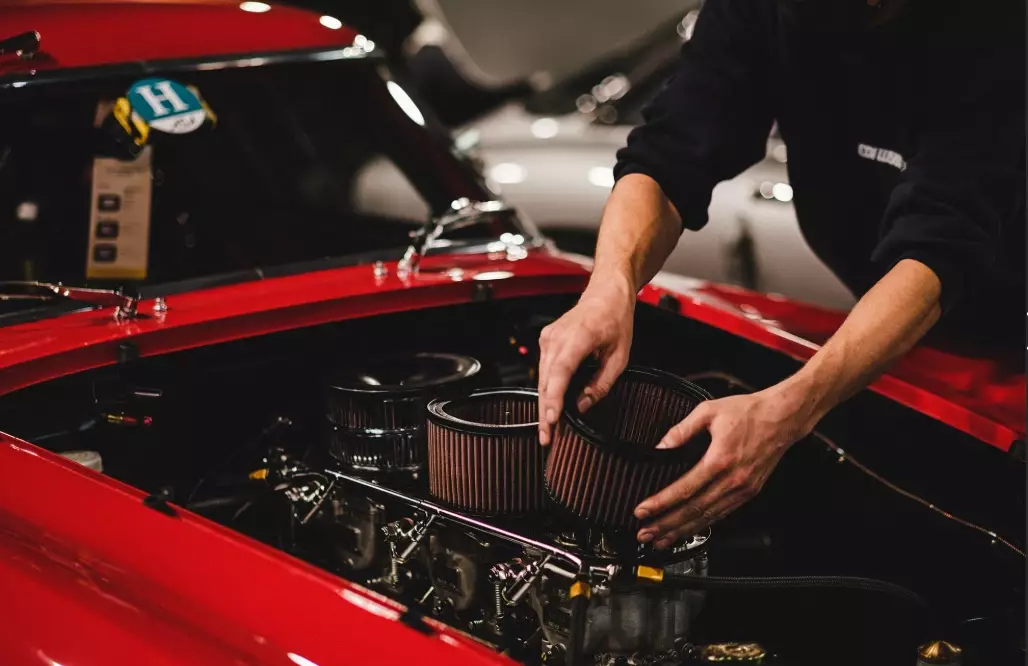
| High-Performance (Cotton/Gauze) | Oiled cotton layers | Enthusiasts seeking max airflow. | More expensive, reusable (cleanable). Can sometimes cause issues with modern mass airflow sensors if over-oiled. |
| Activated Carbon (Cabin) | Paper with carbon layer | Urban drivers, allergy sufferers. | Filters odors and gases, not just particles. Costs a bit more. |
My take: For 95% of drivers, a high-quality standard paper filter from a reputable brand (like Wix, Mann, or the OEM brand) is perfect. The fancy high-flow filters might give a 1-2 horsepower gain on a dyno, but you'll never feel it on your daily commute. The risk of messing up a sensitive sensor with oil isn't worth it for most.
For cabin filters, spending a few extra dollars on an activated carbon one is worth it if you drive in heavy traffic. It actually helps with exhaust fumes.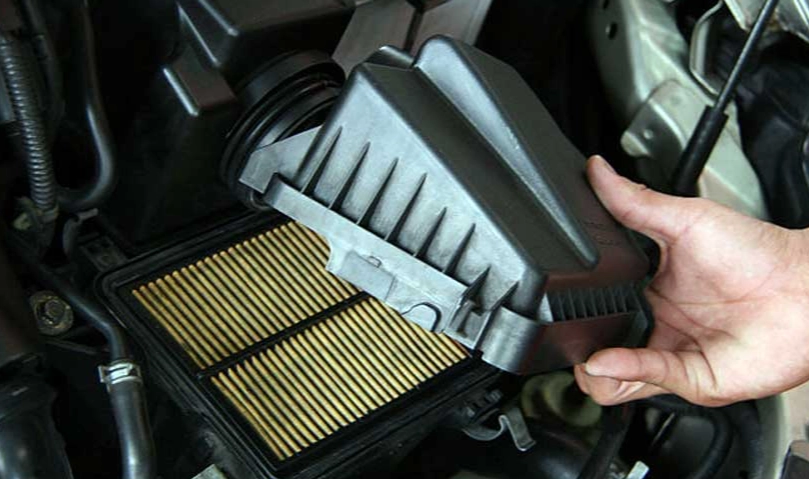
DIY: Replacing Your Engine Air Filter (Step-by-Step)
This is a 10-15 minute job. You likely need zero mechanical experience.
Step 1: Locate the Airbox
Open the hood. It's a large black plastic box near the engine, with a large hose (the intake duct) coming out of it.
Step 2: Open the Airbox
This is usually the only tricky part. Most use metal clips you squeeze and pull up. Some use screws. A few might have a combination. Don't force anything. If it's not opening, you're probably missing a screw or a hidden clip. Look for a diagram online for your specific car model.
Step 3: Remove the Old Filter & Clean the Box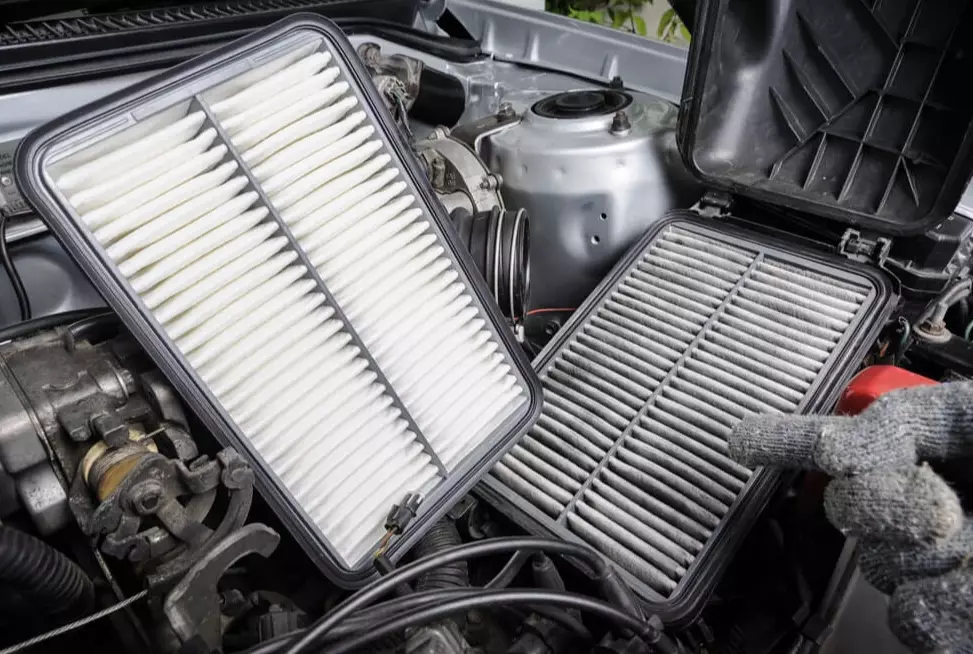
Lift the old filter out. Take a look inside the airbox. You'll probably see some dirt and debris at the bottom. Use a vacuum cleaner hose or a damp cloth to wipe it out. This prevents the new filter from getting dirty from the inside.
Step 4: Install the New Filter
Place the new filter in, ensuring it sits flush and the rubber sealing gasket is even all around. Double-check the orientation. There's usually a "TOP" or arrow marking on the filter frame. Match it to the airbox.
Step 5: Close the Airbox
Make sure the lid is seated properly and all clips are snapped shut or screws are tightened. A loose lid is a common mistake that lets in dirty air.
You're done. Start the car. It should idle normally.
DIY: Replacing Your Cabin Air Filter (It's Usually Easier)
Location varies wildly. Common spots: behind the glove box (you drop it down), under the dashboard on the passenger side, or under the hood near the windshield.
For the common behind-the-glove-box style:
Open the glove box, empty it. Look for stops or tabs on the sides that allow the glove box to drop down further (it often hangs on dampened arms). You might need to squeeze the sides inward. Once it's down, you'll see a rectangular cover. Unclip or unscrew it, slide the old filter out, note the airflow direction arrow, insert the new one facing the same way, and reassemble.
It sounds more complicated than it is. A 5-minute YouTube search for "[Your Car Year Model] cabin air filter replacement" will show you the exact location and method.
Common Mistakes to Avoid During Replacement
- Not checking it first. Don't just buy a filter because it's been a year. Check it. You might save the cost.
- Forgetting to clean the airbox. You're putting a clean filter into a dirty house.
- Installing it backwards. The arrow matters. It shows the intended direction of airflow.
- Not sealing the lid properly. This creates an unfiltered air leak. After closing, run your finger around the seam to ensure it's even.
- Using the cheapest no-name filter. The filtration media might be inferior. Stick with known brands.
Your Air Filter Questions, Answered
 How do I find the cabin air filter if it's not behind the glove box?