Let's be honest. Car care isn't about making your vehicle sparkle for a Sunday drive. It's about preventing a $1,500 repair bill next Tuesday. I've seen it too many times—a neglected oil change turns into a seized engine, or ignored tire wear leads to a blowout on the highway. Good car maintenance isn't a hobby; it's a financial shield and a safety practice. This guide cuts through the fluff and gives you the actionable, essential habits that will keep your car reliable, safe, and worth more when you eventually sell it.
What You'll Learn in This Guide
The 5-Minute Weekly Check You Can't Skip
Most people open the hood only when the check engine light comes on. That's like going to the doctor only after you break a bone. A quick weekly visual inspection can spot problems before they leave you stranded.
Fluids Are Your Car's Blood
Check these with the engine cold and parked on level ground. Your owner's manual has the exact locations and procedures, which trump any general advice.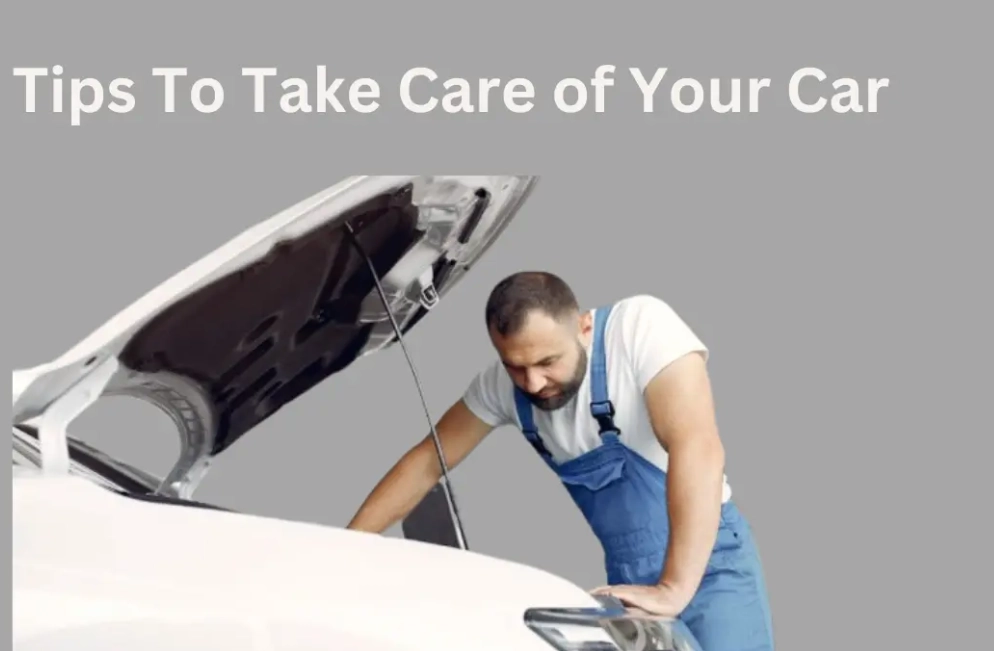
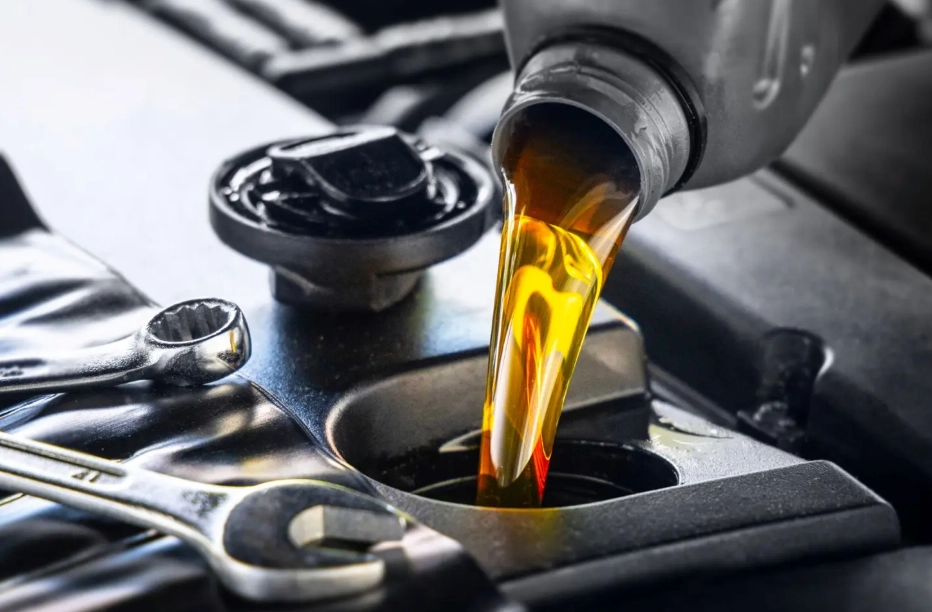
- Engine Oil: Pull the dipstick, wipe it clean, reinsert fully, and pull again. The level should be between the two marks. The oil itself should be amber to brown, not black and sludgy or milky. If it's low, add a bit of the exact type specified in your manual. A common mistake is overfilling—it can cause just as much damage as running low.
- Coolant (Antifreeze): Look at the translucent overflow reservoir. The level should be between the "MIN" and "MAX" lines. Never open the radiator cap when the engine is hot.
- Brake Fluid: Its reservoir is usually near the back of the engine bay. The fluid should be clear or slightly yellow, not dark brown or black. A dropping level often indicates worn brake pads, not just evaporation.
- Windshield Washer Fluid: Just top it up. I keep a gallon in my garage. In winter, use a fluid rated for freezing temperatures.
Tires and Pressure
Underinflated tires wear out faster, hurt fuel economy, and can overheat. Overinflated tires give you a harsh ride and wear unevenly. Your car's recommended pressure is on a sticker inside the driver's door jamb or in the manual—not on the tire sidewall.
Check pressure when tires are cold (driven less than a mile). I do it every other Sunday morning. And don't forget the spare tire! There's nothing worse than a flat spare when you need it.
Lights and Brakes
Walk around the car and check headlights (low and high beams), tail lights, brake lights, and turn signals. Have someone press the brake pedal for you, or back up near a reflective surface like a garage door. Listen for any new squealing or grinding when you brake. A high-pitched squeal often means wear indicators on the pads are contacting, telling you it's time for service soon. A grinding sound is an emergency—your pads are gone and metal is grinding on metal.
Why Proper Cleaning is More Than Cosmetic
I used to think washing my car was just for looks. Then I moved to a snowy region where they salt the roads. I saw cars with rusted-out rocker panels and wheel wells within a few years. That's when it clicked: cleaning is a protective measure.
The Underbody Wash: If you drive on salted roads in winter, this is non-negotiable. Go through a car wash with an underbody spray every couple of weeks during salt season. It flushes out the corrosive salt and brine that regular washing misses.
Two-Bucket Wash Method: For the paint, this is the gold standard to avoid scratches. One bucket has soapy water, the other has clean rinse water. You dip your wash mitt in soap, wash a section of the car, then rinse the mitt in the clean water bucket before getting more soap. This traps dirt in the rinse bucket, not back on your mitt and paint. Microfiber towels are your friend for drying.
Interior Care: Vacuum regularly. Dirt and sand act like sandpaper on carpets and upholstery. For spills, clean them immediately. A set of good floor mats (rubber for winter, carpet for summer) is one of the best investments you can make to preserve your car's resale value.
Getting Your Car Ready for Summer and Winter
Extreme temperatures stress different parts of your vehicle. A little seasonal prep goes a long way.
| Season | Key Focus Areas | Specific Action Items |
|---|---|---|
| Summer | Cooling System, Battery, Air Conditioning | Check coolant level and mixture (50/50 coolant/water is typical). Test your A/C before the heat wave hits. Inspect battery terminals for corrosion. Ensure tires are properly inflated—heat increases pressure. |
| Winter | Battery, Tires, Visibility, Fluids | Get your battery tested (most auto parts stores do it free). Consider winter tires if you live where it snows. Replace wiper blades and fill washer fluid with de-icer. Check antifreeze strength with a tester. |
What to Do When You Hear or See Something Wrong
Your car talks to you through sounds, smells, and feels. Don't ignore the whispers, or you'll eventually hear the screams.
- A new noise: Squeak, rattle, hum, grind, knock. Try to note when it happens (when turning? when braking? at certain speeds?). This info is gold for a mechanic.
- A new vibration: In the steering wheel usually means front wheels/tires. In the seat or floor usually means rear wheels/tires. Could be a balance issue, alignment, or a damaged tire.
- A warning light: Solid yellow/orange: monitor the situation and plan to get it checked soon. Flashing or red: stop driving if safe and get help immediately. For a generic check engine light, an auto parts store can often read the code for free, giving you a clue.
I keep a small notebook in my glove box. When something feels off, I jot down the date, mileage, and what I noticed. It creates a helpful history and stops me from forgetting to mention it during a service.
The Long-Game Maintenance Strategy
This is where you move from reactive to proactive. Following the manufacturer's maintenance schedule in your owner's manual is the single most important thing you can do. It's not a scam by dealerships; it's engineered by the people who built your car.
The 30,000 / 60,000 / 90,000 Mile Services: These are major checkpoints. They often involve replacing things that wear out gradually, like spark plugs, transmission fluid, coolant, and timing belts (if your car has one). Skipping these can lead to catastrophic failures. A broken timing belt, for instance, can destroy an interference engine in seconds.
Keep Records: Whether it's a folder in your filing cabinet or an app on your phone, keep every receipt for parts and labor, with mileage and date noted. This proves you've cared for the car and can significantly boost its resale value.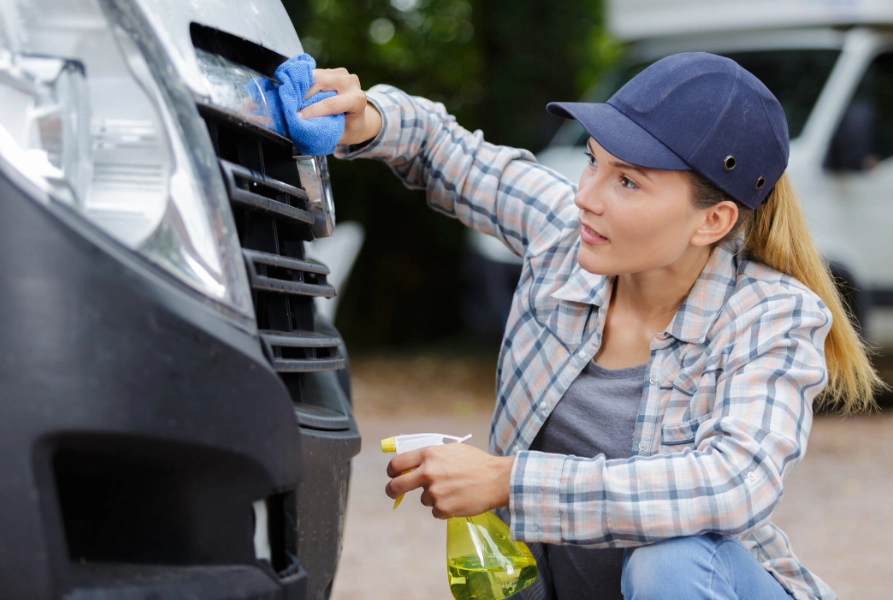
Your Car Care Questions Answered
 My tire pressure light is off, so my tires are fine, right?