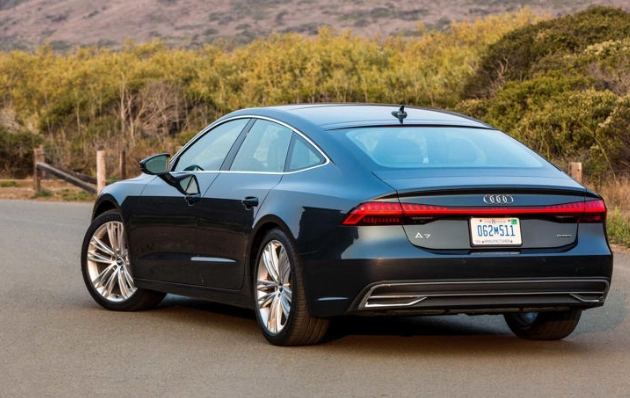
So you're thinking about modifying your car. Maybe you want it to sound meaner, handle tighter, or just stand out from the sea of commuter traffic. It's an exciting idea, but the world of car modifications is a deep rabbit hole. One wrong turn and you're staring at a broken part, a voided warranty, or a car that's actually worse to drive.
I've been tinkering with cars for over a decade, from simple bolt-ons to full engine builds. I've made the mistakes so you don't have to. This guide isn't about building a track monster. It's about smart, effective upgrades for your daily driver or weekend fun car that add real value without turning it into a project that never runs.
What’s Inside This Guide?
Performance Modifications: Where to Start
Everyone wants more power. But horsepower is expensive and often the last piece of the puzzle. A fast car in a straight line that can't turn or stop is useless—and dangerous. Let's build a foundation first.
Intake and Exhaust: The Usual Suspects
A cold air intake (CAI) and a cat-back exhaust are the gateway drugs. They're relatively simple, make great sounds, and promise power. The reality is nuanced.
A quality cold air intake does two things: it reduces intake air temperature and can improve airflow. On most modern cars, the stock airbox is already pretty good. You might gain 3-5 horsepower, but the whoosh and induction noise are the real rewards. Avoid the $50 eBay specials that just suck hot air from the engine bay.
Exhausts are similar. A cat-back system (everything from the catalytic converter back) changes the sound and can reduce backpressure. You might see 5-10 hp. The key is fitment and sound level. A cheap system drones on the highway, making long trips unbearable. Listen to sound clips of the exact system for your car model before buying.
The Game Changer: ECU Tuning
This is where real power lives, especially in turbocharged cars. Your Engine Control Unit (ECU) is the car's brain, managing fuel, air, and timing. A professional tune recalibrates these parameters.
For a turbo car like a Volkswagen GTI or Ford EcoBoost, a simple software flash from a company like APR or COBB can add 50-80 horsepower. It's the most cost-effective power mod you can do. For naturally aspirated cars, gains are smaller (10-20 hp) but still noticeable.
The catch? It can affect warranty and emissions compliance. Always use a reputable tuner.
Suspension and Handling
This is my favorite area to modify. A car that handles confidently is more fun on a back road than a powerful one that feels sloppy.
Tires are the #1 upgrade. Full stop. High-performance summer tires like the Michelin Pilot Sport 4S transform grip, braking, and cornering. They're more important than any sway bar or strut brace.
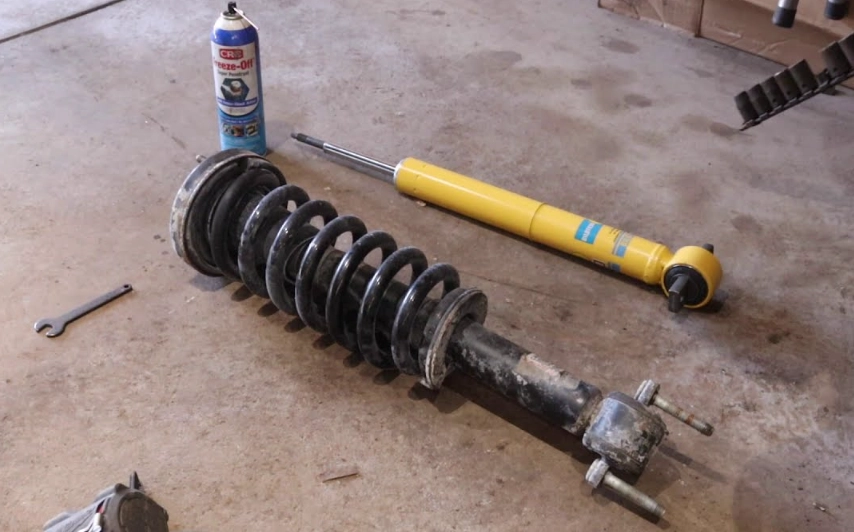
Next, consider lowering springs or coilovers. Springs are cheaper and lower the car's center of gravity, reducing body roll. Coilovers are adjustable for height and damping, allowing you to fine-tune the ride. I see people buy the cheapest coilovers and then complain about a bone-jarring ride. You get what you pay for.
Upgraded anti-roll bars (sway bars) reduce body lean in corners and can help rotate the car. It's a great supporting mod after tires and springs.
Cosmetic & Aesthetic Upgrades
Making your car look good is a huge part of the hobby. The goal is cohesion, not clutter.
Wheels: The single biggest visual change. When choosing new wheels, you need to know your bolt pattern, offset, and center bore. A slight drop in ride height paired with the right wheels completely changes a car's stance. Lightweight wheels also improve acceleration and handling (unsprung weight). Expect to pay $800-$2500 for a decent set with tires.
Wraps and Paint: A full vinyl wrap ($2,500-$5,000) can change your car's color while protecting the original paint. It's reversible. A quality paint job costs more. A cheap paint job or wrap looks terrible up close and devalues the car.
Body Kits and Lips: A subtle front lip or rear diffuser can add aggression. Full body kits are a commitment. Fitment is everything—cheap fiberglass kits never line up right. Stick to reputable brands or expect to pay a body shop for significant modification.
Functional & Comfort Modifications
These upgrades improve the experience behind the wheel.
Audio Systems: Even a modest speaker upgrade can dramatically improve sound quality. Adding a small subwoofer fills out the bass without being obnoxious. Crutchfield is an invaluable resource here for plug-and-play harnesses.
Lighting: Swapping halogen bulbs for quality LED or HID upgrades improves night visibility. Ensure they are properly aimed to not blind other drivers. Full headlight assembly swaps can modernize an older car's look.
Short Shifters & Shift Knobs: For manual transmission cars, a short shifter reduces throw length for crisper shifts. A weighted shift knob improves feel. It's a small, satisfying change.
The Real Cost and Investment
Let's talk numbers. Budget twice as much time and money as you initially think. Here’s a rough breakdown for common mods on a typical sport compact car (e.g., Honda Civic SI, Subaru WRX, VW GTI).
| Modification | Price Range (Parts Only) | Estimated Labor Cost | Realistic Outcome |
|---|---|---|---|
| Cold Air Intake | $200 - $800 | $0 - $150 (DIY-able) | Sound, slight throttle response |
| Cat-Back Exhaust | $500 - $1,500 | $150 - $300 | Sound, minor power, weight saving |
| ECU Tune (Stage 1) | $500 - $1,200 | $0 - $200 (flash) | Significant power/torque gain |
| Lowering Springs | $200 - $400 | $400 - $600 | Reduced body roll, improved look |
| Coilover Suspension | $800 - $2,500 | $500 - $800 | Adjustable height/handling |
| Wheel & Tire Set | $1,200 - $3,000+ | $100 (mount/balance) | Massive visual/handling change |
| Front Brake Pads/Rotors | $300 - $600 | $200 - $400 | Improved stopping power, less fade |
Remember, mods rarely increase resale value. At best, they make the car more attractive to a specific buyer. At worst, they scare people away. You do this for your own enjoyment, not as an investment.
Legality, Warranty, and Insurance Headaches
This is the boring but critical part most beginners ignore.
Legality: Emissions laws vary wildly. In the US, modifying your catalytic converter (“cat”) is a federal offense. Some states like California have strict visual and functional inspections (SMOG). A tune that turns off emissions monitors will cause you to fail. Check your local laws. In the EU and other regions, TÜV or similar approvals are required for many mods.
Warranty: The Magnuson-Moss Warranty Act in the US says a dealer can't void your warranty simply for having an aftermarket part. They must prove the part caused the failure. But if your tuned engine throws a rod, they have a strong case. It's a gray area that often leads to disputes.
Insurance: You must declare modifications to your insurer. Some companies offer "agreed value" policies for modified cars. If you don't declare mods and crash, they may refuse to cover the cost of those parts, or worse, deny the claim altogether. It might raise your premium, but it's not worth the risk.
Common Mistakes New Modders Make
I've made a few of these myself. Learn from us.
1. Chasing Peak Horsepower Numbers: Online forums are obsessed with dyno charts. Real-world driveability—where the power comes in, throttle response, smoothness—matters more. A lumpy, peaky 300 hp car is slower on the street than a smooth 280 hp car with a fat torque curve.
2. Ignoring the Supporting Cast: Adding big power without upgrading the clutch (manual), intercooler (turbo), or cooling system is asking for a breakdown. The weakest link will break.
3. Over-lowering the Car: Slamming a car on its frame looks cool in photos but destroys practicality. You'll scrape on every driveway, speed bump, and pothole. The suspension geometry goes out of whack, harming handling. A modest 1-1.5 inch drop is usually perfect.
4. Buying the Cheapest Parts: That $300 eBay turbo kit or no-name coilover will fail. It always does. Save up for quality parts from brands with proven reputations and good customer support. It's cheaper in the long run.
5. Not Planning a Coherent Build: Have a goal. Is it a comfortable daily with a bit more pep? A weekend canyon carver? A show car? Let that vision guide your purchases. Random mods create a disjointed, often compromised vehicle.
The best advice I can give is to mod slowly. Do one thing, live with it for a month, see how you like it. Then move to the next. It's a marathon, not a sprint.