That renewal notice from the DMV arrives, and right there in bold: "SMOG CERTIFICATION REQUIRED." If your heart sinks a little, you're not alone. For many drivers, the smog check feels like a mysterious, potentially expensive hurdle. I've been through it dozens of times, both as a car owner and from the other side of the counter. Let's clear the air—literally and figuratively. This isn't about scary government tests. It's about making sure your car runs cleanly and efficiently. And with the right know-how, passing is straightforward.
What’s Inside This Guide
- What Exactly Is a Smog Check (And Why Bother?)
- The Step-by-Step Smog Check Process Demystified
- How Much Does a Smog Check Really Cost?
- The Moment of Truth: What If Your Car Fails?
- How to Prepare Your Car and Pass the First Time
- A Real-World Scenario: Sarah's Smog Check Day
- Your Top Smog Check Questions, Answered
What Exactly Is a Smog Check (And Why Bother?)
A smog check is a vehicle emissions inspection. A certified technician hooks your car up to machines that measure the pollutants coming out of your tailpipe and checks that the engine's emissions control systems are working. The goal is simple: to reduce air pollution. According to the U.S. Environmental Protection Agency (EPA), mobile sources like cars and trucks are a major contributor to ground-level ozone and particulate matter.
Think of it like a doctor's check-up, but for your car's lungs. It's not trying to trick you. States with air quality problems, like California, New York, and parts of Texas, mandate these tests. If you live in a rural county with great air, you might never need one. Check your state's Department of Motor Vehicles (DMV) or environmental agency website to be sure.
The Step-by-Step Smog Check Process Demystified
You drive in, hand over your keys and registration, and wait. What's actually happening? For most modern cars (1996 and newer), it's a two-part check focused on the computer.
1. The Visual Inspection
The technician pops the hood. They're looking to see if any major emissions parts are missing, disconnected, or obviously tampered with. Is the catalytic converter there? Are the vacuum hoses connected? It's a basic safety and integrity check.
2. The Functional Tests
This is the core. For OBD-II (On-Board Diagnostics) cars, the technician plugs a scanner into the port under your dashboard (usually near the knee). The scanner talks to your car's computer. The computer is asked two main questions:
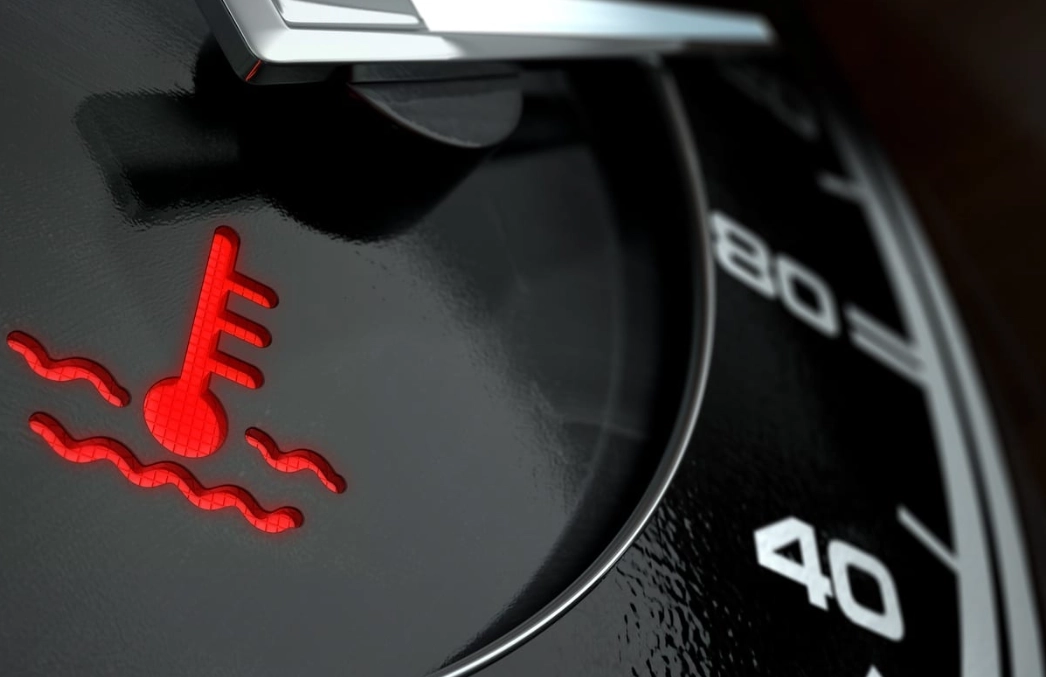
- Is the "Check Engine" light off? If it's on, it's an automatic fail. No further testing needed.
- Are all the emissions-related "readiness monitors" set? Your car's computer runs self-tests on systems like the catalytic converter and oxygen sensors. After you disconnect the battery or clear a trouble code, these monitors show "not ready." You need to drive a specific "drive cycle" to set them. If too many are not ready, you fail.
For older cars (pre-1996), they use a tailpipe probe to directly sample the exhaust gases while the car runs on a dynamometer (like a treadmill for cars).
How Much Does a Smog Check Really Cost?
This is the big question. The price isn't set by the state; it's set by the shop. And it varies wildly. Location, shop type, and vehicle type all play a role.
Here’s a breakdown of what influences the price:
| Factor | Typical Impact on Price | Why It Matters |
|---|---|---|
| Shop Type | Test-Only vs. Test & Repair | Test-Only stations (common in CA) only perform inspections. They often charge a flat, competitive rate. Repair shops may charge less for the test but require you to fix any failures there. |
| Vehicle Age & Type | $10 - $30+ difference | Older cars (pre-1996) requiring the tailpipe test are often more expensive. Diesel vehicles, hybrids, and large trucks also usually cost more. |
| Location | $15 - $25 difference | Shops in metropolitan areas or high-rent districts often charge more than those in suburban or industrial areas. |
| Coupons & Specials | Up to 20% off | Many shops run online coupons. Always search "smog check coupon [your city]" before you go. |
In California, for a standard 2008 Honda Civic at a Test-Only station, expect to pay between $50 and $90, before any coupons. In other states, prices can be lower, sometimes in the $20-$40 range. Always, always call and ask for the "cash price for a smog check" for your specific vehicle. Get a quote.
The Moment of Truth: What If Your Car Fails?
You get the printout. It says "FAIL." Don't panic. This is a diagnosis, not a death sentence. The report will list the specific reason(s).
The most common failure reasons form a sort of "Top 3" list:
- The "Check Engine" Light (MIL): The #1 cause. The light itself is a fail. You need a diagnostic scan to find the trouble code (e.g., P0420 for catalytic converter efficiency).
- Catalytic Converter Failure: An expensive one. The converter scrubs pollutants. If it's worn out, you'll see high hydrocarbon (HC) or nitrogen oxide (NOx) readings or get a P0420 code.
- Evaporative System Leak (EVAP): Often the cheapest fix. This system captures fuel vapors. A loose, cracked, or missing gas cap is a classic culprit (codes like P0455). A new cap might cost $15.
If repairs cost more than the car's value, some states offer consumer assistance programs for low-income households or outright retirement programs to scrap the car. The California Air Resources Board (CARB) website has details on such programs.
How to Prepare Your Car and Pass the First Time
A little prep goes a long way. Here’s what I do before every test:
- Drive the Car Hard for 20 Minutes Before the Test. Not dangerously, but get the engine fully hot. Take it on the freeway. A hot catalytic converter works best. This also helps ensure the computer's readiness monitors are set.
- Check That Gas Cap. Twist it until it clicks three times. If it's old or the seal looks cracked, just replace it. It's cheap insurance.
- Ensure Your "Check Engine" Light is Off. If it's on, you will fail. Address the problem first.
- Get an Oil Change? Maybe Not. Here's a non-consensus tip: Don't change your oil right before the test unless it's desperately needed. Fresh oil can temporarily contain fuel contaminants that evaporate during the test, potentially raising hydrocarbon readings. Do it a week or 100 miles before.
- Inflate Your Tires and Address Obvious Issues. A car that can't run smoothly on the dynamometer (for older models) will have a harder time. Make sure it's in basic mechanical health.
A Real-World Scenario: Sarah's Smog Check Day
Let's make this concrete. Sarah has a 2012 Toyota Camry. Her registration is due next month. She gets online and searches "smog check near me open now." She finds three stations within 2 miles, checks Google reviews, and sees one has a coupon on Yelp for $10 off. She calls to confirm the price: $64.95 for her car, less the coupon. Price locked in.
On test day, she fills her tank halfway (a full tank can sometimes affect EVAP system tests) and takes the car on a 20-minute drive on the highway. She arrives, hands over her keys and registration. The process takes about 20 minutes. The technician checks under the hood, plugs in the scanner, and confirms the monitors are ready and no codes are present. Sarah pays $54.95 with the coupon, gets her certificate, and submits it online with her registration renewal. Done.
If she had a 1994 Camry, the process would involve the tailpipe probe and the dynamometer, taking a bit longer and costing maybe $20 more. But the prep would be similar.
Your Top Smog Check Questions, Answered
The smog check doesn't have to be a source of anxiety. It's a routine maintenance checkpoint. By understanding what happens, preparing your vehicle, and choosing your station wisely, you can turn it from a dreaded chore into a simple errand. Keep your car well-maintained, and it'll likely pass with ease, saving you money and helping everyone breathe a little easier.