That little orange or yellow icon shaped like an engine just lit up on your dashboard. Your stomach drops. Is the car about to die? Is this a $100 fix or a $1,000 nightmare? I've been there, both as a driver and later, talking to mechanics for years. The most common mistake isn't ignoring it—it's reacting with pure panic or wishful thinking. Let's cut through the noise. This isn't just a list of possible causes; it's a prioritized action plan based on what that light is actually telling you.
Your Quick Action Plan
Step 1: The 60-Second Safe Stop Assessment (Don't Just Keep Driving)
First, look at how the light is behaving. This is more important than most people realize.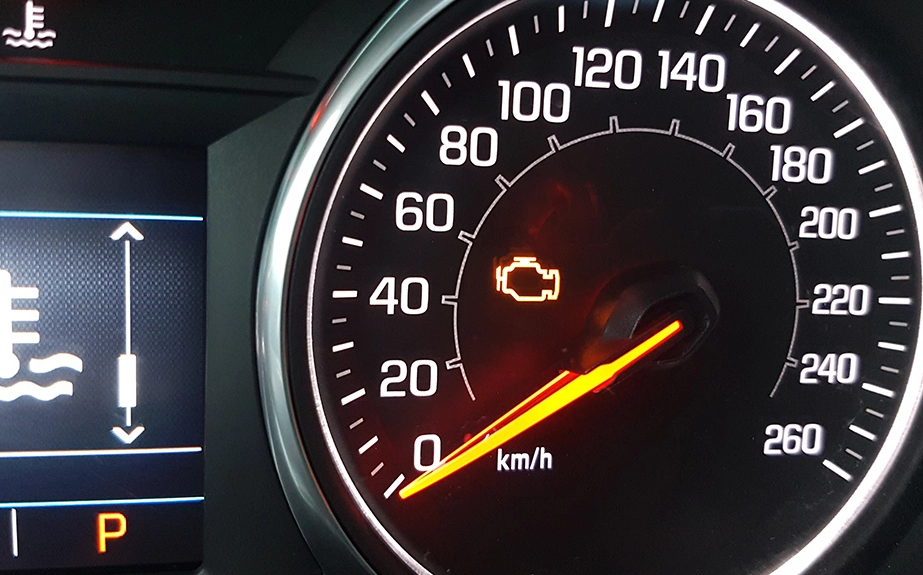
STEADY (Solid) Light: This is a "Check Soon" warning. The problem is logged but may not be an immediate threat to drivability. You likely have some time to diagnose. But “some time” doesn't mean weeks.
What to Do in the Next 5 Minutes
Pull over safely when you can. Don't pop the hood and stare if you don't know what you're looking for. Instead, do this:
- Listen and Feel: Is the engine running roughly? Is there a loss of power? Any new noises or smells (especially sweet coolant or raw gasoline)?
- The Gas Cap Test: I know, it sounds too simple. But a loose, cracked, or faulty gas cap is one of the top causes. It messes with the fuel system's evaporative emissions control. Turn the car off, get out, and tighten the cap until it clicks three times. If it's damaged, a replacement is under $20.
- Basic Visual: Open the hood. Look for anything obvious and disconnected. Check if the oil level is dangerously low (this can trigger a light).
If the car drives normally and the light is steady, it's probably okay to drive home or to a parts store for the next step. If anything feels off—rough idle, stuttering—drive with extra caution.
Step 2: How to Diagnose It Yourself (Beyond Guessing)
This is where you move from panic to information. You need to read the trouble code. For this, you need an OBD2 scanner.
Every car made since 1996 has a standardized OBD2 port, usually under the dashboard near the driver's knees. A basic scanner costs between $30 and $100 and is the best investment for any car owner. The days of relying solely on a mechanic to tell you "the computer says it's the oxygen sensor" are over.
Why the Generic Code Isn't the Full Story
Here's the expert nuance most DIY guides miss: A code tells you the symptom the computer sees, not the definitive root cause. P0420 (catalyst efficiency) is a classic. The mechanic's computer might say "replace catalytic converter." But that code is often triggered by a failing upstream oxygen sensor or even an engine misfire (code P0300 series) dumping unburned fuel into the hot converter. Replacing the $1,000 converter without checking the $80 sensor or fixing the misfire is a tragic waste.
Use the code as a search term. Look it up on reputable automotive forums or the National Institute for Automotive Service Excellence (ASE) website for technical bulletins. This gives you context before you talk to a mechanic.
Step 3: Understanding Severity: What Your Code Really Means
Not all codes are created equal. Here’s a breakdown of common code categories and their typical urgency and cost range. Remember, labor rates vary wildly by location.
| Trouble Code Category | Common Examples | What It Often Means | Typical Urgency | Potential Repair Cost Range |
|---|---|---|---|---|
| Emissions / Fuel System | P0440, P0455 (Evap System) | Loose gas cap, leaking vapor line, faulty purge valve. | Low (but will fail emissions test) | $20 (cap) - $400 |
| Engine Misfire | P0300, P0304 (Cylinder 4) | Bad spark plug, ignition coil, fuel injector, or internal engine issue. | Medium to High (can damage converter) | $150 - $1,000+ |
| Oxygen Sensor | P0135, P0141 (Heater Circuit) | Failing O2 sensor, wiring issue. Affects fuel trim and emissions. | Medium | $200 - $500 |
| Catalyst Efficiency | P0420, P0430 | Failing catalytic converter (but rule out O2 sensors first!). | Medium (fails emissions) | $800 - $2,500 |
| Mass Airflow Sensor | P0101, P0102 | Dirty or failed MAF sensor. Causes poor drivability and MPG. | Medium | $200 - $400 |
See the pattern? A code points to a system. Your job, or the mechanic's, is to test components within that system to find the actual failed part. This is called "diagnostic time," and paying for it is better than paying for a wrong part.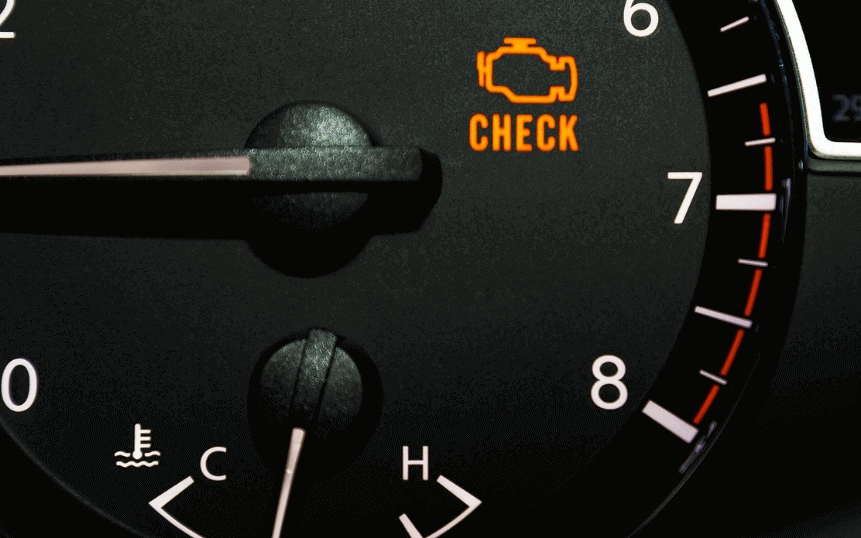
Step 4: Taking It to a Shop & Communicating Like a Pro
If you're not doing the repair yourself, how you approach the shop changes everything. Walking in and saying "my check engine light is on" invites a generic, potentially upsold service.
Walk in with this: "Hi, my check engine light is on. I scanned it and got code P0304. The car idles rough, especially when cold. I've checked the gas cap and it's tight. Can you diagnose the cause of the misfire on cylinder 4?"
This tells them you're informed. You've given them the code, the symptom, and ruled out the simple stuff. You're asking for diagnosis, not just a code read and a guess. It focuses their work.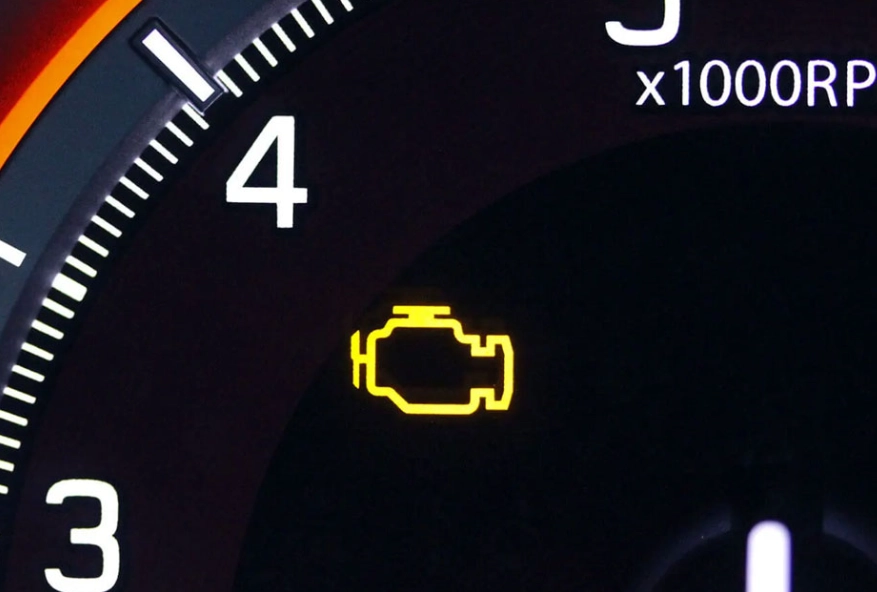
What to Ask When You Get the Estimate
- "Can you explain how you isolated the problem to this specific part?" (They should mention live data readings, swap tests, etc.).
- "Is this the only possible cause for this code/symptom? What did you rule out?"
- "What happens if we only do this repair and the light comes back?" (A reputable shop will stand by their diagnosis).
Get a written estimate that separates diagnostic fee from parts and repair labor. Many shops apply the diagnostic fee to the repair if you choose to have it done with them.
Consider getting a second opinion for repairs quoted over $500, especially if it's a major component like a transmission or catalytic converter. Cite specific research, like a Technical Service Bulletin (TSB) from the NHTSA website for your car's make/model.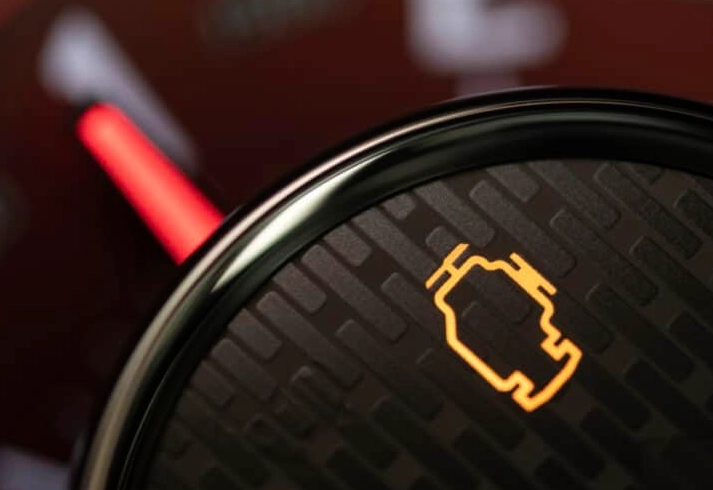
Your Burning Check Engine Light Questions, Answered
Can I just disconnect the battery to reset the light and see if it comes back?
The light is on but my car seems to run perfectly fine. Is it safe to ignore?
Auto parts stores offer free code reading. Is that good enough?
My check engine light came on right after I got gas. What gives?
How much should just diagnosing the problem cost at a shop?