In This Guide
- Your Health Takes the First Hit
- Your Car's Comfort Systems Suffer (And Your Wallet Feels It)
- The Unignorable Signs: How You Know It's Time
- How Often Should You Actually Change It?
- Changing the Filter: It's Easier Than You Think (Usually)
- Common Questions (And Straight Answers)
- Final Take: Don't Overthink It, Just Do It
Okay, let's talk about that thing in your car you probably forget exists. The cabin air filter. It's tucked away behind the glove box or under the dashboard, silently doing its job. Until it stops.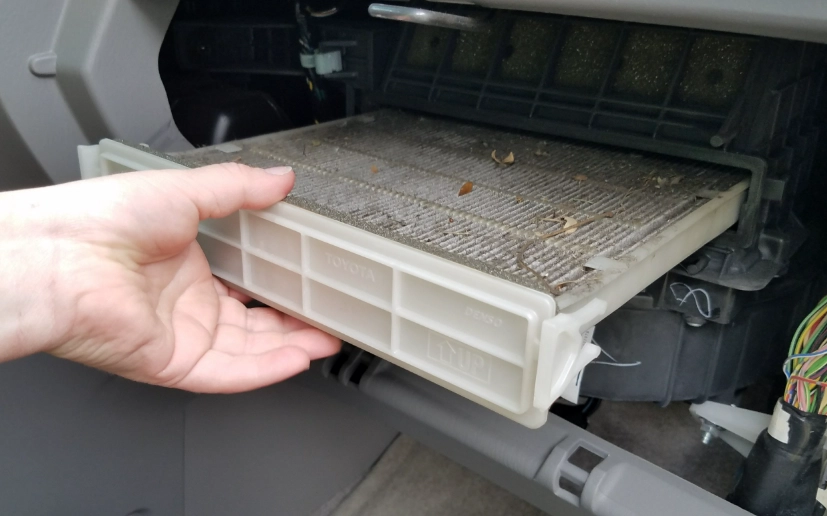
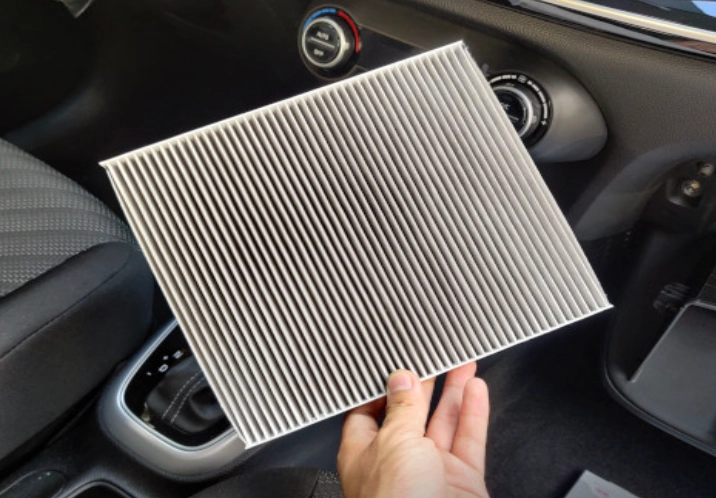
I'll be honest, I used to be the guy who ignored it. My old car's maintenance schedule? More of a loose guideline. I only thought about the cabin air filter when the air coming from the vents started smelling a bit... funky. Like damp socks and old leaves had a party. That was my wake-up call. The mechanic showed me the old filter, and it was a horror show of dirt, pollen, and what looked like a small ecosystem. Not good.
So, what really happens if you don't change your cabin air filter? It's not just a "maybe you should" item. Neglecting it sets off a chain reaction of problems that hit your health, your comfort, your car's systems, and your wallet. Let's break down the messy, smelly, and sometimes expensive consequences.
Bottom Line Up Front: A clogged cabin air filter can't clean the air you breathe. It turns your car's interior into a box of circulating pollutants, strains your AC and heating system, and can lead to musty odors and even windshield fogging issues. Changing it is one of the easiest and cheapest forms of preventative maintenance you can do.
Your Health Takes the First Hit
This is the big one for me. You're sealed in that cabin, breathing recirculated air for minutes or hours. The filter is the only barrier between your lungs and the outside gunk. When it's full, it's not a barrier anymore; it's part of the problem.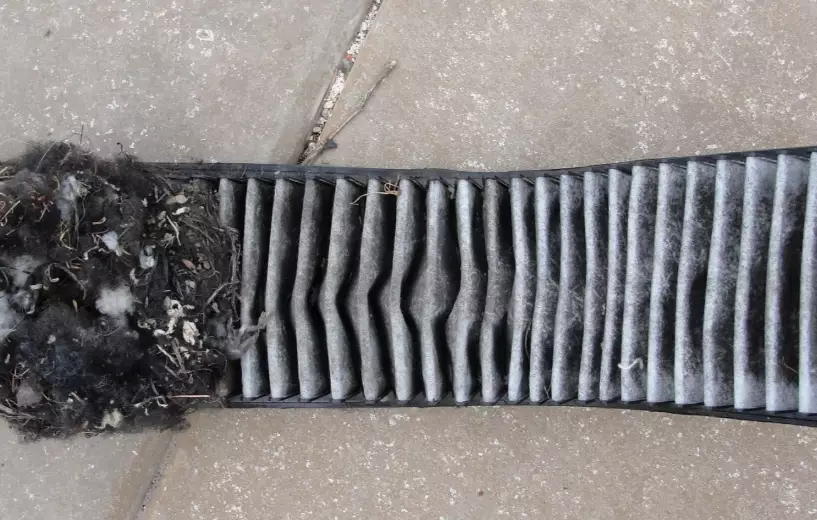
Allergy and Asthma Triggers Go Wild
A clean filter traps pollen, dust, and mold spores. A dirty one? It's saturated. It can't hold any more. So those allergens blow right into the cabin. If you or your passengers suffer from seasonal allergies, you might notice symptoms getting worse during drives. Sneezing, itchy eyes, a runny nose – your car ride could be the culprit. For asthma sufferers, this influx of irritants can be a genuine trigger. The EPA discusses the importance of indoor air filtration, and your car's cabin is a very small, enclosed indoor space. The principle is the same.
I remember giving a friend with hay fever a ride during spring. They were miserable within ten minutes. I felt terrible, and only later connected the dots to my ancient filter.
Bacteria, Mold, and Unpleasant Odors Move In
Moisture gets trapped in the filter material. Dirt + moisture = a perfect breeding ground for mold and bacteria. That's where that musty, sour smell comes from when you first turn on the AC or heat. You're literally blowing micro-organisms around. Breathing in mold spores can cause respiratory irritation, headaches, and fatigue for some people. It's just not a healthy environment.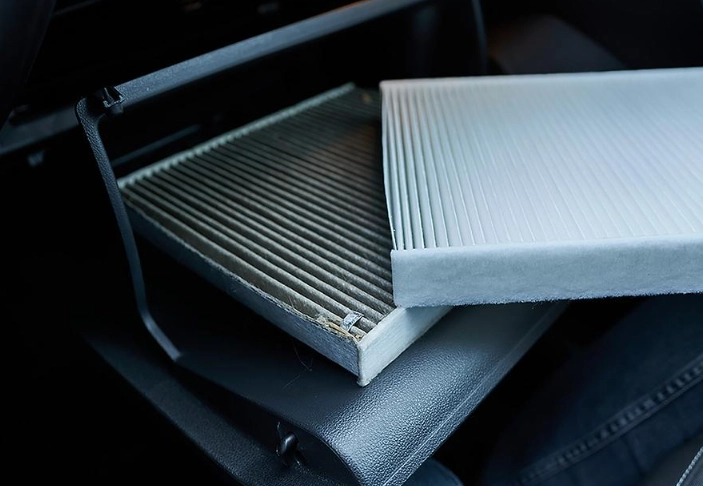
Reduced Airflow and Stale Air
As the filter clogs, less air can physically pass through it. This means your fan has to work harder to push air, often unsuccessfully. The result? Weak airflow from the vents, even on the highest setting. The air in the cabin feels stagnant, heavy, and stuffy. It's uncomfortable and can make drivers drowsy.
Your Car's Comfort Systems Suffer (And Your Wallet Feels It)
It's not just about air quality. A restricted filter puts a strain on your car's HVAC (Heating, Ventilation, and Air Conditioning) system. This is where small neglect can lead to bigger repair bills.
AC Performance Plummets
Your air conditioner needs good airflow over its evaporator coil to cool effectively. If the fan can't pull enough air through the clogged filter, the cooling power drops. You'll crank the AC, but the air won't get as cold as it should. The system has to work longer and harder to reach the temperature you set, putting extra load on the compressor and other components. Over time, this extra strain can lead to premature wear or failure – and AC repairs are not cheap.
Defrosting and Defogging Become a Struggle
Clear visibility is safety. Your defroster works by blowing warm, dry air across the windshield to evaporate moisture. Weak airflow from a bad filter means it takes much longer to clear your windshield on a cold, humid morning. That's a genuine safety hazard. The National Highway Traffic Safety Administration (NHTSA) emphasizes visibility as a key safety factor. A simple filter can impact that.
Increased Fan Motor Wear and Noise
The blower motor is the fan that pushes the air. Fighting against a clogged filter is like trying to breathe through a thick blanket. The motor draws more power, runs hotter, and can wear out faster. Sometimes, you might even hear it whining or straining, especially on higher speeds. Replacing a blower motor is a more involved and costly job than swapping a $20 filter.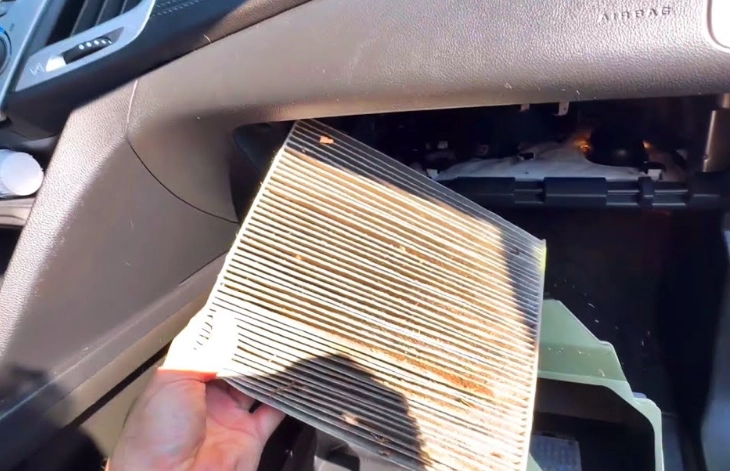
A Costly Cascade: Ignoring a $20-40 filter can stress the blower motor resistor, the fan motor itself, and the AC compressor. Replacing any one of those parts costs many times more than a decade's worth of filters.
The Unignorable Signs: How You Know It's Time
You don't need to wait for a mechanic's invoice. Your car will tell you. Here are the top symptoms screaming "change your cabin air filter!"
- Reduced Airflow: The fan is on high, but it feels like a gentle breeze. This is often the first noticeable sign.
- Persistent Musty or Moldy Odors: A sour smell when you turn on the AC or heat is a dead giveaway. Sometimes the smell lingers all the time.
- Increased Dust on the Dashboard: Notice a fine layer of dust settling inside your car quickly after cleaning? The filter isn't trapping it anymore.
- Whistling or Unusual Noises from the dash when the fan is running.
- Poor Cooling or Heating Performance: The system runs but can't seem to reach or maintain a comfortable temperature.
- Excessive Window Fogging: The windows fog up easily and the defroster is slow to clear them.
If you're experiencing even two of these, it's time to check the filter. Honestly, just check it annually. It takes 5 minutes in most cars.
How Often Should You Actually Change It?
Forget the old "every 15,000-30,000 miles" rule. That's too vague. It depends entirely on where you drive.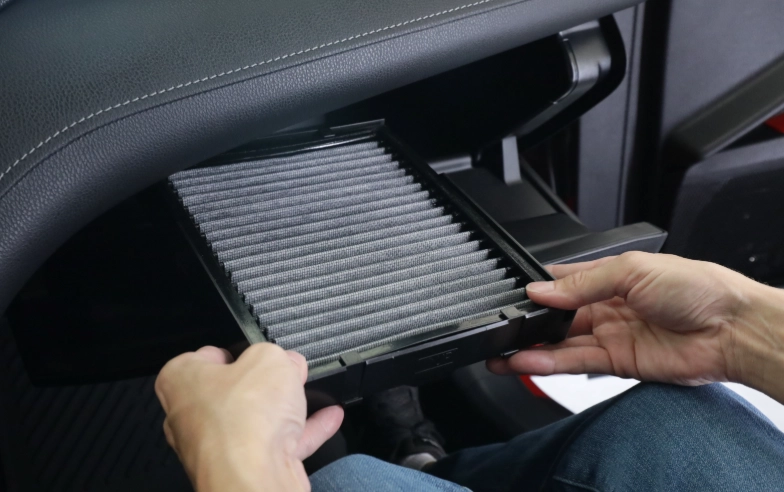
| Your Driving Environment | Recommended Change Interval | Why It's Different |
|---|---|---|
| City & Suburban (Average) | Every 12-15 months or 12,000-15,000 miles | Moderate exposure to dust, pollen, and general pollution. |
| Dusty, Rural, or Dry Climates | Every 6-12 months or sooner | Constant high levels of dust and fine particulate matter clog the filter rapidly. |
| Heavy Traffic & Urban Pollution | Every 12 months | High concentration of soot, brake dust, and exhaust fumes. |
| High-Pollen Areas (Allergy Zones) | Before and after pollen season (2x/year) | Critical for allergy sufferers. A fresh filter before peak season is a game-changer. |
| Humid Coastal Regions | Every 12 months | Moisture promotes mold growth in the filter material itself. |
My personal rule? Once a year, in the spring. It handles the winter gunk and is fresh for pollen season. It's easy to remember.
My Mistake: I once went nearly three years without changing it in a dusty area. When I finally did, the airflow improvement was shocking. I hadn't even realized how bad it had gotten gradually. The new filter felt like a new car's AC system.
Changing the Filter: It's Easier Than You Think (Usually)
This is the good news. For about 80% of cars on the road, replacing the cabin air filter is a 10-minute, no-tools job. You can save $50-$100 on labor.
Here’s the universal process:
- Locate it: Most are behind the glove box. Open the glove box, squeeze the sides to let it drop down, and you'll see a rectangular cover. Some are under the hood, near the base of the windshield. Check your owner's manual.
- Open the housing: Usually a matter of unclipping a cover or removing a few screws.
- Remove the old filter: Take note of the direction of the airflow arrows on the old filter. This is crucial.
- Clean the slot: Use a vacuum hose to suck out any loose debris in the housing.
- Insert the new filter: Make sure the airflow arrows point the same direction as the old one.
- Close up: Re-secure the cover and reinstall the glove box.
Buy a quality filter from a reputable brand (like Fram, Bosch, or OEM). The cheap no-name filters sometimes use flimsy material that doesn't filter well or collapses.
Pro Tip: Take a picture of the old filter's orientation with your phone before you pull it out. Foolproof.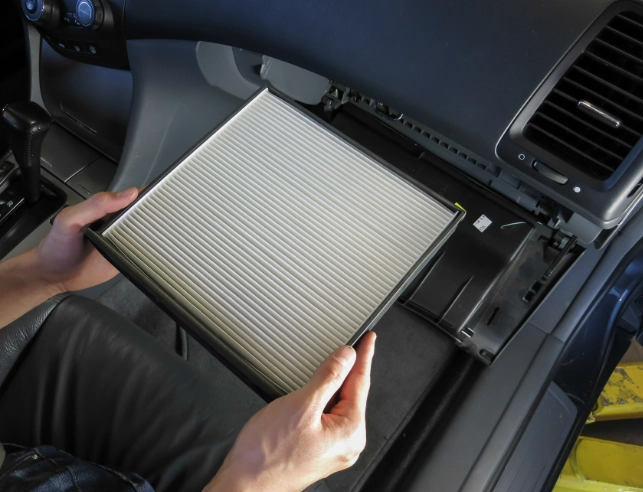
Common Questions (And Straight Answers)
Final Take: Don't Overthink It, Just Do It
Look, car maintenance has a lot of intimidating items. This isn't one of them. What happens if you don't change cabin air filter? You get worse air, a less comfortable car, and risk a bigger bill down the line.
It's the lowest-hanging fruit of car care. It's cheap, fast, and the payoff in air quality and system performance is immediate. Check your filter next time you're filling up with gas or getting an oil change. If it looks dirty, swap it. Your lungs, your nose, and your car's HVAC system will thank you.
Seriously, after I changed mine that first time, I made it a habit. Now I just add a filter to my online cart when I buy my annual wiper blades. It's that simple. Don't let a little forgotten filter become a big headache.