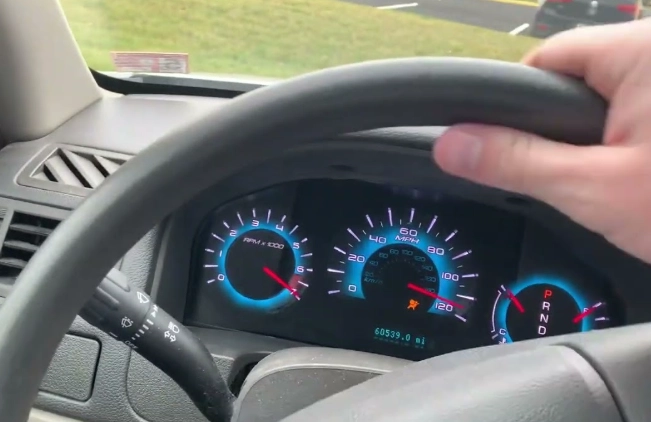
That moment your dashboard lights up like a Christmas tree and the engine sputters to a stop isn't just inconvenient—it's a loud, expensive signal your alternator has likely quit. I've been there, stranded in a parking lot with a dead battery that I'd just replaced. The real culprit was a failing alternator all along. This guide cuts through the confusion. We'll cover how to know for sure if it's the alternator, walk you through the repair if you're handy, break down the real costs, and tell you exactly when to hand the job to a professional.
What You'll Learn in This Guide
How to Know It's Really the Alternator (And Not Just the Battery)
Misdiagnosis here wastes money. A new battery won't fix a bad alternator. Let's look at the signs.
Your car gives you clues. The most obvious is the battery warning light on the dash. It doesn't mean the battery is bad—it means the charging system voltage is out of spec. If that light is on, your alternator is a prime suspect.
The Telltale Signs You Can't Ignore
Listen and look. A failing alternator often whines or grinds, especially under load (like when you turn on the AC and headlights). The sound comes from worn bearings inside the unit.
Electrical gremlins are a huge red flag. Headlights that dim at idle and brighten when you rev the engine? That's the alternator struggling to maintain voltage. Power windows moving slower than usual, a radio that resets, or flickering interior lights all point to inconsistent power supply.
The ultimate test: the car dies after a jump start. If you get a jump, the car runs for a few minutes, then dies again once the jumper cables are removed, the alternator isn't replenishing the battery. It's running solely on the battery's stored charge, which depletes fast.
DIY Alternator Repair: A Step-by-Step Walkthrough
If you're comfortable with basic tools, replacing an alternator is a very achievable weekend project. The complexity varies wildly by car. In some front-wheel-drive cars, it's right on top. In others, it's buried under the AC compressor. Research your specific model first.
Here’s the universal process. I learned the hard way on my old truck—skipping step one cost me a melted wrench.
Gather Your Tools: You'll need socket wrenches, extensions, a serpentine belt tool (or a long wrench), and possibly a pry bar. A repair manual for your car (like from Chilton or Haynes) or a reliable online video is worth its weight in gold.
Step 1: Access and Loosen the Belt. Find the alternator. The serpentine belt drives it. You'll need to relieve tension on the belt tensioner. There's usually a square hole for a breaker bar or a specific bolt to turn. Rotate the tensioner to slacken the belt and slip it off the alternator pulley.
Step 2: Disconnect the Wires. The alternator has two connections: a large power wire (usually with a red boot) bolted directly to the back, and a smaller multi-pin electrical connector. Unbolt the power wire (remember, battery is disconnected!). Then press the clip and unplug the electrical connector.
Step 3: Remove the Mounting Bolts. The alternator is held by two or three bolts. One is usually an adjustment bolt for belt tension. Support the alternator with one hand, remove all bolts, and note where any brackets or spacers go.
Step 4: Install the New (or Rebuilt) Unit. Reverse the removal process. Hand-tighten the mounting bolts first. Reconnect the electrical plug and the large power wire. Then route the serpentine belt back onto the pulley. Use the tensioner to get the belt on. A rule of thumb: you should only be able to twist the belt about 90 degrees on its longest run.
Step 5: Reconnect Battery and Test. Reconnect the negative battery terminal. Start the car. The dashboard warning light should go out after a few seconds. Now use your multimeter again at the battery to confirm a steady 14-ish volts.
Alternator Repair Cost: DIY vs. Professional Service
Money talks. Here’s what you're really looking at. The biggest variable is the part itself and the labor accessibility on your car.
| Option | Part Cost (Avg.) | Labor Cost (Avg.) | Total Estimate | Pros & Cons |
|---|---|---|---|---|
| DIY with New Part | $150 - $400 | $0 (Your Time) | $150 - $400 | Pro: Lowest cost, learning experience. Con: Your time, risk of error, no warranty on labor. |
| DIY with Remanufactured Part | $80 - $250 | $0 (Your Time) | $80 - $250 | Pro: Very budget-friendly. Con: Quality can vary. Stick with brands like Bosch, Denso, or reputable auto parts store brands. |
| Professional Repair (Indy Shop) | $150 - $400 | $150 - $300 | $300 - $700 | Pro: Warranty on part & labor, done quickly. Con: Highest cash outlay. |
| Professional Repair (Dealer) | $300 - $600+ | $200 - $500+ | $500 - $1100+ | Pro: OEM part, technician specialization. Con: Most expensive option by far. |
A quick note on parts: A remanufactured alternator from a trusted source is often the sweet spot. It has a new voltage regulator, brushes, and bearings, and is tested to meet original specs. It's more reliable than a dubious "new" unit from an unknown brand.
When You Absolutely Should Call a Professional
I love DIY, but some jobs scream for a pro. Be honest with yourself about your skill level and tools.
If your car is a modern, compact transverse-engine vehicle (think most Hondas, Toyotas, Fords), the alternator is frequently tucked underneath other components. If the service manual shows you need to remove the motor mount and jack up the engine just to get access, that's a sign. The labor time and special tools required make the shop's quote start to look reasonable.
If your diagnostic steps point to an intermittent or complex electrical fault—maybe the alternator is charging but overcharging, or there's a parasitic drain elsewhere—a professional mechanic with a advanced scan tool and amp clamp can diagnose it in minutes, saving you hours of frustration.
Finally, if you simply don't have a safe, flat place to work, or you rely on this car to get to work tomorrow, paying for the convenience and speed of a professional repair is a valid and smart choice.
Common Mistakes & Pro Tips from the Garage
After years of fixing my own cars and watching others, I've seen the same errors repeatedly.
Mistake 1: Not Testing the Battery First. A weak or dead battery can overwork and kill a good alternator. Always load-test your battery (most auto parts stores do this free) when dealing with charging issues. If the battery is over 4-5 years old, replace it along with the alternator. It's cheap insurance.
Mistake 2: Ignoring the Serpentine Belt and Tensioner. A glazed, cracked, or loose belt can cause slippage, making it seem like the alternator is failing. A weak tensioner does the same. While you have it off, inspect it. If it's worn, replace it. A $30 belt now prevents a comeback.
Pro Tip: The Bench Test. Before you install that shiny remanufactured unit, take it to the parts store and ask them to bench-test it. I've had "new" ones fail right out of the box. This five-minute check saves a full re-do of the job.
Pro Tip: Clean the Connections. Before hooking up the new alternator, take a wire brush and clean the battery terminals and the lugs on the big power cable. Corrosion creates resistance, which can lead to undercharging. A dab of dielectric grease on the multi-pin connector keeps moisture out.
The goal isn't just to swap a part. It's to restore a reliable charging system. Taking those extra steps makes the difference between a repair that lasts six months and one that lasts six years.
Your Alternator Repair Questions Answered
What are the most reliable signs my alternator needs repair, not just the battery?
Dimming headlights when you rev the engine is a classic, telltale sign. A dead battery right after a jump start points to the alternator not recharging it. Listen for a grinding or whining noise from the engine bay; that's often the alternator bearings. A dashboard battery light that stays on is a direct command from your car's computer. If you have a multimeter, a healthy alternator should output between 13.8 and 14.4 volts with the engine running.
Is it ever worth repairing an alternator, or should I always replace it?
Repair is viable for specific, simple failures. If it's just worn-out carbon brushes (a $15 part), swapping them can buy you years. Replacing a bad voltage regulator (often integrated) is another common fix. However, if the stator windings are fried, the rotor bearings are shot, or the housing is damaged, a full replacement is almost always more cost-effective and reliable. For older, high-mileage cars, a quality remanufactured unit is usually the smartest long-term play.
What's the one safety mistake people make during DIY alternator repair?
Not disconnecting the negative battery terminal first. I've seen sparks fly and modules get fried. The alternator is connected directly to the battery. Even with the key off, there's live current. Always disconnect the negative cable, tuck it away from the terminal, and wait 10 minutes for systems to power down. This protects you, your tools, and your car's sensitive electronics.
Can extreme cold or heat cause alternator failure?
Absolutely. Heat is the bigger killer. The alternator sits by the engine, soaking in underhood temperatures that can exceed 200°F. This cooks the internal diodes and weakens solder joints over time. In extreme cold, a weak battery forces the alternator to work at maximum output constantly to try and recharge it, leading to overheating and premature failure. Seasonal temperature swings are a major stress test for your charging system.
Whether you tackle the job yourself or write the check to a mechanic, understanding the what, why, and how of alternator repair puts you in control. You can diagnose the problem accurately, ask the right questions, and make a decision that makes sense for your wallet and your vehicle. Start with the multimeter test—it's the truth-teller that separates guesswork from a real fix.