That little orange or yellow icon shaped like an engine just lit up on your dashboard. Your stomach drops. Visions of massive repair bills flash before your eyes. Stop right there. The absolute first thing to check when the check engine light comes on isn't under the hood, and it doesn't require any tools. It's your own reaction. Don't panic. I've seen too many people make a costly, rushed decision in this moment. Take a breath. This light is a messenger, not a death sentence. Your immediate next steps will determine whether this is a simple $0 fix or a sign of something serious.
Your Quick Action Guide
- Step One: The 10-Second Immediate Assessment
- Why This Check is Your Critical First Move
- The Gas Cap Check: The Most Overlooked First Fix
- Reading the Codes: What Your Car is Actually Saying
- Your Symptom-Based Action Plan
- The One Expensive Mistake Nearly Every Driver Makes
- Your Check Engine Light Questions, Answered
Step One: The 10-Second Immediate Assessment
Before you touch anything, perform this immediate safety and symptom check. Pull over safely if you're driving, or if you're parked, just stay put for a second.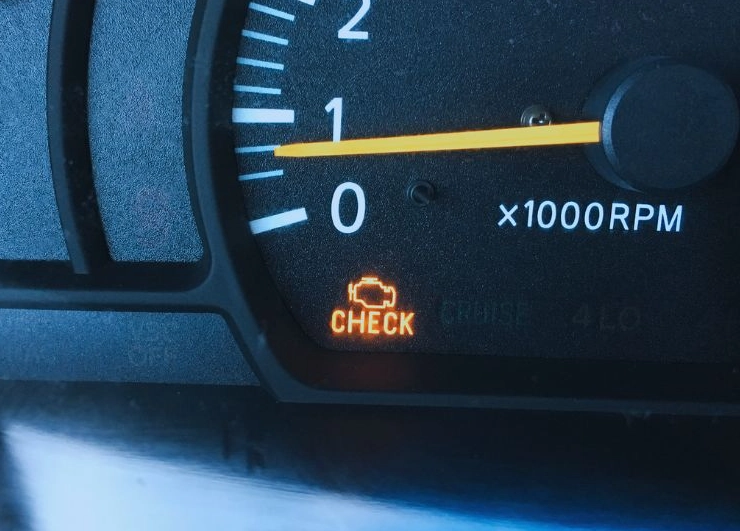
CRITICAL: If the check engine light is FLASHING, or if you see ANY of these red warning lights alongside it, stop driving immediately:
Oil Pressure Warning (oil can icon), Engine Temperature Warning (thermometer icon), or Red Battery Light. A flashing check engine light combined with noticeable shaking or loss of power means there's an active misfire that can damage your catalytic converter—a very expensive part. In these cases, the first thing is to safely stop and call for a tow.
If the light is steadily illuminated (not flashing) and no other critical warnings are present, proceed with this assessment:
- Listen and Feel: Is the engine running roughly? Is there a noticeable vibration, stumble, or loss of power you didn't have before the light came on?
- Look at Other Lights: Are any other amber/yellow warning lights on, like the ESP/TC light or a service reminder? This can point to related systems.
- Recall Recent Events: Did you just fill up with gas? Have you recently had a battery disconnected or maintenance done? Context matters hugely.
This 10-second check gives you the initial triage information. No symptoms? That's good news. It often points to an emissions-related fault that may not be urgent. Noticeable symptoms? You'll need to be more cautious and act sooner.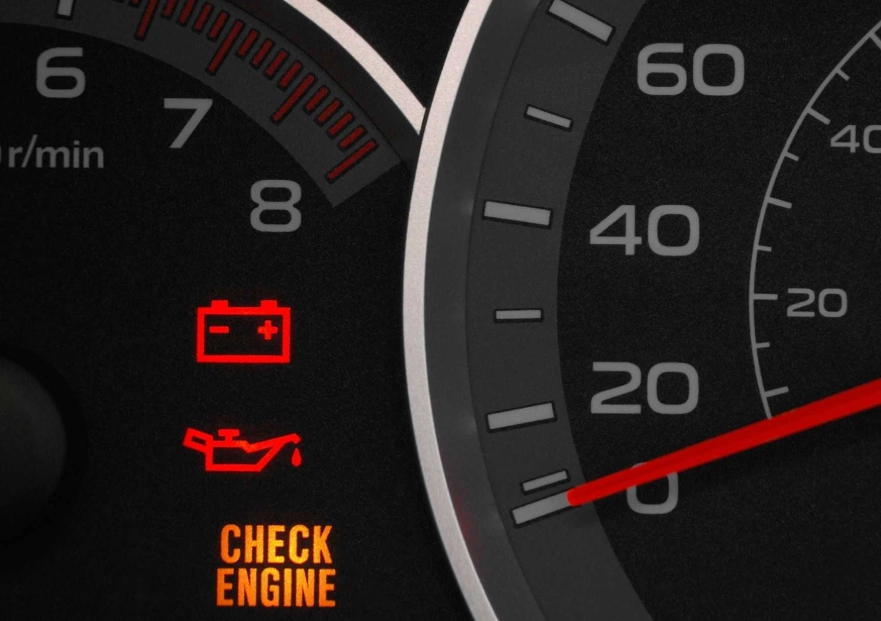
Why This Check is Your Critical First Move
Jumping straight for an OBD-II scanner or popping the hood is what everyone thinks they should do. It's not wrong, but it's not the first priority. The Malfunction Indicator Lamp (MIL)—the official name for the check engine light—is part of your car's onboard diagnostics (OBD-II) system, mandated for all vehicles since 1996. Its primary job is to monitor emissions systems. According to the Environmental Protection Agency (EPA), the system must detect failures that would cause emissions to exceed federal standards by 1.5 times.
So, the light turning on means the car's computer has seen a parameter outside its expected range for two consecutive drive cycles. It could be a failing oxygen sensor, a loose wire, or a leak in the evaporative emissions system. Or, it could be a catastrophic failure. Your immediate sensory check—listening for misfires, checking for overheating warnings—is the fastest way to distinguish between "schedule a scan" and "call a tow truck." It's the human diagnostic that no scanner can replicate.
The Gas Cap Check: The Most Overlooked First Fix
Now, for the actual first physical thing to check. It sounds too simple to be true, but a loose, damaged, or missing gas cap is one of the top five reasons for a check engine light, according to repair order data. The fuel system is designed to be sealed. A broken seal triggers a "small evaporative leak" code (often P0455 or P0457).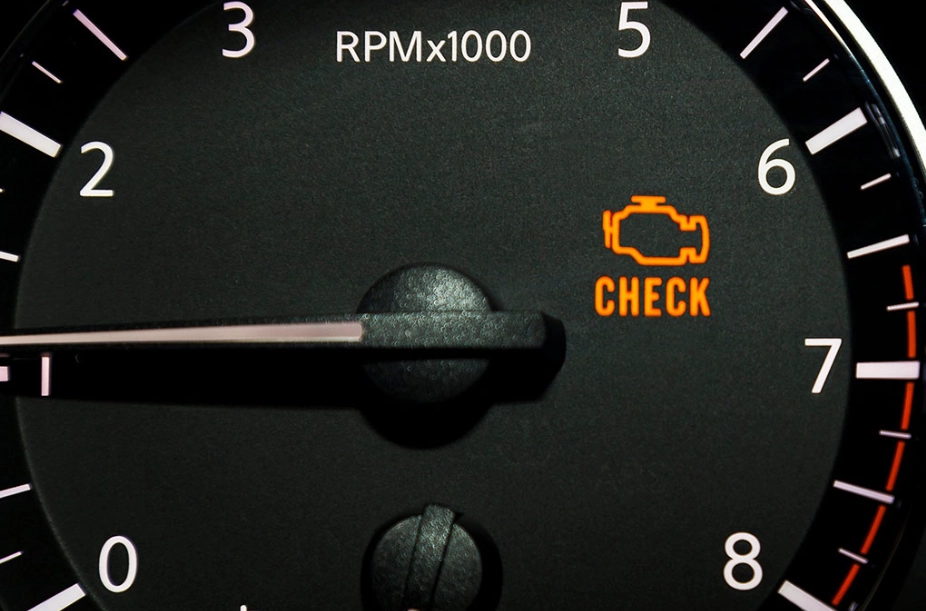
How to Properly Check and Fix the Gas Cap:
1. Turn the cap until you hear multiple clicks. Don't just stop at the first click.
2. Inspect the rubber O-ring gasket for cracks, dryness, or damage.
3. If the cap is missing, get a new one from an auto parts store—make sure it's the correct one for your make/model.
A proper seal can take several drive cycles (cold start to warm-up, then off) for the light to turn off on its own. You can also clear the code with a scanner after tightening it.
I once helped a neighbor who was quoted $400 for an "evap system diagnosis." The mechanic hadn't even mentioned the gas cap. We tightened it, used my basic scanner to clear the code, and the light never came back. That's a $400 save for 30 seconds of work.
Reading the Codes: What Your Car is Actually Saying
After the immediate safety and gas cap check, the next logical step is to read the diagnostic trouble codes (DTCs). This is where an OBD-II scanner becomes essential. You don't need a fancy $500 professional tool. A $30 Bluetooth scanner that pairs with your phone (like those from brands like FIXD or BlueDriver) works perfectly for this.
Plug it into the OBD-II port, usually found under the dashboard near the steering column. The scanner will spit out a code like P0304. Here's how to decipher it:
- First Character (Letter): System. P for Powertrain (engine/transmission), B for Body, C for Chassis, U for Network.
- Second Digit (Number): 0 for SAE (Society of Automotive Engineers) standard code, 1 for manufacturer-specific.
- Third Digit (Number): Sub-system. 1 for fuel/air, 2 for injector circuit, 3 for ignition, 4 for emissions control.
- Last Two Digits: The specific fault.
So, P0304 means: Powertrain, SAE Standard, Ignition Misfire, Cylinder #4.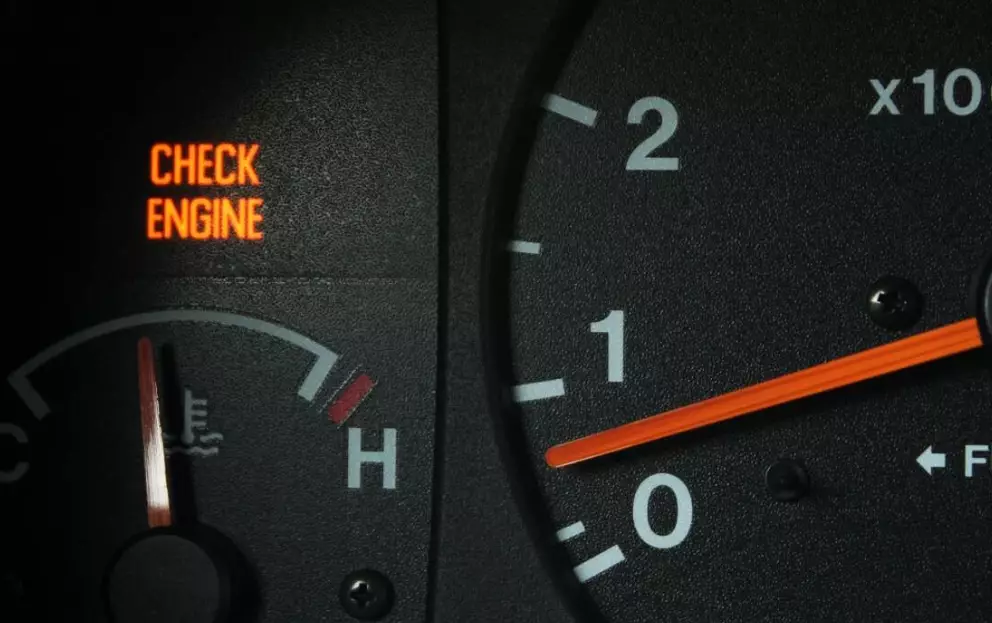
| Common Code | What It Generally Means | Typical Urgency |
|---|---|---|
| P0420 / P0430 | Catalytic Converter Efficiency Below Threshold. Often a failing cat or a bad oxygen sensor. | Moderate. Affects emissions and fuel economy, but car may drive normally. |
| P0171 / P0174 | System Too Lean. Not enough fuel or too much air. Could be a vacuum leak, dirty MAF sensor, or weak fuel pump. | Moderate to High. Can cause long-term engine damage if severe. |
| P044x Series | Evaporative Emission Control System Leak. The classic gas cap code family. | Low. Often a minor leak. |
| P0300 | Random/Multiple Cylinder Misfire Detected. | High, especially if flashing. Damages the catalytic converter quickly. |
A crucial piece of advice most guides miss: The code tells you where the computer sees a problem, not what the broken part is. P0133 (O2 Sensor Slow Response) could be a bad oxygen sensor, but it could also be an exhaust leak upstream of the sensor, or even a failing fuel injector skewing the air/fuel ratio. This is why mechanics perform further tests.
Your Symptom-Based Action Plan
Now, combine your initial assessment with the code (if you have one) to choose your path.
Scenario 1: Light is FLASHING, or you have severe symptoms (shaking, loud knocking, smoke, power loss).
Action: Safely stop driving. Reduce load on the engine and call for a tow to your trusted mechanic or dealership. Continuing to drive risks severe and costly damage.
Scenario 2: Light is SOLID, and the car drives completely normally.
Action: Check/secure the gas cap. If you have a scanner, read the code for clues. It's likely not an immediate danger, but don't ignore it for weeks. Schedule a diagnostic with a mechanic in the next few days to a week. An unresolved fault can cause other systems to run in a "limp" mode, reducing fuel efficiency.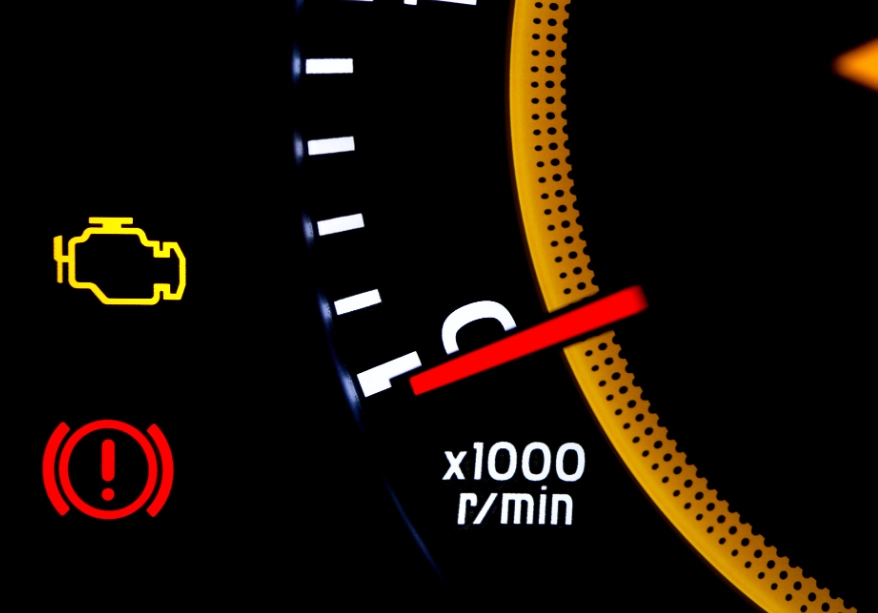
Scenario 3: Light is SOLID, and you notice minor symptoms (slightly rough idle, slight drop in gas mileage).
Action: Use a scanner to pull the code. Research the code specific to your vehicle make and model. Forums and resources like the National Highway Traffic Safety Administration (NHTSA) website for recalls can be helpful. Plan to visit a mechanic within the next few days.
The One Expensive Mistake Nearly Every Driver Makes
Here's the non-consensus view from years of watching this play out: The biggest mistake is treating the check engine light as a single, static problem. It's a process. The light coming on is step one. The real error happens when people get a code, buy the part the auto parts store computer suggests, replace it, clear the code, and call it a day. When the light comes back on in 50 miles (and it often does), they're frustrated and out of money.
The system is designed to test repairs. If you replace a part to fix a P0133 code, the car's computer will run a series of specific drive-cycle tests over the next few days to see if the parameter is now within spec. If it passes, the light stays off. If it fails, the light returns. This is why a proper diagnosis from a good mechanic—who uses a scan tool, but also performs live data analysis, smoke tests for leaks, or component actuation tests—is often worth the $100-150 diagnostic fee. It can save you from throwing multiple "likely" parts at the problem.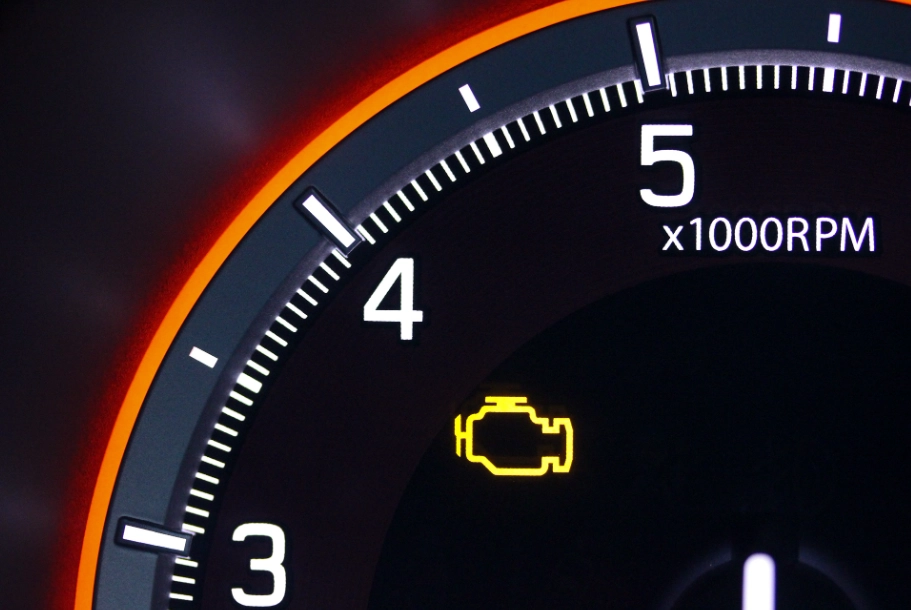
Your Check Engine Light Questions, Answered
The light came on but my car feels fine. How long can I realistically drive it?
There's no universal safe mileage. A solid light for a minor evap leak (like a loose gas cap) might be okay for weeks, though it'll fail an emissions test. A solid light for a failing oxygen sensor can be driven on for a while but will hurt your fuel economy and could lead to catalytic converter damage over months. The rule of thumb: if it's solid and symptom-free, get it diagnosed within a week or two. Don't start a cross-country road trip.
Do I have to go to the dealership for a check engine light diagnosis?
Absolutely not. While dealers have the manufacturer-specific software, a reputable independent mechanic with a high-quality scan tool can diagnose 95% of check engine light issues. Often at a lower labor rate. For complex, intermittent electrical issues on newer cars, the dealership's specialized tools might eventually be necessary, but start with a trusted local shop.
Is it safe to clear the check engine light code myself with a scanner?
Clearing the code turns off the light, but it also resets the vehicle's readiness monitors. If you clear the code and immediately go for an emissions test, your car will fail because the monitors haven't had time to run their self-checks. Clear codes only after you believe you've addressed the issue, and then plan to drive the car for a variety of conditions (city, highway, cold starts) over several days to allow the monitors to complete before any smog check.
Can a check engine light prevent my car from starting?
Typically, no. The check engine light itself doesn't disable the car. However, the underlying fault that triggered the light could also prevent starting. Examples include a critical failure of the crankshaft position sensor (which the engine computer needs to run), a major fuel system fault, or a security system issue that manifests as an engine code. If the light is on and the car won't start, the code is your best clue to the related problem.
Why did my check engine light turn off by itself?
The OBD-II system requires a fault to be present for two consecutive drive cycles to turn the light on. If the intermittent fault doesn't recur during the next 40-80 warm-up cycles (depending on the code), the computer will automatically turn the light off. This is common for random glitches or temporary issues like a brief loss of signal from a sensor. Don't assume the problem is gone forever. The code is likely stored as a "pending" or "history" code, which a scanner can still read, giving you a clue about the past issue.